
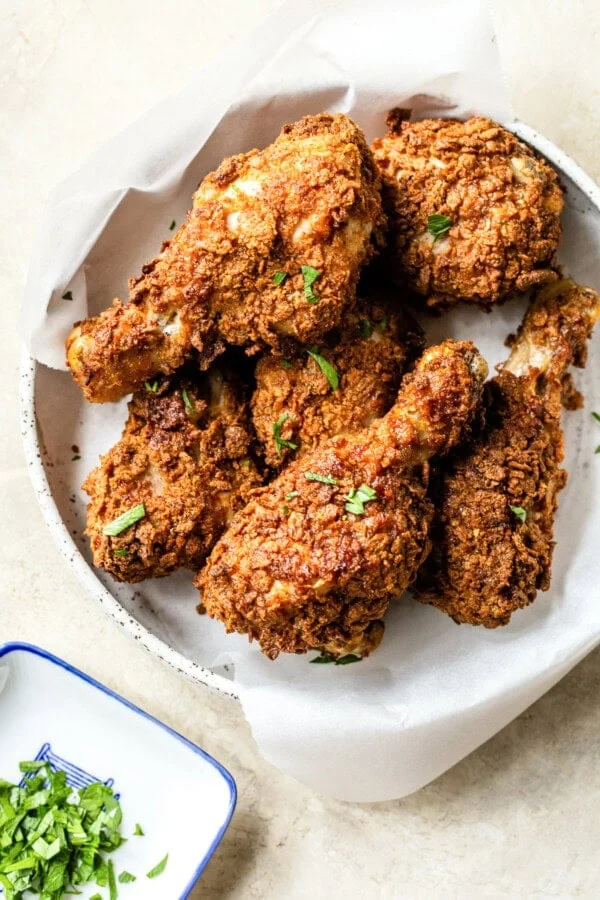
Chicken drumsticks have emerged as a cornerstone of modern domestic culinary planning, offering a unique intersection of economic viability, nutritional density, and versatility for home cooks navigating increasingly demanding schedules. As families continue to prioritize efficient, high-protein meal preparation, the humble chicken leg—a cut long overshadowed by boneless, skinless breasts—is undergoing a resurgence in popularity. Market data indicates that dark meat poultry remains one of the most cost-effective animal protein sources globally, consistently providing a buffer against the rising costs of grocery bills while offering a flavor profile that is significantly more forgiving during the cooking process than its white-meat counterparts.
The Nutritional and Economic Landscape of Poultry
From a nutritional standpoint, chicken drumsticks provide an essential source of complete protein, B vitamins, and minerals, including iron and zinc. Unlike chicken breasts, which are prone to drying out if overcooked by even a few minutes, drumsticks possess a higher fat content and connective tissue density, which serves as a natural insurance policy against kitchen errors. This biological characteristic makes them ideal for various cooking methods, from the intense heat of an air fryer to the slow, steady braising required for complex sauces.
Economically, the drumstick remains one of the most stable items in the poultry department. Wholesale poultry pricing trends over the last decade show that while premium cuts such as tenderloins and breasts have seen significant price volatility, drumsticks have maintained a consistent price point. For the average household, this represents a reliable strategy for meal planning, allowing for bulk preparation that yields leftovers suitable for lunches or secondary meals throughout the week.

The Evolution of Cooking Methodologies
The shift toward more efficient home cooking has been accelerated by the widespread adoption of specific kitchen appliances, most notably the air fryer and the slow cooker. Historically, the preparation of chicken legs was limited to roasting or pan-frying, both of which required significant time and oversight.
The integration of convection-based air frying has fundamentally altered the preparation timeline. By circulating high-velocity hot air around the drumstick, the skin achieves a crispness comparable to traditional deep-frying without the excess oil or the safety hazards associated with large vats of boiling fat. This technological development has prompted a shift in how food educators and recipe developers approach the "crunch factor" in home-cooked meals.
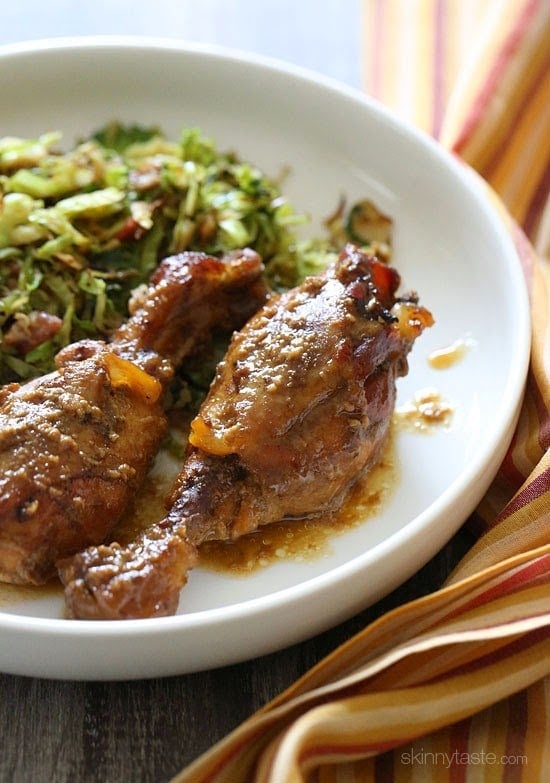
Similarly, the slow cooker, or "crock pot," has become an essential tool for the modern workforce. By utilizing low-temperature, long-duration cooking, fibrous cuts of meat like drumsticks are transformed into tender, "fall-off-the-bone" textures that were previously difficult to achieve without professional-grade equipment. This method allows for the infusion of deep, complex flavor profiles—such as maple-dijon, teriyaki, or adobo—into the meat, as the long cooking cycle acts as a natural marinade.
A Chronology of Culinary Preparation Techniques
The methods applied to chicken drumsticks have evolved alongside global food trends. In the early 2000s, the focus was primarily on traditional oven-roasting, often involving dry rubs or simple salt-and-pepper seasoning. By the 2010s, there was a pivot toward glaze-heavy, Asian-inspired flavor profiles, characterized by the introduction of soy sauce, ginger, and sriracha, reflecting a broader demographic interest in international fusion cuisine.
The most recent phase, beginning around 2020, has emphasized the "Sheet-Pan" model. This technique prioritizes the one-dish concept, where the protein and accompanying vegetables—such as zucchini, corn, and bell peppers—are cooked simultaneously on a single surface. This methodology aligns with modern data suggesting that time-poor consumers are increasingly seeking "low-labor" meal solutions that reduce cleanup time and active preparation minutes.
Culinary Analysis of Flavor Profiles
Effective drumstick preparation often hinges on the balance of acidity, sweetness, and heat. Culinary experts note that the dark meat of the drumstick can withstand heavy seasoning, which is why it serves as the perfect canvas for diverse culinary traditions:
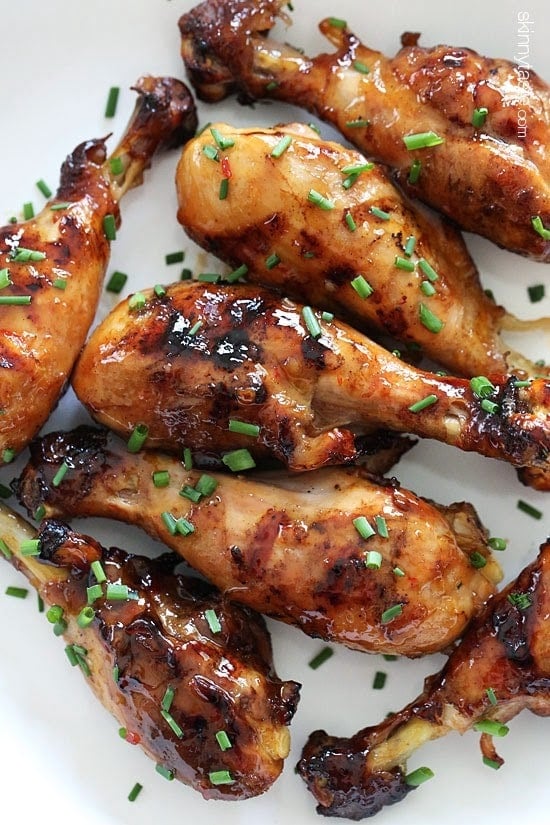
- The Sweet and Savory Profile: Often achieved through honey or maple syrup combined with soy sauce or balsamic vinegar. This profile is particularly popular in family settings due to its high palatability among children.
- The Braised/Acidic Profile: Utilizing vinegar or citrus (such as the traditional Filipino Adobo or Mediterranean-style lemon-feta preparations), this approach tenderizes the meat at a cellular level, creating a distinct, tangy flavor that cuts through the natural richness of the chicken.
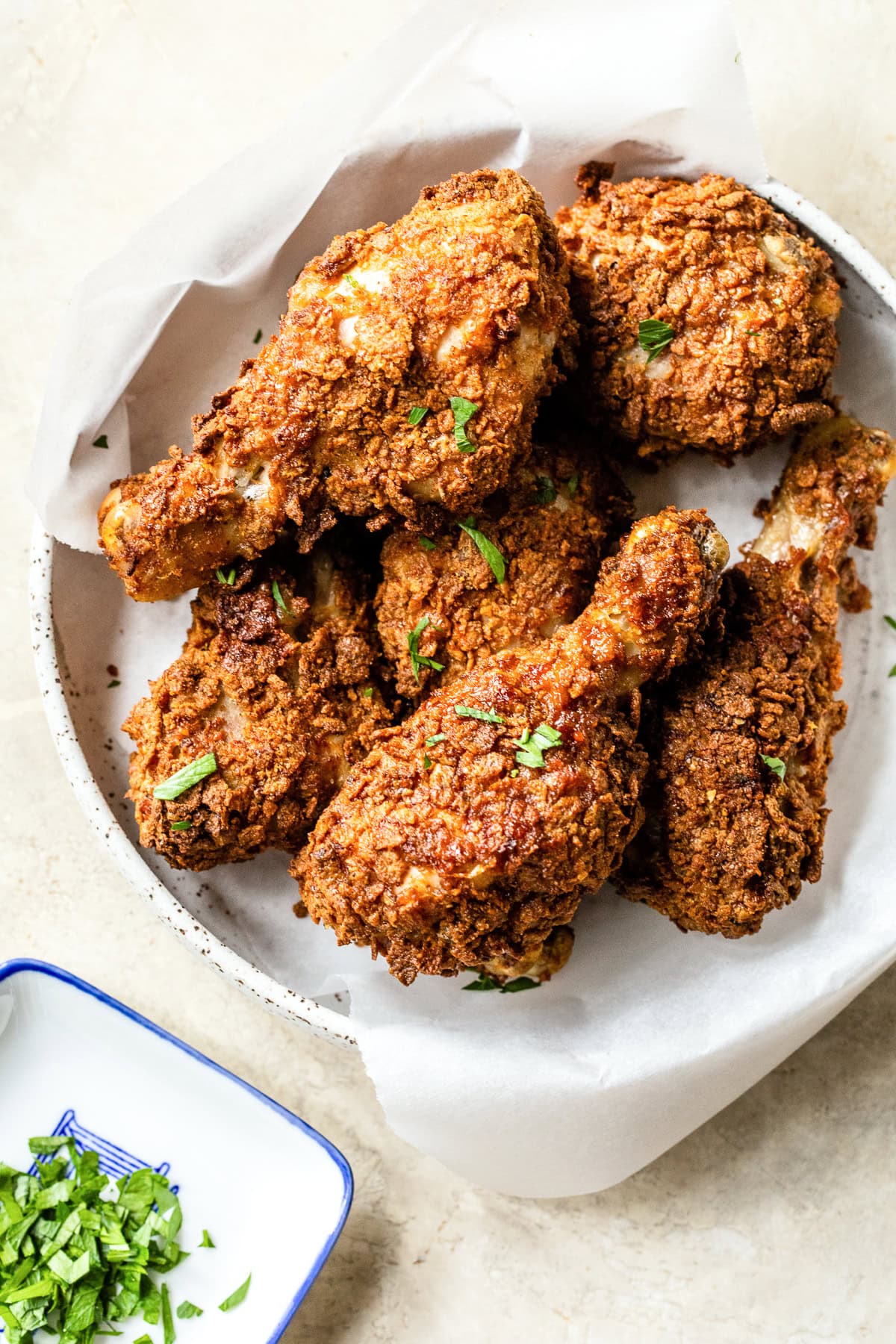
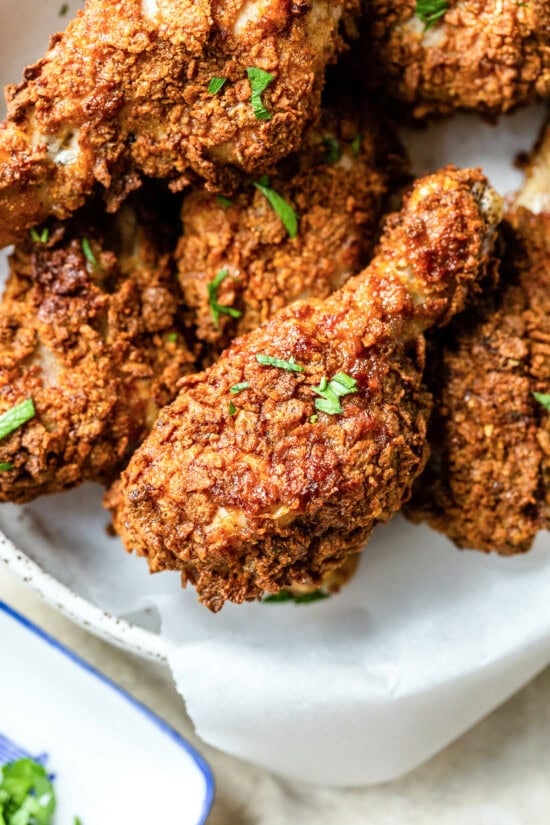
- The Crispy/Fried Profile: Whether using traditional flour coatings or unconventional binders like crushed bran flakes, the focus here is on the contrast between the external texture and the internal moisture of the meat.
Implications for Modern Meal Planning
The broader implications of this trend toward "drumstick-centric" meals are significant for household management. Nutritionists and family wellness advocates emphasize that the "drumstick meal" encourages portion control while ensuring adequate protein intake. Because drumsticks are served as individual units, they provide a built-in measurement system that is helpful for those tracking macronutrients.
Furthermore, the surge in popularity of these recipes reflects a democratization of cooking skills. As the internet has facilitated the spread of professional techniques—such as proper searing, deglazing, and the use of aromatic bases like garlic and ginger—home cooks are now achieving restaurant-quality results with minimal investment.

Broader Impact on Home Cooking Trends
Industry analysts observing the culinary space have noted that the return to "staple proteins" like chicken legs is indicative of a broader shift toward sustainable, no-waste cooking. Unlike some poultry cuts that require extensive trimming, drumsticks are largely ready for the heat source with minimal prep, reducing food waste and labor.
As we look toward the future of home nutrition, it is clear that the drumstick will remain a staple. Its ability to adapt to changing kitchen technology—from the rise of the air fryer to the potential for future sous-vide advancements—ensures its longevity in the domestic diet. By focusing on simple, high-impact flavors and utilizing the inherent advantages of dark meat, families can continue to produce consistent, high-quality dinners that satisfy both the palate and the budget. The ongoing refinement of these recipes, from classic oven-fried versions to modern sheet-pan innovations, provides a roadmap for sustainable, efficient, and enjoyable home dining for years to come.
