

The seasonal shift toward peak summer harvest presents both an opportunity for enhanced nutritional intake and a logistical challenge for households managing high volumes of perishable produce. As corn, cucumbers, bell peppers, tomatoes, zucchini, peaches, green beans, and strawberries reach their seasonal zenith, consumers are increasingly tasked with finding efficient methods to preserve, process, and consume these crops before their natural degradation occurs. This phenomenon, often referred to by agricultural economists as the "harvest glut," requires a strategic approach to food preparation to ensure nutritional value is retained and household food waste is mitigated.

The Seasonal Harvest Context
The United States Department of Agriculture (USDA) monitors seasonal availability cycles, noting that the mid-to-late summer months represent the highest volume of domestic fruit and vegetable production. During this period, the influx of fresh produce at farmer’s markets and grocery retailers increases significantly. However, data from the Environmental Protection Agency (EPA) suggests that fresh produce is among the most frequently discarded food categories in residential settings. Improper storage and a lack of quick-prep culinary strategies are cited as the primary contributors to this waste.
To combat this, culinary experts and nutritionists advocate for the adoption of versatile, high-speed cooking techniques that can transform raw ingredients into stable, nutrient-dense meals. Integrating these ingredients into diverse culinary applications—ranging from salads and grain bowls to refined desserts—allows for a higher rate of consumption per household.
Culinary Strategies for Peak Produce
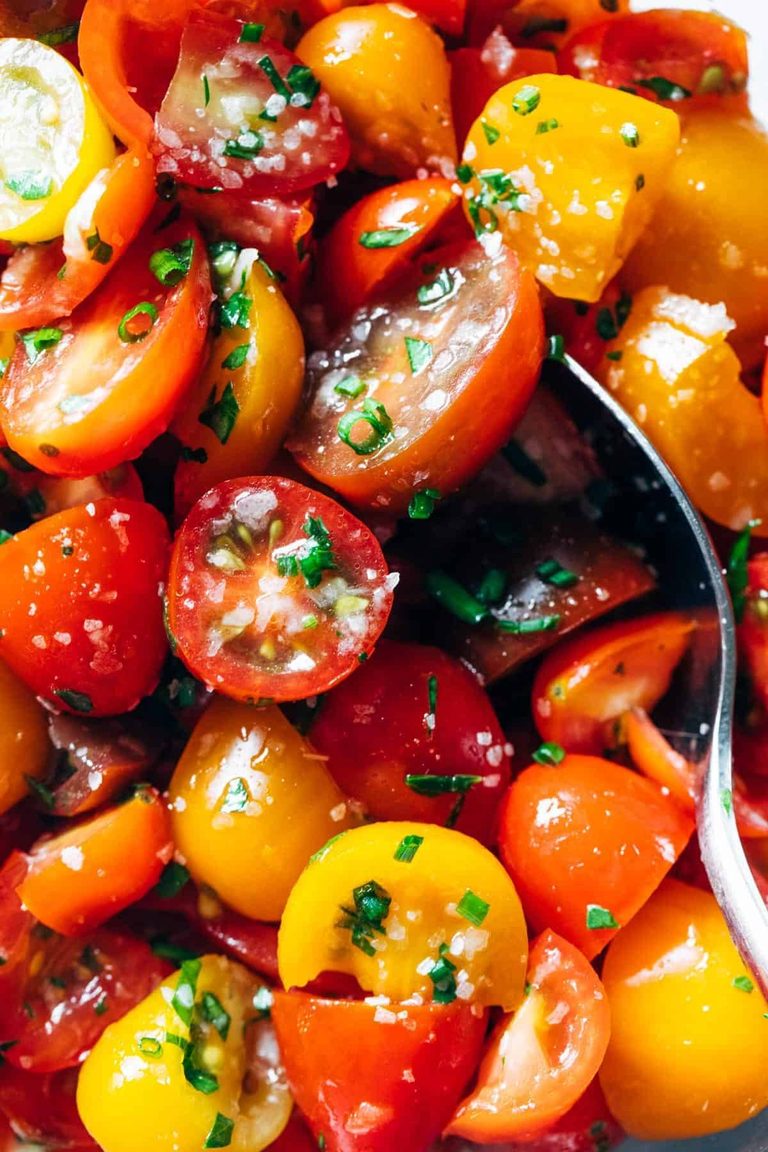
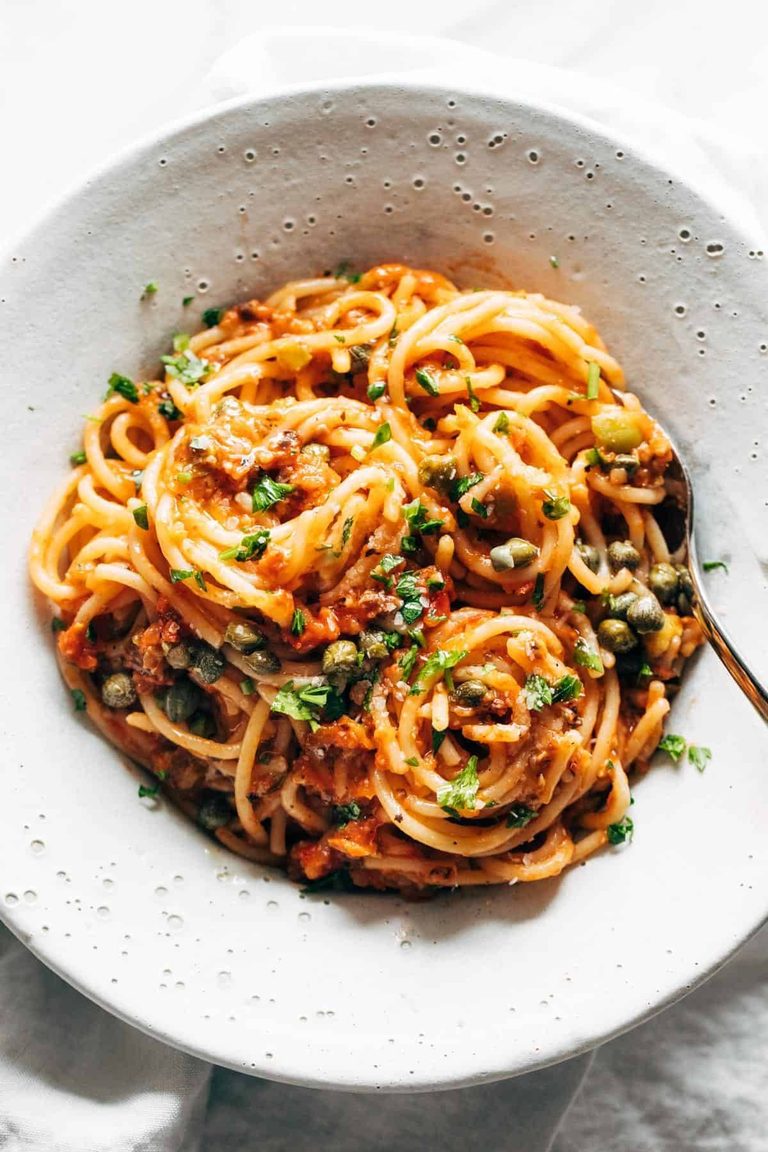
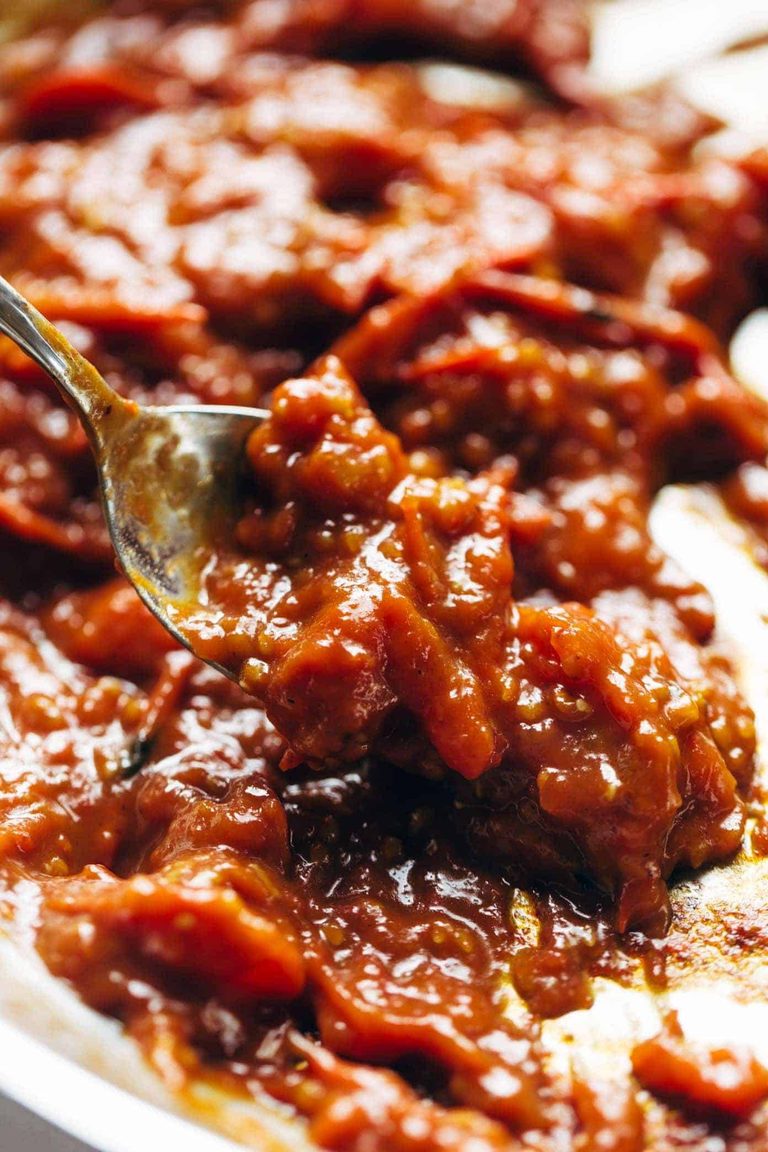
The challenge of utilizing seasonal surpluses is largely one of preparation speed. Professional kitchens utilize a variety of methods to extend the shelf life of raw produce. For example, the use of "quick-pickling" for strawberries or the transformation of excess tomatoes into concentrated garlic-butter sauces can extend the utility of these items by several days, if not weeks.
Furthermore, the integration of plant-forward proteins and complex carbohydrates into summer cooking ensures that produce remains the focal point of the meal. The following approaches are currently favored by culinary professionals to optimize the use of seasonal staples:

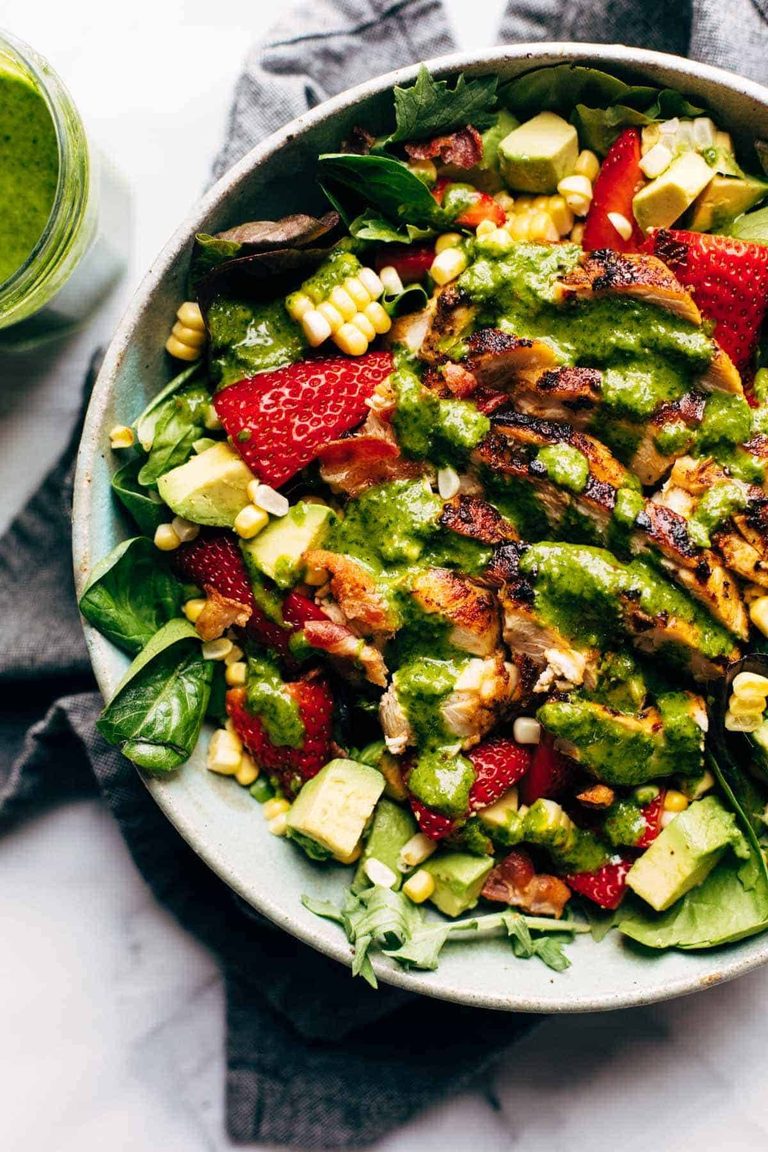
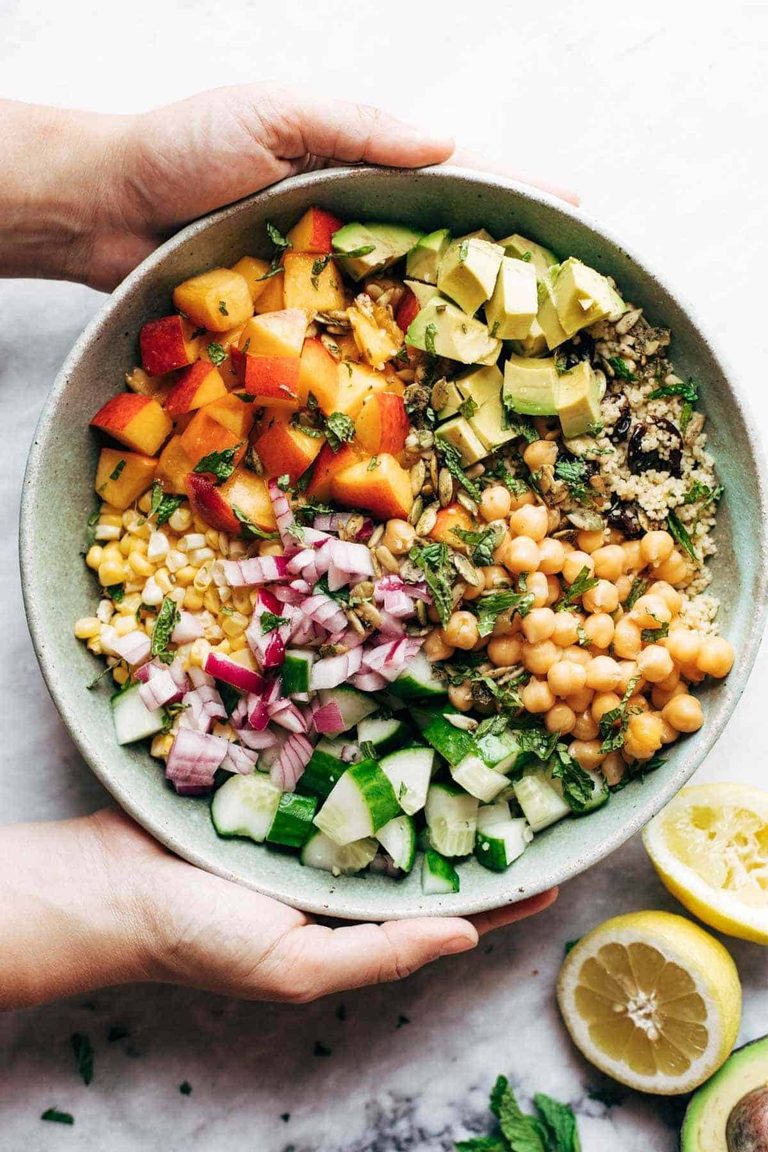
- Protein-Infused Salads: The use of chipotle-seasoned chicken paired with corn, avocado, and cilantro vinaigrette serves as a model for balanced meal planning. By introducing high-density proteins, these salads become sufficient as standalone entrees.
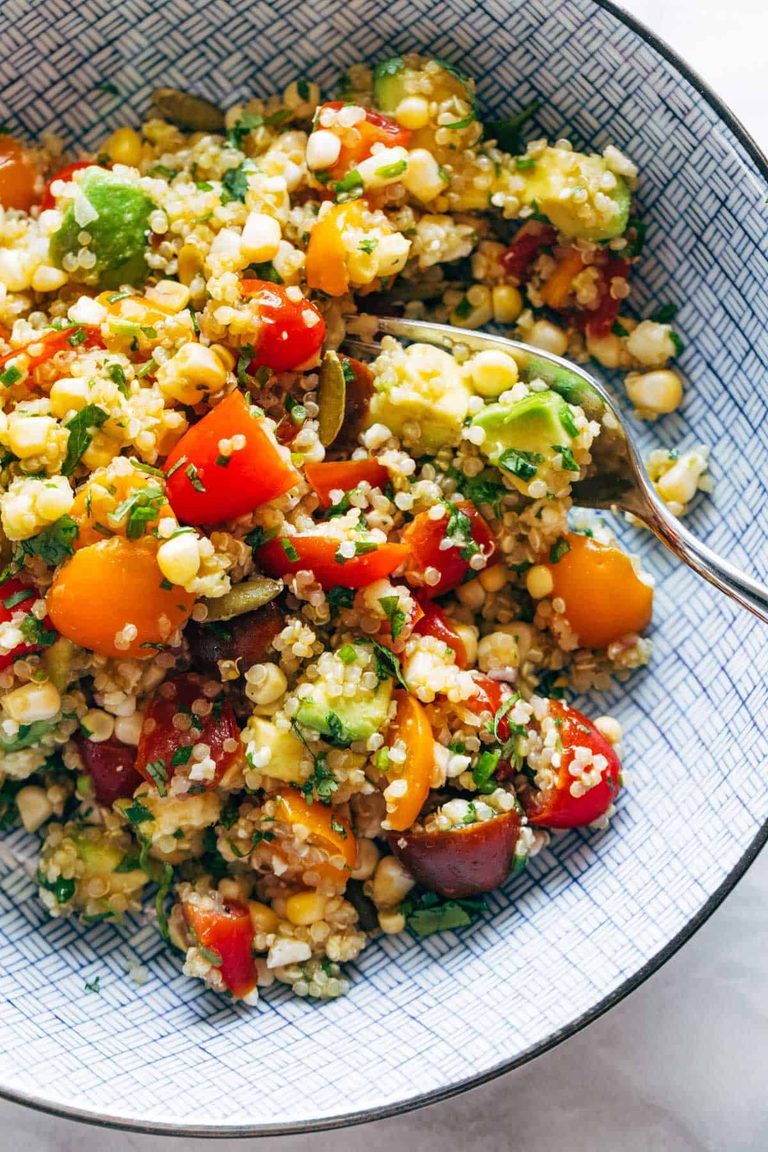
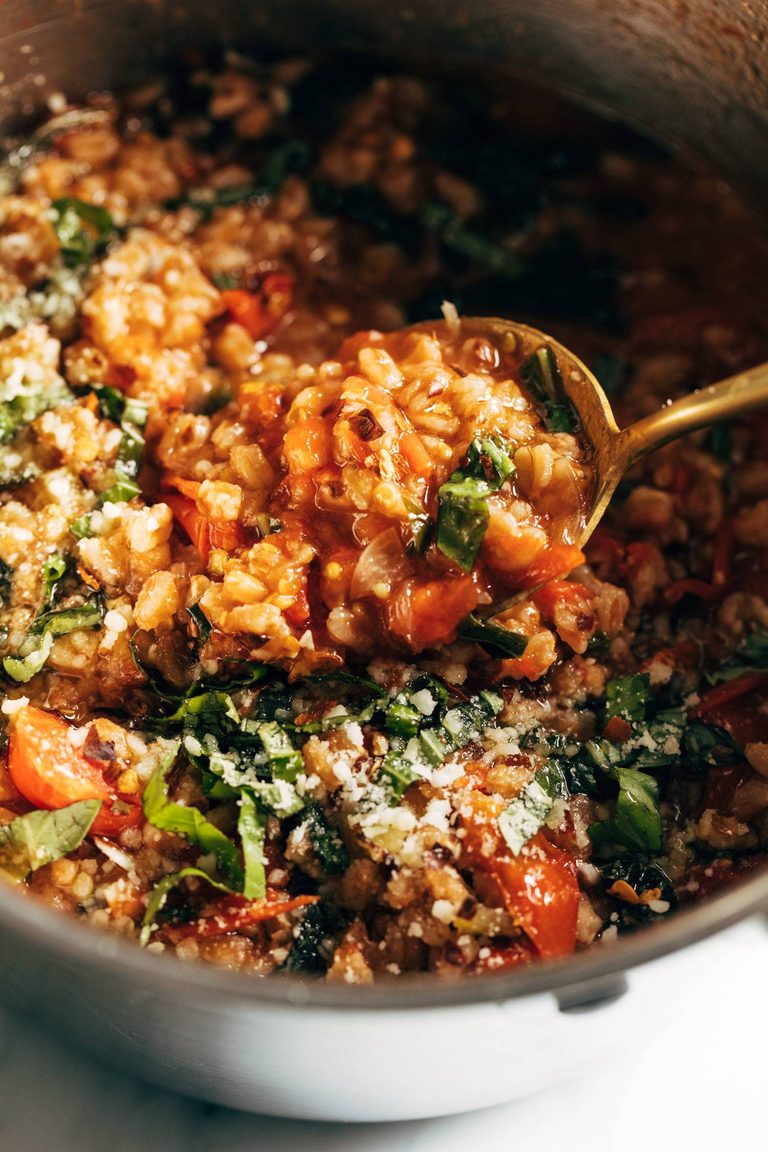
- The "One-Pan" Method: Utilizing grains such as farro or quinoa, which offer substantial fiber content, allows for the inclusion of multiple vegetable types—specifically kale, onions, and tomatoes—within a single cooking vessel. This method minimizes cleanup and ensures that various produce items are cooked down to a palatable consistency simultaneously.
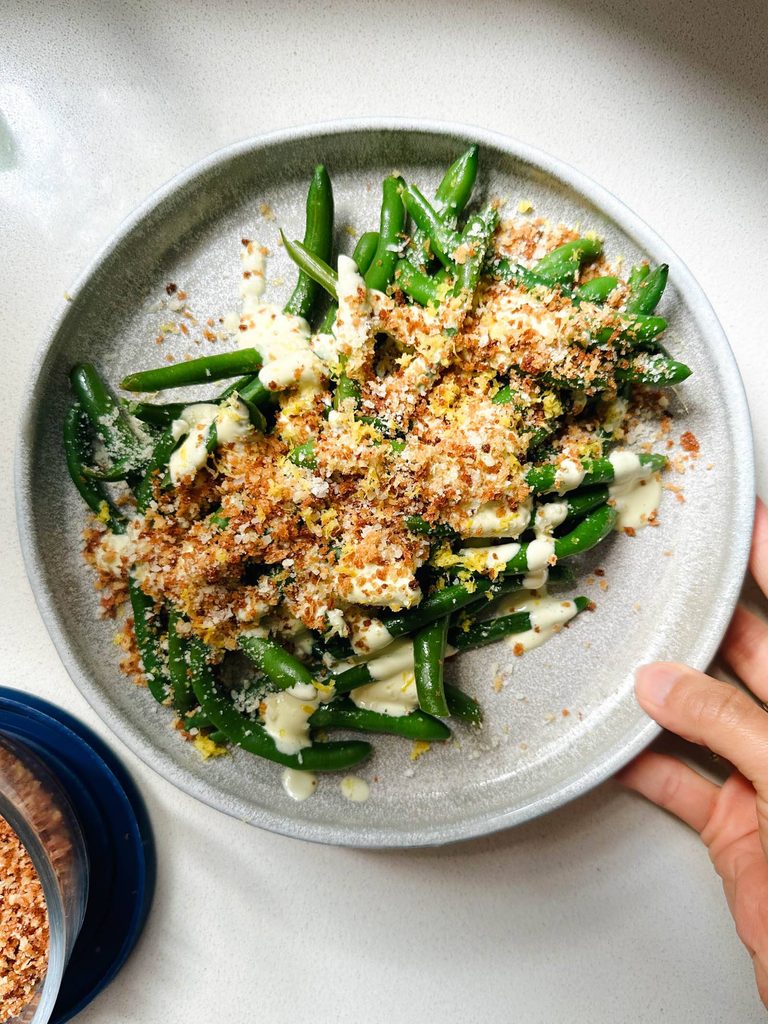
- Blended Applications: Utilizing high-speed blending to create sauces—such as avocado-based Caesar dressings or roasted red pepper bases—allows for the incorporation of produce that may have aesthetic imperfections but retains full nutritional integrity.
Chronology of Consumption and Preservation
For the household manager, establishing a "first-in, first-out" (FIFO) system for produce is critical. Highly perishable items, such as strawberries and leafy greens, should be prioritized within 48 to 72 hours of procurement. Stone fruits, such as peaches, require specific temperature management to prevent rapid ripening.
The following timeline is recommended for effective produce management:
- Day 0-2: Utilize soft fruits and delicate greens in salads or fresh preparations.
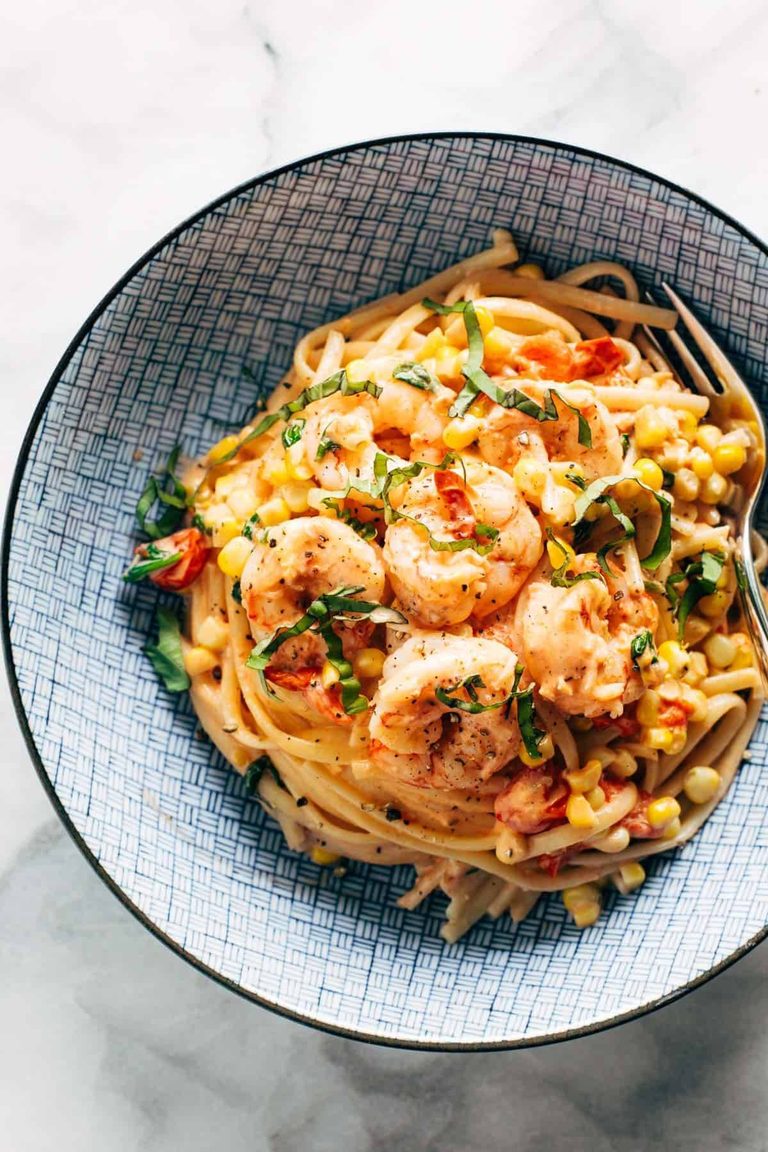
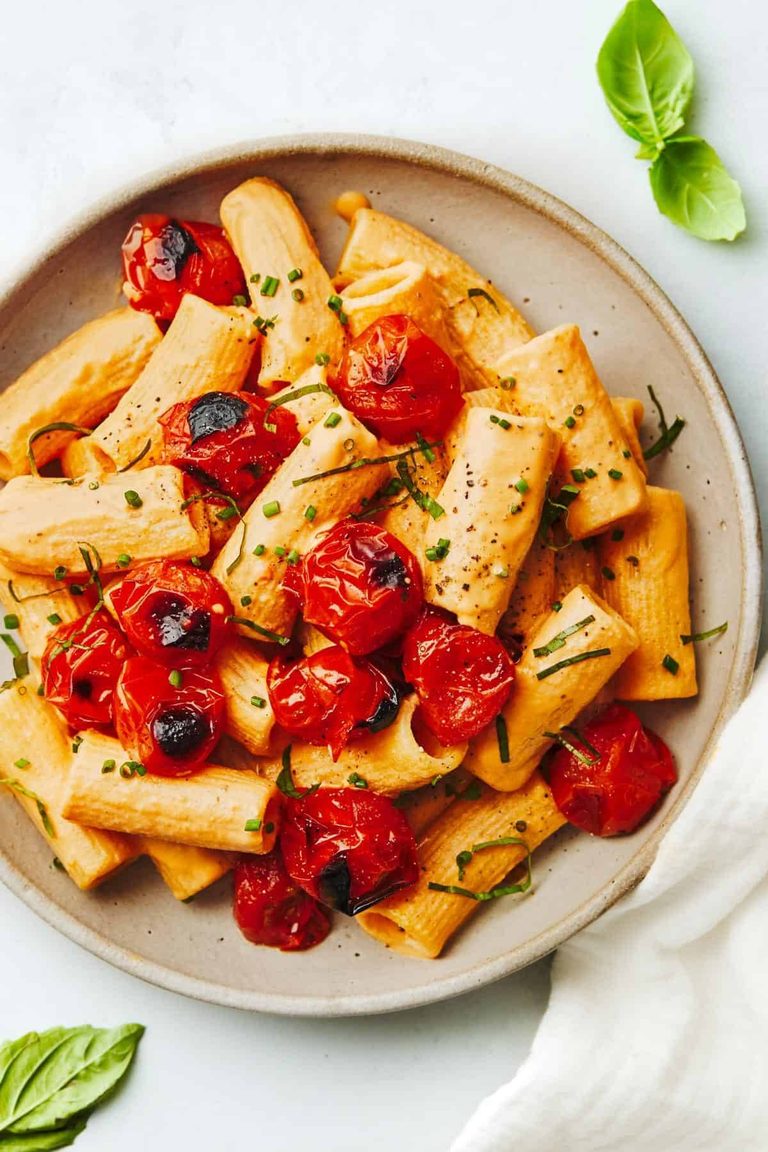
- Day 3-4: Process remaining vegetables into cooked dishes, such as stir-fries, pasta sauces, or roasted side dishes.
- Day 5+: Utilize remaining, slightly overripe items for baking (e.g., zucchini muffins, cobblers) or preserve them via pickling and canning.
Nutritional Implications and Data
According to the Centers for Disease Control and Prevention (CDC), the consumption of seasonal, locally sourced produce correlates with higher intake of essential vitamins and minerals. Because summer produce is often harvested at the peak of its ripeness, it typically contains higher concentrations of phytonutrients compared to produce harvested prematurely for long-distance transport.
However, the nutritional benefit is contingent upon the storage methods employed post-harvest. Oxidation and moisture loss are the primary enemies of nutrient retention. By converting produce into stable formats—such as the aforementioned tomato sauces or nutrient-dense zucchini bars—households can preserve the health benefits of their harvest throughout the week.

Industry Perspectives on Food Waste
Food policy analysts suggest that the rise in community-supported agriculture (CSA) programs and farmer’s market attendance has necessitated a shift in consumer education. Retailers and agricultural organizations have begun providing "usage guides" alongside seasonal boxes to assist consumers in managing the volume of produce.
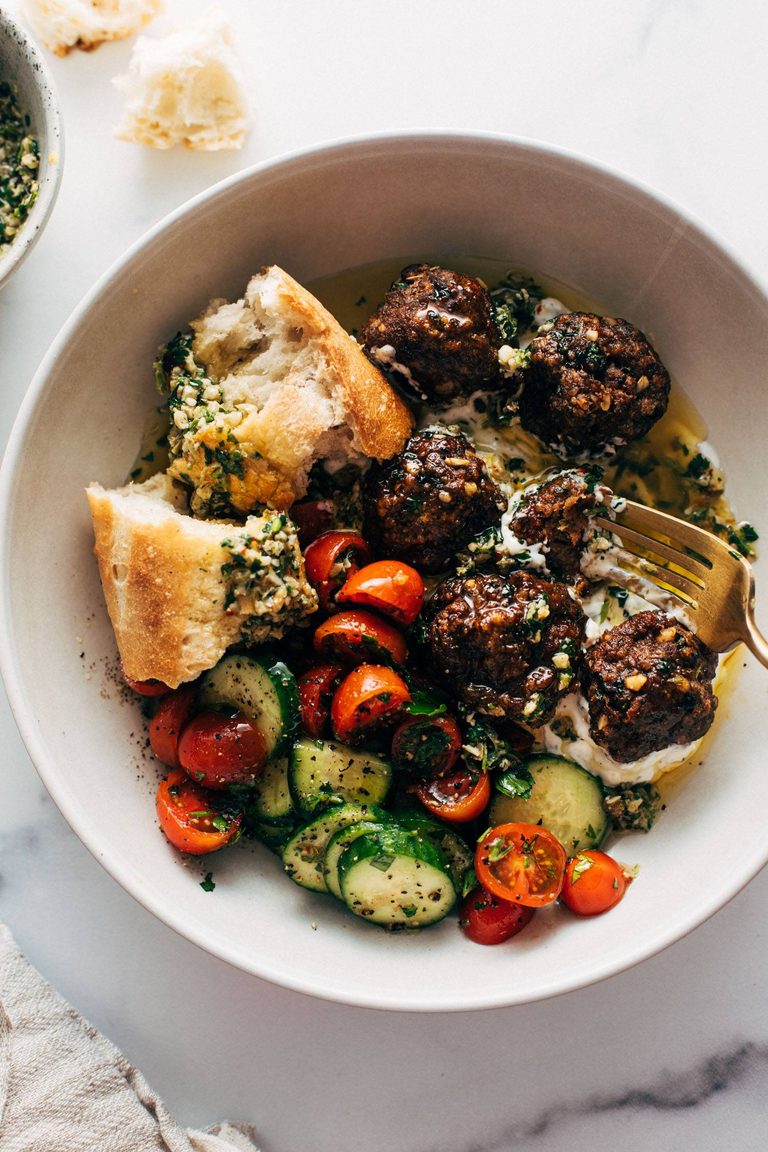
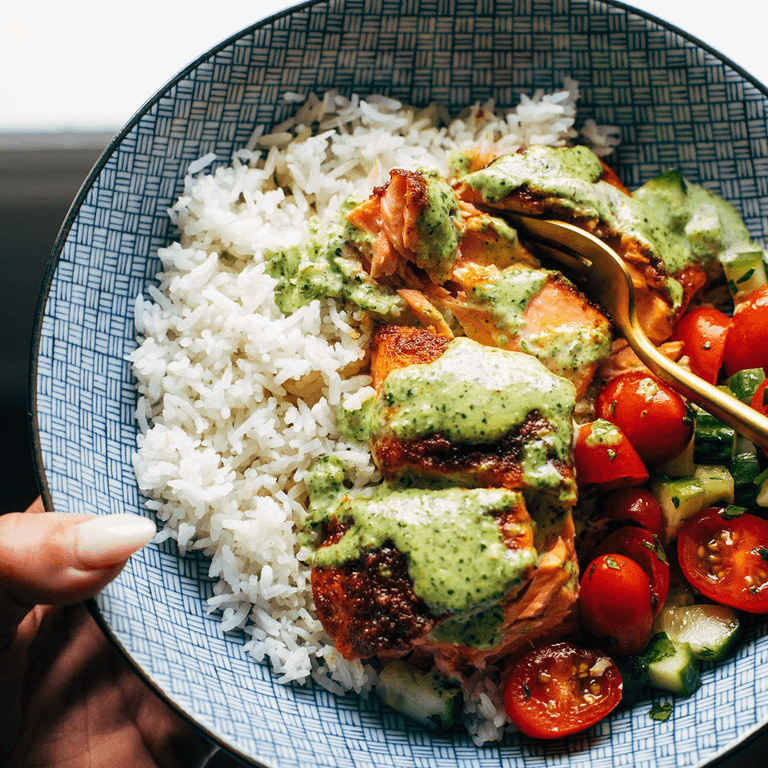
"The goal is to move beyond seeing a surplus as a burden and instead viewing it as a foundation for culinary creativity," states a representative from a national food security non-profit. "When a consumer understands how to apply a ‘magic green sauce’—made from herbs and aromatics—to everything from grilled chicken to roasted vegetables, the likelihood of that produce being discarded decreases significantly."
Economic and Environmental Impact
The environmental implications of household food waste are significant. When organic matter, such as discarded produce, ends up in landfills, it undergoes anaerobic decomposition, which produces methane—a potent greenhouse gas. By optimizing the use of seasonal harvests, consumers not only save on grocery expenditures but also contribute to a reduction in the carbon footprint associated with both food production and waste management.
Furthermore, the economic efficiency of utilizing a full basket of seasonal produce is evident. Ingredients like farro, couscous, and basic pantry staples (olive oil, vinegar, spices) are relatively low-cost. When paired with high-volume, low-cost seasonal vegetables, the cost-per-serving of these meals is significantly lower than that of processed convenience foods.
Implementation of Best Practices
To successfully transition to a high-yield summer diet, households should focus on three pillars:
- Preparation Infrastructure: Keeping a stock of essential pantry items—such as high-quality olive oil, balsamic vinegar, various grains, and dried herbs—is necessary to facilitate immediate cooking.
- Tool Availability: The presence of a blender or food processor significantly expands the range of recipes available, particularly for creating emulsions, sauces, and quick batters.
- Strategic Planning: Rather than purchasing produce without a specific plan, consumers are encouraged to select recipes based on the current market availability and their own storage capacity.
Future Outlook
As interest in sustainable eating grows, the demand for practical, resource-efficient cooking techniques will likely continue to rise. Culinary education is shifting toward "repurposing," where the end of one meal serves as the beginning of the next. For instance, leftover grilled chicken from a dinner can be repurposed into a lunch wrap with fresh tomatoes, corn, and greens the following day.
This cycle of consumption not only addresses the immediate challenge of seasonal overabundance but also fosters a more mindful relationship with the food supply chain. By adopting these systematic approaches, individuals can maximize the quality and longevity of their summer harvests, ensuring that the bounty of the season is utilized to its fullest extent.
In summary, the management of summer produce is a multidisciplinary task involving logistics, nutrition, and culinary arts. Through the application of standardized storage protocols, the utilization of versatile base recipes, and a commitment to reducing waste, households can enjoy the full range of seasonal offerings while supporting a more sustainable and economically sound approach to food consumption. As the summer season continues, the ability to pivot between raw applications and cooked preparations will remain the most effective tool in the modern home kitchen.
