

The Evolution of Slow-Cooker Gastronomy
The slow cooker, or crockpot, has undergone a significant resurgence in the last decade, transitioning from a relic of 1970s convenience cooking to a staple of modern meal planning. Market data from kitchen appliance retailers indicates that sales of programmable slow cookers remain robust, fueled by the "batch cooking" trend. This movement prioritizes the preparation of multiple servings in a single session, effectively reducing the daily cognitive load associated with meal planning.
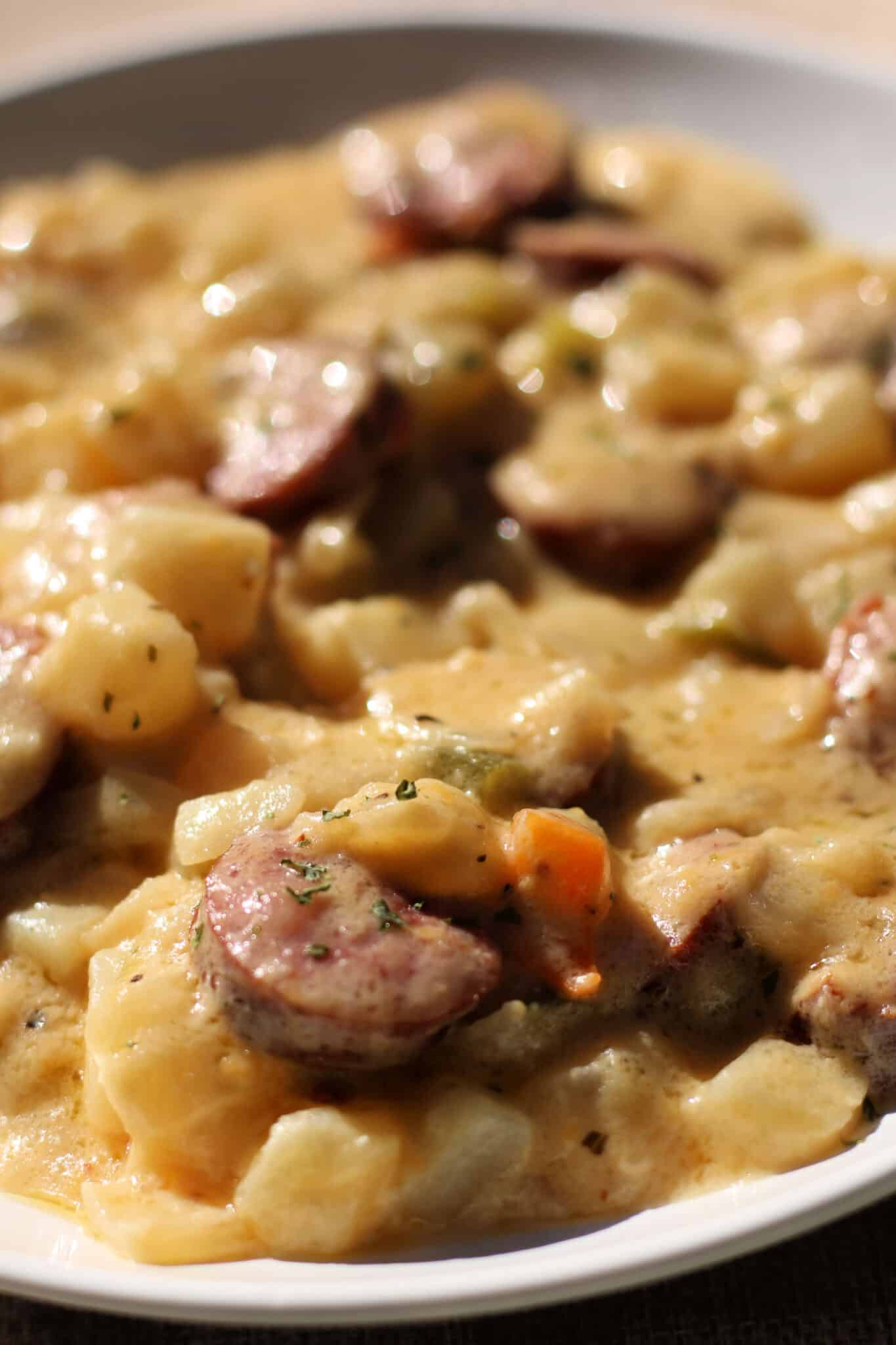
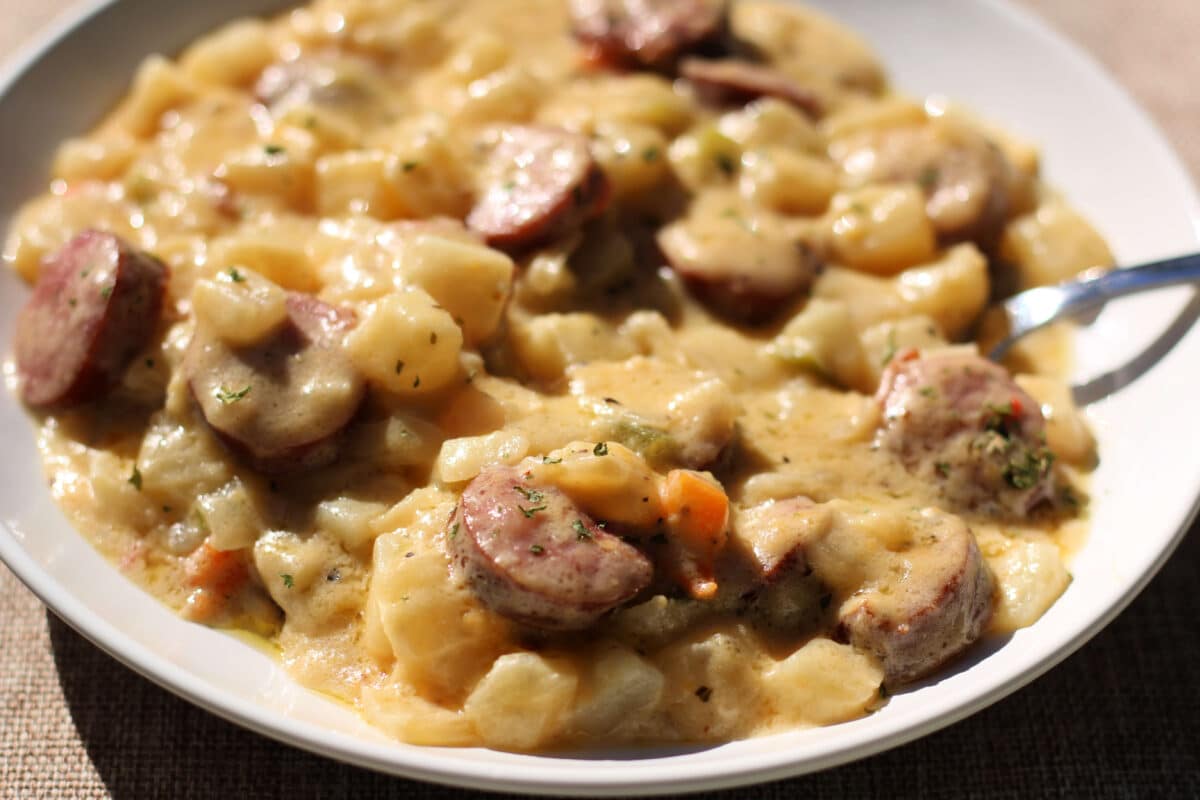
The Cheesy Kielbasa Hashbrown Casserole represents a synthesis of traditional comfort food profiles—characterized by potato, dairy, and cured meats—and contemporary kitchen technology. The dish functions as an efficient mechanism for utilizing preserved, shelf-stable, or frozen food items, which are increasingly common in the modern American pantry.
Ingredient Profile and Nutritional Context
The composition of this casserole relies on a strategic combination of textures and flavors. The primary components include:
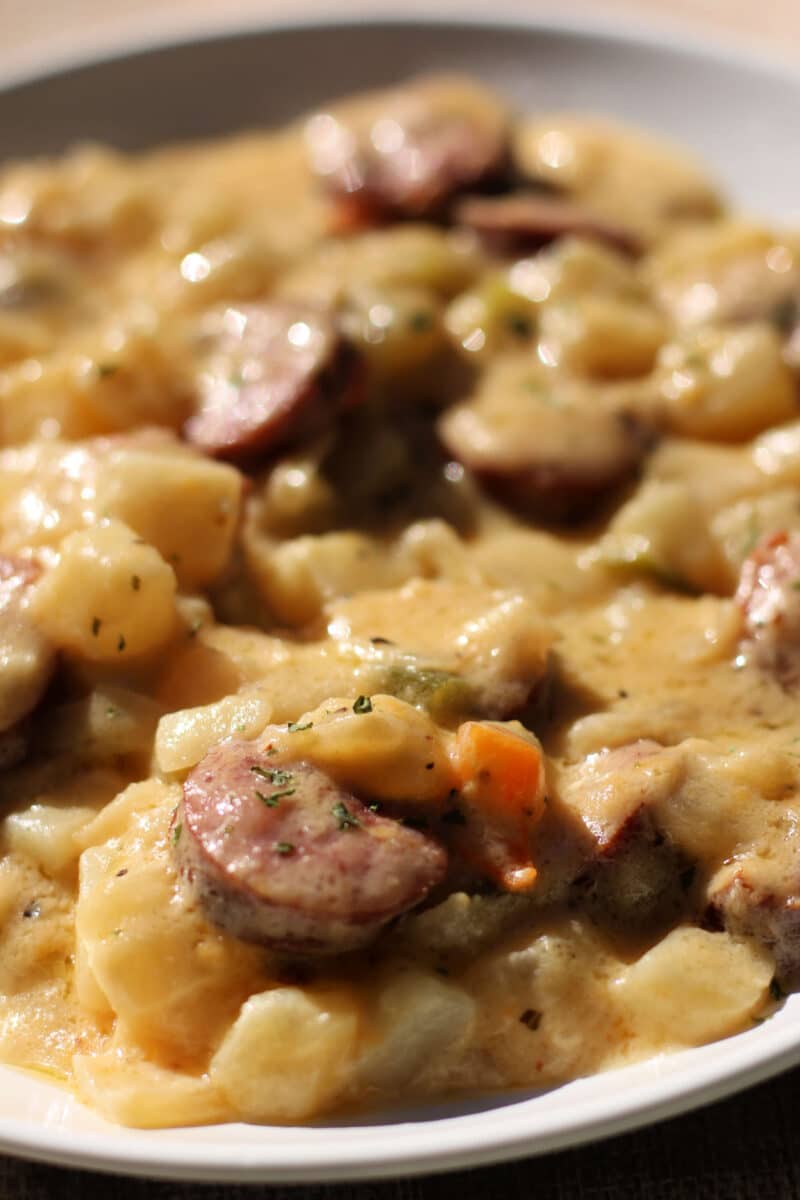
- Protein: 14 ounces of kielbasa (smoked sausage), providing the foundational savory and smoky flavor profile.
- Carbohydrates: 20 ounces of frozen Southern-style diced hashbrowns, often pre-mixed with bell peppers and onions to reduce preparation time.
- Binding Agents: A combination of canned cream of chicken and herbs soup, sour cream, and milk, which creates a velvety sauce consistency upon heating.
- Flavor Enhancers: Garlic powder, onion powder, kosher salt, and black pepper, which serve to balance the richness of the dairy base.
- Finishing Agent: 3 ounces of shredded sharp cheddar cheese, which contributes to the structural integrity of the casserole through emulsification.
From a culinary science perspective, the inclusion of cream-based soups and sour cream acts as a stabilizing agent. When subjected to the sustained, low-intensity heat of a slow cooker, these ingredients undergo a process of slow reduction and integration, ensuring that the moisture from the frozen hashbrowns does not render the final dish watery.
Chronology of Preparation
The assembly of this dish is optimized for efficiency, typically requiring less than 10 minutes of active kitchen time. The process follows a standardized sequence designed for maximum yield:
- Preparation Phase (0–5 minutes): The interior of the slow cooker vessel is treated with a non-stick cooking spray to prevent protein and starch adhesion during the long cook time.
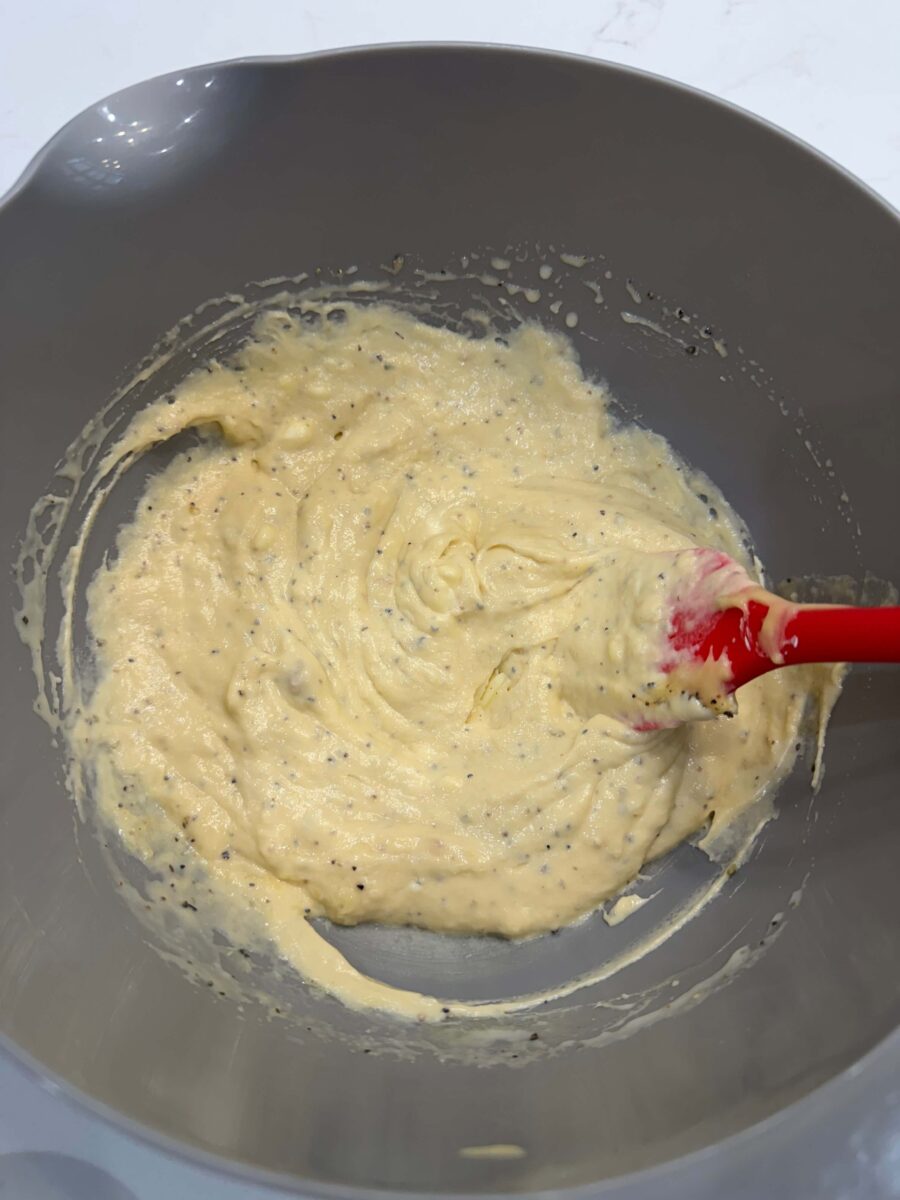
- Emulsion Phase (5–8 minutes): In a secondary vessel, the cream soup, sour cream, milk, melted butter, and dry spices are whisked into a homogenous mixture. This ensures even distribution of seasoning, preventing "flavor pockets" during the cooking process.
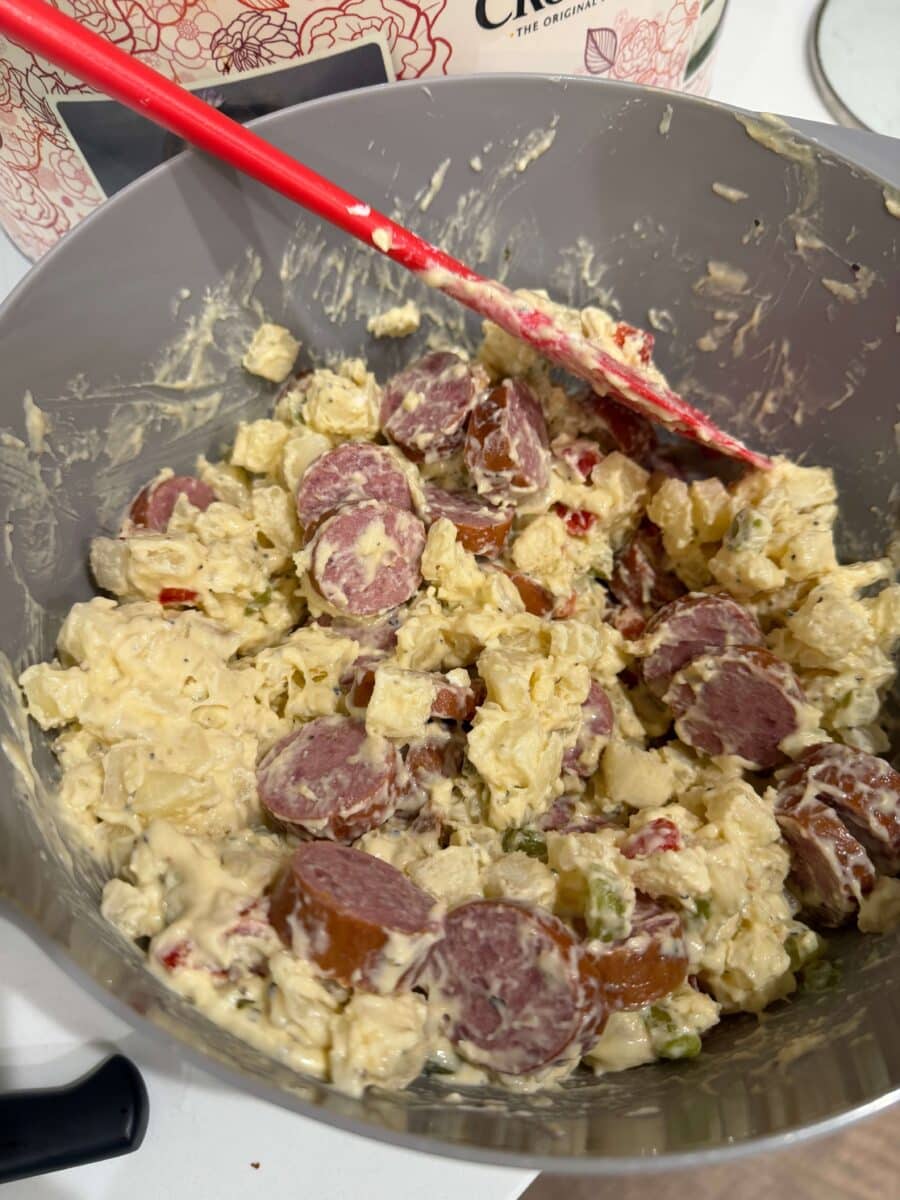
- Combination Phase (8–10 minutes): The hashbrowns, kielbasa, and cheddar cheese are folded into the liquid base.
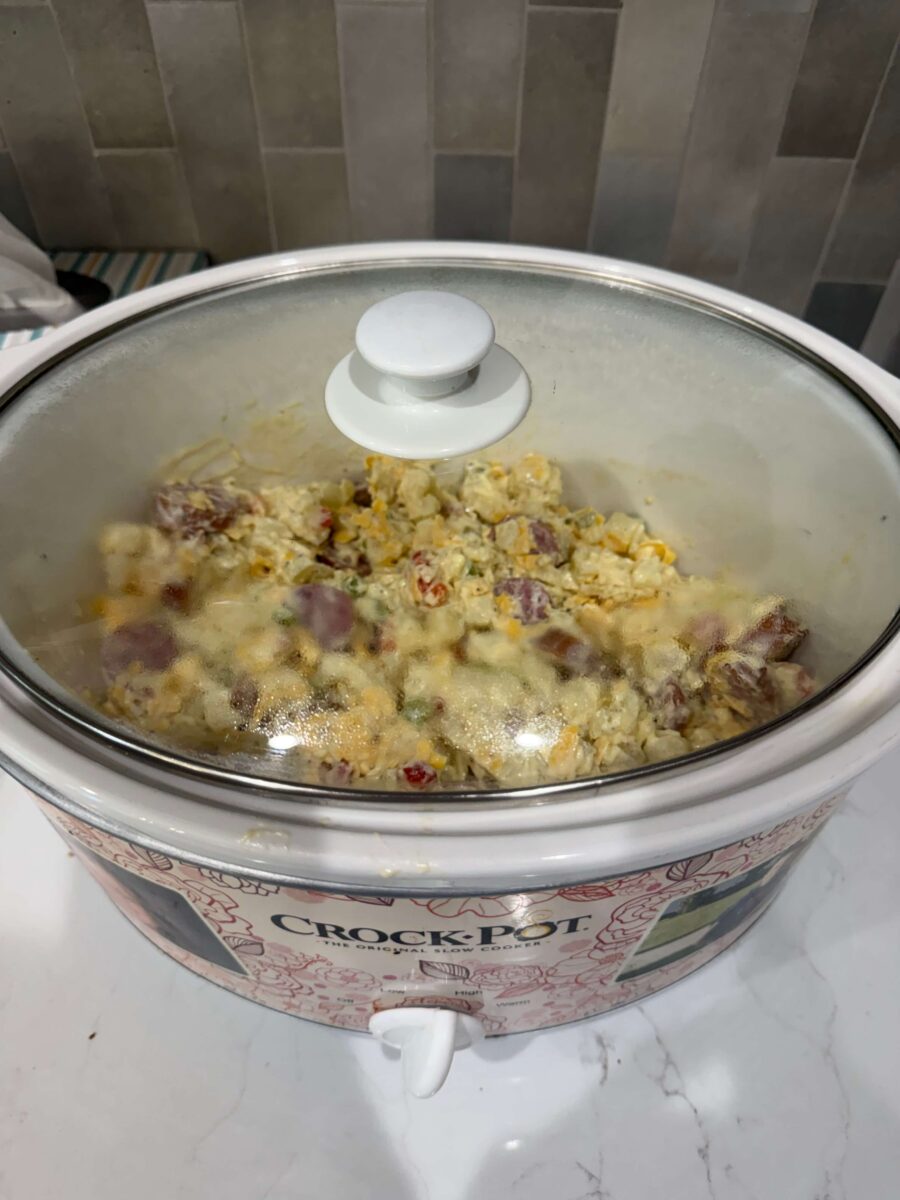
- Thermal Processing Phase: The mixture is transferred to the slow cooker. Operators have two primary temporal options: a "High" setting for 3 hours, which facilitates a faster breakdown of the potato starch, or a "Low" setting for 6 hours, which allows for deeper infusion of the smoke flavor from the kielbasa into the potato base.
Alternatively, the dish can be prepared in a 9×13-inch baking dish at 350°F for approximately 60 minutes. This versatility allows the recipe to adapt to various logistical constraints within a household.
Economic and Lifestyle Implications
The rise of such recipes is often analyzed by food economists as a reaction to inflationary pressures on food prices. By utilizing ingredients such as frozen potatoes and processed sausage, the cost per serving is significantly lower than that of restaurant-prepared equivalents or fresh-ingredient alternatives. Furthermore, the inclusion of frozen mixed vegetables—a modification suggested by many home chefs—addresses nutritional concerns regarding micronutrient density.
Data from household management studies suggest that families who utilize "set-and-forget" recipes report lower levels of daily stress related to food preparation. The ability to prepare a dinner that is ready at the conclusion of a workday serves as an essential tool for time management.
Broader Culinary Trends and Expert Analysis
Industry experts in the food media sector have observed that the popularity of the Cheesy Kielbasa Hashbrown Casserole is indicative of a broader shift toward "accessible luxury." While the ingredients are inexpensive and processed, the final output mimics the complexity and sensory experience of a baked casserole.
"The success of these recipes is rooted in the reliability of the outcome," says one industry analyst. "Consumers are looking for recipes that do not require culinary training but yield a consistent, high-satisfaction result every time. The marriage of smoky protein with the neutral, comforting base of a potato is a proven formula that transcends demographic boundaries."
Furthermore, the integration of these dishes into online ecosystems—where recipes are shared, pinned, and adjusted—has created a digital community of home cooks. This interactivity allows for rapid iteration and refinement of recipes. For instance, the transition from stove-top cooking to the slow cooker has allowed the dish to become a staple of "meal prep Sunday" routines, where food is prepared for the upcoming week.
Considerations for Dietary Modifications
As with many classic comfort dishes, the Cheesy Kielbasa Hashbrown Casserole is high in sodium and saturated fats. For households monitoring these metrics, substitutions are increasingly common. Practitioners often replace the canned cream soup with homemade versions using low-sodium broth and thickeners, or they swap traditional sour cream for Greek yogurt to increase the protein content and reduce the fat profile.
Additionally, those with gluten sensitivities are increasingly finding alternatives to the traditional cream of chicken soup, which often contains wheat-based thickeners. The flexibility of the recipe allows for these substitutions without significantly altering the structural success of the casserole.
Conclusion
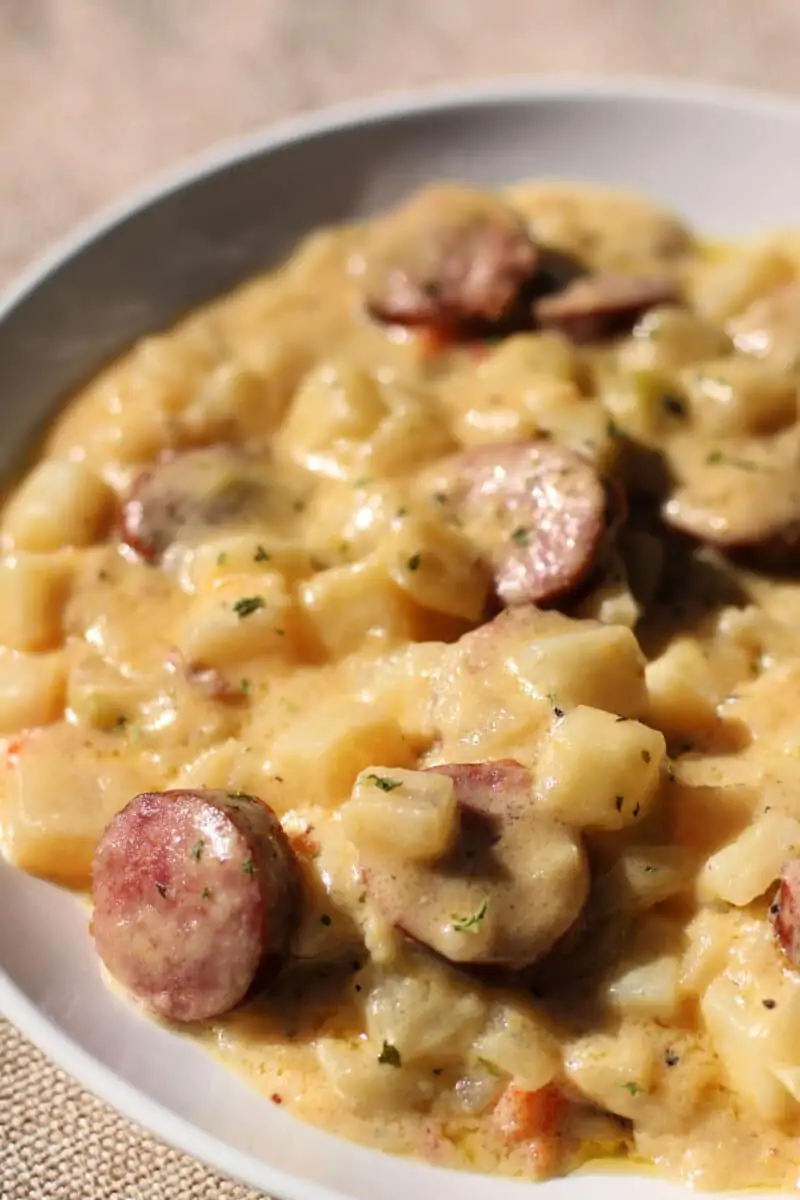
The Slow Cooker Cheesy Kielbasa Hashbrown Casserole stands as a definitive example of modern convenience-driven cooking. By leveraging the specific physical properties of the slow cooker—namely, the ability to maintain a consistent, gentle temperature over an extended period—the recipe transforms simple, accessible ingredients into a cohesive, high-utility meal. Whether evaluated through the lens of economic efficiency, time-management, or culinary satisfaction, the dish serves a critical function in the contemporary home kitchen, proving that complex flavor profiles can be achieved with minimal technical intervention. As technology and consumer preferences continue to evolve, it is likely that the "dump-and-go" methodology will remain a cornerstone of domestic food preparation.
