

The Evolution of Slow-Cooked Comfort Dining
The concept of combining French onion soup with beef stew is not merely a creative culinary experiment but a practical response to the need for efficient, high-yield meal preparation. Traditional beef stew often relies on tomato-based reductions, which can result in a sharp acidity that requires long cooking times to mellow. By contrast, the French onion influence shifts the flavor profile toward a savory, umami-rich base centered on caramelized alliums.

Historical culinary data suggests that slow cooking, popularized in the 1970s, remains a preferred method for home cooks seeking to tenderize tougher, more affordable cuts of beef—such as chuck roast—without sacrificing texture. The integration of onion soup mix and beef broth creates a consistent flavor base, effectively lowering the barrier to entry for novice cooks while providing a reliable framework for busy households.

Technical Methodology and Ingredient Science
The preparation of this dish relies on a specific chemical interaction to achieve professional-grade results in a residential setting. Central to the recipe is the use of baking soda during the initial sauté of the onions.

In food science, the Maillard reaction—the process responsible for the browning and flavor complexity of cooked onions—is accelerated by an alkaline environment. By adding a small quantity of baking soda, the pH level of the onions is increased, which facilitates the breakdown of pectin in the cell walls. This allows the onions to soften and caramelize in approximately five minutes, a process that would otherwise take upwards of forty-five minutes of steady, monitored heat.

This technical intervention addresses one of the most common friction points in home cooking: the time-intensive nature of base building. Once the aromatic base is established, the slow cooker maintains a low, consistent temperature, ensuring the myofibrillar proteins in the beef denature gradually, resulting in a succulent, tender final product that retains its structural integrity without becoming fibrous.

Culinary Chronology and Preparation Guidelines
For the home chef, the workflow is designed for maximum efficiency. The process adheres to a strict chronological sequence to ensure ingredient safety and flavor infusion:

- Aromatic Base (0–10 Minutes): Butter is melted in a pan at medium-high heat, followed by the addition of onions and the aforementioned baking soda. Garlic is incorporated in the final thirty seconds to prevent burning, which can introduce unwanted bitterness.
- Assembly (10–15 Minutes): The mixture is transferred to the slow cooker basin. Beef, potatoes, carrots, and a liquid mixture comprising beef broth, Worcestershire sauce, and tomato paste are added. The addition of dried thyme and a bay leaf provides the essential herbaceous notes characteristic of French onion cuisine.
- The Slow-Cook Phase (4–8 Hours): Depending on the user’s schedule, the device is set to "low" for an eight-hour duration or "high" for a four-hour duration. This period allows for the gradual osmosis of liquids into the beef and the softening of the root vegetables.
- The Finishing Touch: The final step involves a splash of balsamic vinegar. This is a critical culinary maneuver, as the acidity of the vinegar cuts through the richness of the beef fat, brightening the palate and balancing the intense savoriness of the onion reduction.
Market Trends and Consumer Behavior
The popularity of this specific recipe highlights a broader trend in the home-cooking sector: the search for "dump-and-go" meals that offer gourmet results. According to recent kitchenware market analysis, the slow cooker remains a staple in over 80% of North American households. The shift toward recipes that emphasize minimal prep work—such as the exclusion of complex browning steps for the meat—suggests that convenience is the primary driver for modern meal planning.

Furthermore, the versatility of the recipe is a key factor in its adoption. By utilizing common, pantry-stable items like onion soup mix and dried herbs, the dish minimizes food waste and remains accessible regardless of seasonal availability of fresh ingredients.

Broader Nutritional and Economic Implications
From an economic perspective, this stew provides a high cost-to-value ratio. By utilizing "stew meat," typically sourced from the shoulder or chuck, consumers are able to utilize more affordable cuts of protein that benefit from long-duration cooking.
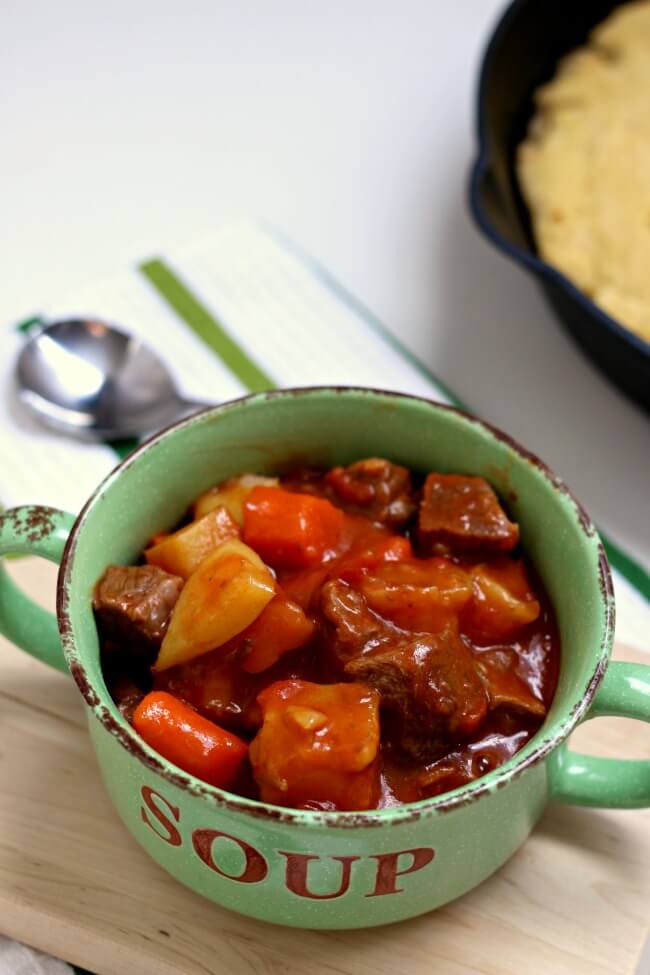
Nutritionally, the dish serves as a balanced meal, providing essential macronutrients: high-quality protein from the beef, complex carbohydrates from the Yukon gold potatoes, and essential vitamins and fiber from the carrots and onions. Unlike many processed convenience foods, this slow-cooker method allows for full control over sodium levels, which can be adjusted by selecting low-sodium beef broth and monitoring the quantity of the onion soup mix.
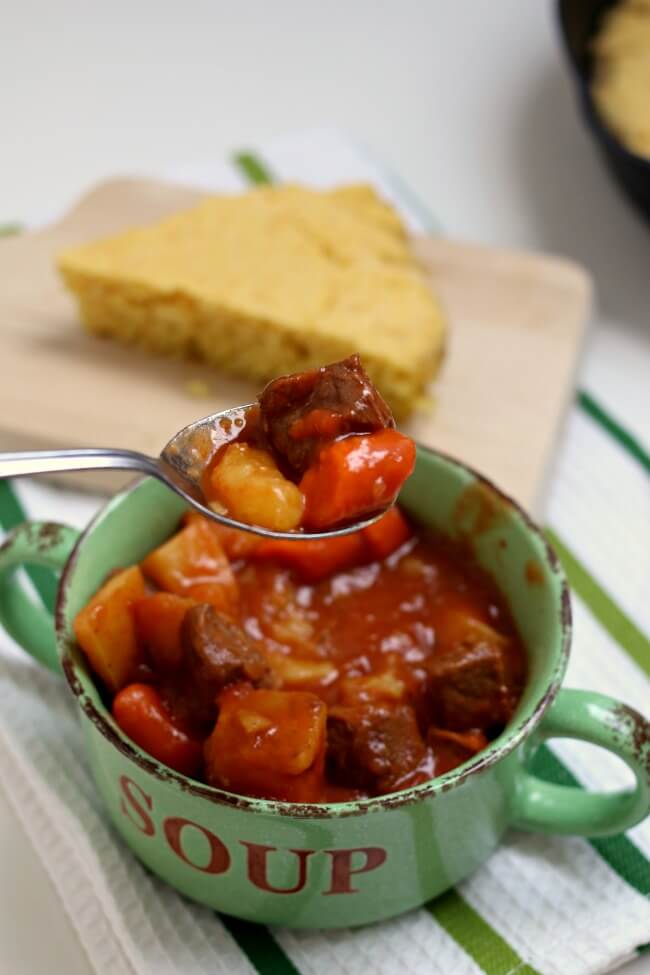
Professional Feedback and Culinary Adaptability
Culinary experts note that while the provided recipe offers a baseline for a successful meal, it is highly adaptable. The use of Yukon gold potatoes is specifically recommended due to their waxy texture, which allows them to hold their shape during the eight-hour cooking window, unlike starchy Russet potatoes, which may disintegrate into the broth.
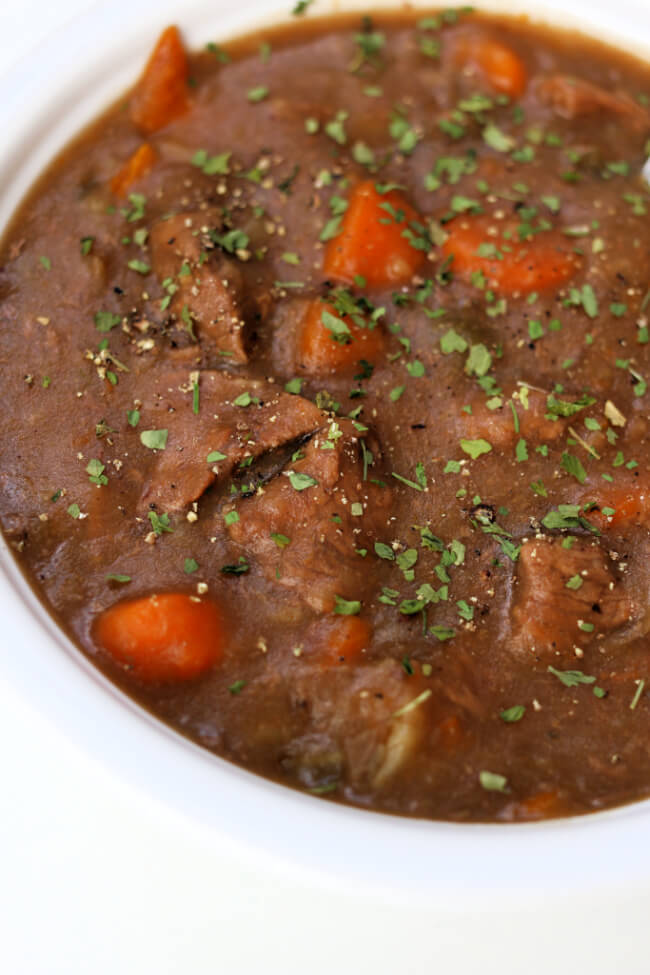
For those looking to expand upon the base recipe, several professional modifications have been suggested:
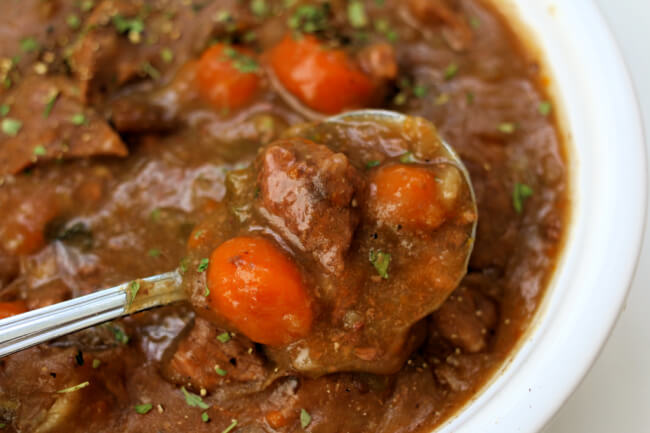
- Deglazing: For a deeper flavor profile, deglazing the sauté pan with a dry red wine before adding the onions to the slow cooker can add a layer of complexity.
- Thickening Agents: While the natural breakdown of the vegetables provides a degree of viscosity, a slurry of cornstarch and water added in the final thirty minutes of cooking can achieve a more traditional, thicker stew consistency.
- Finish: Serving with a toasted baguette slice topped with Gruyère cheese—a nod to the classic French onion soup presentation—remains a popular choice for those looking to elevate the dish for service.
Conclusion
Crock Pot French Onion Beef Stew is more than just a convenient dinner option; it is an example of the successful integration of chemistry, culinary tradition, and modern appliance technology. As the landscape of home cooking continues to favor efficiency without the sacrifice of quality, such recipes provide a reliable, scalable, and highly nutritious solution for the modern family. The ease of preparation, combined with the depth of flavor achieved through the accelerated caramelization of onions, ensures that this dish will remain a staple in the repertoire of home cooks for years to come.
