

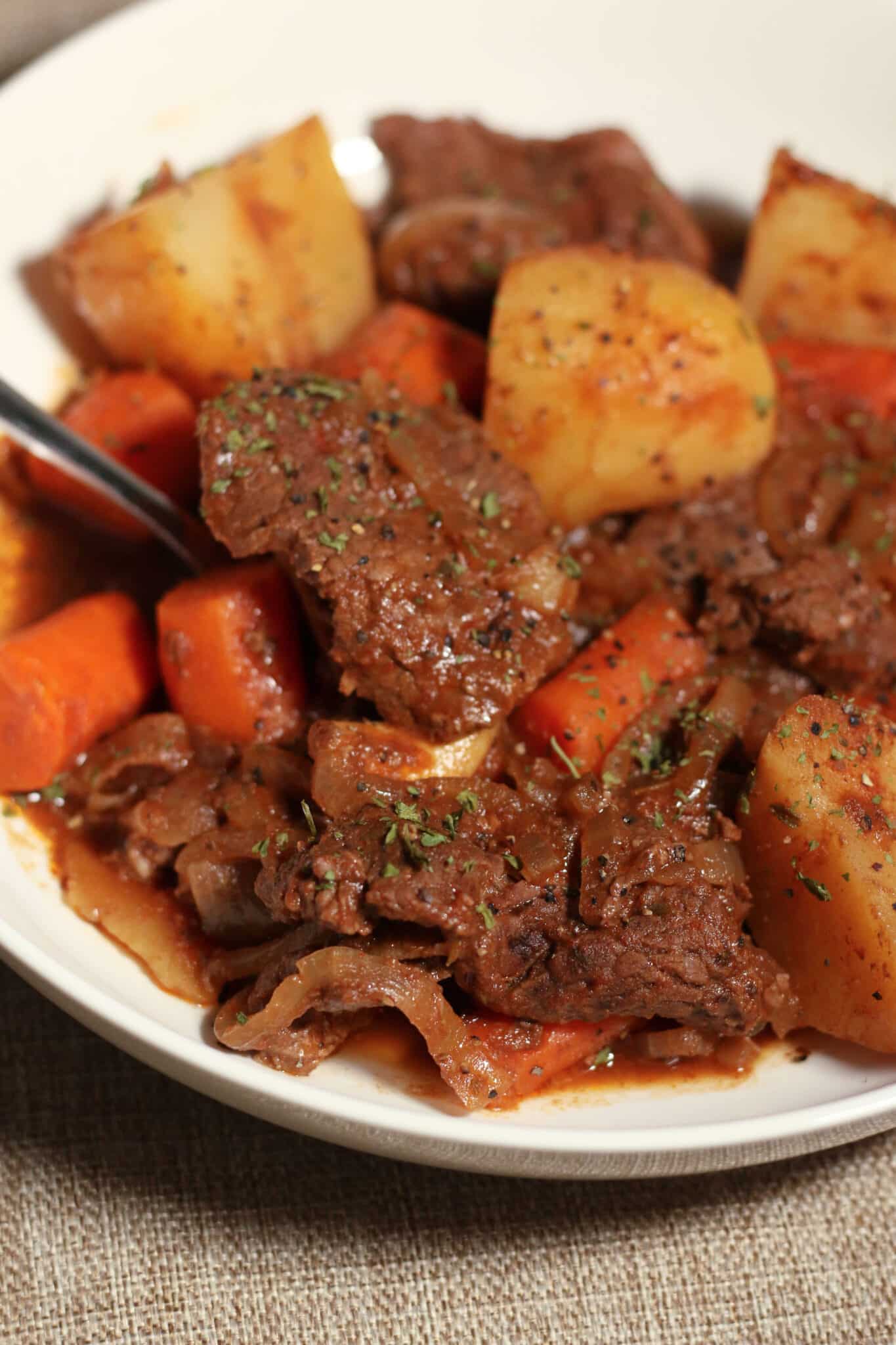
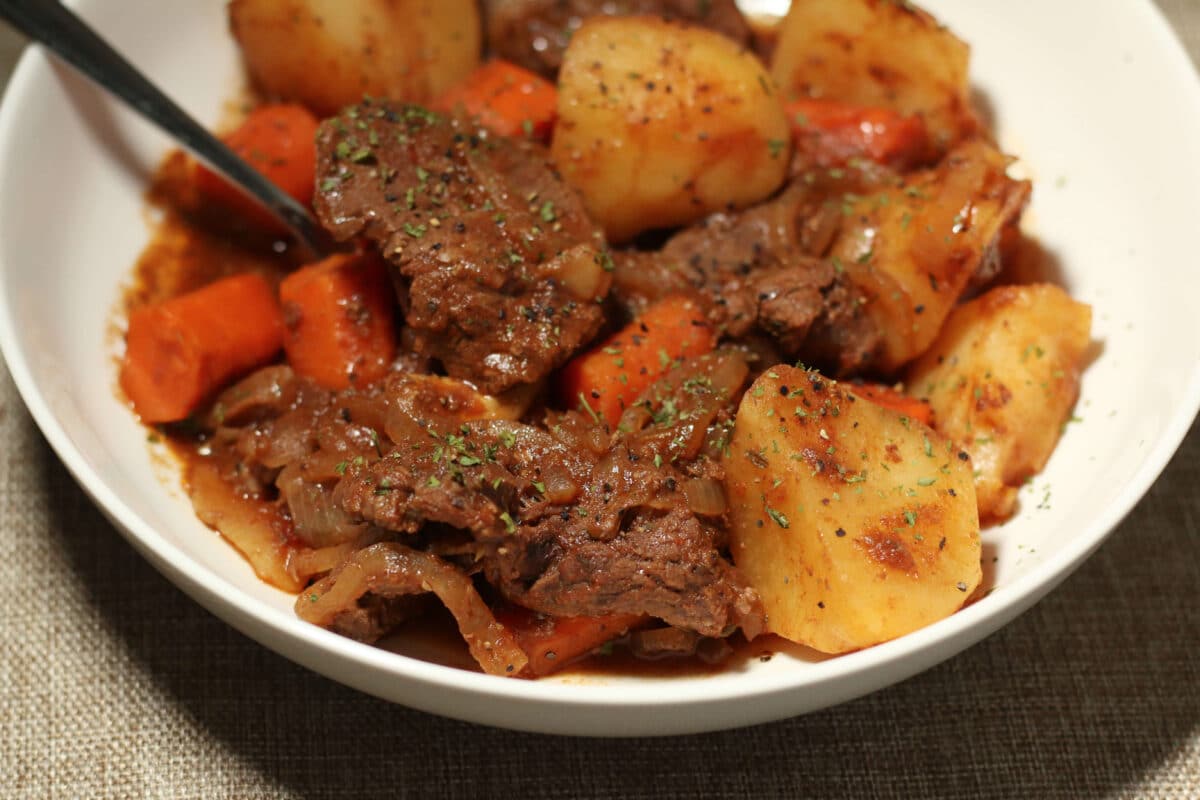
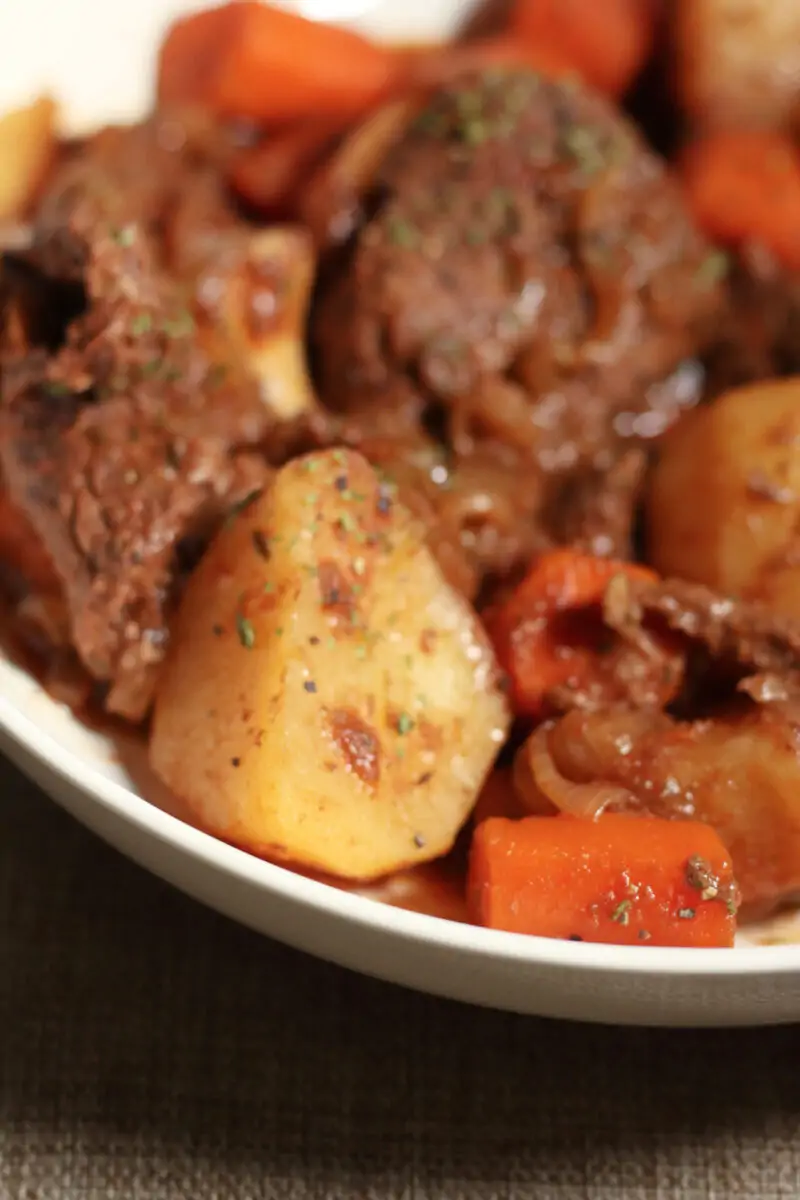
In the modern culinary landscape, the intersection of convenience and nutrition has become a primary focus for household meal planning. The Chunky Beef Casserole, a dish characterized by its straightforward “dump-and-go” preparation method, has gained traction as a practical response to the demands of time-constrained lifestyles. By utilizing lean beef cuts—typically round steak—paired with root vegetables such as carrots and potatoes, the dish offers a balanced macronutrient profile while remaining accessible for home cooks utilizing either a slow cooker or an Instant Pot.
Culinary Context and Nutritional Profile
The preparation of beef-based casseroles has long been a staple of North American home cooking, historically serving as a means to tenderize tougher, more affordable cuts of meat through prolonged, low-heat cooking. The Chunky Beef Casserole modernizes this tradition by eliminating the need for searing or sautéing, which are common in traditional stewing methods.
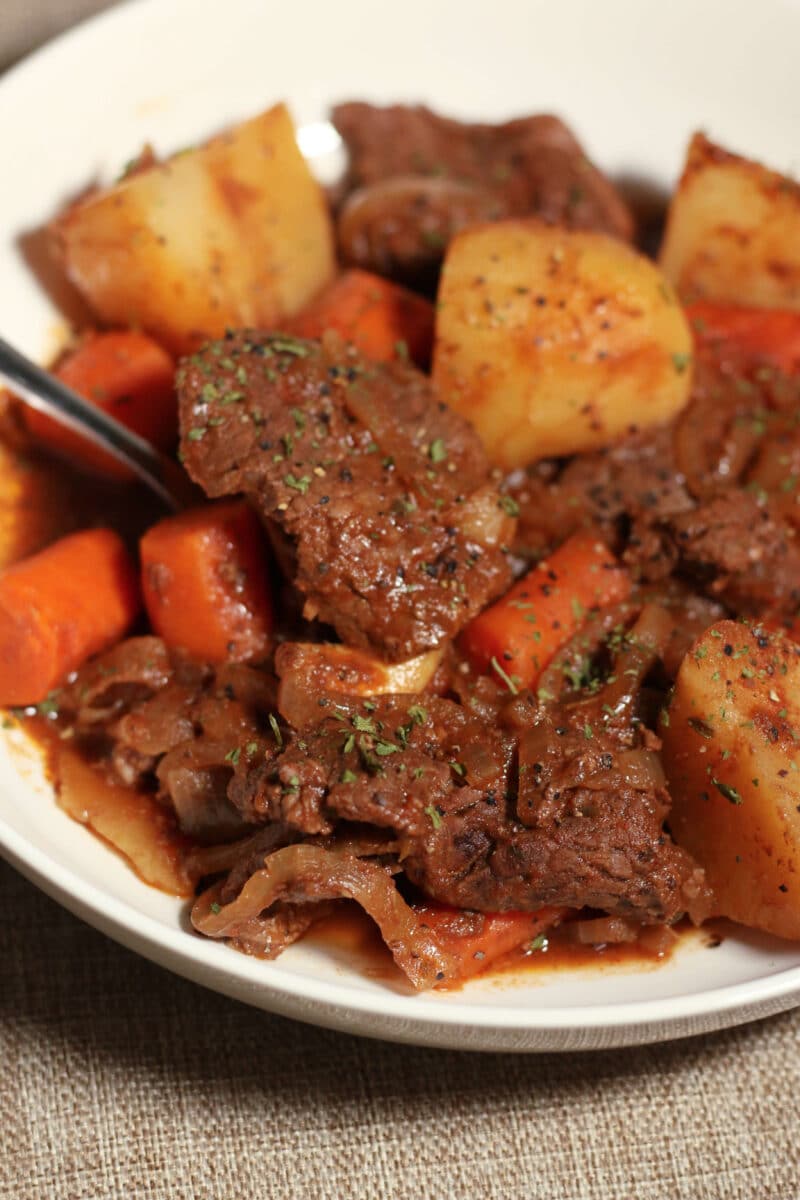
Nutritionally, the selection of lean round steak is significant. Unlike chuck roast, which contains higher amounts of intramuscular fat and connective tissue, round steak provides a high concentration of protein per gram with a lower caloric density. When combined with fiber-rich vegetables like carrots and Russet potatoes, the dish provides a comprehensive meal that supports satiety. The integration of beef broth, tomato paste, and Worcestershire sauce serves as the flavor foundation, utilizing the umami profile of these ingredients to compensate for the lack of excess fat.
Preparation Methodology: The Chronology of Efficiency
The efficiency of the recipe relies on the scientific principles of slow cooking and pressure cooking. In a traditional slow cooker, the process is governed by the maintenance of a consistent temperature between 170°F and 200°F (77°C to 93°C). This extended duration allows for the gradual breakdown of myofibrillar proteins in the beef, resulting in a tender texture that would otherwise be difficult to achieve with lean cuts.
The standard preparation timeline is as follows:
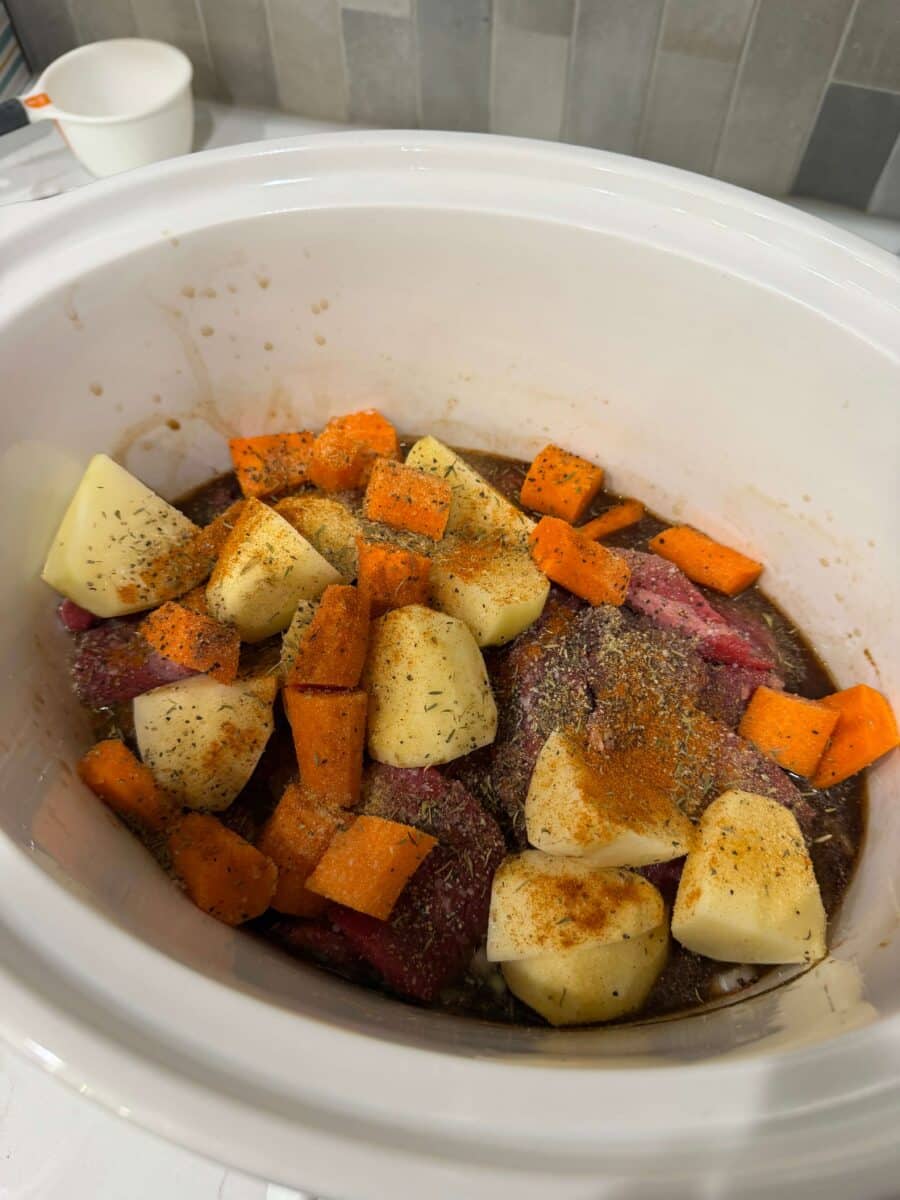
- Base Assembly: The liquid components—beef broth, tomato paste, and Worcestershire sauce—are combined with a bay leaf to establish a savory base.
- Solid Integration: Lean beef is cut into uniform two-inch cubes to ensure consistent heat penetration. These are added alongside sliced onions, garlic cloves, carrots, and cubed potatoes.
- Seasoning and Fats: A precise blend of salt, black pepper, dried thyme, paprika, and garlic powder is applied. Small portions of butter are distributed throughout the vessel to provide a mouthfeel and richness that compensates for the lean nature of the meat.
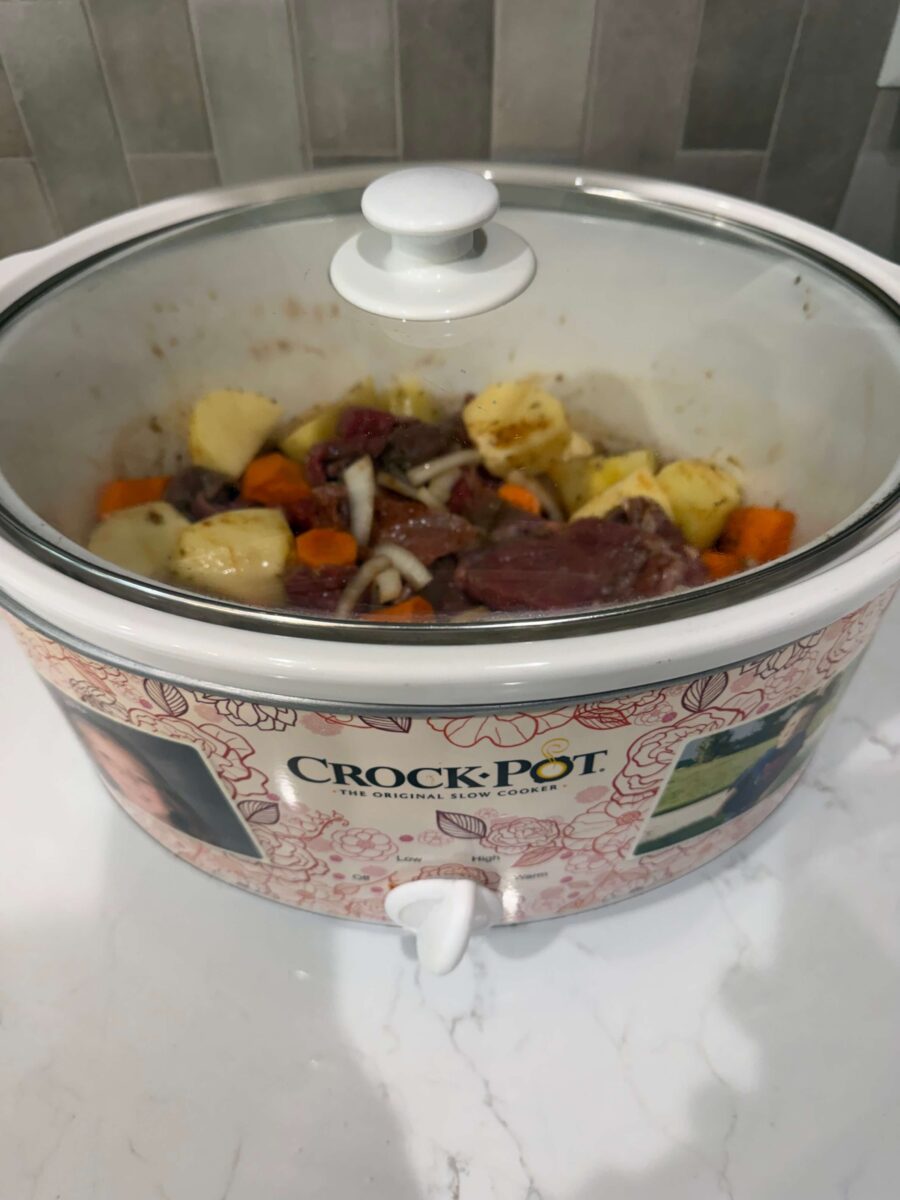
- Thermal Processing: Depending on the chosen appliance, the dish requires either four hours on a high-heat setting in a slow cooker or the equivalent cycle in a pressure cooker.
Economic and Practical Implications
The rise of such “dump-and-go” recipes reflects a broader shift in consumer behavior toward home-meal replacement strategies. Data from the home-cooking sector indicates that households are increasingly prioritizing meals that require fewer than fifteen minutes of active prep time. This trend is particularly prevalent among busy professionals and families with adolescents, who benefit from the safety and simplicity of appliance-based cooking.
From an economic perspective, the reliance on root vegetables and round steak makes this dish a cost-effective alternative to pre-packaged processed foods. Root vegetables have a longer shelf life compared to leafy greens, reducing household food waste—a metric that has become increasingly important as grocery inflation continues to influence consumer purchasing habits.
Appliance Versatility: The Instant Pot vs. The Slow Cooker
The adaptability of this recipe to both the Instant Pot and the traditional Crockpot highlights the evolution of kitchen technology. The Instant Pot, which functions as a multi-cooker, uses high pressure to decrease cooking times significantly, often resulting in a more rapid infusion of flavors. Conversely, the slow cooker remains the preferred tool for “set-and-forget” meal planning, allowing the beef to reach a state of tenderness that is often considered the gold standard for traditional comfort food.
Industry analysts suggest that the proliferation of these recipes is linked to the increased market penetration of multi-functional kitchen appliances. As these tools become standard fixtures in modern kitchens, the demand for content that optimizes their specific capabilities—such as the "slow" vs. "pressure" functionality—has grown exponentially.
Broader Nutritional and Social Impact
Beyond the immediate convenience, the Chunky Beef Casserole represents a wider movement toward "whole food" reliance. By allowing users to control the quality of the beef broth (which can be made low-sodium) and the freshness of the produce, the dish serves as a vehicle for better dietary health.
Public health experts often advocate for home-prepared meals over processed alternatives, noting that home cooking is strongly associated with higher intakes of fruits, vegetables, and lean proteins, and lower intakes of added sugars and sodium. The accessibility of the Chunky Beef Casserole—which does not require advanced culinary techniques like deglazing or emulsification—lowers the barrier to entry for novice cooks, potentially fostering better long-term eating habits.
Conclusion and Future Outlook
As the domestic landscape continues to evolve, the demand for efficient, high-quality, and nutrient-dense meals remains constant. The Chunky Beef Casserole serves as a prime example of how traditional culinary techniques can be adapted to fit the constraints of a fast-paced environment. By focusing on the synergy between lean proteins and complex carbohydrates, the dish provides a blueprint for sustainable, long-term home meal preparation.
Looking forward, it is anticipated that the popularity of such recipes will continue to rise as kitchen technology becomes more integrated with smart-home features, allowing for even greater control over the cooking process. For the average consumer, the focus remains clear: achieving a balance of flavor, nutrition, and time efficiency, all within the confines of a single cooking vessel.
