

The Evolution of Seasonal Home Cooking
The arrival of September traditionally signals a psychological and practical shift in the North American domestic sphere. Culinary historians have long noted that as temperatures begin to moderate, consumer behavior shifts away from quick-grill items toward hearty, starch-heavy comfort foods. This transition is not merely a matter of taste preference but is deeply rooted in the agricultural harvest cycles of the Northern Hemisphere, where the peak availability of late-season root vegetables aligns with the increased demand for caloric density as daylight hours wane.

The farmhouse potato, a classic staple of rustic cuisine, has historically required significant labor—including peeling, boiling, draining, and mashing. The modern "Farmhouse Potato" iteration, however, strips away these labor-intensive steps. By utilizing the Crockpot (slow cooker) as a primary cooking vessel, home cooks are effectively bypassing the traditional stovetop process, reflecting a broader societal trend of optimizing kitchen efficiency without sacrificing the aesthetic or gustatory qualities of traditional comfort food.
Technical Composition and Preparation Methodology
The scientific appeal of this specific recipe lies in its controlled environment. Unlike boiling, which can lead to starch leaching and structural breakdown of the potato, slow cooking in a sealed environment with broth allows the russet potato to retain its structural integrity while absorbing the savory notes of the cooking liquid.
The six-ingredient profile consists of:

- Russet Potatoes: Chosen for their high starch content, which provides the necessary "pillowy" texture.
- Chicken Broth: Serves as the hydrating medium that facilitates steam cooking.
- Yellow Onion: Provides an aromatic base that deepens the flavor profile over the 4-hour cooking duration.
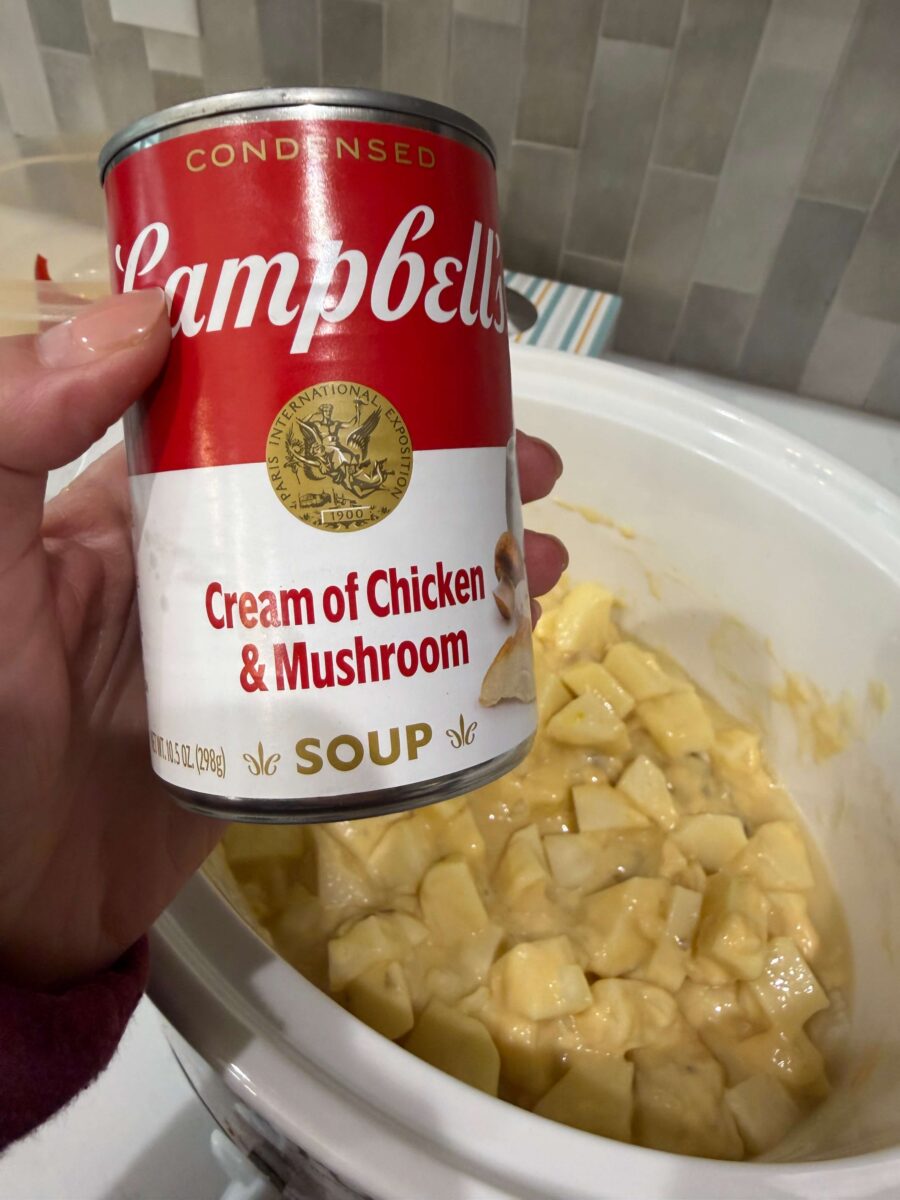
- Cream of Chicken & Mushroom Soup: Acts as a thickening agent and flavor stabilizer, providing the signature creamy mouthfeel.
- Garlic Powder: A shelf-stable, concentrated seasoning that ensures even distribution of flavor.
- Sour Cream: Added post-cooking to introduce acidity and creaminess, which balances the heaviness of the starch.
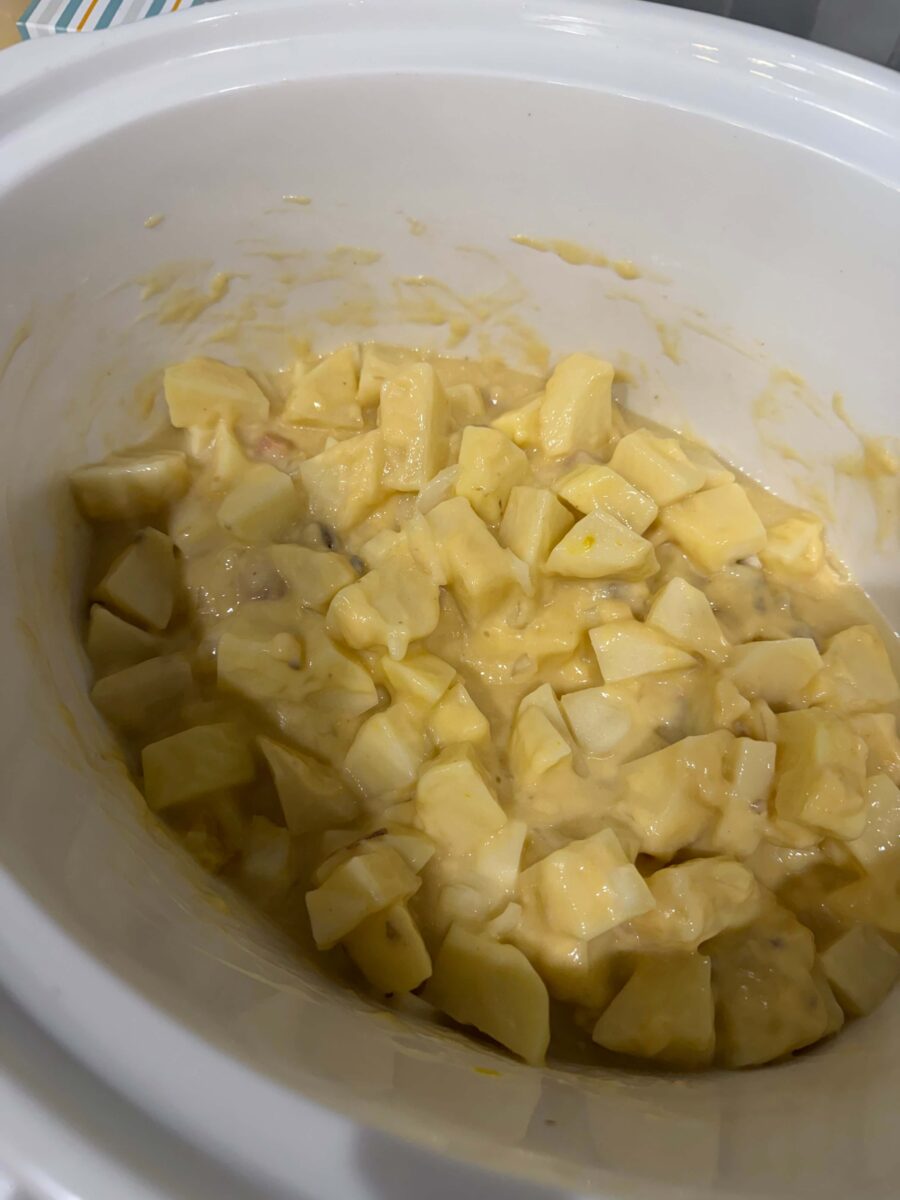
The chronological execution of this dish is streamlined for maximum utility. The initial phase involves the combination of the broth, cubed potatoes, diced onions, condensed soup, and garlic powder. Once the slow cooker is engaged, the thermal energy acts to break down the cellular walls of the potatoes in a moist, consistent heat environment. The final phase involves the manual incorporation of sour cream, which must be added at the end of the cycle to prevent curdling, a common technical error in slow-cooker dairy applications.

Culinary Data and Nutritional Context
While this dish serves primarily as a comfort food, it occupies a specific niche in the home-cooking market. Nutritional analysts note that the use of Russet potatoes provides a significant source of potassium and Vitamin C, though the inclusion of condensed soups and sour cream increases the sodium and saturated fat content.

Market data from the last decade suggests that recipes emphasizing "6 ingredients or less" have seen a 30% increase in engagement across digital culinary platforms. This trend is largely attributed to the "convenience economy," where home cooks are increasingly seeking recipes that require minimal active time—defined as the time spent physically handling ingredients—rather than total time to completion.

Broader Implications for Modern Households
The adoption of such recipes reflects a changing demographic of home cooks who prioritize time-management strategies. The "set-it-and-forget-it" nature of the slow cooker has evolved from a niche kitchen appliance to a cornerstone of the modern household. According to a recent industry report, slow-cooker sales remain robust despite the rising popularity of multi-cookers and air fryers, largely because they remain the most effective tool for "passive" cooking.

Experts in the field of domestic science argue that the psychological comfort associated with farmhouse-style cooking is essential for family cohesion during the transition to autumn. The "September Farmhouse" nomenclature serves as a branding mechanism, anchoring the dish to a specific time of year and creating a nostalgic connection to traditional agrarian lifestyles, even when the cooking method is decidedly modern and automated.

Customization and Dietary Flexibility
The versatility of the base recipe allows for significant individual modification, which contributes to its continued popularity. Culinary professionals often suggest the following adaptations to suit diverse dietary requirements or flavor preferences:

- Protein Integration: The addition of cooked, crumbled bacon or diced ham transforms the dish from a side to a standalone entrée.
- Vegetable Inclusions: Incorporating chives, green onions, or even blanched kale can elevate the nutrient profile.
- Seasoning Variations: Ranch seasoning, a common staple in North American pantries, is frequently cited as a preferred substitute for standard salt and pepper, providing an herbal, tangy finish that complements the creaminess of the dish.
- Cheese Integration: The addition of sharp cheddar or smoked gouda during the final thirty minutes of cooking creates a "gratinated" texture that appeals to broader demographics.
Conclusion and Future Outlook
As we look toward the final quarter of the year, the reliance on efficient, reliable, and comforting recipes like these potatoes is expected to persist. The integration of high-starch vegetables with creamy, savory sauces in an automated appliance represents the intersection of tradition and modern necessity. While the ingredients are simple, the result satisfies a complex set of demands: it is cost-effective, time-efficient, and culturally resonant with the autumn season.

For the average consumer, the ability to produce a meal that mimics the time-intensive preparations of the past without the associated labor cost is the hallmark of modern culinary success. As digital platforms continue to aggregate and filter these types of recipes, it is likely that the "6-ingredient" framework will remain a standard for home cooks seeking to balance the demands of a modern schedule with the desire for traditional, comforting, and high-quality home-cooked meals. Future developments in this space will likely focus on even lower-sodium, plant-based, or gluten-free variations, ensuring that the "farmhouse" experience remains accessible to an ever-widening spectrum of dietary requirements.
