
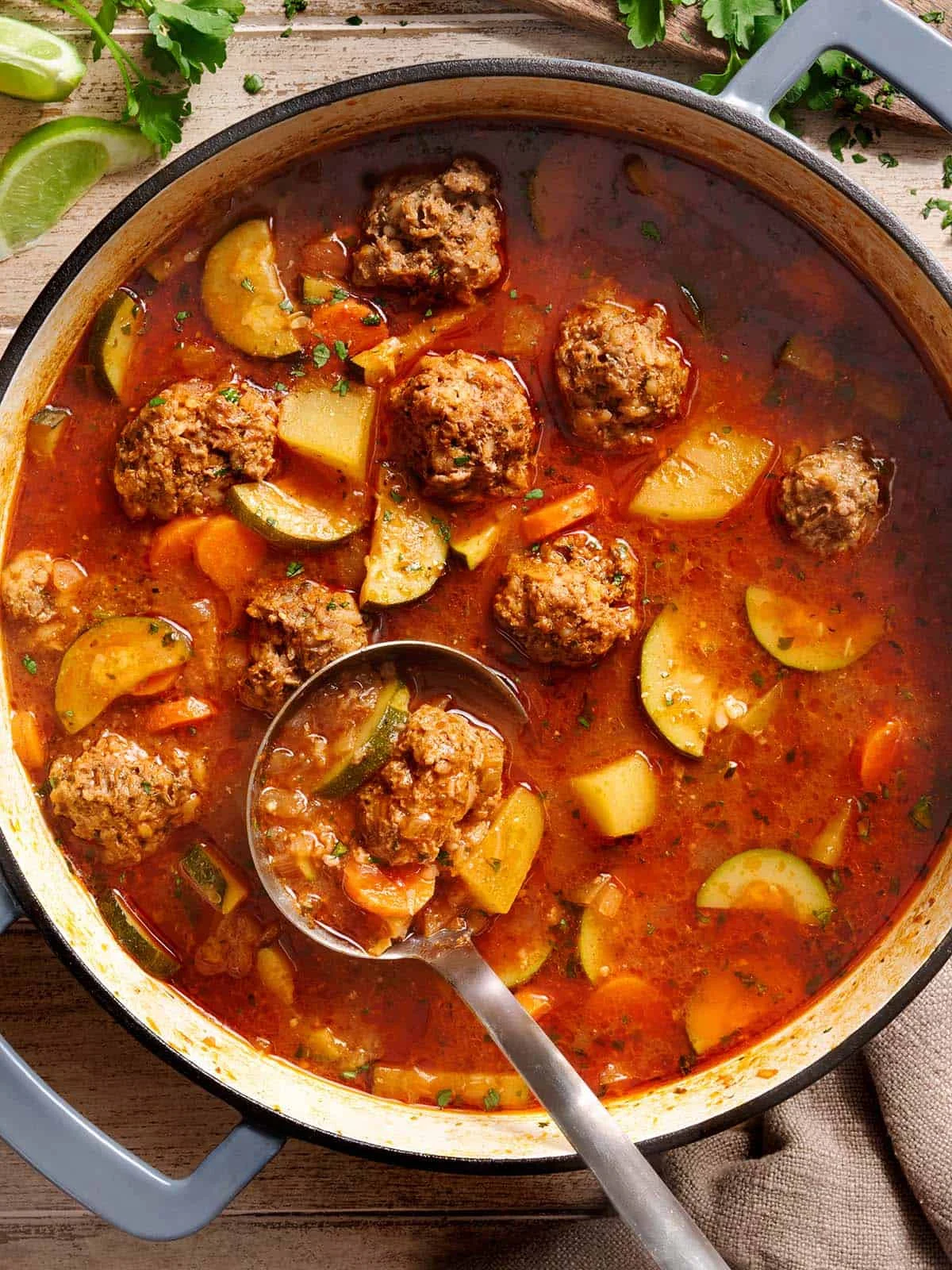
The global landscape of comfort food often finds its most enduring expressions in simple, one-pot meals that leverage local ingredients to create complex flavor profiles. Among these, Mexican meatball soup, or albóndigas soup, stands as a hallmark of domestic culinary tradition. By combining ground proteins with aromatic herbs and fresh vegetables, this dish serves as a case study in the evolution of regional cuisine, tracing its roots from the Iberian Peninsula to the modern kitchens of North America.
The Historical Genesis of Albóndigas
The term "albóndiga" is derived from the Arabic word "al-bunduq," meaning hazelnut or, by extension, a small round object. During the centuries of Moorish presence in Spain, the technique of grinding meat and binding it into small spheres was integrated into the local diet. When Spanish colonizers introduced these culinary methods to the Americas, they encountered a wealth of indigenous ingredients—most notably tomatoes, chiles, and diverse squashes—that transformed the original Mediterranean recipe.
In Mexico, the dish underwent a process of localization. The traditional heavy reliance on spices common in European kitchens was supplemented with fresh cilantro, cumin, and the ubiquitous tomato-based broth that defines modern Mexican soups. Unlike many European meatball variations that utilize breadcrumbs as a filler, traditional Mexican recipes frequently favor uncooked rice. This functional substitution serves a dual purpose: it acts as a binder for the meat while absorbing the seasoned broth during the simmering process, resulting in a unique texture and flavor profile.
The Culinary Architecture of the Dish
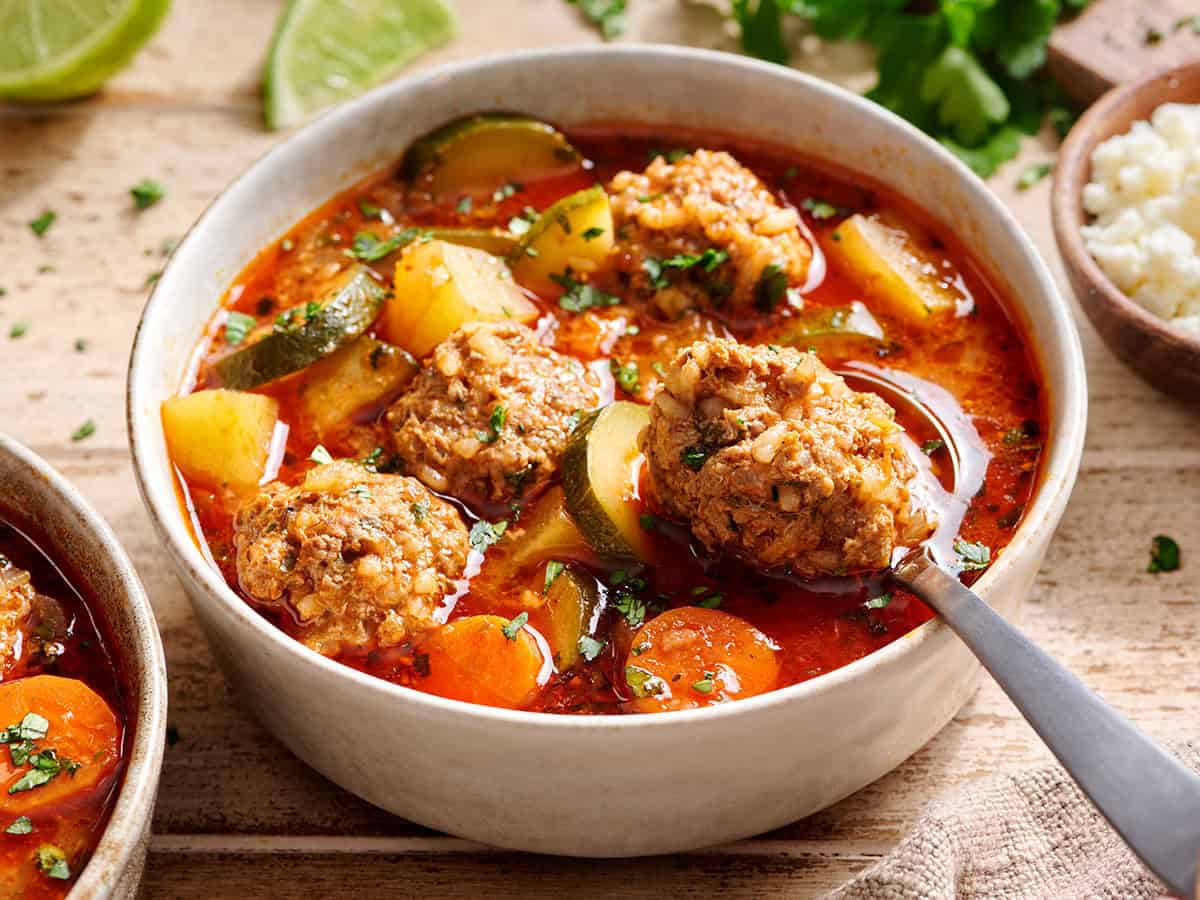
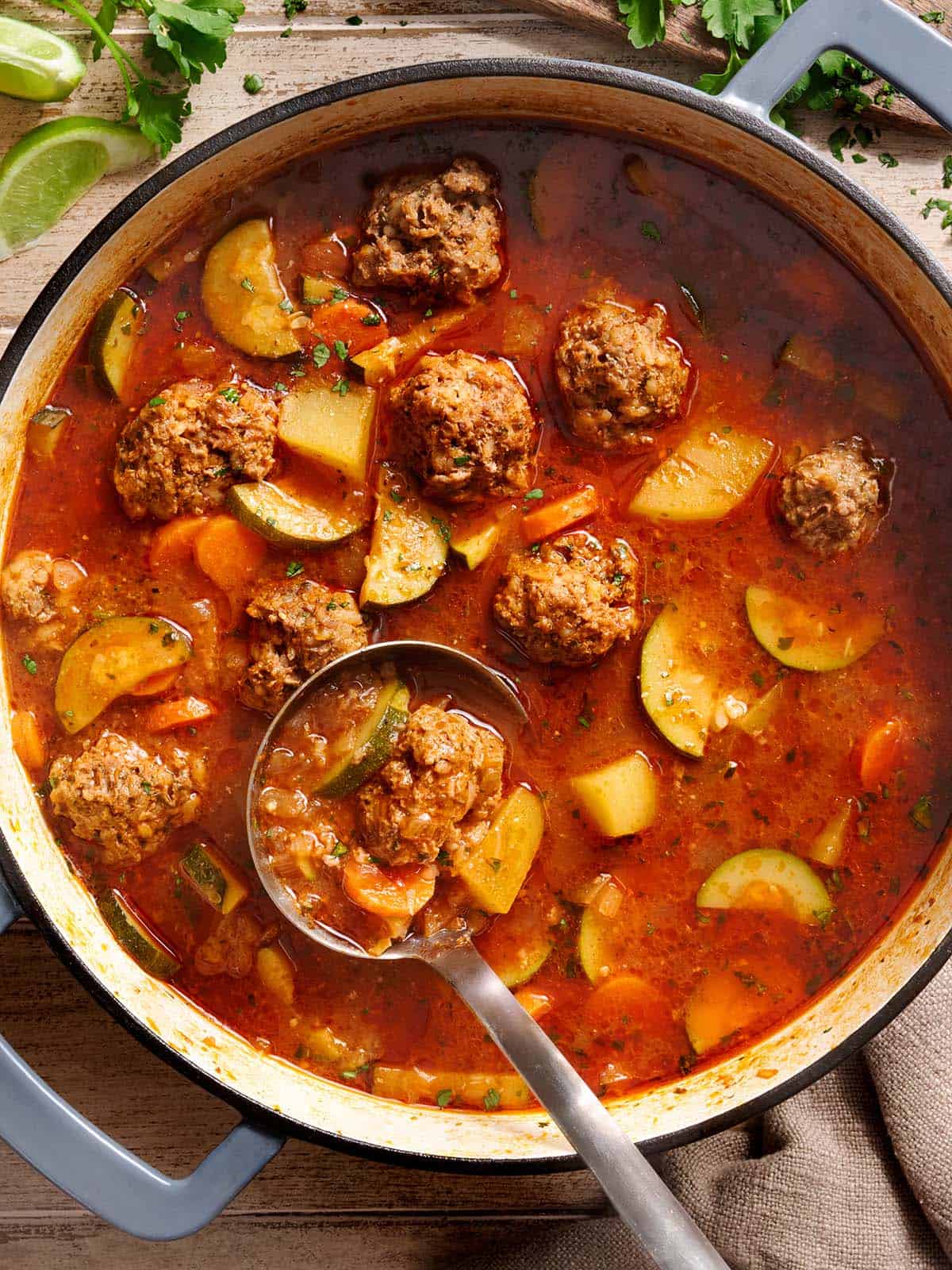
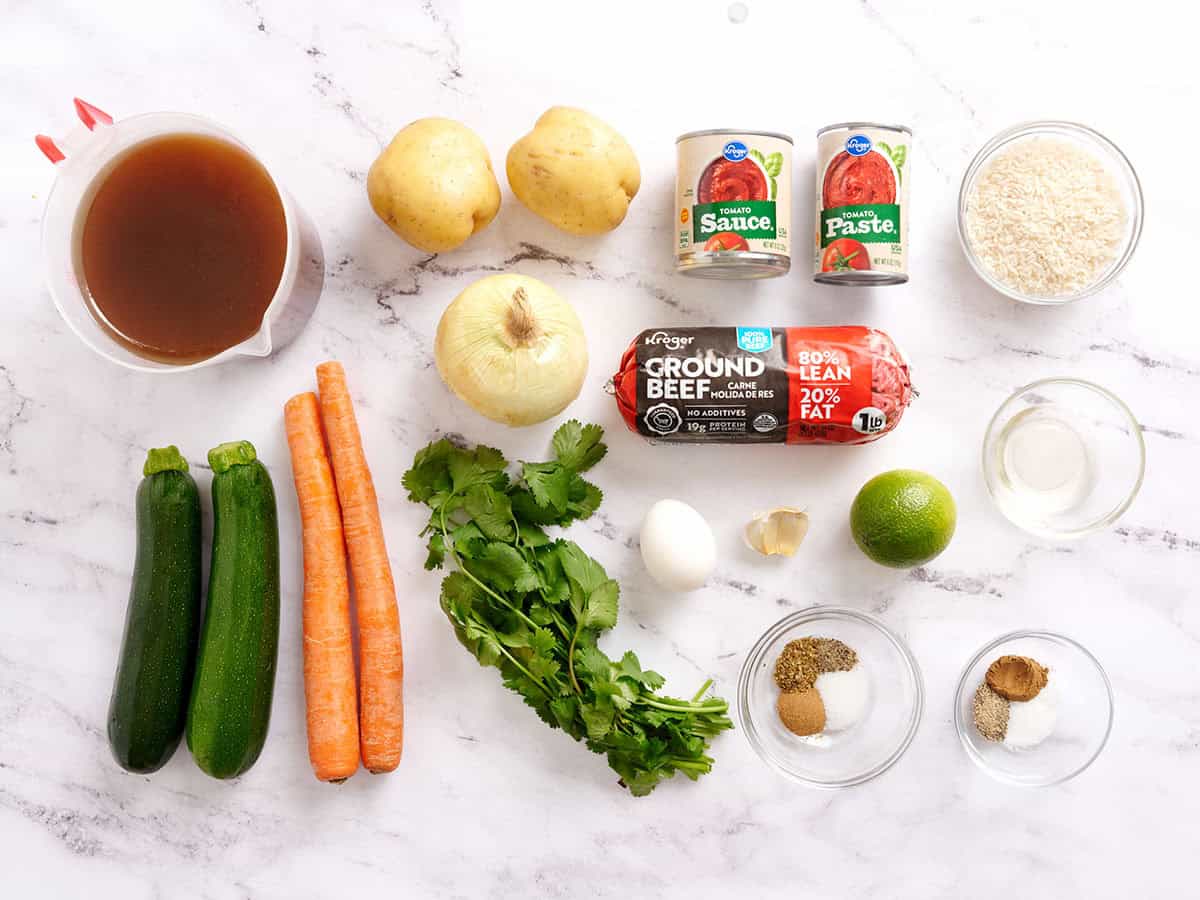
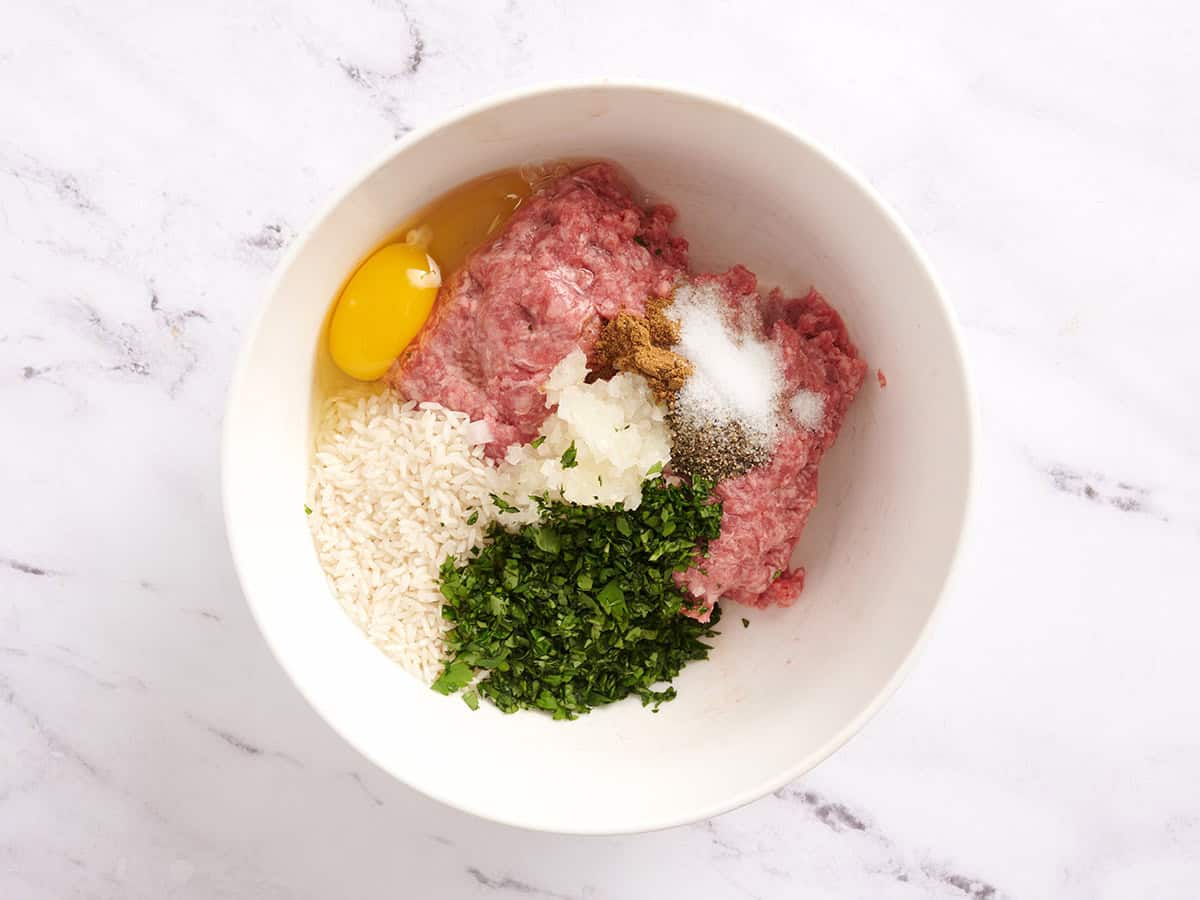
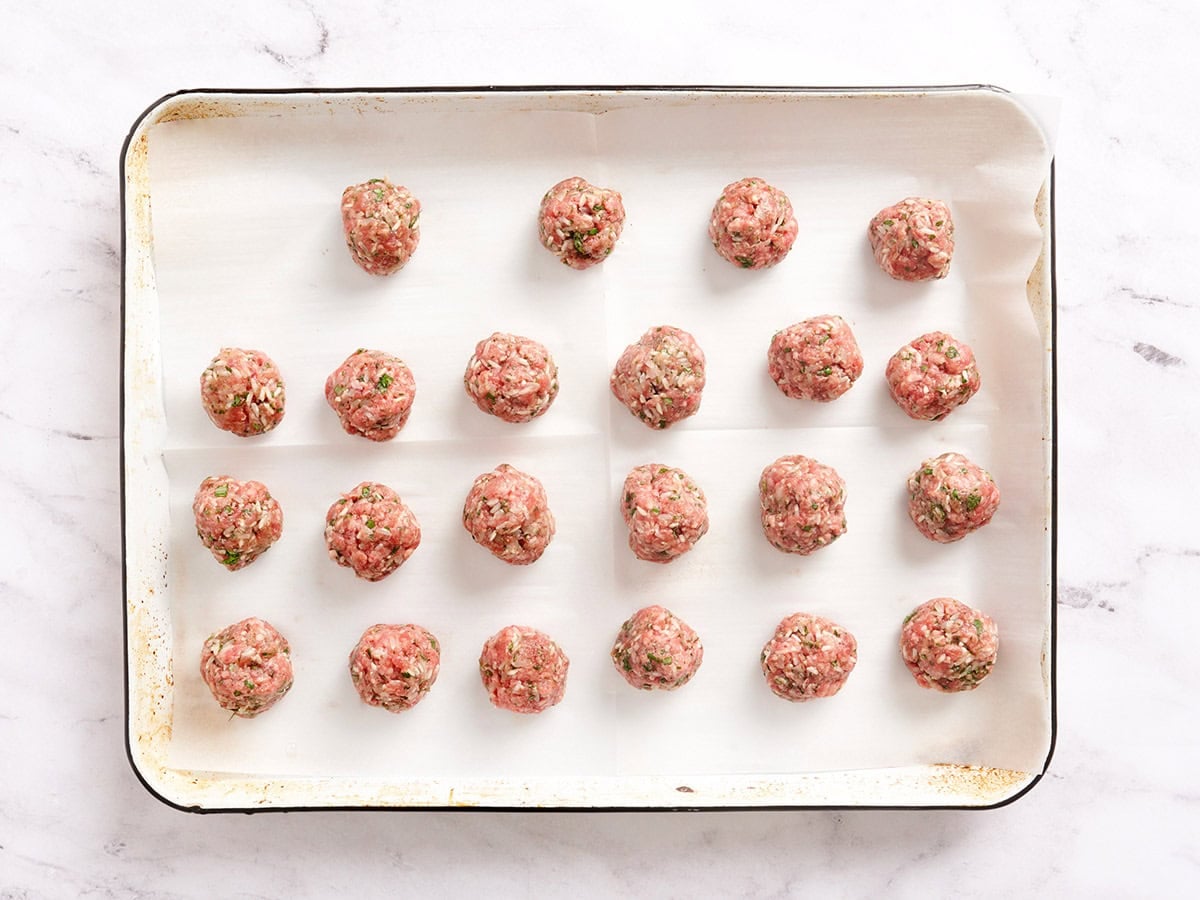
A rigorous analysis of the components involved in crafting authentic albóndigas soup reveals a focus on balance. The process begins with the preparation of the meatball, typically utilizing a mixture of ground beef, fresh aromatics, and raw white rice. The decision to use uncooked rice is significant; as the meatballs simmer, the rice hydrates and expands within the beef, creating a light, airy structure that differs markedly from the dense composition of Italian or Swedish-style meatballs.
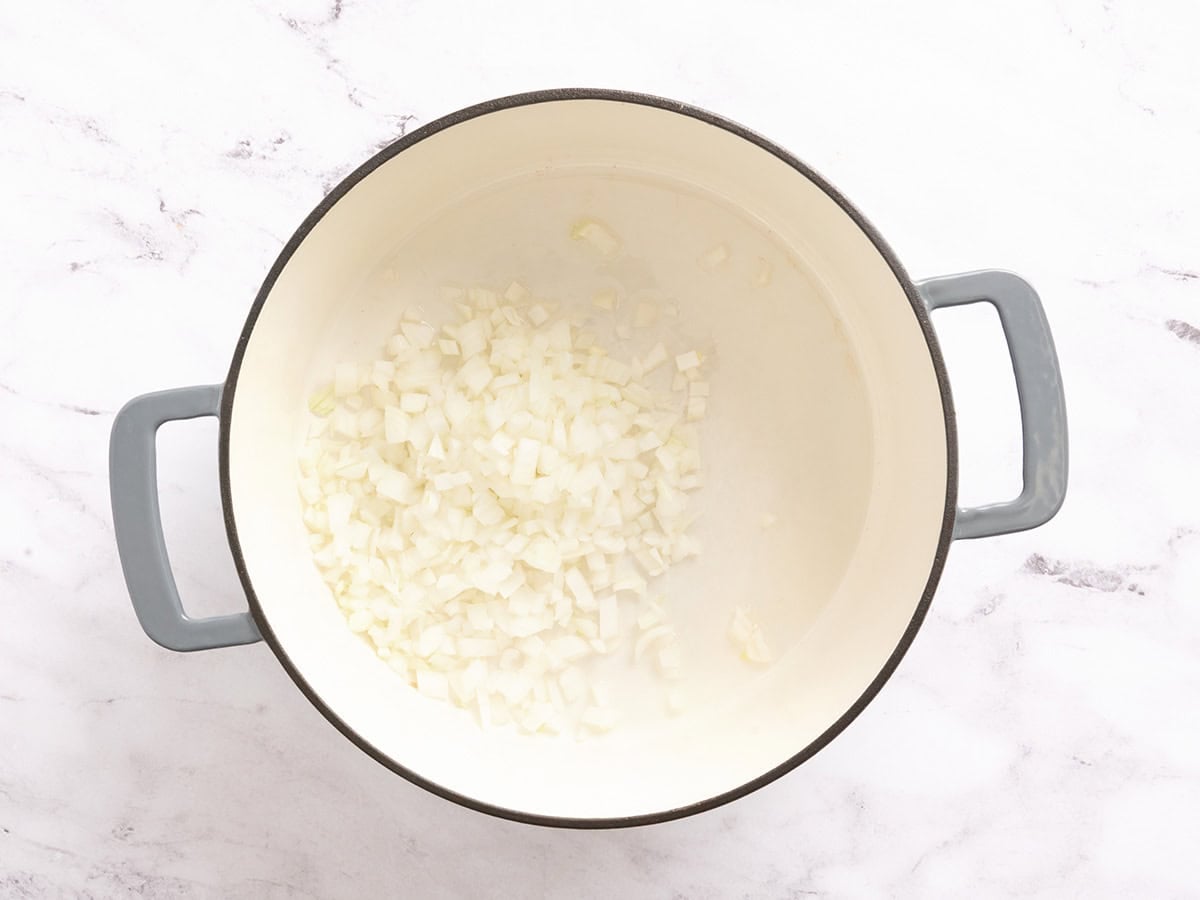
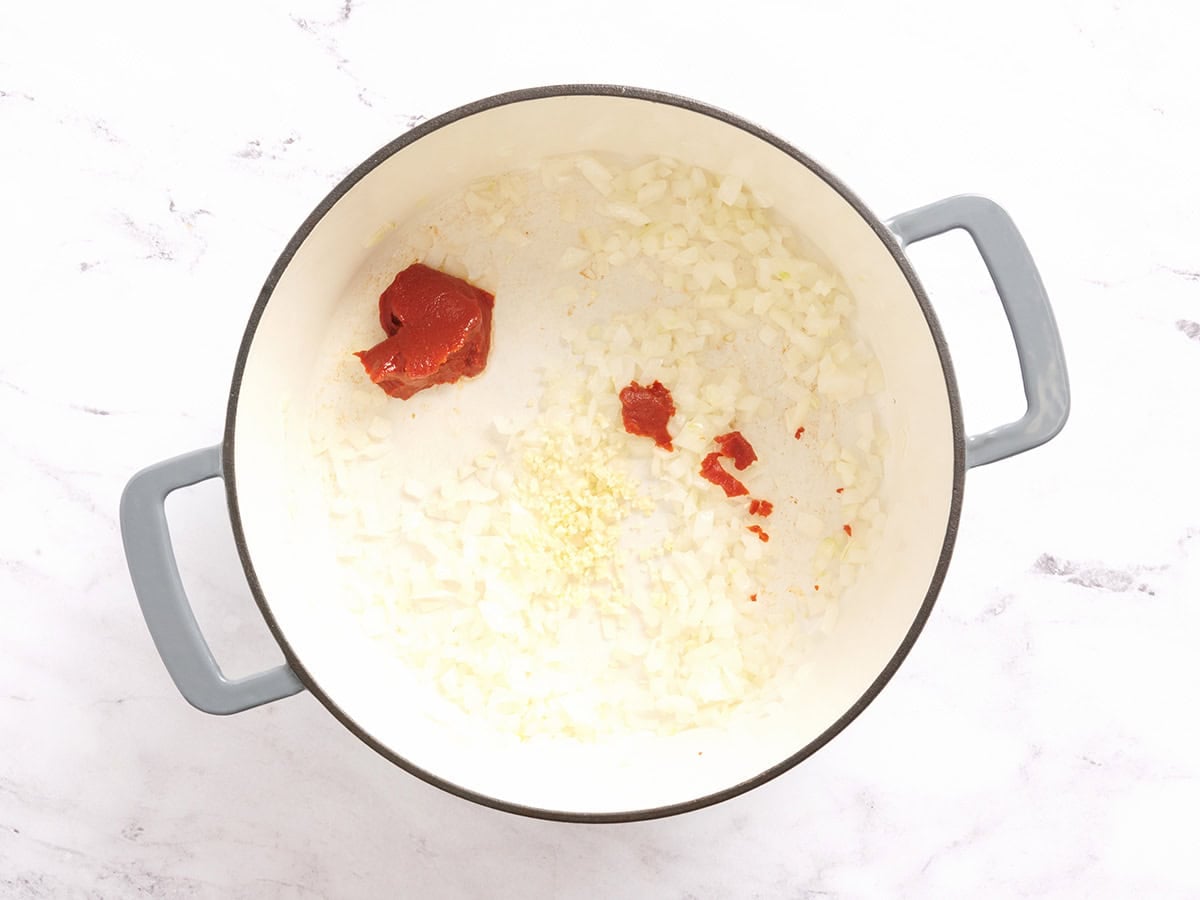
The broth serves as the secondary, yet equally critical, pillar of the dish. A base of sautéed onions and garlic, bolstered by tomato paste or fresh pureed tomatoes, provides a foundational acidity. The addition of beef stock creates a savory depth, while root vegetables like potatoes and carrots introduce structural integrity and starch. The final inclusion of zucchini—which requires a shorter cooking time—ensures that the soup maintains a vibrant, fresh texture.
Nutritional Data and Dietary Implications
From a nutritional standpoint, albóndigas soup offers a balanced profile of macronutrients. A standard serving of approximately two cups contains roughly 390 kilocalories, providing a significant protein intake (approximately 21 grams) that is essential for satiety. The inclusion of complex carbohydrates via the rice and root vegetables, coupled with the fiber content from carrots and zucchini, positions this soup as a nutritionally dense meal.
The sodium content, often a point of concern in traditional soup preparation, can be moderated by utilizing homemade stocks or low-sodium bases. Culinary experts note that the dish is inherently gluten-free, provided that the rice remains the sole binding agent and no wheat-based thickeners are introduced. This inherent dietary compatibility makes the soup an accessible option for those managing celiac disease or non-celiac gluten sensitivity without requiring specialized, costly ingredients.
Economic Efficiency in Modern Kitchens
In the current economic climate, where food inflation has become a primary concern for households, the appeal of "budget-friendly" meals has intensified. Data from test kitchens suggests that the cost per serving for a batch of albóndigas can be as low as $2.13, depending on the sourcing of ingredients. This affordability is driven by the use of economical cuts of beef and the reliance on shelf-stable pantry staples like rice and canned tomato products.
The scalability of the recipe is another factor contributing to its prevalence in meal-prep culture. Because the broth deepens in flavor as the ingredients settle—a phenomenon caused by the continued infusion of herbs and the starch release from the rice—the dish is widely considered a superior "next-day" meal. This longevity reduces food waste and provides a time-saving solution for working professionals, aligning with contemporary trends in sustainable domestic management.
Technical Considerations for Preparation
For home cooks and professional chefs alike, the preparation of albóndigas requires adherence to specific technical protocols to ensure the integrity of the meatballs. One critical phase is the "setting" period. Once the meatballs are introduced to the simmering liquid, it is advised to avoid agitation for at least five minutes. This allows the proteins to coagulate and the rice to begin its structural transformation, preventing the meatballs from disintegrating into the broth.
Furthermore, the balance of acidity is paramount. Professional kitchens emphasize the importance of finishing the dish with fresh lime juice. The addition of citric acid at the final stage of cooking cuts through the richness of the beef fat and highlights the aromatic notes of the cilantro and cumin. This final adjustment is often the difference between a one-dimensional soup and a complex, layered culinary experience.
Broader Impact and Global Adaptation
The endurance of albóndigas soup in the global food canon demonstrates the power of culinary migration. As the dish has traveled across borders, it has remained remarkably resilient to total homogenization. While some variations may incorporate regional herbs or different types of meat—such as pork or turkey—the core identity of the dish remains tied to the interaction between the rice-bound meatball and the tomato-based broth.
The dish’s adaptability has also allowed it to thrive in diverse settings, from small-scale local bodegas to high-end restaurants focusing on heritage cuisine. This versatility is not merely a matter of taste; it is a matter of accessibility. By relying on ingredients that are widely available and relatively inexpensive, the soup remains a "people’s food," bridging the gap between cultural heritage and modern nutritional requirements.
Future Projections for Traditional Soups
As the food industry moves toward a greater emphasis on "whole food" preparations and transparent sourcing, traditional dishes like albóndigas are likely to see a resurgence in popularity. The focus on scratch-made stocks, fresh vegetables, and minimal processing aligns with current consumer trends toward cleaner eating.
Furthermore, the rise of "slow cooking" and the renewed interest in domestic culinary education suggest that recipes emphasizing traditional techniques will continue to hold value. The ability to manipulate heat and time to transform simple components into a cohesive, comforting meal remains a fundamental skill in the culinary arts. Whether through the lens of history, economics, or pure gastronomic enjoyment, Mexican meatball soup stands as a testament to the enduring nature of simple, well-executed food.
In summary, the recipe for albóndigas is more than a set of instructions; it is a repository of history and a model for efficient, nutritious, and affordable home cooking. As it continues to evolve in kitchens around the world, its fundamental reliance on the harmony between meat, grain, and broth ensures that it will remain a cornerstone of comfort food for generations to come. Through careful preparation and a focus on high-quality, simple ingredients, home cooks can replicate the depth of flavor found in professional test kitchens, proving that complex, satisfying results are attainable with the most modest of resources.
