

In an era of rising food costs and an increased consumer focus on nutritional efficiency, the preparation of home-cooked, budget-friendly meals has transitioned from a domestic chore to a strategic household management practice. Among the most enduring staples in the culinary landscape is the classic ham and lentil soup—a dish that balances low-cost ingredient sourcing with high-protein output. Recent culinary data suggests that simple, legume-based soups remain one of the most effective ways to maximize a grocery budget while maintaining a balanced diet.

The Economic and Nutritional Profile of Lentils
Lentils (Lens culinaris) have been a cornerstone of human nutrition for millennia, primarily due to their long shelf life, ease of preparation, and impressive macronutrient profile. From an economic perspective, dry lentils are consistently ranked among the most affordable sources of plant-based protein.
According to recent food cost analyses, a standard 16-ounce package of dry lentils can provide enough base for several large-format meals, often bringing the cost per serving well under $1.50. This specific recipe for ham and lentil soup, developed and tested within professional culinary environments, demonstrates how a total ingredient cost of approximately $7.76 can yield six hearty servings, resulting in a per-serving cost of roughly $1.29. Beyond the financial efficiency, the nutritional value is substantial: a single 1.33-cup serving contains approximately 29 grams of protein and 16 grams of fiber, catering to health-conscious demographics who prioritize satiety and metabolic health.

Culinary Methodology: The Science of the Mirepoix
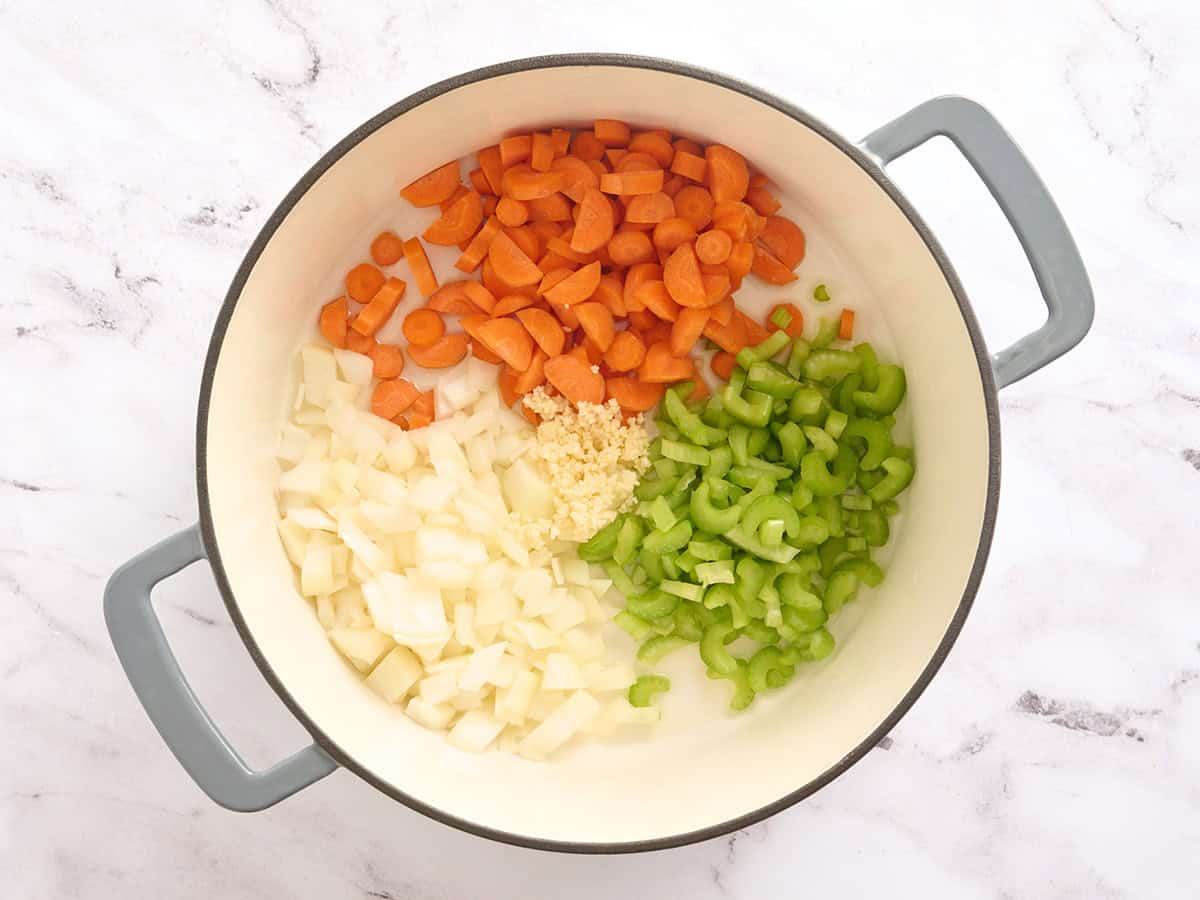
The foundation of this soup rests upon the traditional French mirepoix—a combination of onions, carrots, and celery. In professional kitchen environments, the sautéing of these aromatics serves a specific chemical purpose: the Maillard reaction. By cooking these vegetables in a fat source (such as vegetable oil) over medium heat until they reach a translucent state, the chef releases natural sugars and aromatic compounds that provide the structural flavor profile for the subsequent broth.
The inclusion of brown lentils, which are known for their ability to hold their shape during simmering, is a strategic choice. Unlike red lentils, which tend to break down into a puree, brown lentils offer a pleasant, firm texture. The integration of diced ham—either from a ham steak or leftovers—adds a layer of cured, savory complexity (umami) that complements the earthy tones of the legumes.

Procedural Chronology for Preparation
For the home cook, the preparation of this soup follows a systematic, 35-minute timeline, making it suitable for high-frequency weekday meal preparation. The process is categorized into three distinct phases:
- Aromatic Development (Minutes 0–8): The process begins by heating oil in a heavy-bottomed pot or Dutch oven. The mirepoix, supplemented by minced garlic, is sautéed to establish the base notes of the flavor profile.
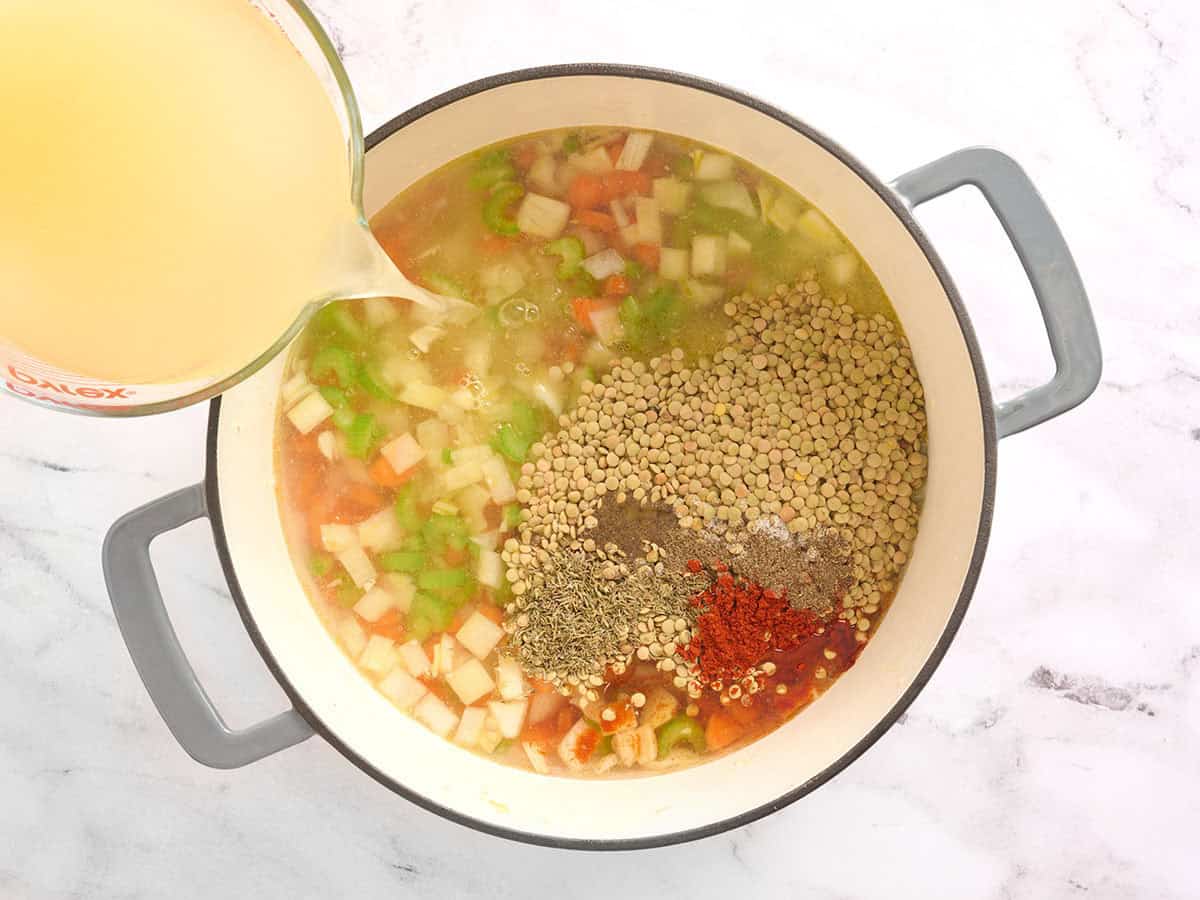
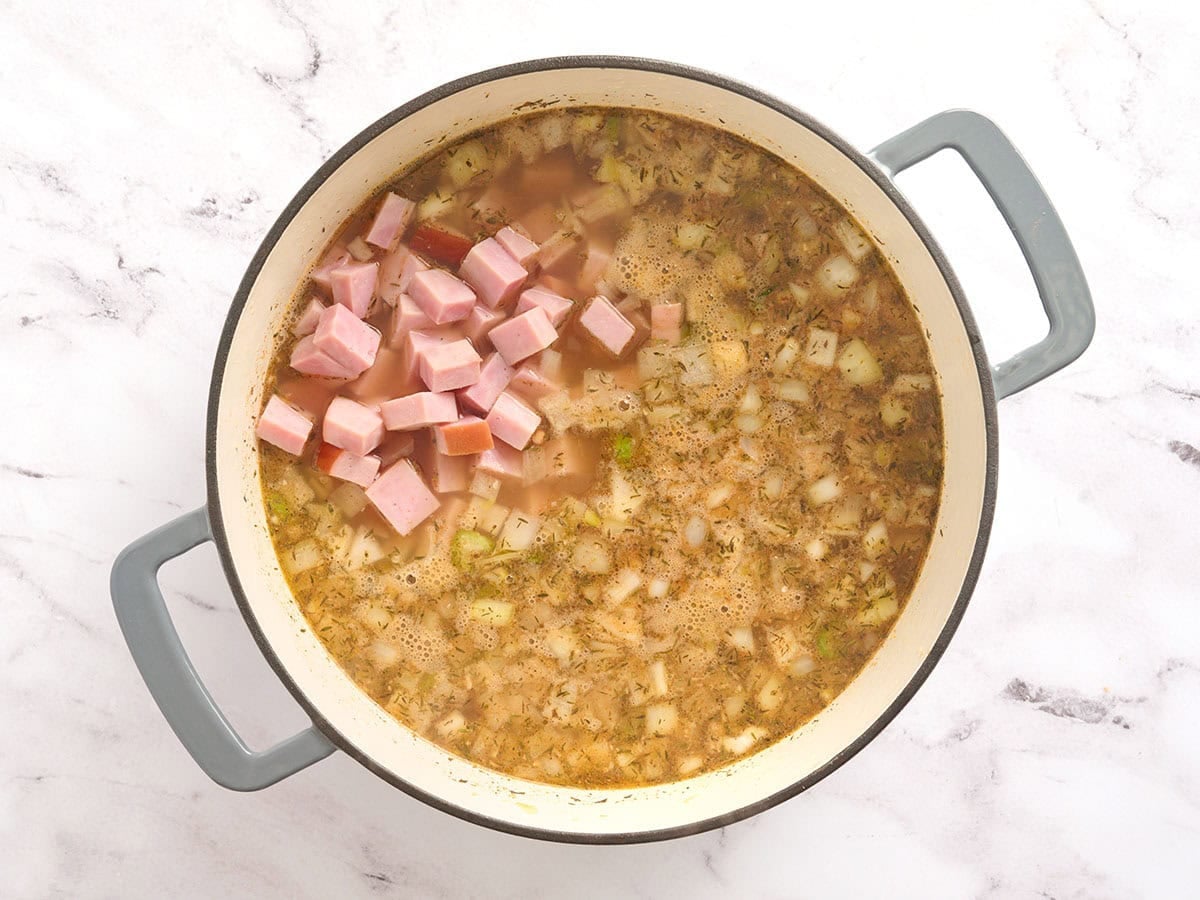
- Infusion and Hydration (Minutes 8–35): Once the aromatics are softened, dry, rinsed lentils are added alongside a combination of chicken broth and water. The seasoning stage—involving paprika for color and depth, and dried thyme for herbal resonance—is critical. The soup is then brought to a simmer, at which point the ham is introduced.
- Final Tempering (Minutes 30–35): The soup is cooked uncovered to allow for a slight reduction in liquid, which concentrates the flavors. A final verification of the lentil texture is performed; the goal is a tender, non-mushy consistency.
Versatility in Equipment: Stovetop vs. Automated Pressure Cooking
While the traditional stovetop method remains the industry standard for controlling the texture of the lentils, modern kitchen technology provides alternative pathways for efficiency.
- The Instant Pot (Pressure Cooking): The use of a pressure cooker can significantly reduce active monitoring time. When utilizing an Instant Pot, the sauté function can be used for the mirepoix, followed by a manual pressure cook setting for approximately 10 to 12 minutes, followed by a natural pressure release.
- The Slow Cooker: For those who prefer a "set and forget" approach, a slow cooker can be used on a low setting for 6 to 8 hours. This method is often favored for large-scale meal prep, as the extended duration allows for the full integration of the ham’s salt content into the broth.
Strategic Sourcing and Ingredient Selection
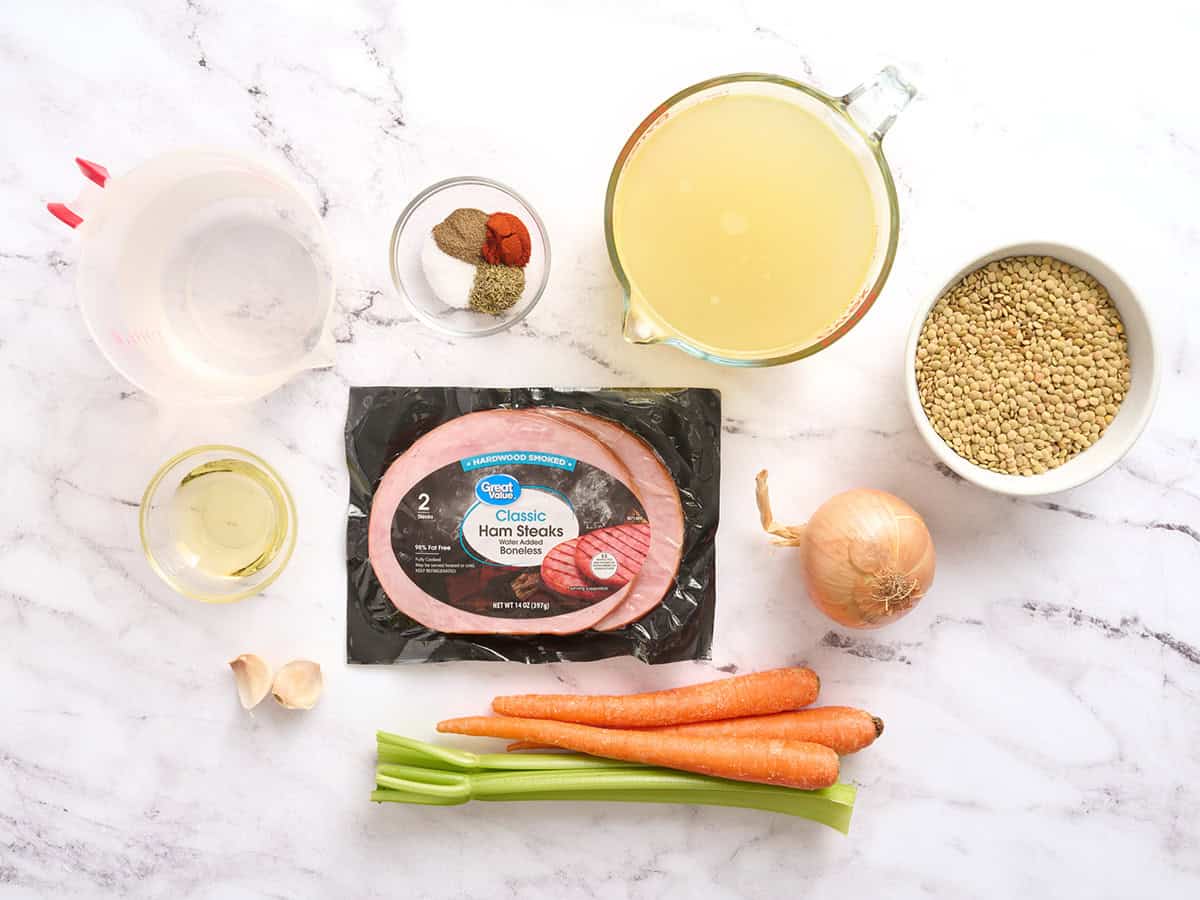
Professional recipe developers often emphasize the importance of "Better Than Bouillon" or similar concentrated stocks in maintaining cost efficiency. By using these bases instead of pre-packaged, shelf-stable liquid stocks, cooks can reduce waste and lower the per-recipe expenditure.
Regarding the protein component, ham steak is frequently cited as the most accessible and cost-effective choice. However, food safety and budget experts often suggest utilizing a "ham bone" or "ham shank" left over from holiday meals. This practice of "nose-to-tail" or "bone-to-broth" consumption not only lowers the unit cost of the meal to near-zero for the meat portion but also extracts collagen and marrow, which adds body and nutritional density to the broth.
Storage and Long-term Food Preservation
The chemical properties of lentil soup make it an ideal candidate for long-term storage. Because the proteins and starches in the lentils continue to absorb liquid even after the heat is removed, the soup will naturally thicken over time.
For optimal quality, the soup should be cooled rapidly and stored in airtight, food-grade containers. In a standard refrigerator, the soup maintains peak quality for 3 to 4 days. For long-term preservation, the dish is highly stable in a freezer environment, maintaining its structural integrity for up to three months. To maintain quality during the reheating process, it is recommended to add a small amount of water or additional broth to reconstitute the desired consistency.
Broader Impact: The Role of Legumes in Sustainable Diets
The advocacy for lentil-based dishes extends beyond personal finance into the realm of environmental sustainability. Legumes are nitrogen-fixing crops, meaning they improve soil health by converting atmospheric nitrogen into a form that plants can absorb, thereby reducing the need for synthetic fertilizers.
From a broader health policy perspective, promoting the consumption of high-fiber, high-protein legume dishes like ham and lentil soup aligns with current public health initiatives aiming to reduce the reliance on processed, high-sodium convenience foods. By providing clear, replicable, and cost-transparent recipes, the culinary community empowers households to make informed decisions that benefit both their finances and their long-term health outcomes.
Conclusion: A Staple for Modern Kitchens
The resurgence of interest in simple, hearty soups is a reflection of a wider societal shift toward pragmatic consumption. By leveraging the low cost of dried legumes and the savory depth of cured pork, the ham and lentil soup stands as a testament to the fact that high-quality, nutritious meals do not require expensive ingredients or extensive technical training. Whether prepared on a busy Tuesday evening or batched for a full week of labor-saving meals, this dish remains an essential tool in the repertoire of the modern, budget-conscious cook.
