
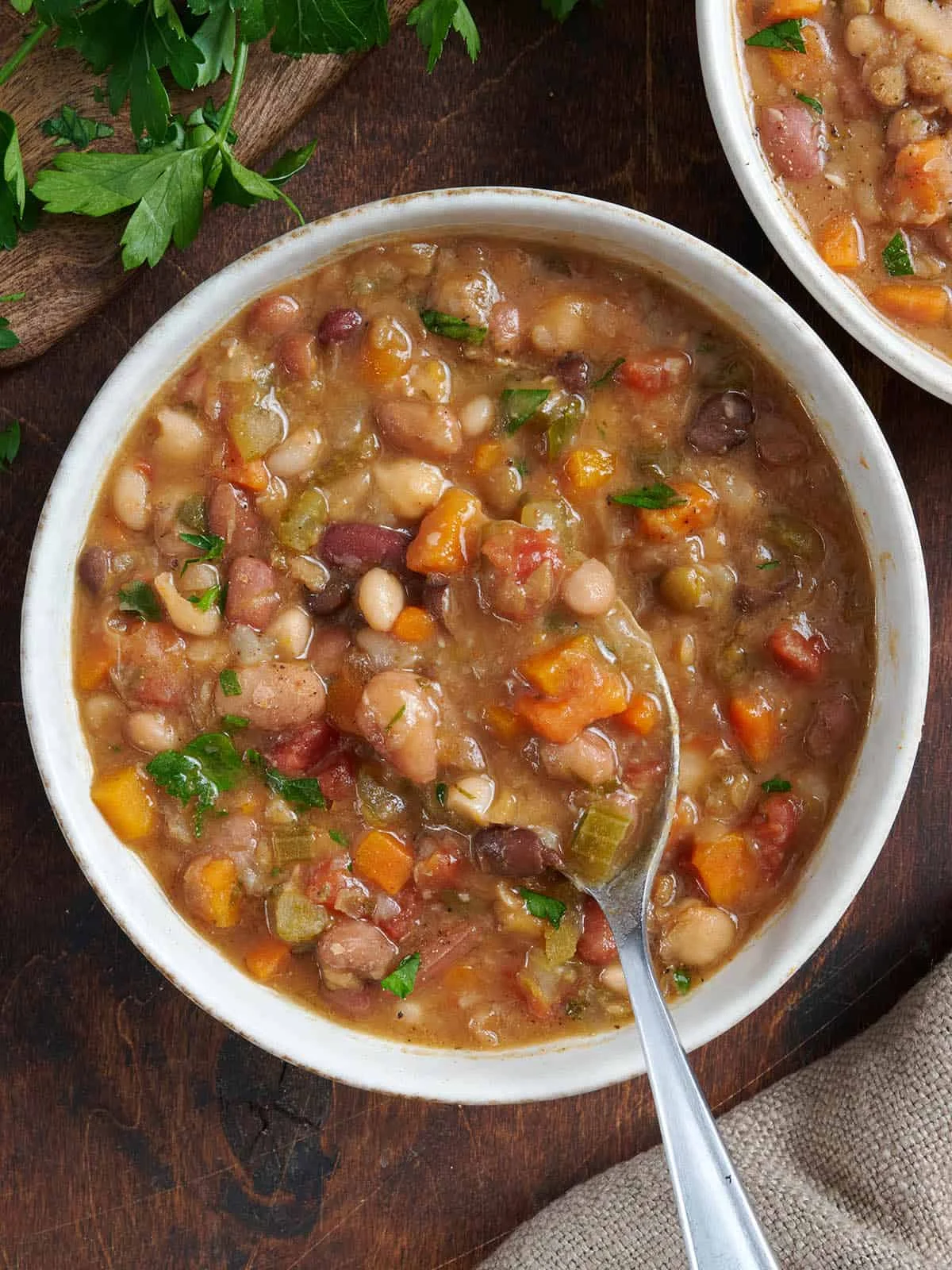
In an era of rising food costs and an increasing public focus on health-conscious, plant-based diets, the humble dried bean has transitioned from a relegated pantry staple to a focal point of sustainable nutrition. The 15 Bean Soup, a culinary preparation utilizing a diverse blend of legumes, serves as a case study for how simple, shelf-stable ingredients can be transformed into a high-protein, nutrient-dense meal that remains economically accessible. Recent nutritional data and market trends indicate that this dish, which typically costs less than $1.00 per serving, provides a viable solution for households seeking to maximize dietary fiber and plant-based protein while adhering to strict budget constraints.
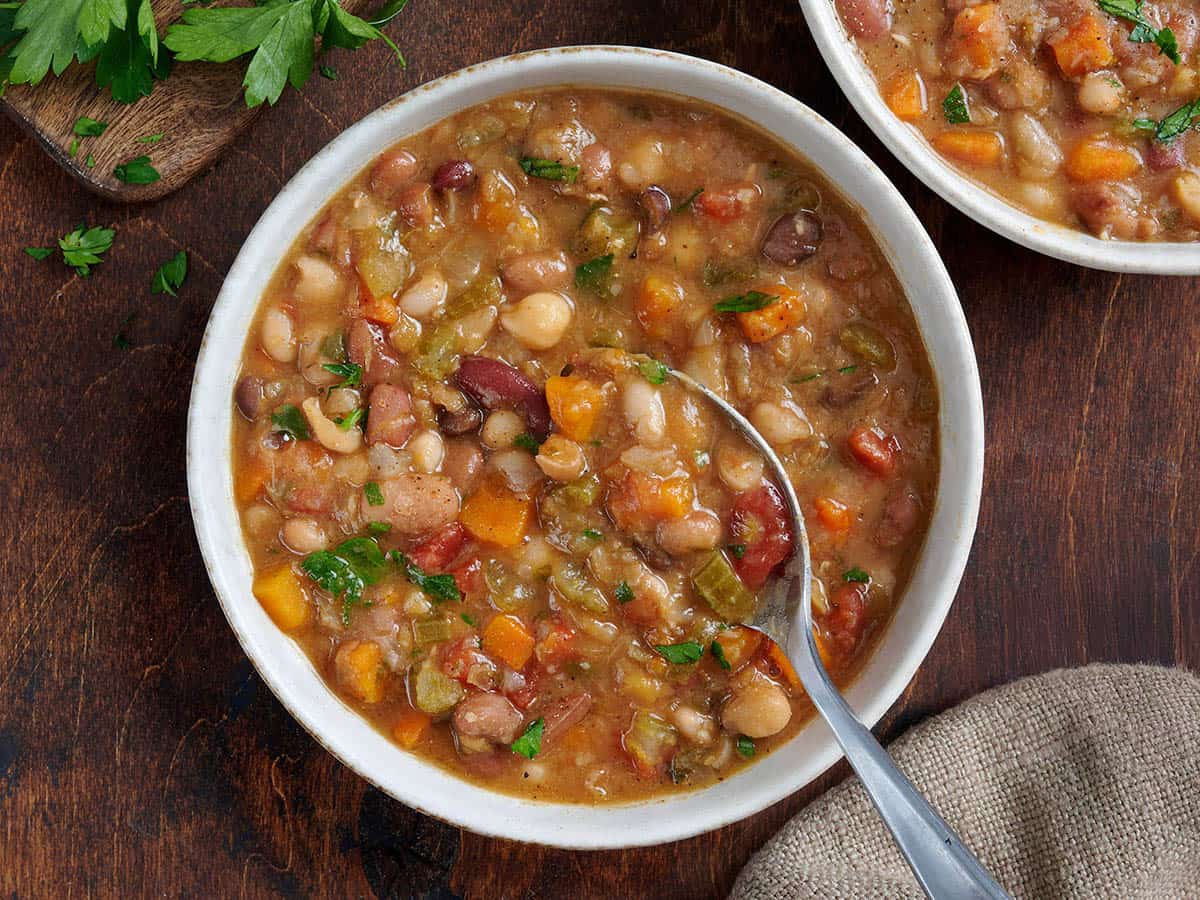
Historical and Nutritional Context of Legume-Based Diets
Legumes—a family of plants that includes beans, lentils, and peas—have been a cornerstone of human nutrition for millennia. Their popularity is largely attributed to their exceptional nutrient density. According to nutritional research, a single serving of a 15-bean blend can provide upwards of 16 grams of dietary fiber and 17 grams of protein. These components are critical for digestive health, blood sugar regulation, and cardiovascular maintenance.
Beyond their macronutrient profile, beans are a rich source of micronutrients, including folate, iron, magnesium, and potassium. The practice of mixing 15 distinct varieties is not merely aesthetic; it offers a broader spectrum of phytonutrients and antioxidants compared to consuming a single type of legume. Furthermore, dried beans possess a significant shelf life, often remaining viable for years when stored in cool, dry conditions. This stability reduces food waste, a major contributor to environmental impact, and provides a reliable food source for emergency preparedness and long-term meal planning.
The Economics of Home-Cooked Nutrition
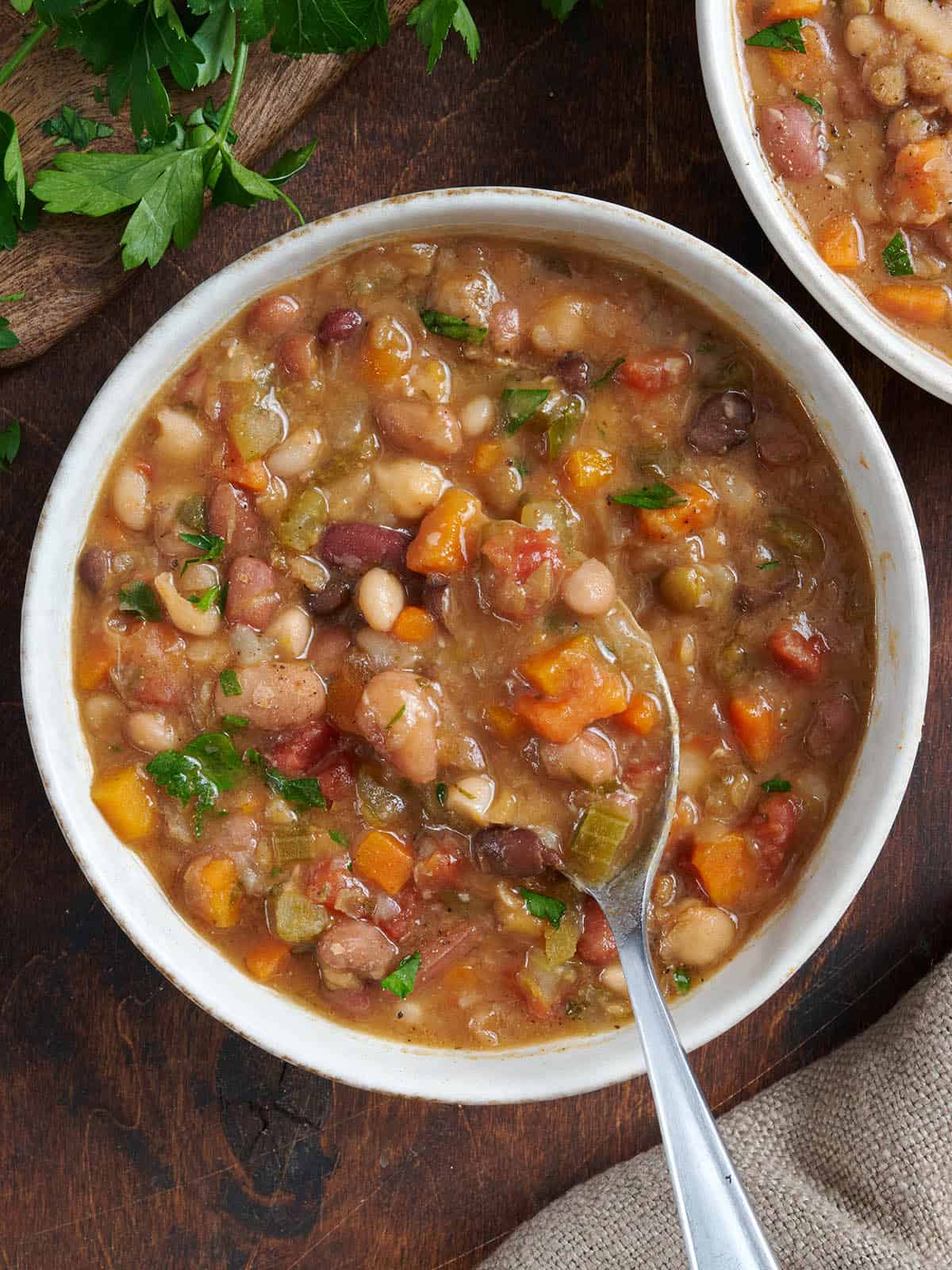
The financial viability of 15 Bean Soup is central to its enduring appeal. In the current economic climate, where food inflation has impacted consumer purchasing power, the ability to produce a hearty, filling meal for under $7.00 for an entire batch—averaging $0.85 per serving—is noteworthy. Unlike pre-packaged, processed meals that often rely on sodium-heavy preservatives and expensive protein sources, the 15 Bean Soup relies on raw agricultural commodities.
Market analysts observe that when consumers shift toward dry goods, they mitigate the premium costs associated with processing, packaging, and refrigeration. Furthermore, the versatility of the base allows for the integration of seasonal vegetables, such as onions, carrots, and celery, which are generally low-cost, high-yield ingredients. By controlling the flavor profile through individual herbs and spices—cumin, smoked paprika, oregano, and cayenne—home cooks can replicate the complexity of restaurant-style soups without the associated markups.
Culinary Methodology: A Step-by-Step Approach
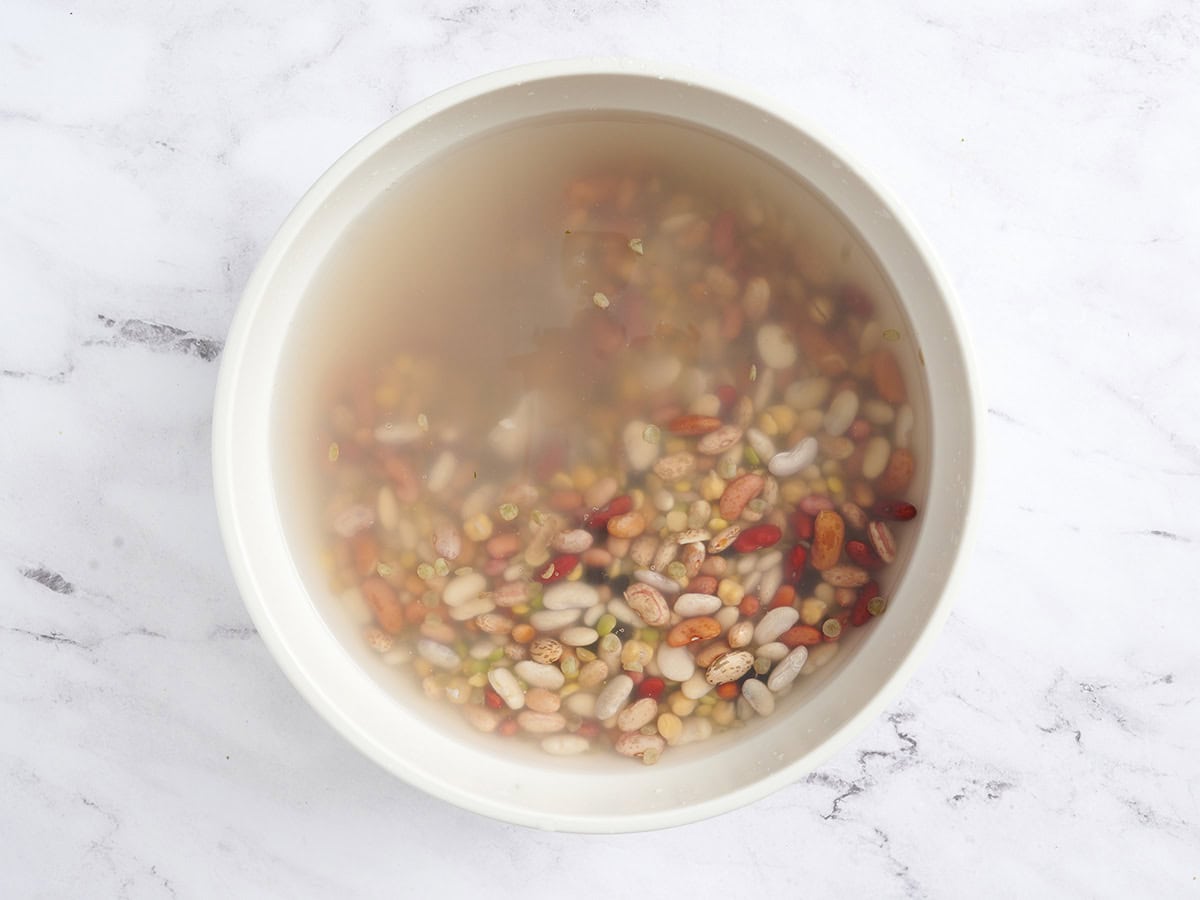
The preparation of 15 Bean Soup follows a specific, time-tested methodology that prioritizes the hydration of the dried legumes. The process begins with an overnight soaking phase, a critical step for rehydrating the beans to ensure uniform cooking. This process reduces the "phytic acid" content, which can inhibit mineral absorption, and significantly decreases the total cooking time.
- Hydration Phase: A 20-ounce mixture of dried beans is submerged in water at a 2:1 ratio for at least eight hours. This process allows the legumes to swell and softens the outer seed coat.
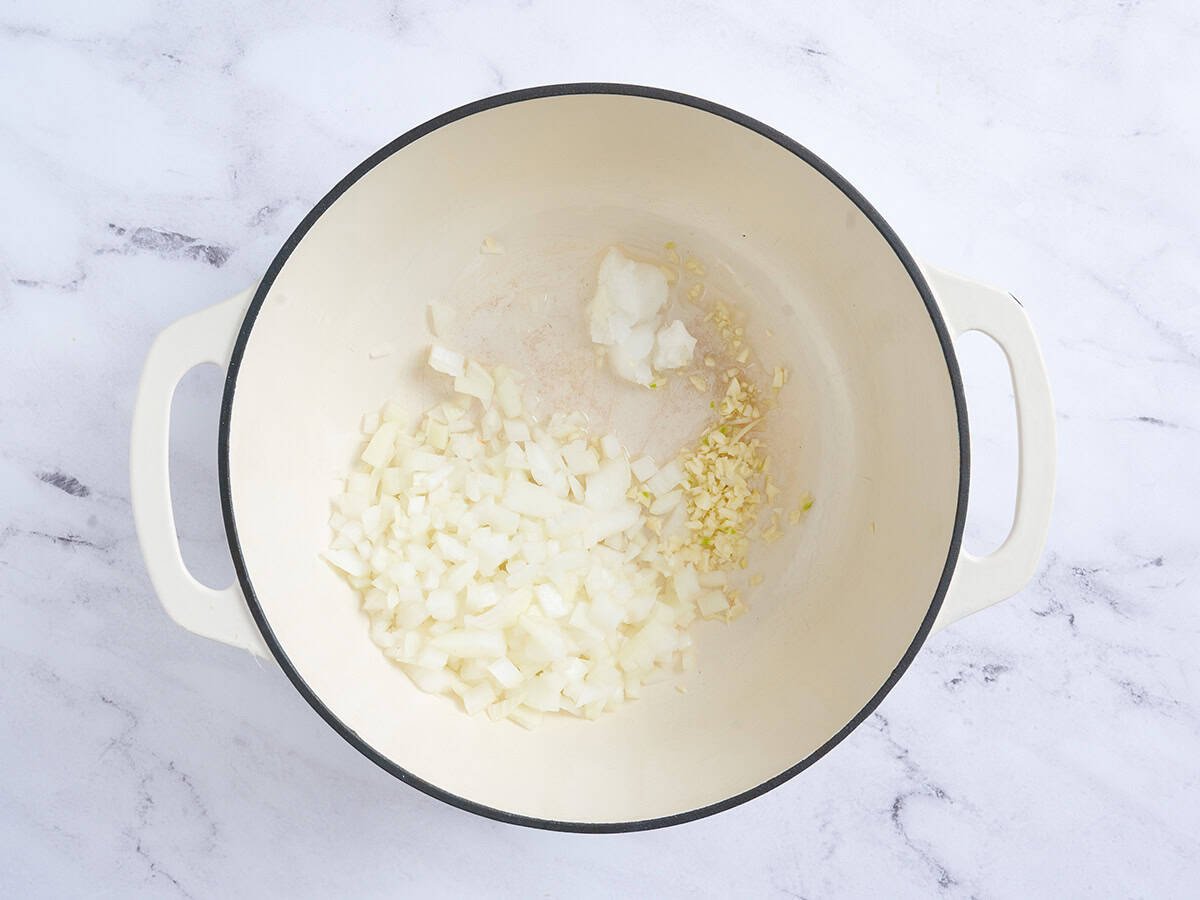
- Aromatic Base (Mirepoix): The foundational flavor is built by sautéing yellow onions and garlic in a lipid source, such as coconut oil or olive oil. The addition of carrots and celery further develops the savory profile.
- Simmering Process: The soaked beans are added to the pot with fresh water and allowed to simmer for approximately 90 minutes. During this period, the starches within the beans break down, contributing to a natural thickening of the broth.
- Seasoning Integration: The final stage involves the addition of canned diced tomatoes, aromatics, and spices. The introduction of acidity, typically through a splash of apple cider vinegar, is a culinary technique used to "brighten" the flavor and balance the richness of the legumes.
Professional Perspectives and Consumer Feedback
The adoption of this recipe in domestic kitchens has been supported by favorable feedback from nutritional advocates and home economists. Linda Wilson, a representative voice among culinary enthusiasts, has noted that the soup serves as a "nourishing" and "flavorful" staple, highlighting its utility as a recurring meal in family rotations.
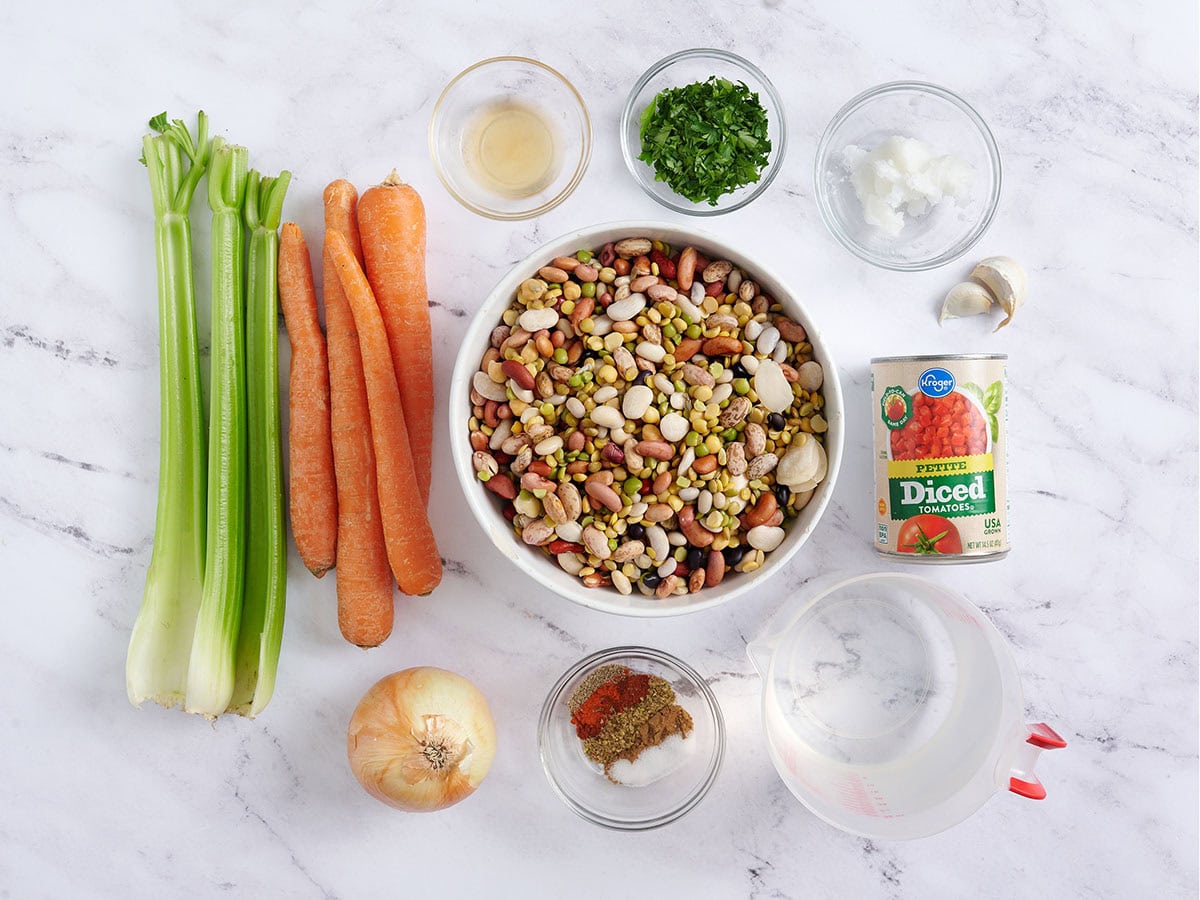
Culinary experts note that the absence of a pre-packaged seasoning packet—which is often included in commercial 15-bean mixes but is frequently high in sodium and artificial additives—is a significant improvement. By opting for raw, individual spices, the cook retains total control over the sodium content, making the meal suitable for individuals managing hypertension or those who prefer to customize the flavor profile to personal preference.
Broader Implications for Food Sustainability
The shift toward bean-centric diets has implications that extend beyond the individual kitchen. Legumes are nitrogen-fixing crops, meaning they improve soil health by converting atmospheric nitrogen into a form that plants can use. This reduces the need for synthetic fertilizers, which are energy-intensive to produce and contribute to environmental degradation. Consequently, the widespread adoption of 15 Bean Soup as a regular dietary component aligns with broader global goals regarding sustainable agriculture and reduced meat consumption.
From a public health standpoint, the high fiber content of such meals is directly correlated with a reduction in the risk of chronic diseases, including Type 2 diabetes and heart disease. As public policy increasingly looks toward preventative health measures, the promotion of simple, legume-based recipes provides a low-cost intervention strategy for community health.
Storage, Reheating, and Scalability
A significant advantage of this soup is its suitability for large-batch cooking. The molecular structure of beans allows them to retain their integrity through freezing and reheating, often resulting in a superior flavor profile the following day as the spices and aromatics continue to infuse the broth.
For optimal storage, it is recommended to divide the finished soup into airtight, freezer-safe containers. Properly stored, the soup can remain in a frozen state for up to three months. Reheating is most effectively accomplished on the stovetop over low heat, with the occasional addition of water or vegetable broth to restore the desired consistency.
Conclusion
The 15 Bean Soup represents more than just a recipe; it is a manifestation of efficiency, health, and economic prudence. By leveraging the nutritional density of legumes and the fiscal benefits of dry goods, households can successfully navigate the challenges of rising grocery prices while improving their long-term health outcomes. As culinary practices continue to evolve, the integration of these ancient, nutrient-rich staples into modern diets remains an essential component of sustainable and affordable living. The combination of simple preparation, vast nutritional benefits, and the ability to scale for future consumption ensures that this dish will remain a fixture in the repertoire of the budget-conscious and health-oriented consumer for years to come.
