
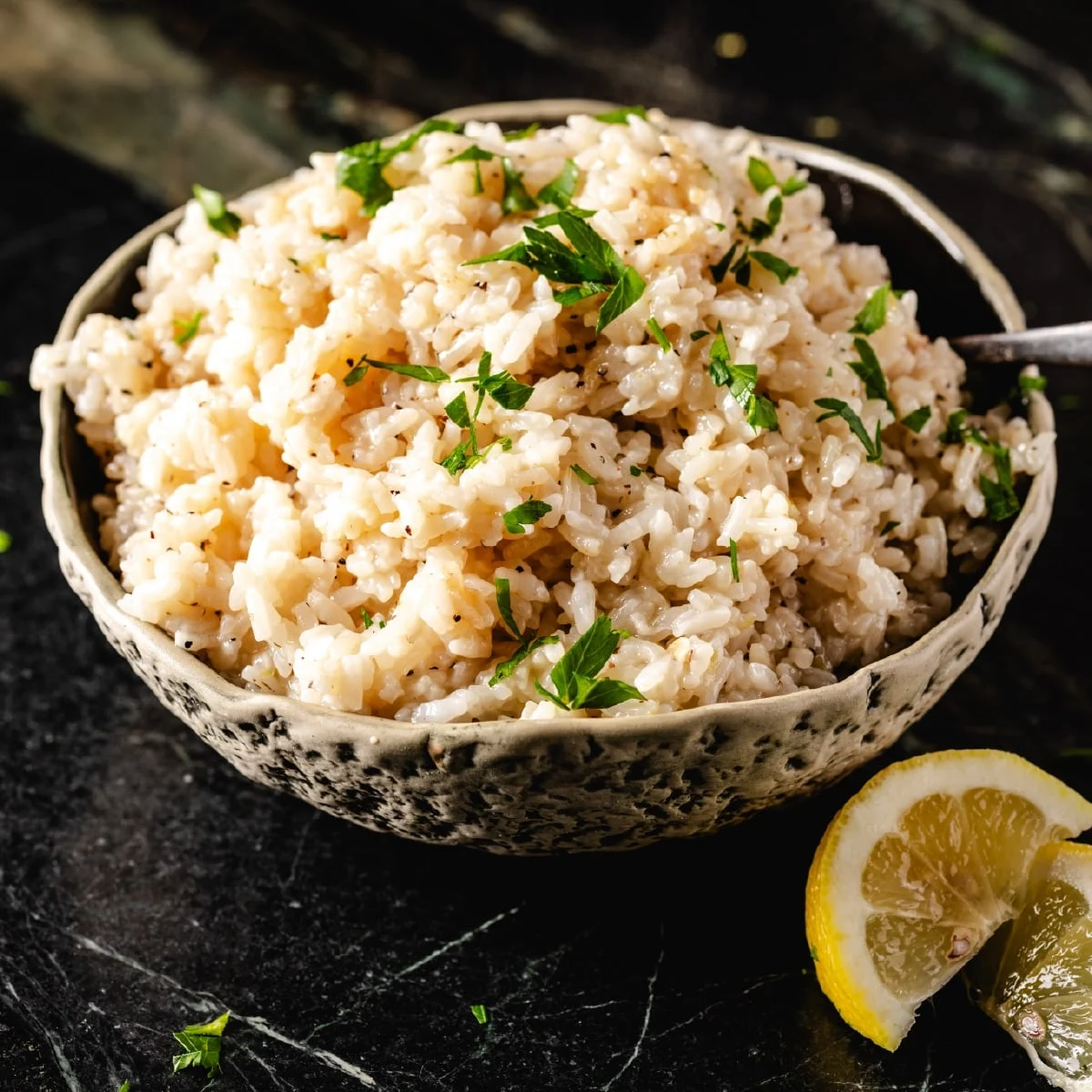
The pursuit of the ideal accompaniment to smoked and grilled proteins has long been a focal point for home cooks and culinary enthusiasts alike, and the emergence of Lemon Pepper Rice as a staple side dish offers a compelling case for the intersection of citrus-based brightness and traditional savory depth. As the popularity of backyard barbecue culture continues to expand, the demand for versatile, time-efficient, and flavor-forward side dishes has risen, leading to the development of streamlined recipes that require minimal preparation while maximizing sensory impact.
The Evolution of the BBQ Side Dish
In the broader context of American barbecue, the focus has historically remained on the protein—brisket, pork shoulder, and ribs—often overshadowing the supporting elements of the meal. However, dietary trends and a shift toward balanced plates have elevated the role of starch-based sides. Rice, a global staple, is uniquely suited for this purpose due to its neutral flavor profile and its ability to absorb complex aromatics.

The integration of lemon pepper seasoning into rice preparations represents a calculated culinary strategy. The acidity found in lemon peel, combined with the mild, woody heat of black pepper, acts as a palate cleanser. When served alongside high-fat, collagen-rich smoked meats, the acidity effectively cuts through the heaviness, creating a more balanced dining experience. This phenomenon is well-documented in food science, where acid is used to stimulate saliva production and enhance the perception of salt and savory flavors.
Chronology of Preparation and Culinary Methodology
Achieving a professional-grade lemon rice in a residential kitchen requires adherence to specific technical standards, primarily concerning starch management. According to culinary standards, the preparation process for a standard 30-minute lemon rice follows a precise sequence:
- Starch Reduction: The initial phase involves the mechanical removal of excess surface starch via a fine-mesh strainer. Culinary experts emphasize that rinsing rice under cold water for three to four minutes is essential. This step prevents the gelatinization of surface starches during the cooking process, which is the primary cause of clumping and gumminess in finished rice.
- Flavor Infusion: The aromatics, typically centered on a lemon pepper seasoning blend, are introduced early in the cooking cycle. By incorporating these elements during the liquid absorption phase, the essential oils within the lemon zest are better distributed throughout the grain structure.
- Thermal Management: Maintaining a controlled simmer is critical. Rapid boiling often leads to uneven cooking, where the exterior of the grain becomes mushy before the center is fully hydrated. A consistent, low-heat environment ensures uniform expansion of the starch granules.
- The Resting Period: Post-cooking, the rice must undergo a brief resting period. This allows moisture to redistribute evenly throughout the pot, resulting in a lighter, fluffier texture that does not collapse under its own weight.
Supporting Data and Nutritional Context
From a nutritional perspective, rice serves as a primary source of complex carbohydrates, providing the necessary energy for metabolic functions. A standard serving of this lemon-infused rice typically yields approximately 137 kilocalories, with a macronutrient profile dominated by carbohydrates (27 grams) and minimal fat (2 grams). The addition of fresh herbs, such as Italian parsley, contributes minor amounts of vitamin C and essential micronutrients, though the primary value of the dish remains its role as a vessel for texture and flavor.

When compared to traditional heavy sides—such as macaroni and cheese or potato salad—which can contain significantly higher concentrations of saturated fats and sodium, a lemon-based rice preparation offers a lighter alternative that aligns with contemporary consumer preferences for health-conscious dining.
Strategic Implications for Meal Planning
The versatility of this dish extends beyond the immediate dinner service, positioning it as an ideal candidate for meal preparation. The stability of the starch structure, provided the cooking process is executed correctly, allows the dish to be refrigerated for three to four days without significant degradation in quality.
Industry analysts tracking consumer behavior in home cooking note that "meal prep" has moved from a niche fitness-oriented practice to a mainstream necessity for households seeking to maximize time efficiency. Rice, due to its low cost-per-serving and ease of bulk preparation, is frequently cited as the most efficient base for these weekly meal cycles. The ability to reheat the product without losing its textural integrity makes it a highly sustainable option for modern, busy lifestyles.

Expert Perspectives and Community Integration
The standardization of such recipes is often driven by culinary professionals who emphasize the importance of high-quality ingredients. By utilizing specialized seasoning rubs, home cooks can achieve a depth of flavor that mimics professional culinary techniques with minimal labor.
According to industry experts, the "BBQ side dish" category is currently experiencing a period of innovation. Chefs are moving away from overly sweet, mayonnaise-heavy sides in favor of preparations that highlight fresh produce and bright, acidic profiles. This shift is reflected in the increased availability of curated spice blends designed specifically to enhance the natural flavors of rice and other grains.
Furthermore, the integration of digital platforms has allowed for the rapid dissemination of these methodologies. Instructional content, including detailed guides on techniques like zesting and rinsing, provides a bridge between amateur cooks and professional standards. The social feedback loop—where users share results and modifications—serves as a form of crowdsourced quality control, ensuring that recipes remain effective and adaptable to various household equipment.

Broader Culinary Impact
The impact of integrating bright, acidic side dishes into the barbecue landscape cannot be understated. It reflects a shift in consumer palate toward complex flavor profiles. Where once the smoke flavor of the meat was the singular focus, the modern barbecue plate is now viewed as an ecosystem of flavors. The lemon-pepper profile provides a necessary counterpoint to the "low and slow" cooking methods that define the genre.
As households continue to invest in high-quality kitchen tools, such as precise strainers and heavy-bottomed cookware, the barrier to entry for achieving restaurant-quality results at home is lowered. The ease of preparing a 30-minute side dish like this suggests that the future of home cooking lies in the efficient combination of fundamental techniques—rinsing, seasoning, and heat control—with high-quality, pre-mixed flavor enhancers.
In conclusion, the rise of Easy Lemon Rice is symptomatic of a larger trend in domestic culinary practices: the desire for sophisticated, high-impact results with minimal time investment. By leveraging the science of starch management and the balance of acidic flavors, home cooks can effectively elevate the standard of their barbecue service, ensuring that the sides receive as much attention as the main course. As this trend continues, it is likely that similar "flavor-first" approaches to basic staples will continue to dominate the home cooking landscape, reinforcing the value of simplicity in the pursuit of culinary excellence.
