
The second installment of Food Network’s latest high-stakes culinary competition, Pitmasters, intensified the pressure on its remaining contestants as they transitioned from foundational skills to the grueling demands of primitive live-fire techniques. Filmed against the stark and unforgiving backdrop of the southern Utah desert, the episode featured prominent barbecue influencers Susie Bulloch, founder of Hey Grill Hey, and Christie Vanover, the creator of Girls Can Grill. The duo, having successfully navigated the premiere, faced a series of multifaceted challenges designed to test their endurance, technical proficiency, and creative adaptability under extreme environmental conditions.
The Evolution of Live-Fire Competition
Pitmasters distinguishes itself from traditional barbecue programming by moving beyond the "low and slow" smoker-based format. Instead, the series emphasizes the "Big Burn" and "Flash Burn" structure, forcing chefs to manipulate open flames, coals, and thermal mass. Host and lead judge Andrew Zimmern, a noted culinary explorer, underscored the philosophy of the episode by noting that fire is not a singular tool but a versatile medium. The central theme of the episode’s main challenge, titled "The Trifecta of Live Fire," required teams to demonstrate mastery over three distinct heat applications: direct flame (grilling), underground (pit cooking), and hanging (radiant and convective heat).
The competition’s location in the Utah desert added a layer of logistical difficulty rarely seen in studio-based culinary shows. Contestants were forced to contend with fluctuating temperatures, high winds, and the physical labor of excavating cooking pits. According to production details, the challenges are designed to simulate the historical and primitive roots of outdoor cooking, stripping away the modern conveniences of temperature-controlled pellet grills or electric smokers.

The Big Burn: The Trifecta of Live Fire
Immediately following the conclusion of the first episode’s judging, the contestants were thrust into the "Big Burn." This 10-hour challenge demanded the simultaneous management of three different cooking techniques. For Bulloch and Vanover, the strategy involved a cohesive "Italian Summer" theme, a departure from traditional American barbecue that aimed to showcase the versatility of live-fire cooking.
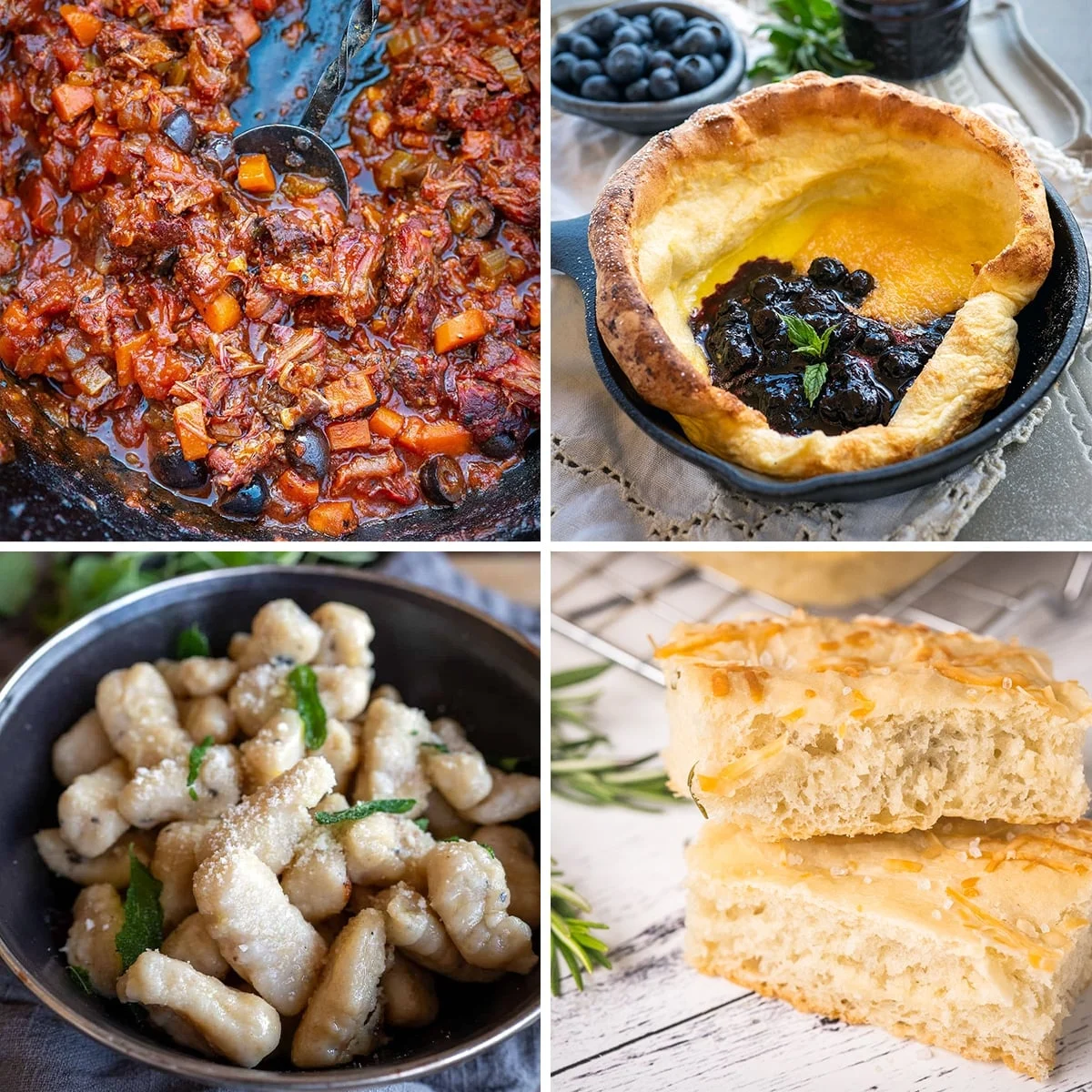
The underground portion of the challenge was perhaps the most physically demanding. Contestants were required to manually dig pits to facilitate a "Dutch oven" style of cooking, a method historically utilized by pioneers and campfire cooks. Vanover spearheaded this segment, preparing an Italian Osso Buco. This dish, traditionally a braised veal shank, was adapted using beef chuck roast and oxtail to withstand the intense, heavy heat of being buried. The meat was seasoned with a specialized brisket rub and nested in a Dutch oven, which was then interred in the desert floor and covered with hot coals and earth for a multi-hour braise.
Simultaneously, the team addressed the "Hanging" requirement. While many competitors utilized this technique for large proteins like whole poultry or ribs, Bulloch opted for a high-risk baking maneuver. She engineered a "swinging" oven environment using baking sheets suspended over the open fire to produce a Rosemary Parmesan Focaccia. This required precise management of the height of the swing to ensure the bread baked through without scorching from the unpredictable flames below. To complement the bread, Bulloch also prepared hanging grilled artichokes, utilizing the radiant heat to char the hearts before serving them with a lemon garlic aioli.
For the "Direct Flame" component, Vanover prepared gnocchi—soft potato dumplings—over an open grate. Grilling gnocchi is a technique that requires a delicate balance; the goal is to achieve a crisp exterior while maintaining a pillowy texture inside, a feat made difficult by the high, dry heat of the desert air.

The Flash Burn: The BBQ Breakfast Pivot
A signature element of the Pitmasters format is the "Flash Burn," an unannounced, short-form challenge that occurs during the longer "Big Burn" window. As the teams reached the point of physical exhaustion—compounded by sleep deprivation and the desert’s overnight cold—Zimmern introduced a 45-minute challenge: the BBQ Breakfast. With a $2,000 cash prize on the line, the teams had to momentarily pivot from their 10-hour projects to deliver a breakfast dish that utilized their existing fire sources.
Bulloch and Vanover split their efforts between sweet and savory profiles. Vanover drew on a traditional family recipe for "German Pancakes," also known as Dutch Babies. These were cooked in cast iron over the fire, resulting in a dramatic rise and a custardy center. To elevate the dish for the judges, she prepared a maple blueberry syrup, simmering fresh berries until they achieved a jammy consistency, balanced with a pinch of salt and real maple syrup.
Bulloch focused on the savory side, crafting a handmade jalapeño bacon breakfast sausage from scratch. By dicing bacon directly into ground pork and fresh jalapeños, she ensured a high fat content that would remain moist over the fire. The patties were smoked over cherry wood, providing a distinct fruit-wood sweetness that contrasted with the heat of the peppers. This "composed bite" strategy—combining Vanover’s sweet pancakes with Bulloch’s spicy sausage—was intended to present the judges with a complete, restaurant-quality meal.
Environmental Factors and Technical Analysis
The technical difficulty of Episode 2 was exacerbated by the geographical realities of the Utah desert. Professional barbecue circuits often cite "micro-climates" as a primary reason for failure. In this episode, the wind posed a significant threat to the "Hanging" technique, as it could dissipate heat or cause the fire to flare up unexpectedly. Furthermore, the 10-hour duration of the Big Burn meant that teams had to manage the transition from the intense midday sun to the sharp temperature drops of the desert night.

From a culinary standpoint, the decision to produce bread (focaccia) and pasta (gnocchi) in a live-fire competition is a high-risk, high-reward strategy. Most barbecue competitions focus almost exclusively on animal proteins. By introducing complex carbohydrates and doughs, Bulloch and Vanover demonstrated a broader culinary range, though it left them vulnerable to the inconsistencies of wood-fired heat, which lacks the stability of an indoor oven.
Hilltop Judging and One-on-One Presentations
The judging phase of the second episode marked a departure from the communal table seen in the series premiere. In a physically demanding twist, the contestants were required to transport their finished dishes up a steep incline to a hilltop dining station. This "hilltop hike" served as a final test of the competitors’ stamina.
Unlike the previous episode, where teams observed each other’s critiques, the Episode 2 presentations were conducted one-on-one. Each team sat privately with the judges, providing an intimate and high-pressure environment where every technical flaw could be scrutinized without the distraction of other competitors. This format shift prevented teams from "reading the room" or gauging their performance relative to their peers until the final results were delivered back at the base camp.
Broader Impact and Industry Context
The participation of Susie Bulloch and Christie Vanover in Pitmasters is reflective of a broader shift in the outdoor cooking industry. Historically dominated by men, the competitive barbecue and live-fire scene has seen a significant surge in female leadership. Bulloch and Vanover represent a new generation of "content-to-competition" chefs who have built massive digital audiences—Hey Grill Hey and Girls Can Grill—before transitioning to televised professional formats.

The success of shows like Pitmasters also indicates a growing consumer interest in "primitive" cooking techniques. Market data suggests a rising trend in the sale of live-fire equipment, such as Argentinian grills (parrillas), Dutch ovens, and fire pits, as home cooks look to move beyond the standard propane grill. By showcasing these techniques on a major network, the show acts as both entertainment and an educational platform for advanced outdoor cooking.
Conclusion and Outlook
As the competition moves toward Episode 3, the field of eight teams continues to narrow. The results of the Episode 2 challenges remain under wraps to preserve the viewing experience, but the technical execution displayed by the contestants has set a high bar for the remainder of the season. The combination of the "Italian Summer" menu and the "BBQ Breakfast" showed a level of sophistication that challenges the stereotypical image of barbecue as merely smoked brisket and ribs.
Viewers can continue to follow the journey of these pitmasters as the series airs Mondays on Food Network, with streaming available on Discovery+. The upcoming episodes are expected to further explore the limits of human endurance and culinary creativity in the wild, as the remaining chefs vie for the title of Pitmaster champion. For the outdoor cooking community, the performance of Bulloch and Vanover serves as a testament to the meticulous planning and deep technical knowledge required to master the unpredictable element of fire.
