
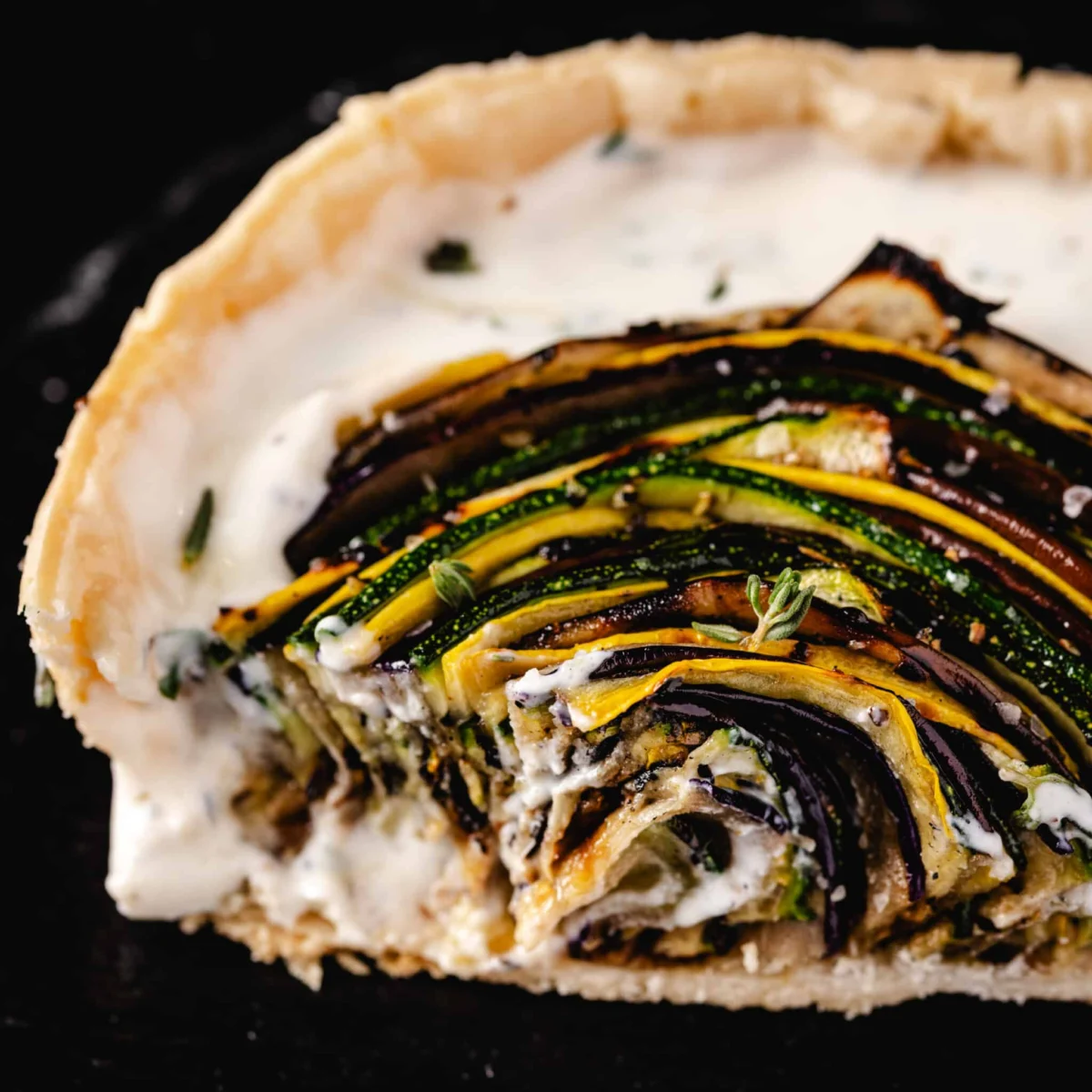
The culinary landscape of outdoor cooking is undergoing a significant transformation, moving beyond traditional meat-centric barbecue toward sophisticated, plant-forward compositions that utilize seasonal produce and advanced grilling techniques. A prime example of this evolution is the Grilled Summer Vegetable Tart, a dish that synthesizes the flaky textures of traditional pastry with the charred, smoky profiles achievable only through outdoor heat sources. This dish represents a convergence of high-end restaurant aesthetics and accessible home-grilling methodologies, designed to elevate the standard backyard dining experience through a combination of savory custards, fresh herbs, and meticulously prepared produce.
The Architectural Foundation: Skillet-Baked Crust and Heat Management
The structural integrity of the summer vegetable tart relies on a well-executed crust, which serves as the vessel for the moisture-rich custard and grilled vegetables. In this specific preparation, the use of a small-diameter cast iron skillet, such as a five-inch Lodge model, is critical. Cast iron provides superior heat retention and distribution, which is essential when baking on a grill where temperature fluctuations can occur more frequently than in a controlled indoor oven environment.

Professional bakers often advocate for "blind baking"—the process of partially cooking the crust before adding the filling—to prevent the pastry from becoming sodden. When adapted for the grill, this involves poking air holes into the bottom of the dough to prevent bubbling and ensuring the grill is preheated to a consistent temperature. This step establishes a crisp, golden-brown base capable of supporting the density of the ricotta and cream cheese custard.
Culinary Chemistry: The Savory Custard and Herb Profile
At the heart of the tart is a savory custard that acts as both a flavor enhancer and a structural adhesive. The mixture utilizes a blend of cream cheese and ricotta, providing a balance between dense creaminess and light, grainy texture. From a culinary science perspective, the inclusion of lemon zest and fresh lemon juice is not merely for flavor; the acidity serves to brighten the heavy fats of the cheeses, creating a more balanced palate.
The herb profile—typically consisting of parsley, chives, and thyme—introduces volatile aromatic compounds that are released upon heating. By processing these ingredients in a blender or food processor, the herbs are emulsified into the cheese base, ensuring that every bite contains a uniform distribution of flavor. This method reflects a broader trend in modern gastronomy where traditional baking techniques are modified to incorporate the bold, rustic elements of outdoor cooking.

Precision Engineering of Seasonal Produce
The visual and textural centerpiece of the tart is the vegetable pinwheel, which requires precise preparation to ensure even cooking and aesthetic symmetry. Culinary experts emphasize the use of a mandoline to achieve consistent 1/8-inch slices of seasonal vegetables such as zucchini, yellow squash, and eggplant. This level of precision is necessary because thinner slices allow for rapid caramelization on the grill grates, enhancing the natural sugars of the vegetables through the Maillard reaction without overcooking the interior.
The selection of vegetables is intentionally seasonal. Zucchini and yellow squash, staples of the summer harvest, provide a mild sweetness and high water content that softens into a buttery texture when grilled. Eggplant adds a meaty, umami-rich component that complements the lightness of the squash. Once grilled, these slices are pliable enough to be rolled into a concentric pinwheel, a technique that maximizes surface area and creates a visually stunning "bloom" effect atop the tart.
Chronology of Preparation and Execution
The assembly of a grilled vegetable tart follows a specific chronological workflow designed to optimize heat usage and ingredient freshness:

- Grill Calibration: The outdoor grill is brought to a steady temperature suitable for both direct searing of vegetables and indirect baking of the pastry.
- Vegetable Searing: Sliced produce is lightly oiled and seasoned, then placed directly over the heat source. This stage is brief, intended only to soften the vegetables and impart char marks.
- Blind Baking: The crust is fitted into the cast iron skillet and placed on the grill. This stage continues until the pastry begins to set and take on a light golden hue.
- Custard Emulsification: While the crust bakes, the cheeses, herbs, and citrus components are blended into a smooth custard.
- Assembly and Final Bake: The custard is spread over the pre-baked crust. The grilled vegetable slices are then rolled and tucked into the custard in a circular pattern. The entire skillet is returned to the grill for a final 15-to-20-minute bake, allowing the custard to set and the flavors to meld.
Nutritional Analysis and Economic Considerations
From a nutritional standpoint, the Grilled Summer Vegetable Tart offers a dense profile of vitamins and minerals. Based on standardized calculations, a single serving contains approximately 381 calories, with a significant contribution from healthy fats (25g) and dietary fiber (4g). The inclusion of fresh produce ensures a high intake of Vitamin A (910 IU) and Vitamin C (24 mg), while the cheese base provides essential calcium (131 mg).
Economically, the dish leverages the "garden-to-table" movement, which encourages the use of locally sourced, seasonal ingredients. During the peak summer months, squash and eggplant are at their lowest price points and highest quality, making the tart a cost-effective yet premium-feeling option for entertaining. This aligns with consumer data suggesting a growing preference for high-quality, vegetable-centric appetizers that do not require expensive protein cuts.
The "Hey Grill Hey" Influence and Industry Impact
The development of this recipe is credited to Susie Bulloch, the founder of the "Hey Grill Hey" platform and a recognized figure in the barbecue industry. Bulloch’s background includes appearances on the Food Network and the establishment of multiple world records in the realm of outdoor cooking. Her approach focuses on democratizing complex grilling techniques, transforming what might be considered "intimidating" culinary tasks into accessible projects for the average backyard enthusiast.

The rise of platforms like Hey Grill Hey reflects a broader shift in how information is disseminated in the culinary world. Social media integration, mobile applications, and community-driven feedback loops have allowed recipes like the vegetable tart to reach a global audience, fostering a community of "Backyard BBQ Heroes." This movement has prompted traditional grill manufacturers to adapt, producing more versatile equipment—such as pizza stones and specialized cast iron inserts—that cater to bakers as much as pitmasters.
Market Trends: The Rise of the Outdoor Kitchen
The popularity of savory grilled tarts is symptomatic of the booming outdoor kitchen market. According to reports from the Hearth, Patio & Barbecue Association (HPBA), nearly 70% of households in the United States own a grill or smoker, and an increasing number of these consumers are using their equipment year-round. There is a documented surge in "multi-zone" cooking, where users prepare appetizers, sides, and main courses simultaneously on a single outdoor unit.
The Grilled Summer Vegetable Tart fits perfectly into this trend, as it can be prepared alongside a main protein or served as a standalone vegetarian entrée. The versatility of the dish—being equally suitable for formal dinner parties or casual potlucks—further enhances its marketability.

Broader Implications and Future Outlook
As the boundaries between indoor and outdoor cooking continue to blur, dishes like the vegetable tart represent the future of domestic gastronomy. The emphasis on technique, fresh aromatics, and aesthetic presentation suggests that the "low and slow" tradition of American barbecue is being supplemented by a "fast and refined" Mediterranean-style influence.
The success of such recipes indicates a growing consumer appetite for culinary education. Home cooks are no longer satisfied with simple instruction; they seek to understand the "why" behind the process—why cast iron is used, why a mandoline is necessary, and how acidity interacts with fat. This intellectualization of the backyard barbecue ensures that the craft will continue to evolve, pushing the limits of what can be achieved with a flame, a skillet, and the season’s best harvest.
Ultimately, the Grilled Summer Vegetable Tart is more than a recipe; it is a testament to the versatility of modern outdoor cooking and a blueprint for the next generation of culinary enthusiasts who aim to combine the rustic charm of the grill with the precision of the pastry arts. Whether served in quarters for a large gathering or as a whole individual portion for an intimate meal, it remains a standout example of seasonal innovation.
