
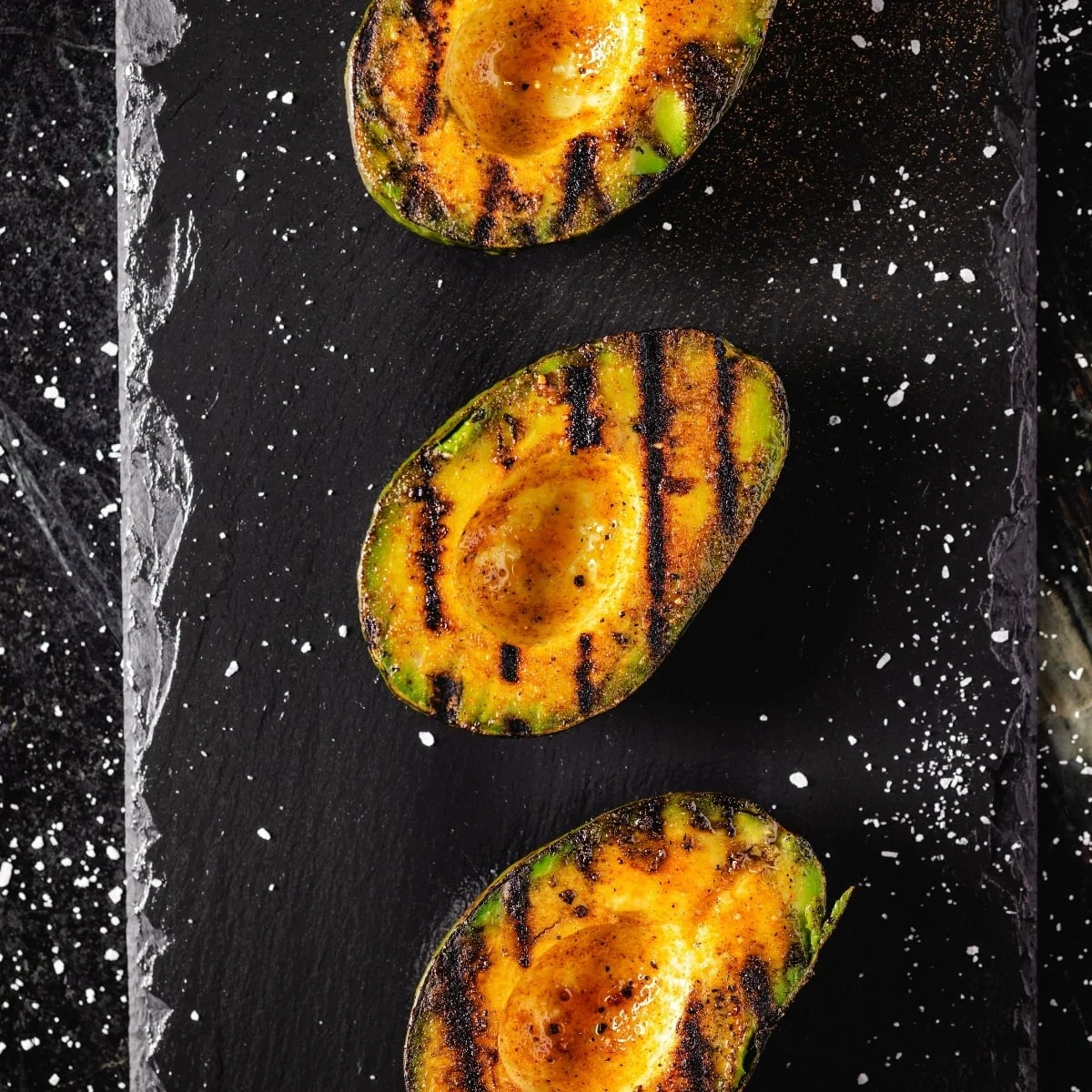
The traditional landscape of the American backyard barbecue, long dominated by slow-smoked briskets, rack of ribs, and charred burgers, is undergoing a significant transformation as health-conscious consumers and culinary innovators seek to diversify the grill’s potential. Central to this shift is the emergence of the grilled avocado, a dish that challenges conventional perceptions of the fruit’s preparation. By applying high-intensity heat to the nutrient-dense Hass avocado, enthusiasts are discovering a complex interplay of textures and flavors—specifically a smoky, caramelized exterior paired with a warmed, intensified creaminess—that elevates the fruit from a mere garnish to a sophisticated side dish. This evolution in outdoor cooking reflects broader dietary trends emphasizing plant-based fats and the integration of global flavors into local grilling repertoires.
The Technical Methodology of High-Heat Avocado Preparation
The process of grilling an avocado, while deceptively simple, relies on precise culinary principles to achieve the desired contrast between the charred surface and the buttery interior. According to industry experts and culinary developers like Susie Bulloch of Hey Grill Hey, the methodology involves a streamlined four-step approach: slicing, seasoning, sizzling, and serving. The preparation begins with the selection of the fruit; avocados must be ripe yet firm enough to withstand the structural stress of the grill grates.
Once halved and pitted, the exposed flesh is brushed with a high-smoke-point oil. This serves a dual purpose: preventing the delicate fruit from adhering to the metal grates and facilitating the Maillard reaction—a chemical reaction between amino acids and reducing sugars that gives browned food its distinctive flavor. The application of a specialized seasoning, such as a signature sweet rub containing a balance of sugar and spices, further enhances the flavor profile. The sugar in the rub assists in rapid caramelization, creating a crust that complements the natural oils of the avocado.

The actual cooking phase is brief but intense. Placing the avocados cut-side down over high heat for approximately five minutes allows the smoke to permeate the fruit while the direct heat creates visible grill marks. This short duration is critical; excessive heat for prolonged periods can cause the avocado’s oils to become bitter and the flesh to lose its structural integrity. The result is a dish that retains the familiar essence of the avocado while introducing a depth of flavor previously associated only with grilled proteins.
Nutritional Analysis and Dietary Implications
From a nutritional standpoint, the grilled avocado offers a profile that aligns with modern dietary guidelines focusing on monounsaturated fats and micronutrient density. Based on standardized nutritional data, a single serving of this prepared dish (approximately half an avocado) contains roughly 196 calories. The macronutrient breakdown is dominated by 18 grams of fat, of which 12 grams are monounsaturated—the "heart-healthy" fats frequently cited by the American Heart Association for their role in managing cholesterol levels.
The dietary metrics for a standard grilled avocado serving are as follows:
- Total Carbohydrates: 9g (with 7g of dietary fiber, resulting in only 2g of net carbs)
- Protein: 2g
- Sodium: 298mg
- Potassium: 497mg
- Vitamin C: 11mg
- Vitamin A: 180 IU
The high fiber content is particularly noteworthy, providing approximately 25% of the recommended daily intake in a single serving. Furthermore, the presence of 497mg of potassium makes the grilled avocado a potent source of electrolytes, exceeding the potassium content found in a medium-sized banana. For individuals following ketogenic or low-carbohydrate diets, the grilled avocado serves as an ideal fuel source, offering high satiety levels with minimal glycemic impact.

The Economic and Cultural Context of the Avocado Boom
The rise of recipes like the grilled avocado cannot be viewed in isolation from the broader economic trajectory of the avocado industry. Over the last two decades, avocado consumption in the United States has seen an exponential increase. Data from the USDA Economic Research Service indicates that per capita consumption of avocados has risen from approximately 2 pounds in 2001 to over 8 pounds per person in recent years. This surge is attributed to year-round availability facilitated by imports from Mexico, Peru, and Chile, as well as a heightened public awareness of the fruit’s health benefits.
As avocados became a household staple, the culinary community sought ways to differentiate their use. The "avocado toast" phenomenon of the 2010s paved the way for more adventurous applications. Grilling the fruit represents the next logical step in this progression, moving the avocado into the realm of "hot" cuisine. This trend is also reflective of a growing interest in "live-fire" cooking, a movement that prioritizes traditional flame-based techniques over modern convenience appliances.
Statements from Culinary Authorities
Susie Bulloch, a prominent figure in the barbecue community and founder of Hey Grill Hey, has been a vocal advocate for the diversification of the grill. With a background that includes appearances on the Food Network and the establishment of multiple Guinness World Records in the realm of outdoor cooking, Bulloch emphasizes that grilling is not restricted to meat.
"If you love avocado, then this Easy Grilled Avocado recipe is a must-try," Bulloch states in her instructional materials. "With just 5 easy ingredients and a hot grill, you can give an already-popular side some BBQ flavor and a touch of grill love. It’s still avocado, just better."

Her philosophy centers on the accessibility of high-quality barbecue. By simplifying the process to a few minutes of active cooking, Bulloch aims to empower "Backyard BBQ Heroes" to experiment with ingredients that might otherwise be overlooked in a traditional smokehouse setting. This sentiment is echoed by other professionals in the field who note that the warmth of the grilled avocado makes it a more versatile component for dinner service than its cold, raw counterpart.
Chronology of the Modern Barbecue Evolution
The integration of fruits like the avocado into the barbecue lexicon follows a clear historical timeline:
- The Traditional Era (Pre-1990s): Barbecue is defined almost exclusively by meat. Vegetables are typically limited to corn on the cob or coleslaw, served as secondary thoughts.
- The Gourmet Revolution (2000–2010): The rise of celebrity chefs and food-centric television introduces the concept of "veggie burgers" and grilled portobello mushrooms, signaling a shift toward inclusive outdoor dining.
- The Superfood Era (2010–2018): Avocados gain "superfood" status. They become the primary focus of breakfast and brunch menus.
- The Contemporary Live-Fire Movement (2019–Present): Techniques like charring, smoking, and coal-roasting are applied to a wide array of produce. The grilled avocado emerges as a centerpiece for fusion dishes, such as grilled avocado tacos or warm caprese-stuffed avocados.
Broader Impact on Global Gastronomy and Versatility
The implications of grilling avocados extend beyond the individual dish, influencing how chefs approach menu construction. Because the grilled avocado possesses a rich, neutral-to-savory base, it serves as a versatile vessel for various toppings and pairings.
In professional kitchens, grilled avocados are increasingly utilized in the following capacities:

- Fusion Tacos: Using the warm avocado as a base for pickled onions, cotija cheese, and cilantro.
- Elevated Salads: Replacing cold avocado slices with warm, charred halves to add a temperature contrast to leafy greens.
- Protein Substitutes: Serving as a hearty, fat-rich alternative for vegetarian guests at barbecue events.
- Salsa Bases: Mashing the grilled fruit into a "smoky guacamole" that offers a deeper flavor profile than traditional versions.
This versatility has also prompted a rise in the development of specialized "rubs" and seasonings tailored for vegetables. The market for BBQ accessories has expanded to include fine-mesh grates and cast-iron pans designed specifically to prevent delicate items like halved avocados from falling into the coals.
Conclusion: The Future of the Backyard Barbecue
The "Easy Grilled Avocado" is more than a simple recipe; it is a symbol of the modern griller’s desire for efficiency, health, and flavor innovation. As outdoor cooking continues to evolve, the boundaries between "traditional BBQ" and "modern healthy eating" are becoming increasingly blurred. The success of this dish lies in its ability to satisfy the primal craving for charred, smoky flavors while providing the nutritional benefits of a whole-food, plant-based diet.
For the home cook, the grilled avocado represents a low-risk, high-reward entry point into the world of creative grilling. With a total preparation and cook time of under ten minutes, it fits seamlessly into the fast-paced lifestyle of contemporary consumers. As seasonal grilling cycles continue, it is expected that the grilled avocado will transition from a "trend" to a standard component of the American outdoor culinary tradition, sitting comfortably alongside the burgers and steaks of the past. Through the work of culinary influencers and the shifting demands of the public, the grill has officially been reclaimed as a tool for all food groups, proving that with a little "grill love," even the most familiar ingredients can be transformed into something extraordinary.
