
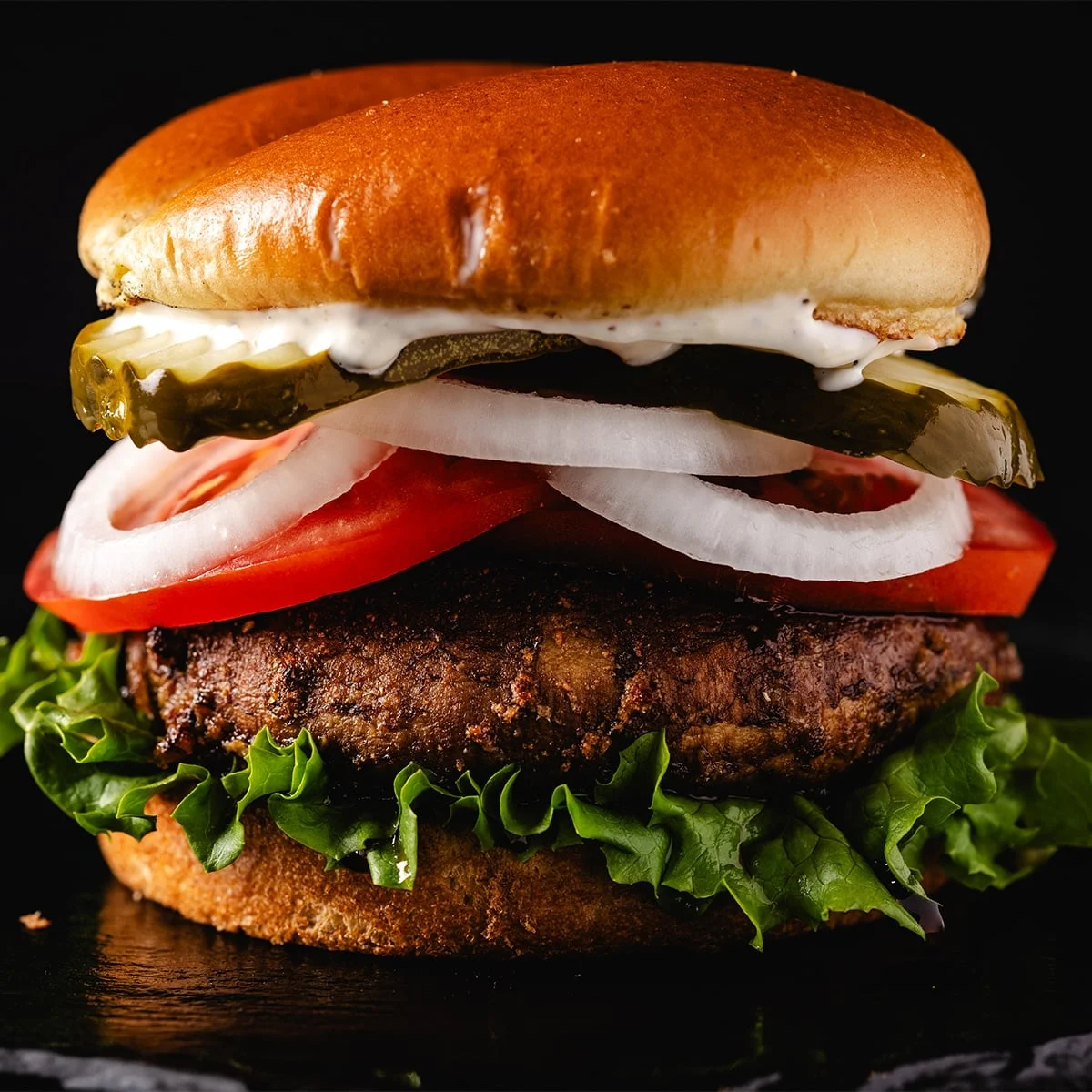
The landscape of American outdoor cooking is undergoing a significant transformation as traditional barbecue techniques are increasingly applied to plant-based ingredients. Susie Bulloch, the founder of the prominent culinary platform Hey Grill Hey, has introduced a sophisticated Grilled Portobello Mushroom Burger that challenges the conventional boundaries of the backyard cookout. By utilizing professional-grade techniques—such as high-heat charring, complex acid-based marination, and the application of signature dry rubs—this recipe represents a broader movement toward culinary inclusivity without sacrificing the robust flavor profiles typically associated with smoked and grilled meats.
The Evolution of Plant-Based Options in Barbecue Culture
For decades, the American barbecue scene was defined almost exclusively by animal proteins: brisket, ribs, pulled pork, and chicken. Vegetarian options were often relegated to side dishes or uninspired, frozen vegetable patties. However, as consumer preferences shift toward flexitarianism—a diet centered on plant foods with the occasional inclusion of meat—the demand for high-quality, grill-centric vegetarian main courses has surged.
The portobello mushroom has emerged as the premier candidate for this role due to its dense, fibrous texture and high concentration of umami. When exposed to the intense, dry heat of a charcoal or gas grill, the portobello undergoes the Maillard reaction, a chemical reaction between amino acids and reducing sugars that gives browned food its distinctive flavor. Bulloch’s approach treats the mushroom not as a meat substitute, but as a primary protein deserving of the same rigor applied to a prime cut of beef.

Technical Composition and Flavor Synergy
The success of the Grilled Portobello Mushroom Burger relies on a three-tiered flavor strategy: the marinade, the seasoning, and the finishing sauce.
The Balsamic Marinade and Umami Enhancement
The foundation of the dish is a balsamic-based marinade. Balsamic vinegar serves a dual purpose: its acidity breaks down the tough exterior fibers of the mushroom cap, allowing for better heat penetration, while its natural sugars facilitate superior caramelization. When combined with oil and aromatics, the marinade permeates the porous structure of the mushroom, ensuring that flavor is distributed throughout the "patty" rather than remaining on the surface.
Integration of Signature Dry Rubs
A critical element in Bulloch’s methodology is the use of her signature Beef Rub. This inclusion is a strategic bridge between traditional BBQ and vegetarian cooking. By applying a rub designed for brisket or steak—typically containing salt, cracked black pepper, garlic powder, and other savory spices—the cook imparts a familiar "steakhouse" profile to the mushroom. This technique addresses the primary criticism of vegetarian burgers: a lack of savory depth.
The Lemon Garlic Aioli
To balance the earthy, smoky notes of the grilled mushroom, the recipe employs a bright lemon garlic aioli. In professional gastronomy, acidity is used to "cut through" richness. Given that portobellos can become quite dense and juicy when grilled, the citrus notes in the aioli provide a necessary contrast, lifting the overall flavor profile and preventing the brioche bun from becoming overly heavy.

Chronology of Preparation and Execution
Achieving the optimal texture for a portobello burger requires precise timing and heat management. The following chronology outlines the professional standard for preparation:
- Selection and Cleaning: Large, firm portobello caps are selected. The stems are removed to ensure the caps lay flat on the grill grates. Unlike many vegetables, mushrooms should be cleaned with a damp cloth rather than submerged in water, as their porous nature causes them to absorb excess moisture, which can lead to steaming rather than searing.
- The Marination Phase: The caps are placed in a vacuum-sealed bag or a high-quality zip-top bag with the balsamic mixture. A minimum of 30 to 60 minutes is required for the marinade to penetrate. Over-marinating (beyond four hours) can lead to the mushroom becoming overly soft.
- Grill Calibration: The grill is prepared for high-heat direct cooking. Charcoal is the preferred fuel source for this recipe, as the combustion of wood coal releases organic compounds that provide a traditional smokiness that gas grills cannot replicate.
- The Searing Process: The mushrooms are placed gill-side up first to trap the internal juices, then flipped to achieve distinct char marks on the smooth top of the cap. The goal is a tender interior with a slightly crisp, charred exterior.
- Assembly: The use of a brioche bun is intentional; the high butter and egg content of the bread provides a structural integrity that holds up against the moisture of the mushroom.
Supporting Data: The Rise of the "Vegetarian BBQ"
Market research indicates that the "Backyard BBQ Hero" is no longer defined solely by their ability to smoke a 15-pound brisket. According to data from the Hearth, Patio & Barbecue Association (HPBA), nearly 30% of grill owners in North America have increased their preparation of vegetables on the grill over the last three years.
Furthermore, nutritional analysis of the Grilled Portobello Mushroom Burger reveals a complex profile. A single serving contains approximately 634 calories, with 55 grams of fat and 30 grams of carbohydrates. While the fat content is high—primarily derived from the olive oil in the marinade and the mayonnaise-based aioli—it provides the satiety levels necessary to satisfy diners accustomed to the richness of beef. The mushroom itself provides essential minerals like potassium (436mg) and B vitamins, making it a nutrient-dense alternative to processed "fake meat" patties.
Analysis of Market Implications and Consumer Response
The introduction of high-level vegetarian recipes by established BBQ influencers like Susie Bulloch has significant implications for the outdoor cooking industry. It signals a move toward "inclusive grilling," where the host can cater to diverse dietary needs without compromising the "low and slow" or "high and fast" ethos of the craft.

Culinary analysts suggest that recipes like the Grilled Portobello Mushroom Burger are essential for the survival of BBQ culture in an era of increasing health consciousness and environmental awareness. By demonstrating that smoke and fire can elevate vegetables to the status of a main course, influencers are expanding the market for grills, rubs, and accessories to a demographic that might previously have felt excluded from the barbecue community.
Statements from the "Hey Grill Hey" community indicate a high level of "cross-over" success. Meat-eating enthusiasts frequently report that the portobello burger serves as an effective "palate cleanser" or a lighter alternative during multi-day BBQ events. This feedback suggests that the recipe has successfully moved beyond the "vegetarian substitute" category and into the "gourmet grilled entree" category.
Expert Tips for Optimal Results
To elevate the dish from a standard home cook’s version to a professional-grade burger, Bulloch suggests several "Pro Tips":
- Cheese Selection: While the base recipe is versatile, adding a slice of sharp provolone or smoked gouda during the final minute of grilling adds a layer of creamy texture that complements the balsamic glaze.
- Heat Control: If using charcoal, creating a two-zone fire (coals on one side, empty on the other) allows the cook to sear the mushrooms over the flames and then move them to the cool side to finish softening without burning the exterior.
- Bun Toasting: Toasting the brioche bun directly on the grill grates is a non-negotiable step. The toasted surface creates a moisture barrier, preventing the lemon garlic aioli and mushroom juices from making the bread soggy.
Broader Impact on Modern Gastronomy
The Grilled Portobello Mushroom Burger is more than a simple recipe; it is a case study in the democratization of gourmet cooking techniques. Through digital platforms like the Hey Grill Hey app and YouTube channel, professional-level culinary knowledge is being disseminated to millions of backyard cooks.

This educational shift is fostering a more sophisticated consumer base that understands the importance of acidity, the chemistry of rubs, and the physics of heat zones. As a result, the "Backyard BBQ Hero" is becoming a more versatile chef, capable of producing world-class flavors regardless of the primary ingredient.
As the outdoor cooking season progresses, the portobello mushroom burger stands as a testament to the versatility of the grill. It proves that with the right marinade, a high-quality rub, and the courage to innovate, the humble mushroom can command as much respect at the dinner table as any traditional cut of meat. This recipe is a definitive win for culinary diversity, providing a roadmap for the future of the American cookout.
