
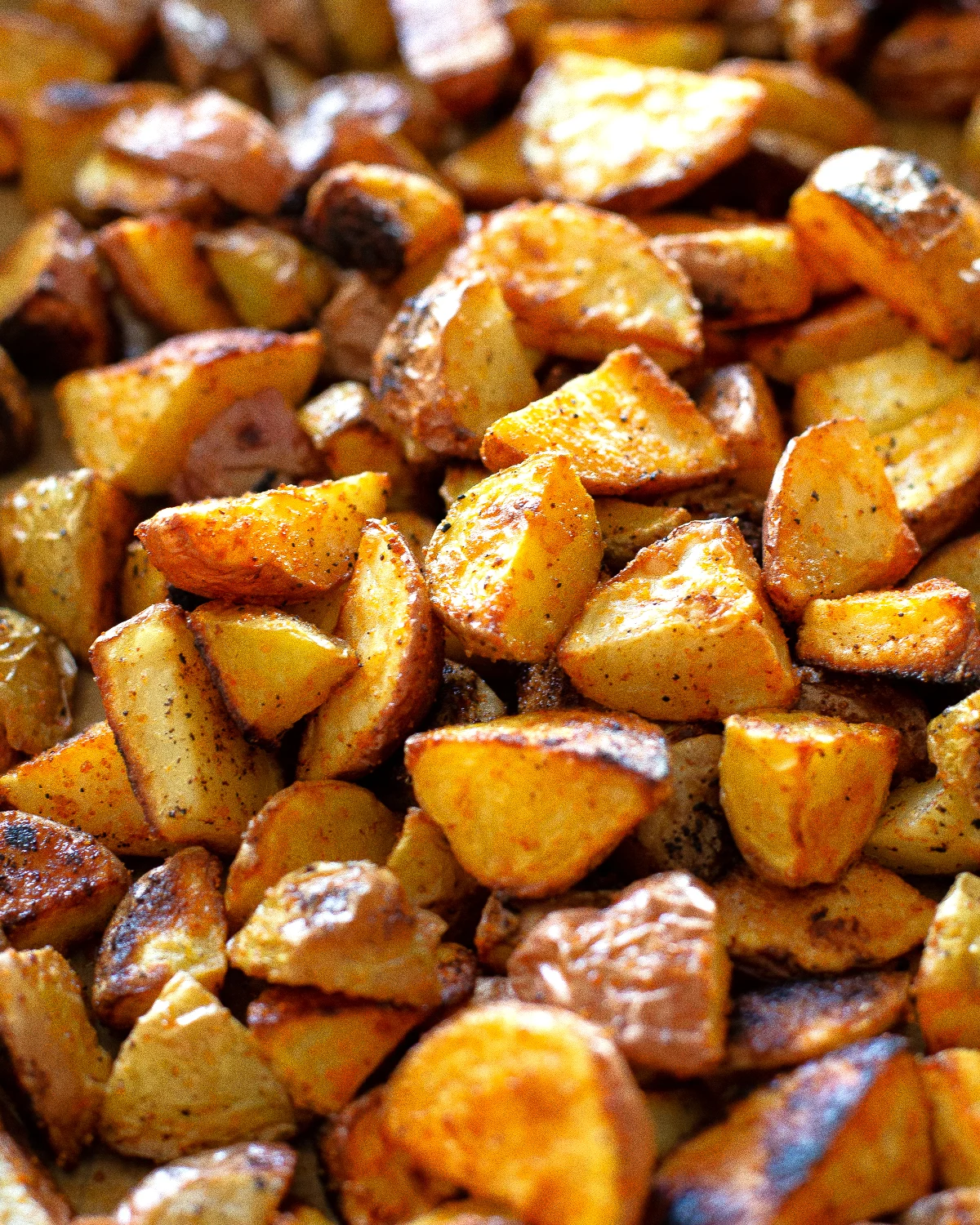
This comprehensive guide delves into the art of creating the ideal roasted potato, a universally loved side dish that can elevate any meal. While seemingly simple, achieving that coveted balance of crispy exterior and fluffy interior requires a nuanced approach, detailed here with expert tips and insights. The following information aims to equip home cooks with the knowledge to transform humble potatoes into culinary masterpieces, ensuring a delicious and satisfying experience every time.
The Science and Art of Potato Roasting
Roasted potatoes are more than just a side; they are a testament to the transformative power of heat on simple ingredients. The Maillard reaction, a complex chemical process responsible for browning and flavor development in foods, plays a crucial role in creating those delectable caramelized edges. When potatoes are exposed to high heat, the sugars and amino acids within them react, producing a symphony of savory, slightly sweet flavors and an appealing golden-brown hue. Understanding this process, combined with precise techniques, is key to mastering this classic dish.
The appeal of roasted potatoes lies in their versatility and comforting nature. They pair seamlessly with a wide array of main courses, from grilled meats and roasted poultry to hearty stews and vibrant vegetarian dishes. Their ability to absorb seasonings and complement other flavors makes them an indispensable staple in kitchens worldwide.
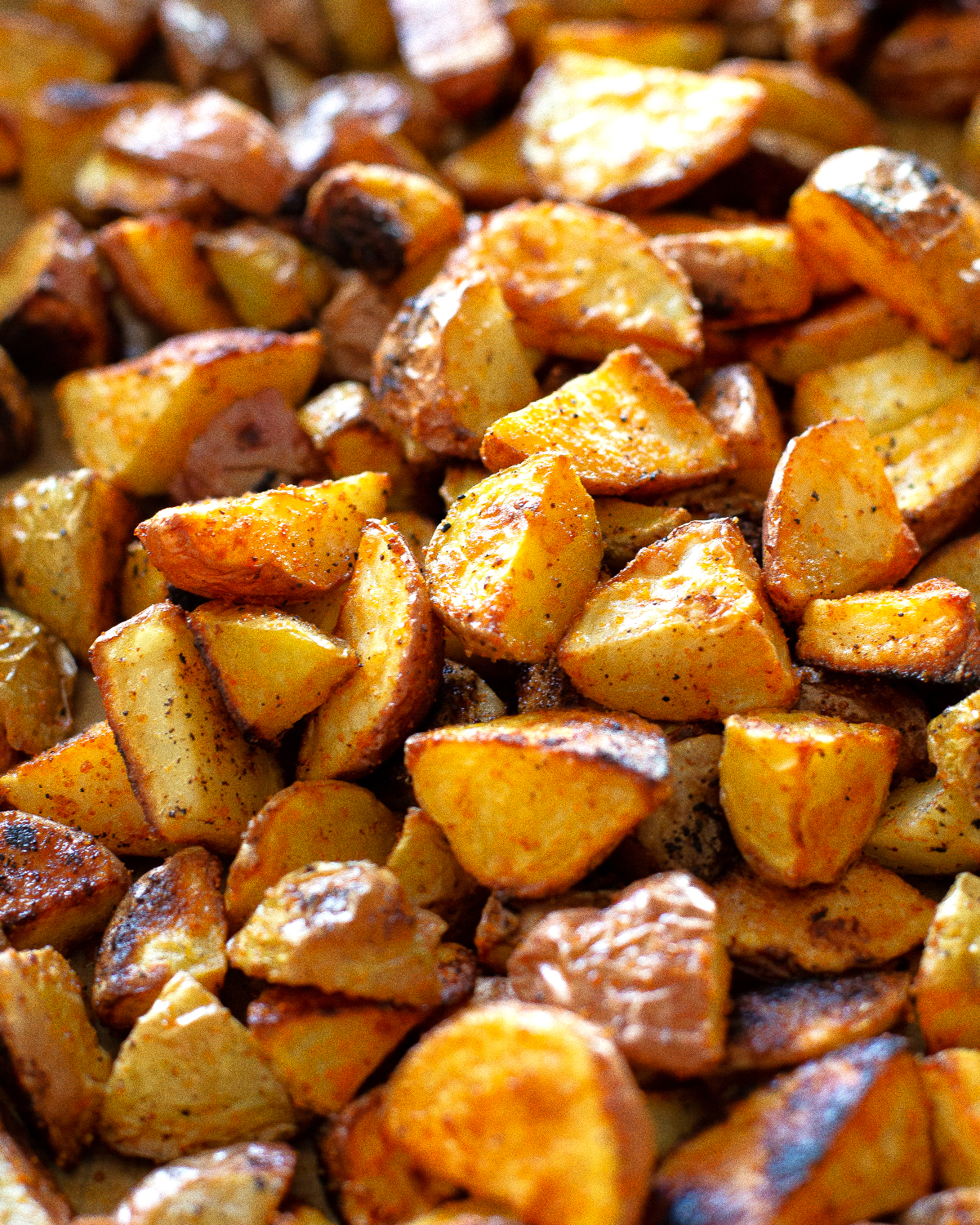
Mastering the Technique: Key Factors for Crispy Success
Achieving perfectly roasted potatoes is not a matter of chance but a result of employing specific, scientifically-backed methods. The following are the most critical elements to consider for optimal results:
The Importance of Pan Space: Avoiding the Soggy Pitfall
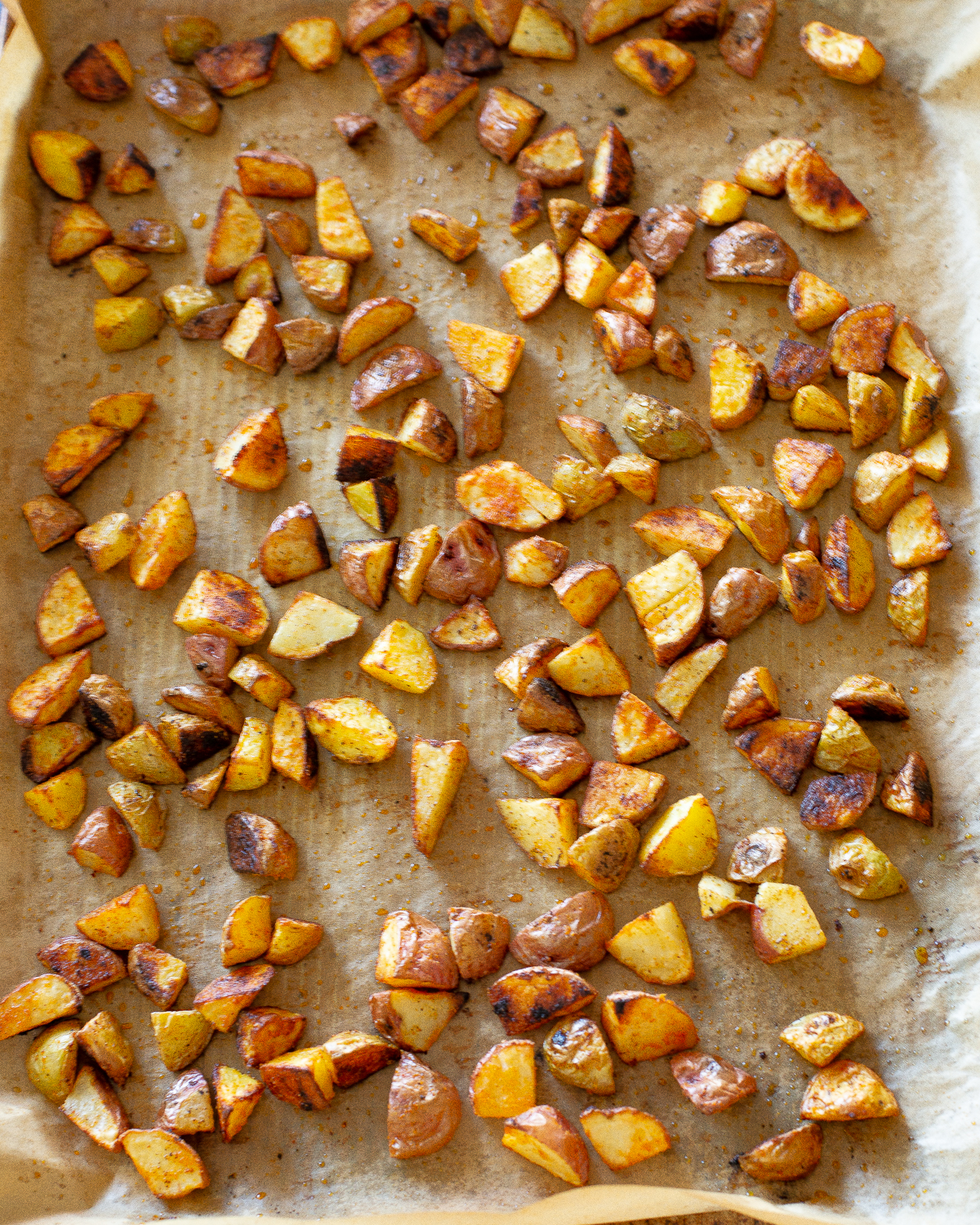
One of the most common mistakes that leads to soggy, undercooked potatoes is overcrowding the baking sheet. When potatoes are packed too tightly, they steam rather than roast. This lack of airflow prevents the exterior from crisping and results in a texture that is far from the desired outcome. For optimal roasting, a single layer of potatoes should be spread across the baking sheet, allowing ample space for air to circulate. This principle is directly related to heat transfer and moisture evaporation. A general guideline suggests that a standard baking sheet can comfortably accommodate approximately two pounds of potatoes without compromising their ability to achieve a crisp texture. Exceeding this limit will inevitably lead to a less desirable result.
The Crucial Role of Potato Size
The size at which potatoes are cut significantly impacts their cooking time and the achievement of a crispy exterior. Larger chunks will require a longer cooking time, increasing the risk of the exterior drying out before the interior is tender, or conversely, remaining undercooked. Conversely, potatoes cut too small may burn before they have a chance to develop a desirable texture. The ideal size for roasting potatoes falls between 3/4 inch and 1-inch chunks. This size ensures that the potatoes cook through evenly, allowing the exterior to achieve a satisfying crispness while the interior becomes tender and fluffy.
Harnessing the Power of Parchment Paper
Parchment paper is an invaluable tool in the kitchen, particularly for achieving perfect roasted potatoes. Its non-stick properties prevent potatoes from adhering to the baking sheet, a common frustration that can compromise the integrity of the crispy exterior. Furthermore, parchment paper can contribute to a more even and efficient heat distribution, promoting better browning and crisping. It simplifies cleanup, making the entire cooking process more enjoyable.
The Necessity of High Heat
Roasting, by its nature, requires a sufficiently high temperature to facilitate browning and crisping. For potatoes, this is particularly true. The intense heat, often around 400-425°F (200-220°C), drives the Maillard reaction and encourages the evaporation of moisture from the potato’s surface, leading to a crispy crust. This high heat is akin to the process of frying, hence the analogy of "faux-frying" when referring to achieving a similar texture through dry heat.
Selecting the Right Potato Variety
The type of potato used can also influence the final texture and flavor of roasted potatoes. While many varieties can be roasted, some are more suited to achieving the desired crispness and creamy interior.
- Yukon Gold Potatoes: These are a popular choice due to their creamy texture and slightly buttery flavor. They also possess a thin skin that does not necessarily require peeling, simplifying the preparation process. Their moderate starch content makes them excellent for roasting, yielding a tender interior and a pleasingly crisp exterior.
- Russet Potatoes: Known for their high starch content, Russet potatoes are ideal for achieving a fluffy interior and a very crispy exterior. They are a classic choice for French fries and also excel when roasted. Their skin tends to become quite crisp when roasted.
- Red Potatoes: Red potatoes offer a slightly waxy texture that holds its shape well during roasting. They tend to have a slightly sweeter flavor profile and their skin also becomes tender and appealing when roasted.
The choice of potato will ultimately depend on personal preference for texture and flavor, but all these varieties can yield delicious roasted potatoes when prepared using the recommended techniques.
A Step-by-Step Guide to Roasting Potatoes
Embarking on the journey to perfect roasted potatoes is straightforward with the following methodology:
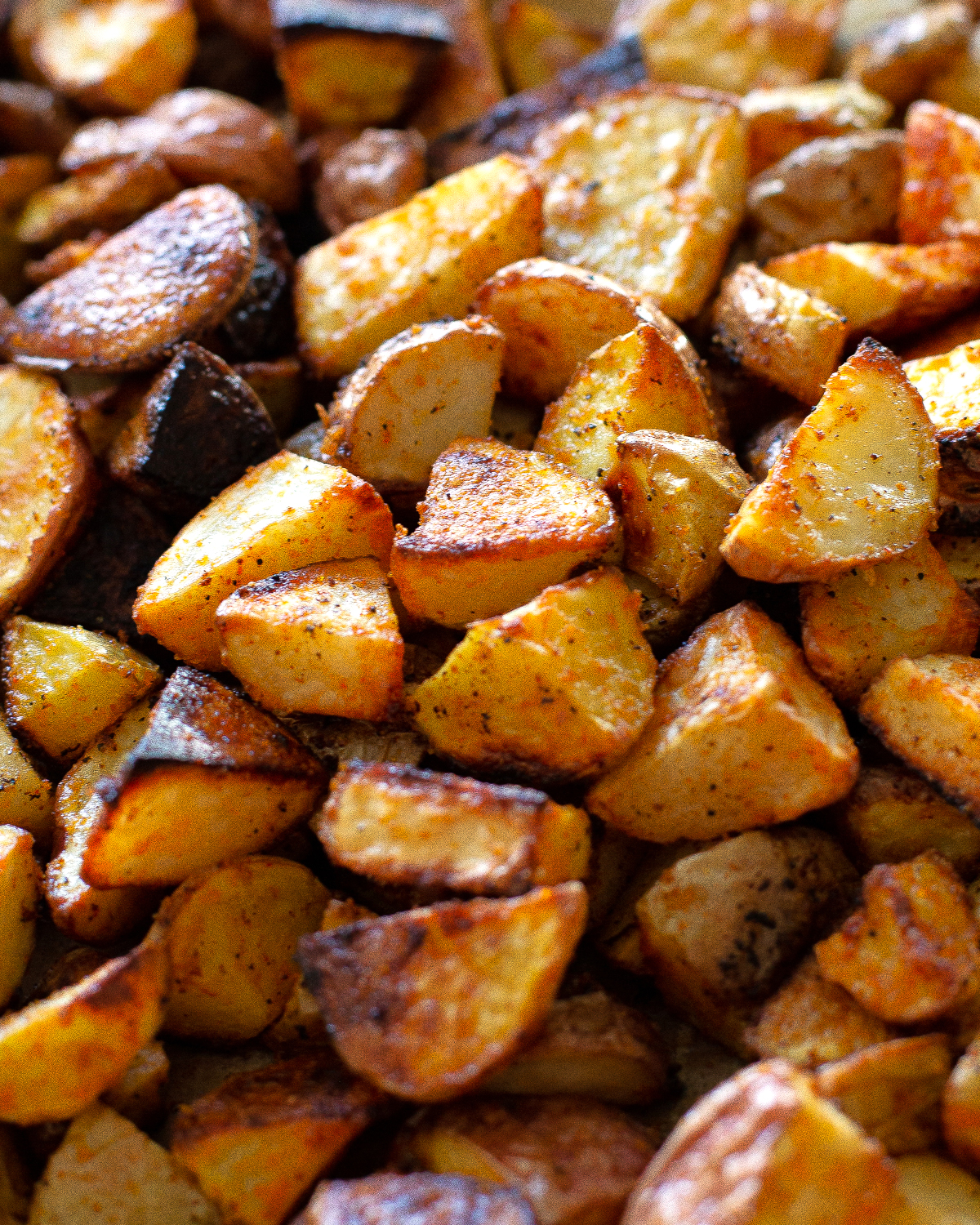
- Preheat the Oven: Begin by preheating your oven to a high temperature, typically between 400°F and 425°F (200°C to 220°C). This high heat is crucial for achieving optimal crisping.
- Prepare the Potatoes: Wash and scrub the potatoes thoroughly. Cut them into uniform 3/4-inch to 1-inch chunks. If using Russet or Yukon Gold potatoes, peeling is optional depending on your preference for the skin.
- Season Generously: In a large bowl, toss the potato chunks with a generous amount of olive oil or other high-heat cooking oil. Ensure each piece is lightly coated. Season with salt, black pepper, and any other desired herbs and spices such as rosemary, thyme, garlic powder, or paprika.
- Arrange on Baking Sheet: Line a large baking sheet with parchment paper. Spread the seasoned potato chunks in a single, even layer, ensuring they are not overcrowded. This step is critical for allowing air circulation and promoting even roasting.
- Roast to Perfection: Place the baking sheet in the preheated oven. Roast for approximately 30-45 minutes, or until the potatoes are tender on the inside and golden brown and crispy on the outside. The exact cooking time will vary depending on the size of the potato chunks and your oven.
- Flip for Even Browning: Midway through the roasting process (around the 20-25 minute mark), carefully flip the potatoes with a spatula to ensure even browning on all sides.
- Serve Hot: Once the potatoes have reached the desired level of crispness and tenderness, remove them from the oven. Serve immediately as a delicious accompaniment to your main course.
The Advantage of Make-Ahead and Reheating
One of the practical benefits of roasted potatoes is their suitability for make-ahead preparation. Once roasted, they can be stored in an airtight container in the refrigerator for up to 3-4 days. To reheat and restore their crispness, spread them in a single layer on a baking sheet and warm them in a moderate oven (around 350°F/175°C) for 5-10 minutes, or until heated through and crisp again. This allows for convenient meal planning and ensures a delicious side dish is always on hand.
Broader Culinary Implications and Future Trends
The enduring popularity of roasted potatoes speaks to their fundamental appeal as a comforting and adaptable food. As culinary trends evolve, the methods for preparing classic dishes are continually refined. Innovations in oven technology, such as convection settings that enhance air circulation, can further optimize roasting results. Furthermore, the exploration of diverse seasoning blends and international flavor profiles offers endless possibilities for customizing this beloved side dish. From smoky paprika and chili powder for a Southwestern flair to za’atar and lemon for a Mediterranean twist, the humble roasted potato continues to be a canvas for culinary creativity. The ongoing interest in home cooking and the desire for simple yet satisfying meals ensure that the art of roasting potatoes will remain a cornerstone of kitchens for years to come.
