
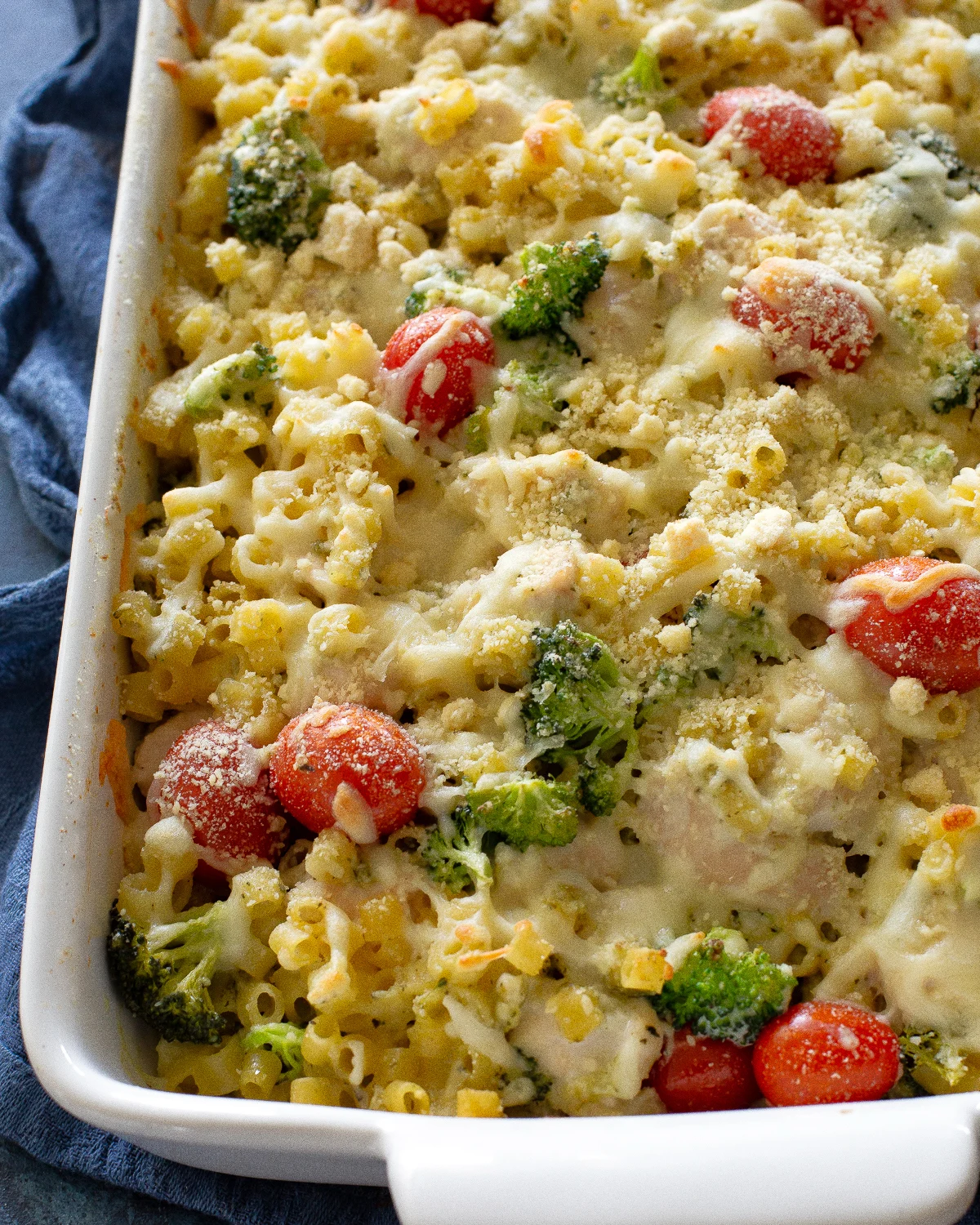
The genesis of the Chicken Pesto Pasta Bake can be traced to a moment of culinary improvisation, where the creator, driven by the need for a quick and satisfying meal, assembled available ingredients from their refrigerator. This spontaneous creation, however, initially presented a learning curve. Early attempts revealed a critical flaw in the preparation process: combining all ingredients at the outset hindered the pasta’s ability to absorb moisture and cook evenly. This setback led to a refined methodology, emphasizing the importance of ingredient layering and timing. The revised technique prioritizes allowing the pasta to rest at the base of the baking dish with the broth, facilitating optimal moisture absorption before subsequent ingredients are incorporated and the dish is baked. This adjustment ensures that the pasta achieves the perfect al dente texture, a crucial element for the dish’s success.
The Science of Dump-and-Bake Efficiency
The "dump-and-bake" cooking method, while seemingly straightforward, relies on precise scientific principles to achieve optimal results. This technique leverages the controlled environment of an oven to cook ingredients that are typically prepared separately. The success of a dump-and-bake meal hinges on several factors:
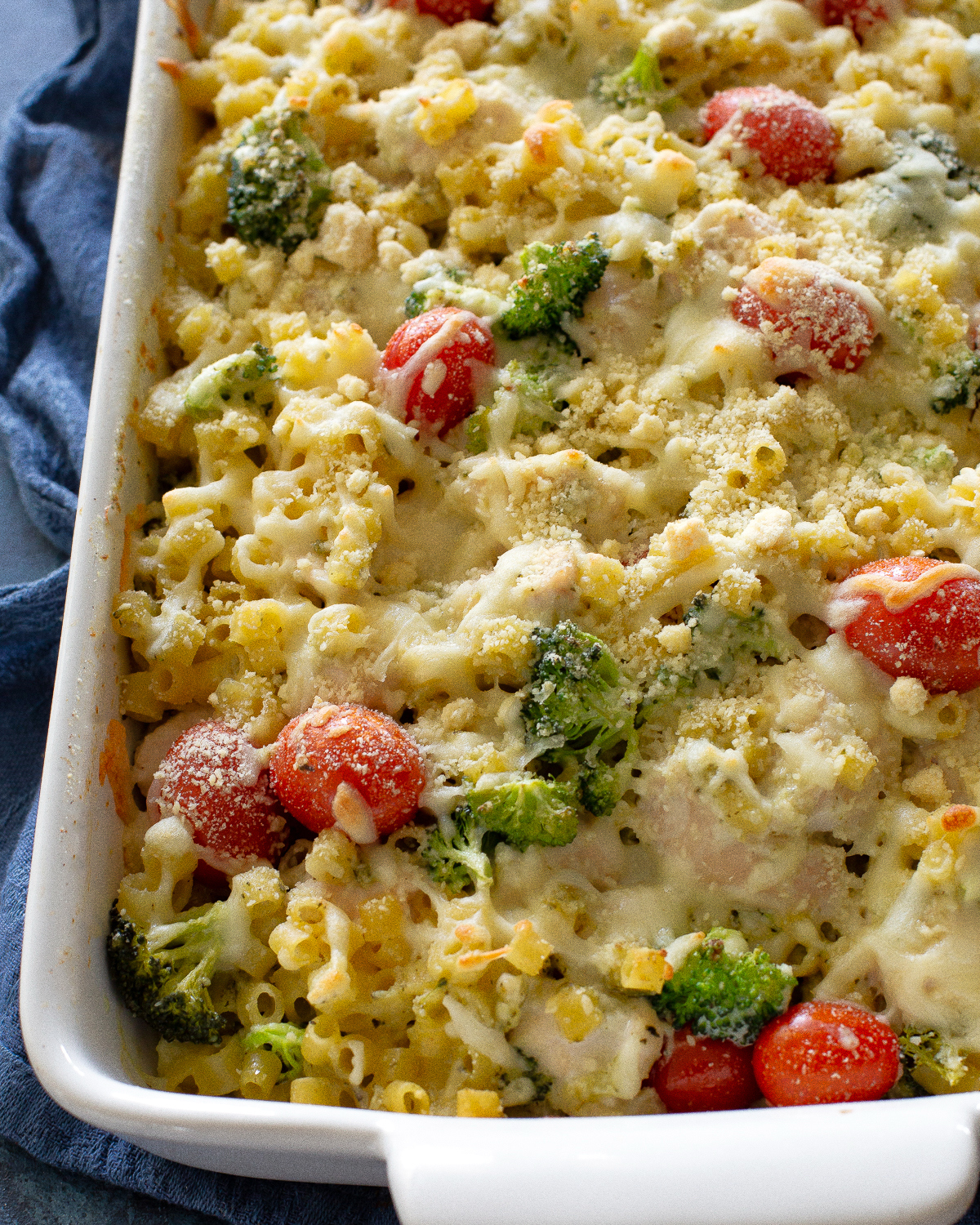
- Moisture Management: The core challenge, as identified in the development of the Chicken Pesto Pasta Bake, is ensuring adequate moisture for ingredients like pasta to cook through. The use of broth or other liquids is essential, and the timing of their introduction plays a vital role. The initial resting period for the pasta with the broth allows for a slow, even absorption, preventing the pasta from becoming gummy or undercooked.
- Heat Transfer: Oven baking provides consistent, radiant heat that cooks ingredients from all sides. The materials of the baking dish also influence heat transfer; ceramic and glass dishes tend to retain heat, promoting even cooking, while metal dishes heat up more quickly and can lead to faster browning.
- Ingredient Compatibility: The combination of ingredients must be carefully considered. The acidity of tomatoes, the richness of pesto, and the protein from chicken and cottage cheese all interact during the baking process. Cottage cheese, in particular, acts as a creamy binder and a source of protein, contributing to the dish’s overall texture and nutritional profile.
- Time and Temperature: The specific cooking time and temperature are calibrated to ensure that all components reach their ideal cooked state simultaneously. Overcooking can lead to dry chicken or mushy pasta, while undercooking will leave ingredients raw or insufficiently heated.
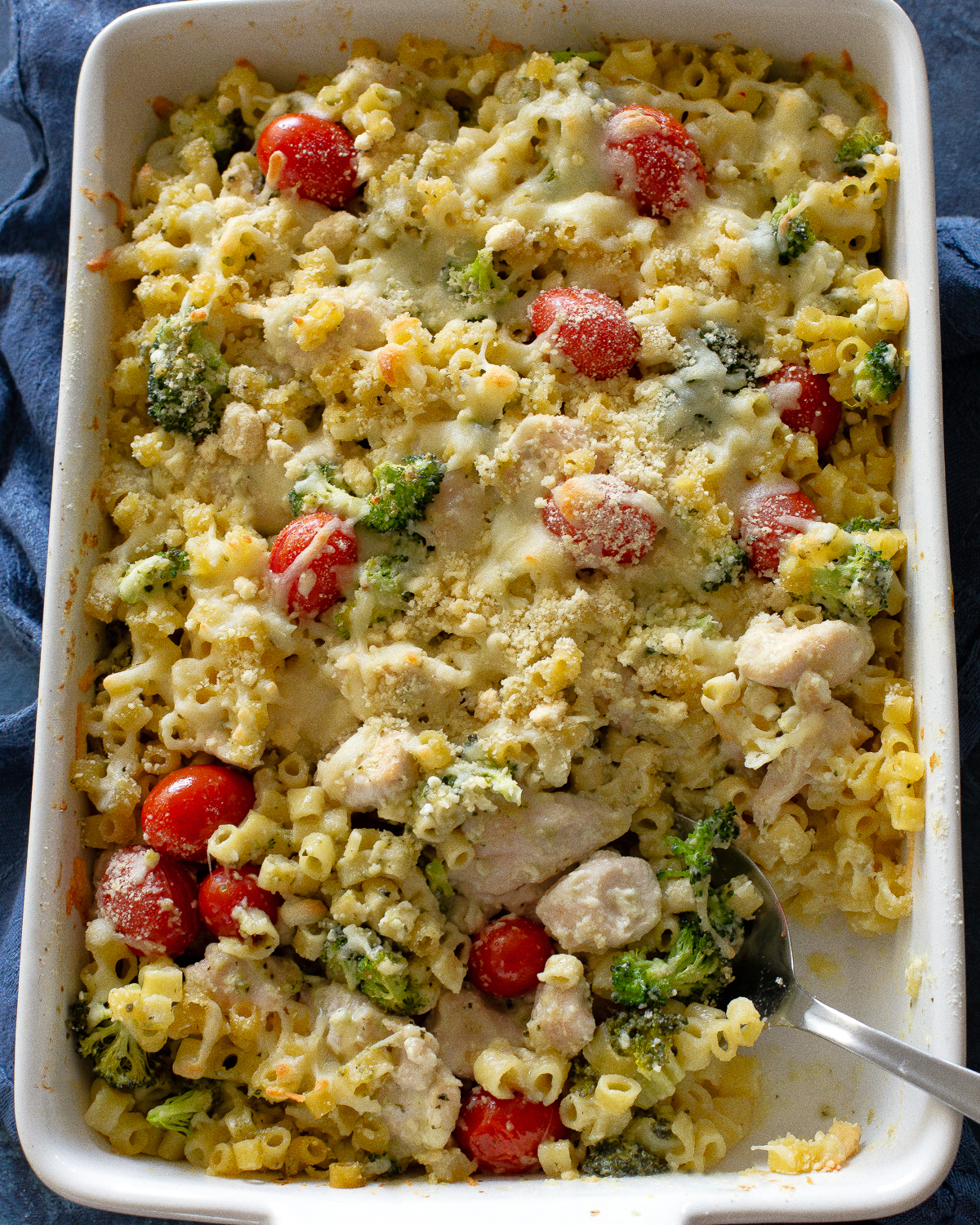
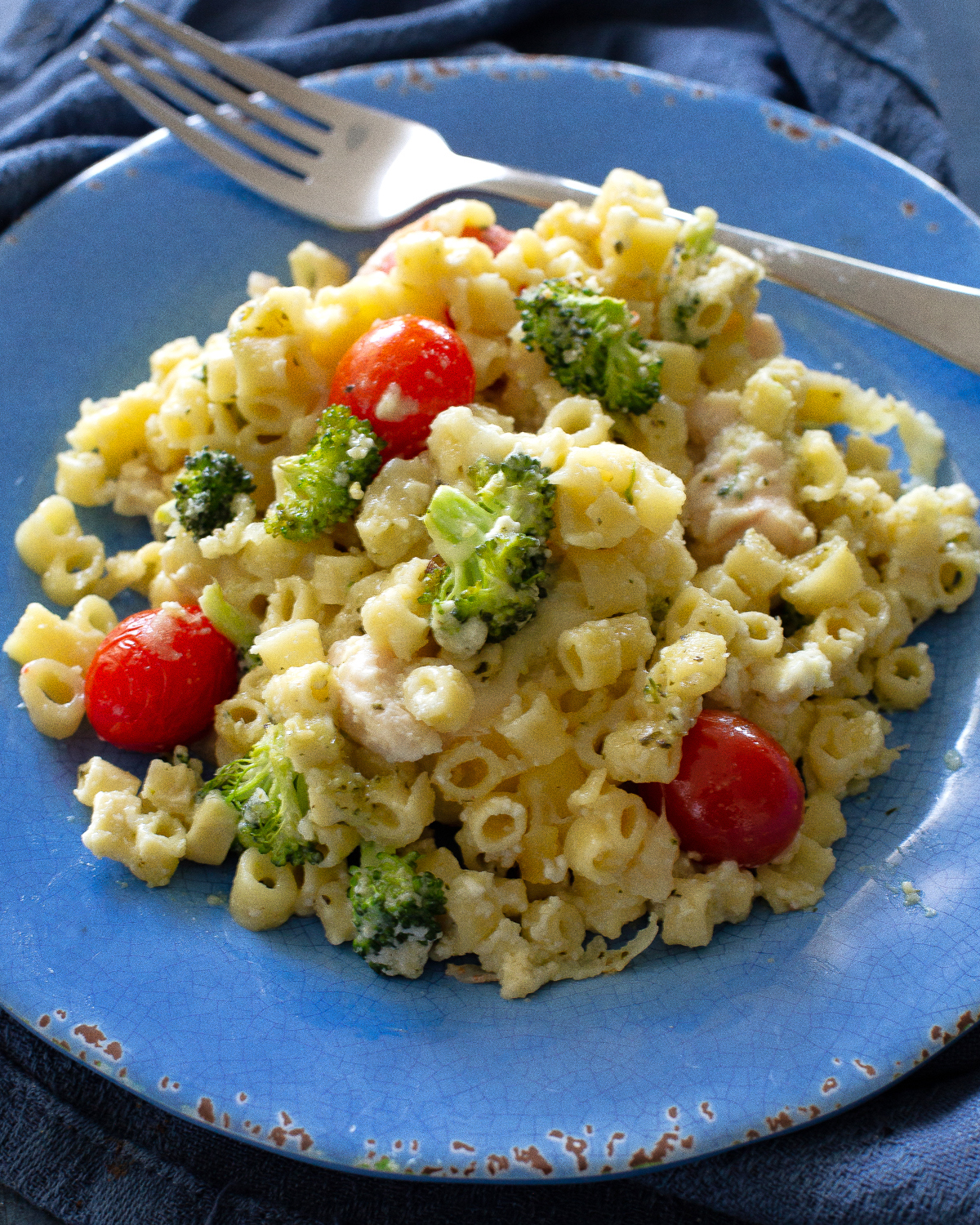
The Chicken Pesto Pasta Bake exemplifies how these principles can be harnessed to create a convenient and delicious meal. The integration of ingredients like broccoli and tomatoes adds essential vitamins and fiber, enhancing the dish’s nutritional completeness.
A Culinary Innovation for the Modern Household
In an era where time is a precious commodity, the demand for convenient and healthy meal solutions has never been greater. The Chicken Pesto Pasta Bake emerges as a response to this growing need, offering a viable alternative to time-consuming meal preparation.
Supporting Data:
- Growth in Convenience Food Market: The global convenience food market has witnessed substantial growth, driven by busy lifestyles and an increasing preference for ready-to-cook or ready-to-eat options. Reports indicate a compound annual growth rate (CAGR) that underscores the consumer demand for simplified food preparation.
- Popularity of Pasta Dishes: Pasta remains a globally beloved staple, favored for its versatility and affordability. Recipes that incorporate pasta into one-pot or bake-and-serve formats are consistently popular among home cooks.
- Health and Wellness Trends: While convenience is key, consumers are also increasingly health-conscious. Dishes that offer a balance of protein, vegetables, and carbohydrates, like the Chicken Pesto Pasta Bake, align with these evolving dietary preferences. The inclusion of ingredients like cottage cheese, known for its high protein content and lower fat options, further caters to this trend.
The development of such recipes reflects a broader shift in culinary trends, where ease of preparation is no longer a trade-off for quality or nutritional value. The Chicken Pesto Pasta Bake, with its thoughtful ingredient combination and refined cooking technique, stands as a testament to this evolution.
The Role of Pesto and Cottage Cheese
The distinctive flavor profile of the Chicken Pesto Pasta Bake is significantly enhanced by two key ingredients: pesto and cottage cheese.
- Pesto: Traditionally made from basil, pine nuts, garlic, Parmesan cheese, and olive oil, pesto offers a vibrant, herbaceous, and slightly nutty flavor. Its rich oil content also contributes to the sauce’s emulsification and helps to coat the pasta and other ingredients, ensuring a harmonious blend of flavors. The versatility of pesto allows for variations, with different herbs and nuts being used to create unique taste experiences.
- Cottage Cheese: Often overlooked in savory dishes, cottage cheese plays a crucial role in this pasta bake. When baked, it transforms into a creamy, mild base that binds the ingredients together without overpowering other flavors. Its high protein content adds a significant nutritional boost, making the dish more filling and satisfying. Furthermore, cottage cheese can be a healthier alternative to heavy creams or excessive amounts of cheese, contributing to a more balanced nutritional profile.
The synergistic interplay between the bright, aromatic pesto and the creamy, protein-rich cottage cheese creates a complex yet comforting flavor and texture that distinguishes this dish.
Future Implications and Consumer Impact
The success of the Chicken Pesto Pasta Bake, and indeed the broader trend of innovative dump-and-bake recipes, has several implications for consumers and the food industry:
- Democratization of Cooking: Simplified recipes empower individuals with varying levels of culinary skill to prepare delicious and nutritious meals at home, reducing reliance on expensive takeout or pre-packaged meals.
- Reduced Food Waste: By utilizing readily available pantry staples and encouraging resourceful cooking, these recipes can contribute to a reduction in household food waste.
- Innovation in Meal Kits and Prepared Foods: The popularity of such recipes may influence the development of new meal kits and prepared food offerings, focusing on ease of assembly and balanced nutrition.
- Dietary Adaptations: The foundational recipe can serve as a base for various dietary modifications, such as gluten-free pasta options or the inclusion of plant-based proteins, further broadening its appeal.
As home cooks continue to seek efficient and enjoyable ways to prepare meals, innovations like the Chicken Pesto Pasta Bake are poised to play an increasingly significant role in shaping our culinary habits. The initial challenges in its development highlight the iterative process of culinary creation, where problem-solving leads to refined and ultimately more successful dishes. This dish is more than just a meal; it’s a testament to the ingenuity of home cooks and the evolving landscape of convenient, wholesome dining.
