
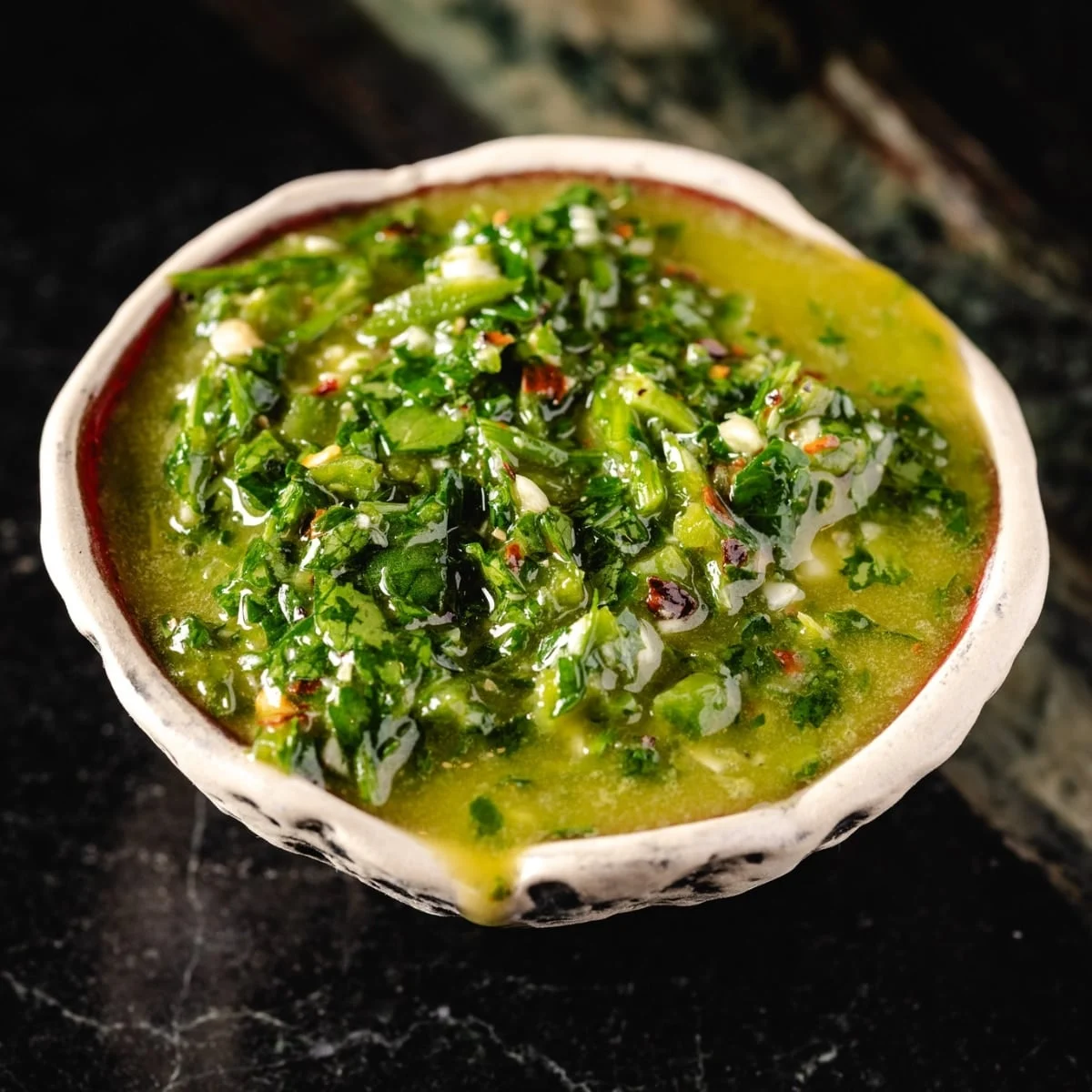
The landscape of backyard barbecue and home grilling is undergoing a significant transformation as enthusiasts move away from processed, sugar-laden bottled sauces toward fresh, herb-centric emulsions. At the forefront of this movement is the emergence of Jalapeño Chimichurri, a spicy iteration of the classic Argentine condiment that combines traditional South American techniques with North American heat profiles. This culinary development, championed by industry experts such as Susie Bulloch, founder of the "Hey Grill Hey" platform, represents a broader shift in consumer preferences toward "clean label" ingredients and complex, layered flavor profiles that emphasize acidity and freshness over heavy syrups.
The traditional chimichurri, which originated in the Río de la Plata region of Argentina and Uruguay, has long been the gold standard for pairing with grilled meats, particularly beef. However, the modern adaptation involving charred jalapeños introduces a smoky depth and a "sweet heat" that aligns with contemporary palate trends. By blistering the pepper over an open flame before incorporating it into a blend of parsley, cilantro, garlic, red wine vinegar, and olive oil, cooks are able to modify the chemical structure of the capsaicin and sugars within the pepper, resulting in a more nuanced condiment.
Historical Context and the Modernization of Chimichurri
To understand the significance of the Jalapeño Chimichurri, one must look at the origins of its predecessor. Chimichurri was historically the creation of the gauchos—nomadic cowboys of the South American pampas—who required a simple, portable sauce to flavor the meat they cooked over open fires. The original recipe focused on dried herbs, oil, and vinegar. As the sauce migrated into urban kitchens, fresh parsley became the dominant ingredient.

The contemporary introduction of the jalapeño into this heritage recipe reflects the globalization of barbecue culture. Culinary historians note that as the "BBQ Hero" movement has grown through digital platforms and social media, there has been an increased demand for "fusion" condiments. The jalapeño, a staple of Mexican and Tex-Mex cuisine, provides a bridge between the herbaceous traditions of the South and the heat-forward preferences of the North. Experts suggest that the popularity of this specific sauce variant is also tied to the "charring" trend, where vegetables are intentionally blackened to unlock umami flavors that were previously absent in raw preparations.
Technical Analysis: The Science of Charring and Emulsification
The preparation of Jalapeño Chimichurri is a study in thermal chemistry and flavor extraction. The process begins with the "blistering" of the jalapeño. When the skin of the pepper is exposed to high radiant heat—typically over charcoal or a gas burner—the moisture in the skin vaporizes, causing it to separate from the flesh and blacken. This Maillard reaction not only softens the pepper’s texture but also caramelizes the natural sugars, tempering the raw "green" bite of the jalapeño and replacing it with a subtle smokiness.
Following the charring, the integration of fats and acids becomes the primary focus. The use of extra virgin olive oil serves as the lipid carrier for the fat-soluble flavor compounds in the garlic and herbs. Red wine vinegar provides the necessary pH balance to cut through the richness of grilled proteins like ribeye steak or lamb. The inclusion of both parsley and cilantro offers a dual-herb profile: parsley provides a clean, peppery base, while cilantro adds a citrusy, aromatic top note. When processed together, these ingredients form a stable suspension that coats food more effectively than water-based sauces.
Chronology of Preparation: From Flame to Plate
The lifecycle of the Jalapeño Chimichurri is remarkably efficient, designed to be completed within the window of time that a primary protein is resting after being removed from the grill. The chronological steps are as follows:

- Pre-Grill Preparation: The grill is brought to a high temperature. The jalapeño is kept whole to preserve its internal juices during the heating process.
- The Blistering Phase: The pepper is placed directly over the heat source. It is rotated frequently for approximately 3 to 5 minutes until the skin is charred and the flesh is tender.
- The Cooling and Prep Window: While the pepper cools slightly, the fresh herbs (parsley and cilantro) are washed and roughly chopped. Garlic cloves are peeled and prepared for mincing.
- The Assembly: The charred jalapeño is finely diced. In a medium mixing bowl or a food processor, the herbs, garlic, and jalapeño are combined.
- The Emulsification: Red wine vinegar and salt are added to the mixture. Finally, the olive oil is whisked or pulsed in. This order is crucial, as the salt needs to dissolve in the vinegar before being coated by the oil.
- The Resting Period: Ideally, the sauce sits for at least 10 minutes, allowing the flavors to marry before being spooned over hot meat or vegetables.
Nutritional Profile and Health Implications
As consumers become more health-conscious, the nutritional data of condiments has come under increased scrutiny. Traditional BBQ sauces can contain upwards of 15 grams of sugar per serving. In contrast, Jalapeño Chimichurri offers a nutrient-dense alternative. According to data provided by the "Hey Grill Hey" test kitchen, a standard serving of this sauce contains approximately 171 calories, the majority of which are derived from monounsaturated fats found in olive oil.
The micronutrient profile is particularly noteworthy. A single serving provides 1075 IU of Vitamin A and 15 mg of Vitamin C, largely due to the high concentration of fresh herbs and peppers. Furthermore, the sodium content is relatively moderate at 443 mg, and the sugar content is negligible at 0.2 g. This makes the sauce an ideal candidate for those following ketogenic, paleo, or Mediterranean diets. The presence of capsaicin in the jalapeño is also associated with metabolic boosts, adding a functional health benefit to the culinary experience.
Industry Perspectives and Market Trends
The rise of homemade, specialized sauces like Jalapeño Chimichurri is part of a larger trend in the global condiment market. Market research indicates that the global hot sauce and specialty condiment market is expected to reach a valuation of over $5 billion by 2030. This growth is driven by a "premiumization" of the category, where home cooks are willing to invest more time and money into high-quality ingredients for their sauces.
Susie Bulloch, a prominent figure in the grilling community and the creator of this specific recipe, has observed a shift in how home cooks perceive their role. "Once you start making your own sauces and condiments, the store-bought stuff kind of loses its appeal," Bulloch stated in a recent analysis of backyard cooking trends. Her platform emphasizes the concept of becoming a "Backyard BBQ Hero," a title earned not just through the grilling of meat, but through the mastery of the entire flavor ecosystem, including sides and sauces.

Culinary educators also point out that recipes like this are "gateway" recipes. They teach the fundamental balance of fat, acid, heat, and salt. By mastering a chimichurri, a cook understands the architecture of many Mediterranean and Latin American sauces, leading to further experimentation with ingredients like shallots, capers, or different varieties of chilies.
Broader Impact on Home Entertaining and Culinary Culture
The implications of the Jalapeño Chimichurri extend beyond the individual kitchen. It represents a democratization of "chef-level" flavors. Previously, complex herb oils and charred vegetable salsas were the domain of high-end steakhouses. Now, with the proliferation of digital recipes and specialized apps, these techniques are accessible to the average consumer.
The versatility of the sauce also encourages a more diverse grilling palette. While traditionally served with steak, the Jalapeño Chimichurri is increasingly used to brighten grilled seafood, roasted vegetables, and even poultry. This versatility helps reduce food waste, as the sauce can be repurposed across multiple meals throughout the week.
In conclusion, the Jalapeño Chimichurri is more than just a condiment; it is a symbol of the modern griller’s evolution. It reflects a sophisticated understanding of flavor science, a respect for culinary history, and a commitment to health and freshness. As the grilling season continues to expand into a year-round activity for many, the demand for vibrant, punchy, and homemade additions like this spicy chimichurri is only expected to increase, solidifying its place in the pantheon of great American—and global—barbecue traditions.
