
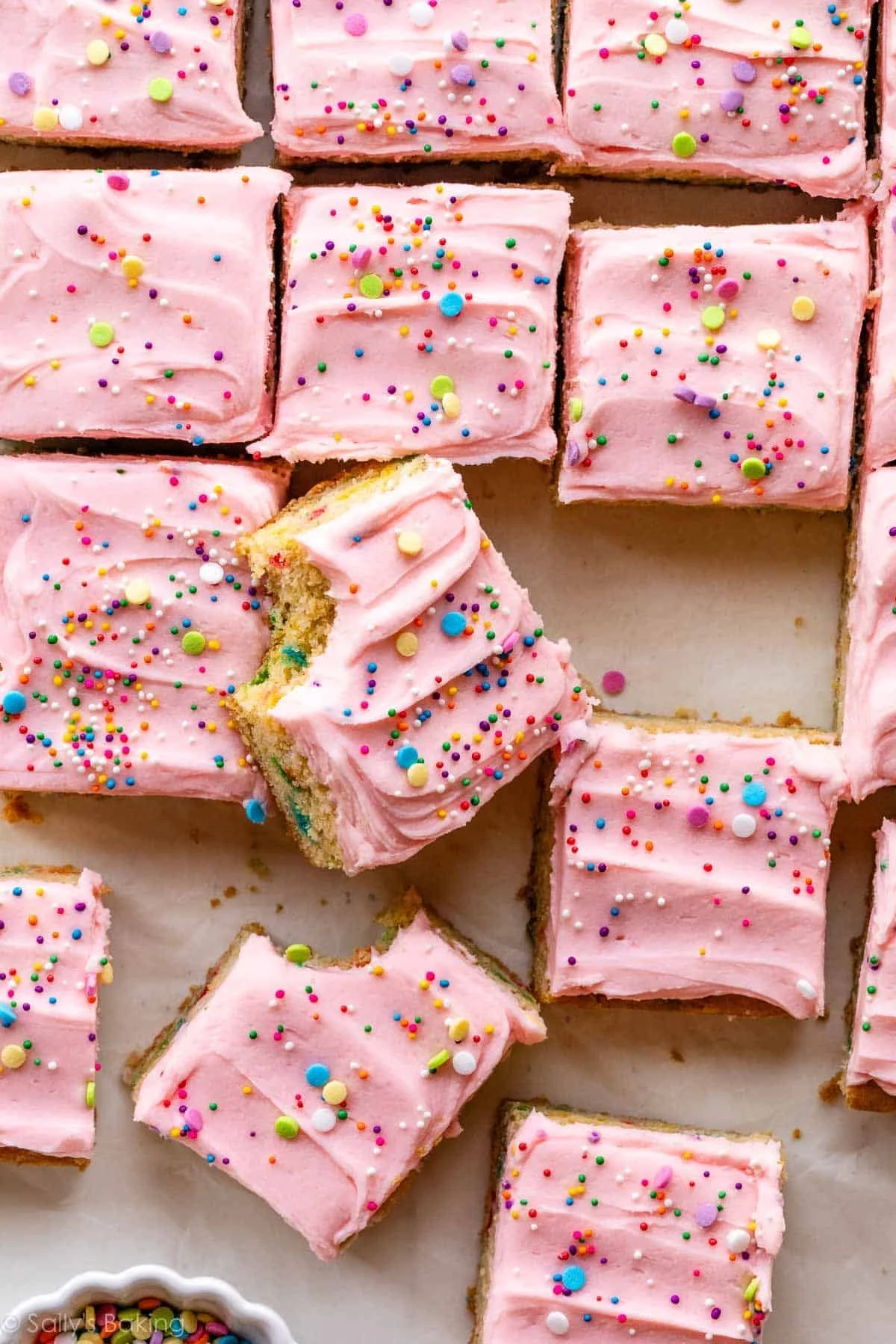
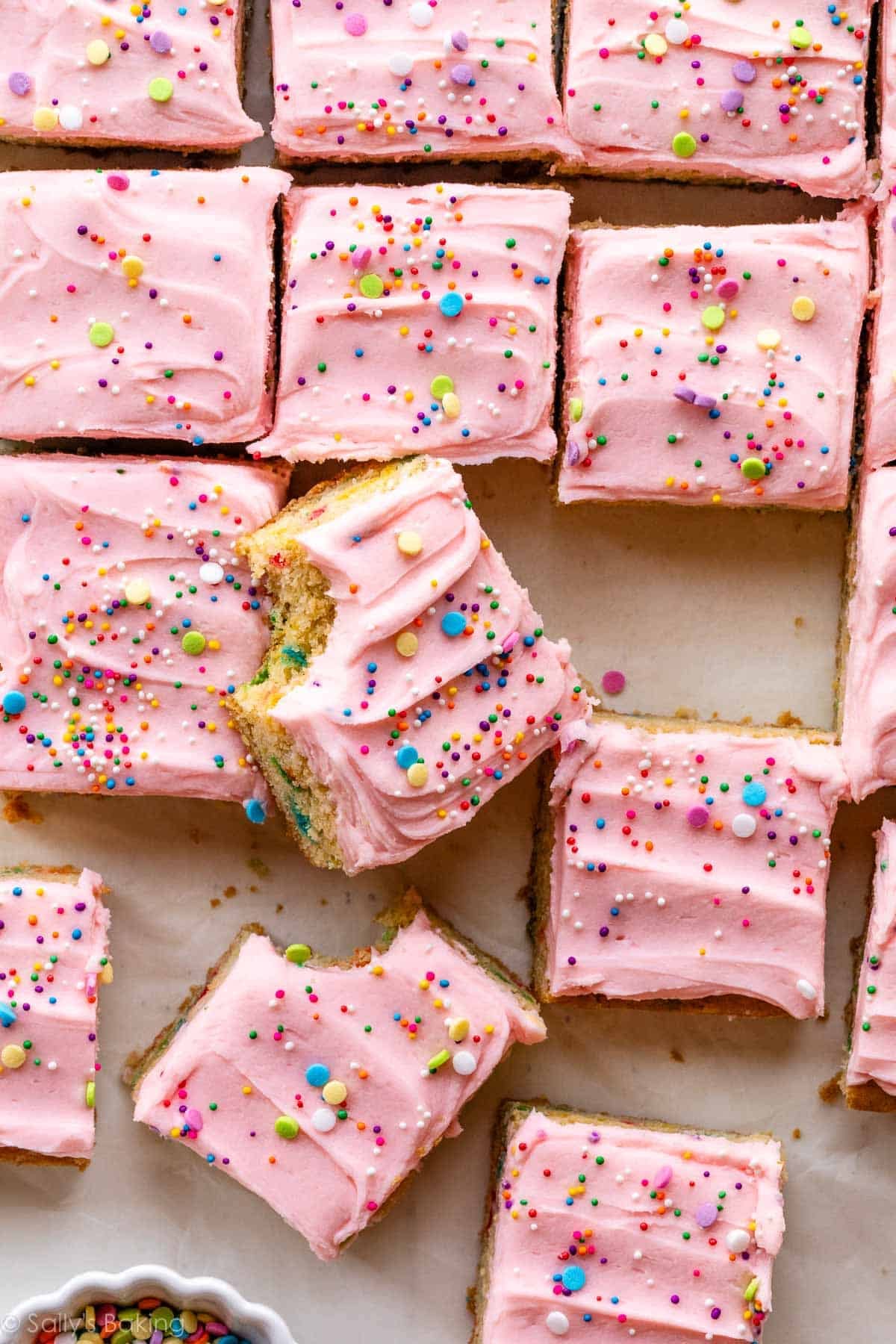
In an era where culinary convenience increasingly meets the desire for homemade quality, the emergence and sustained popularity of frosted sugar cookie bars represent a significant trend in contemporary home baking. This innovative approach re-imagines the classic, often labor-intensive sugar cookie into a streamlined, accessible format, offering a buttery, extra soft, and wonderfully chewy dessert topped with a generous layer of creamy vanilla buttercream and vibrant sprinkles. Crucially, this method eliminates the traditional requirements of dough chilling, individual rolling, and intricate cutting, positioning it as a highly efficient solution for diverse celebratory occasions throughout the year.
The Rise of Simplified Indulgence in Home Baking
The modern home baker often navigates a landscape defined by time constraints and a yearning for comfort food that doesn’t compromise on taste or aesthetic appeal. Traditional cut-out sugar cookies, while beloved for their nostalgic charm and customizability, typically demand a considerable investment of time, involving dough preparation, chilling periods, precise rolling, individual cutting, and often elaborate decoration. This multi-step process can be a deterrent for many, particularly when preparing desserts for larger gatherings or on shorter notice.
The sugar cookie bar directly addresses these challenges by consolidating the baking process into a single pan. This format speaks to a broader culinary movement towards "easy-bake" solutions and sheet pan desserts that minimize effort without sacrificing the sensory experience. Data from various culinary trend reports indicates a sustained consumer interest in recipes that offer high reward for relatively low effort, particularly in the realm of comfort baking. The appeal lies in achieving the satisfaction of a scratch-made dessert with the efficiency often associated with store-bought alternatives. This shift reflects evolving consumer lifestyles, where time-saving methods are highly valued, yet the desire for authentic, flavorful treats remains undiminished.
Anatomy of a Modern Classic: The Sugar Cookie Bar Phenomenon
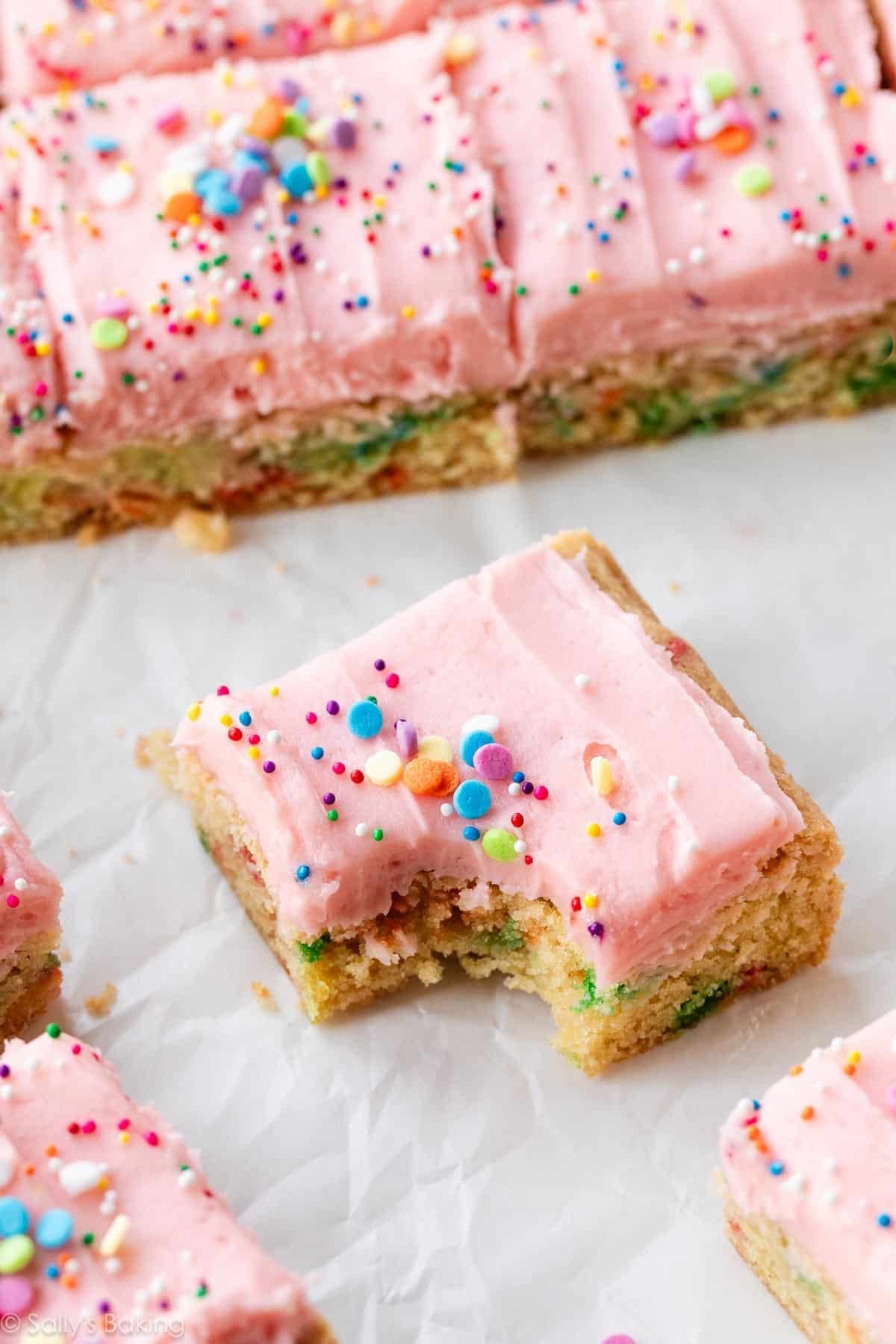
The appeal of the frosted sugar cookie bar stems from a carefully calibrated recipe designed for optimal texture and flavor in its simplified form. Unlike merely baking a standard sugar cookie dough in a pan, this recipe is specifically formulated to yield a distinct profile: a base that is both soft and chewy, with edges that achieve a delicate golden hue while the center remains tender. This particular balance is crucial, preventing the bars from becoming dry or overly crumbly, a common pitfall in less refined bar recipes.
The foundational elements – flour, baking powder, baking soda, cornstarch, salt, butter, sugar, eggs, and a blend of vanilla and almond extracts – are meticulously combined. The inclusion of cornstarch, for instance, is a strategic choice, contributing to the characteristic tender crumb and soft texture that differentiates these bars. The interplay of both baking powder and baking soda ensures an ideal rise and a light, airy quality within the dense bar. Furthermore, the strategic absence of dough chilling is not merely a shortcut but an integral part of the recipe’s design, ensuring immediate bakeability and a consistent result. This innovative approach allows bakers to move directly from mixing to baking, significantly reducing preparation time, a critical factor for busy individuals and spontaneous celebrations.
Historical Context: Reimagining a Timeless Treat
The sugar cookie, in its many forms, boasts a rich history dating back to the 1700s in colonial America, evolving from German-Dutch settlers’ "Nazareth Cookies." These early versions were simple, butter-based cookies, often flavored with nutmeg or cinnamon. Over centuries, the sugar cookie became a staple, particularly during holidays, known for its versatility in shape and decoration. The transition from individual cookies to a bar format can be seen as a natural evolution, mirroring broader trends in culinary innovation that seek to adapt beloved classics to modern demands for efficiency and ease of serving.
The initial publication of this specific sugar cookie bar recipe in 2014, followed by subsequent updates including new photography, video tutorials, and enhanced success tips, exemplifies how digital platforms and food blogs have become pivotal in the evolution and dissemination of recipes. This iterative refinement process, driven by baker feedback and continuous experimentation, ensures that recipes remain relevant and user-friendly, catering to a global audience seeking reliable and delicious results. This chronology highlights the dynamic nature of online culinary content, where recipes are not static but living entities, continuously improved and adapted.
The Craft of the Bar: Ingredients and Preparation Insights
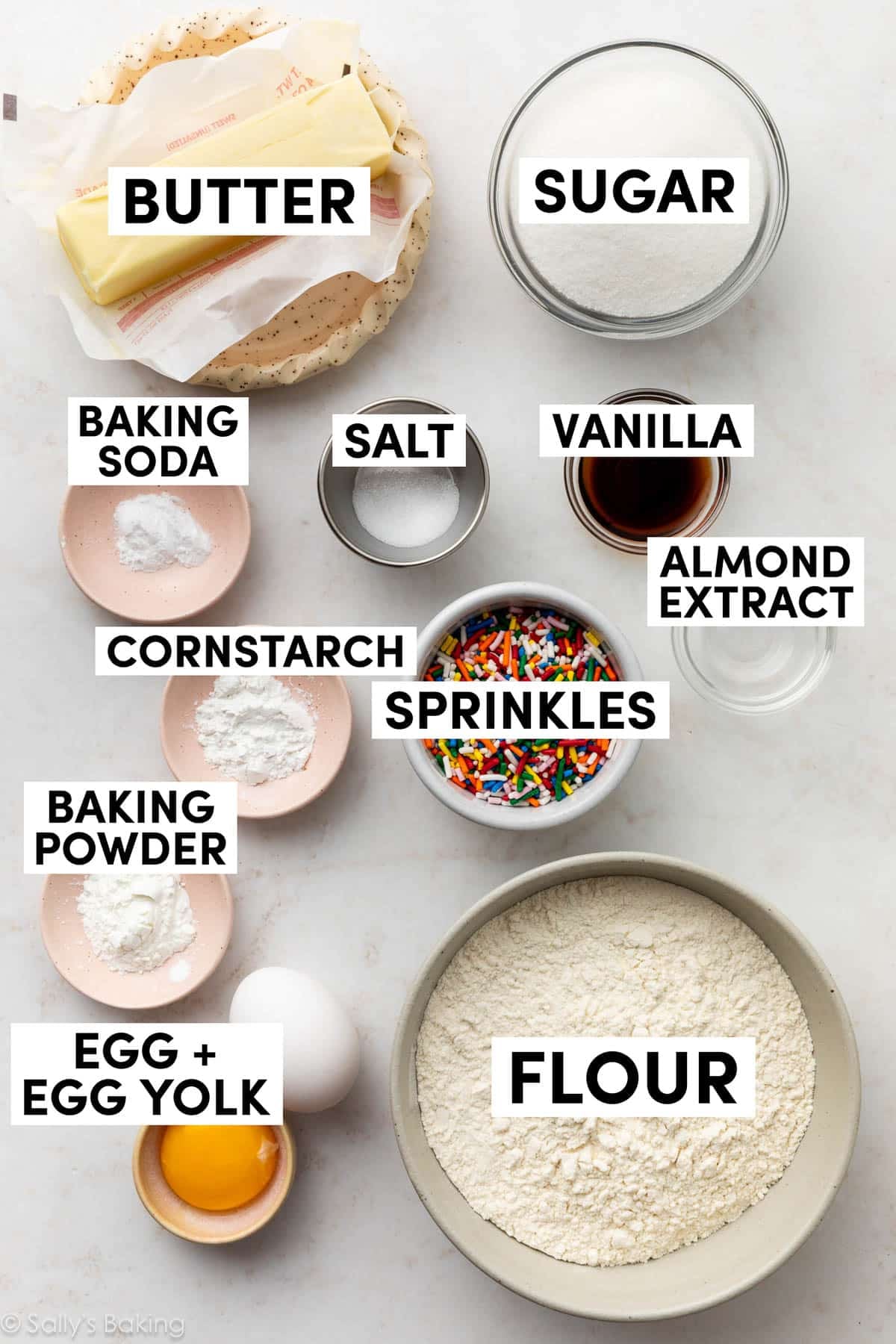
Creating these sugar cookie bars involves a straightforward process, making them an excellent entry point for beginner bakers while still satisfying experienced enthusiasts. The initial steps involve separately whisking dry ingredients and creaming together butter and sugar with an electric mixer – a fundamental baking technique that introduces air for a lighter texture. The remaining wet ingredients, including eggs and the dual extracts (vanilla for classic sweetness, almond for a distinctive bakery-style depth), are then incorporated, followed by the dry mixture.
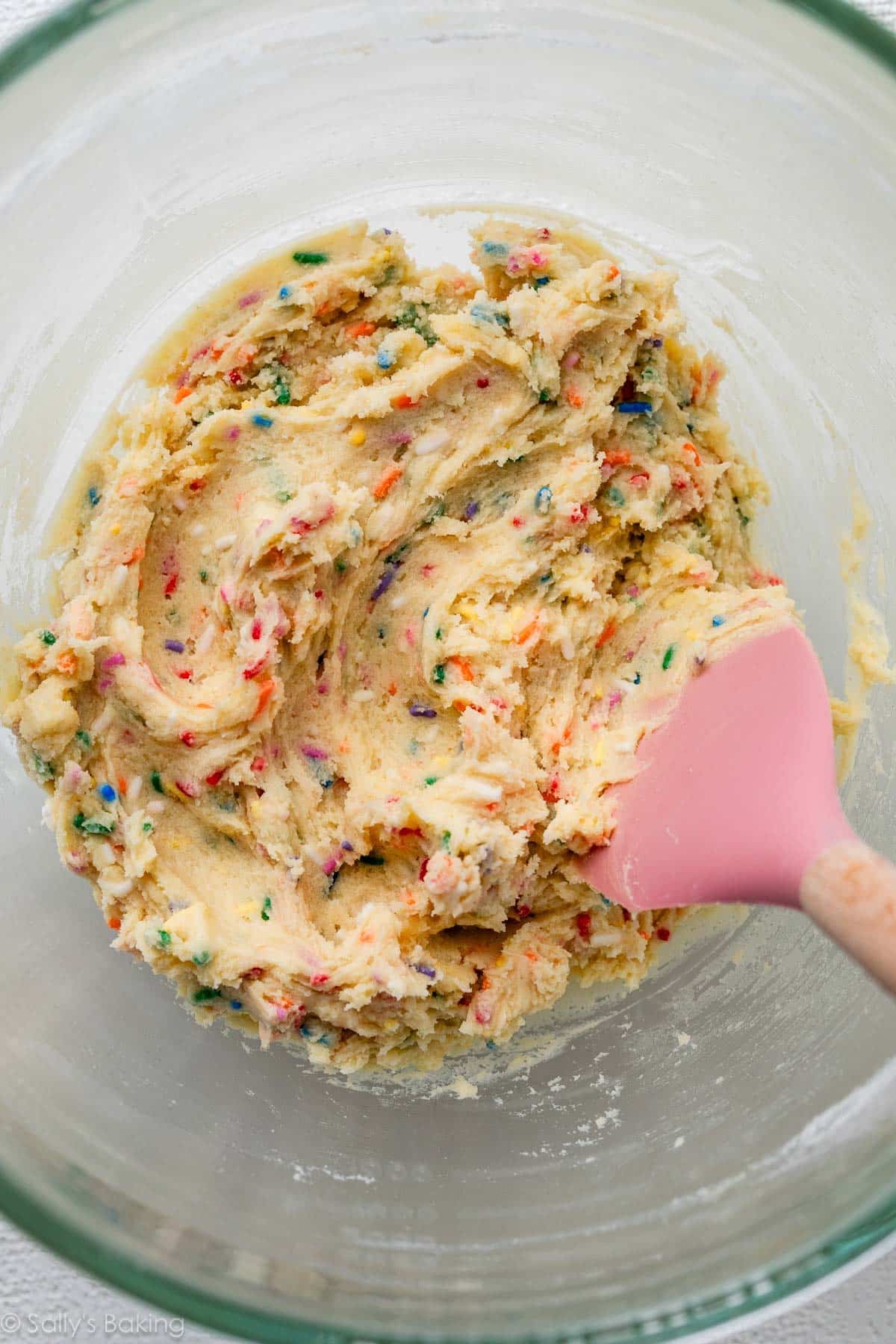
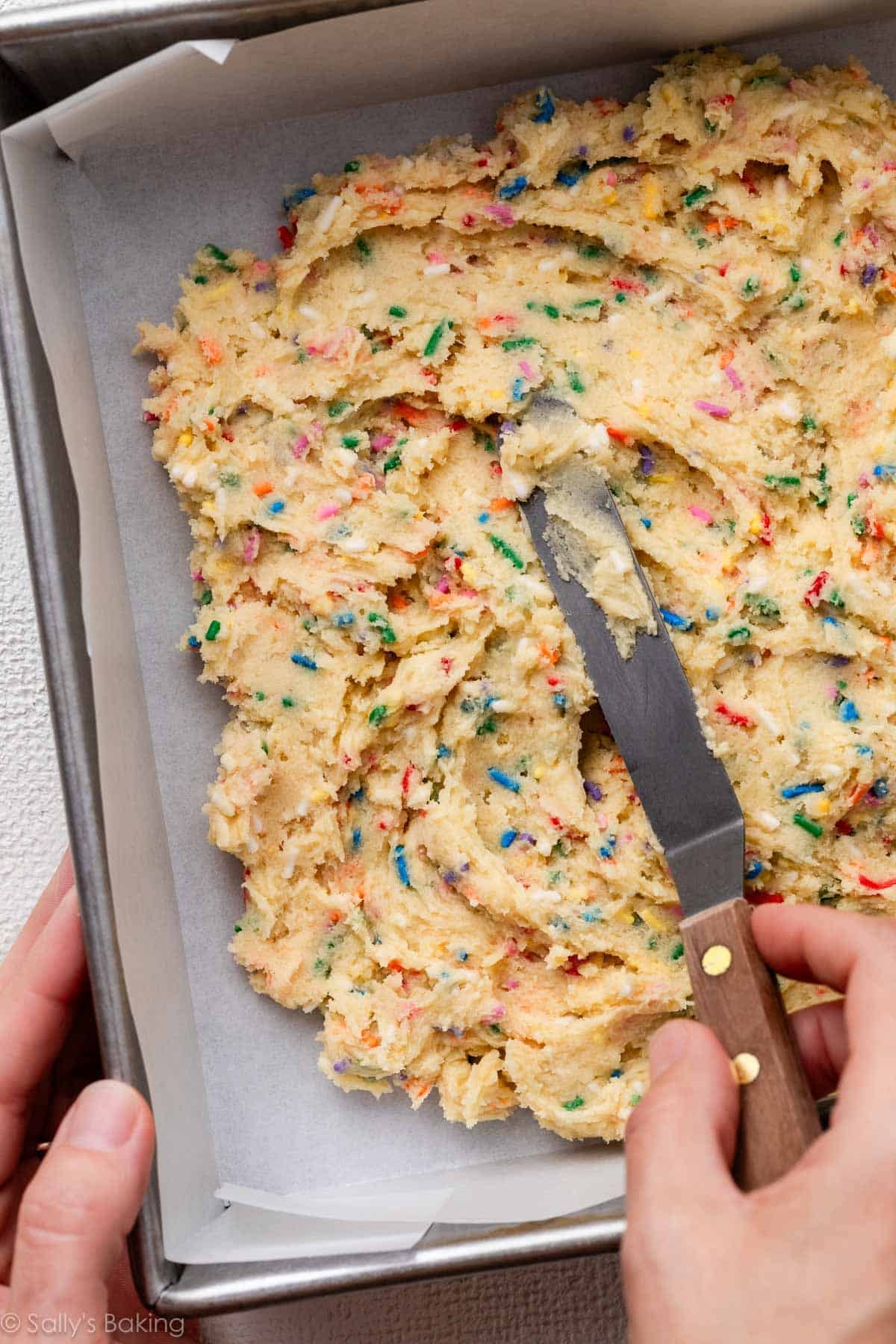
A notable characteristic of the dough is its sticky, thick consistency. This texture is intentional and crucial for the final product. Expert bakers often advise flouring hands to effectively press this dough evenly into a lined baking pan. This simple tip, though seemingly minor, significantly enhances the user experience and ensures uniform thickness, which is vital for consistent baking. The baking phase itself is perhaps the most critical for achieving the desired soft and chewy texture. The directive to bake until the edges are lightly golden and the center still appears slightly underdone is paramount. Overbaking, a common mistake, leads to dry bars. The residual heat during cooling continues to set the bars, resulting in a perfectly tender interior. This precise timing underscores the careful balance struck in the recipe’s formulation.
The Icing on the Cake: Vanilla Buttercream Frosting
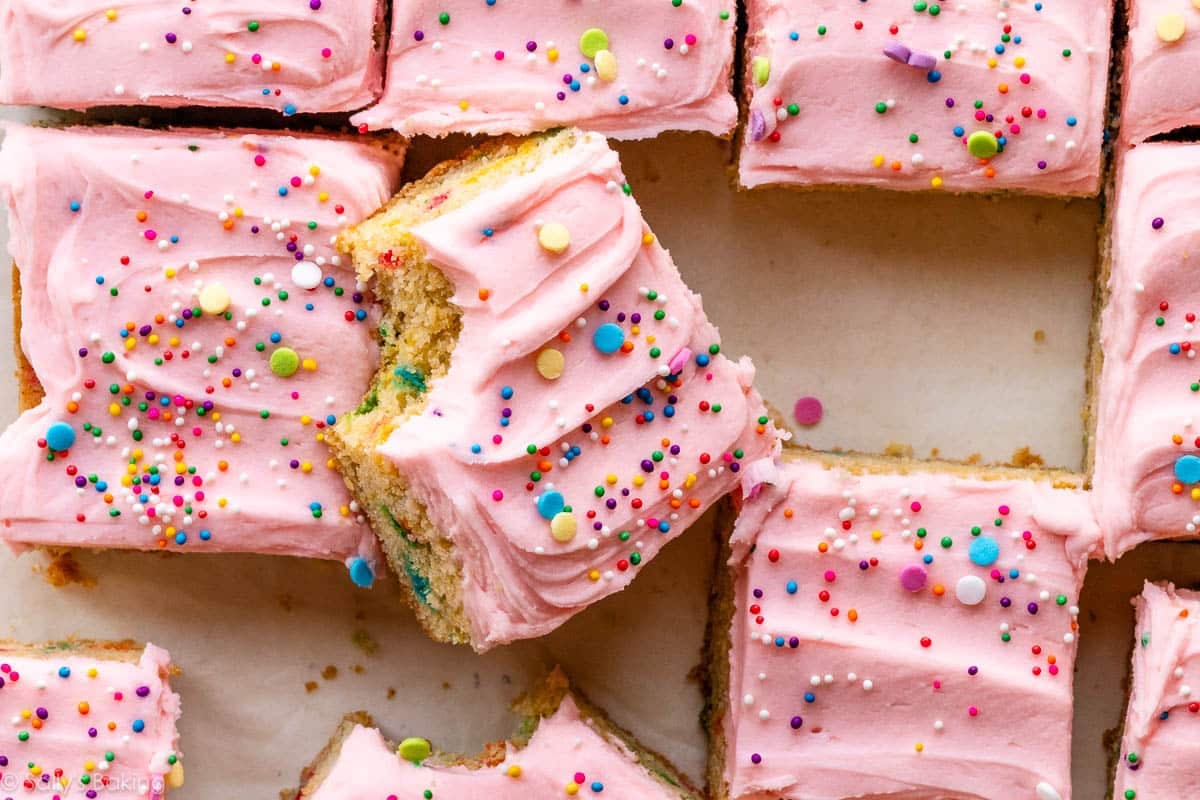
No sugar cookie bar is complete without its signature frosting. This recipe features a slightly scaled-down version of a classic vanilla buttercream, renowned for its sweet, fluffy, and rich texture. The frosting is not merely an afterthought but an integral component, designed to be applied generously, often matching or even exceeding the thickness of the cookie base itself. This substantial layer contributes significantly to the overall indulgent experience, creating a harmonious balance between the soft cookie and the creamy topping.
The versatility of the frosting is also a key feature. While traditionally white, it can be easily tinted with gel food coloring to match specific themes or holidays, adding a vibrant visual dimension. The final flourish of rainbow sprinkles is not just decorative; it adds a playful texture and enhances the celebratory feel. This adaptability makes the sugar cookie bars suitable for an array of occasions, from casual family desserts to more formal gatherings like baby showers or holiday parties, demonstrating their broad appeal and utility in diverse social contexts.
Consumer Endorsement and Broader Implications
The enthusiastic reception of these sugar cookie bars by the baking community underscores their success. One reader, identified as S, eloquently articulated the profound impact of the recipe, stating, "After years of making cupcakes, pies, cookies etc. for my friends, this is unanimously the favorite recipe of anything I’ve made. Each bite transports me back to being a child and having those youthful first experiences of sweets and birthday parties." This testimonial highlights not just the deliciousness but also the powerful nostalgic resonance that such comfort foods evoke, connecting individuals to cherished memories.
The convenience factor is frequently cited as a primary reason for its popularity. The ability to prepare a large batch of uniformly delightful treats without the need for specialized tools like rolling pins or cookie cutters makes them ideal for bake sales, classroom parties, and any event requiring a crowd-pleasing dessert. The detailed frequently asked questions section accompanying the recipe, addressing concerns about doubling, chilling, ingredient substitutions, and troubleshooting dryness, further indicates a thoughtful approach to supporting the home baker. Moreover, the extensive make-ahead options – including refrigerating frosted bars for several days or freezing unfrosted or even individual frosted bars – significantly enhance their utility for meal planning and impromptu treats.
In a broader sense, the rise of desserts like frosted sugar cookie bars signifies an ongoing evolution in the dessert industry and home baking culture. It represents a successful marriage of tradition and innovation, where classic flavors are presented in formats that align with contemporary lifestyles. This trend is likely to continue, inspiring further creative adaptations of beloved recipes, ensuring that the joy of homemade desserts remains accessible and enjoyable for everyone, irrespective of their baking skill level or available time. The sugar cookie bar stands as a testament to this principle, offering everything one loves about sugar cookies with none of the traditional fuss, making it a true culinary staple for the modern era.
