
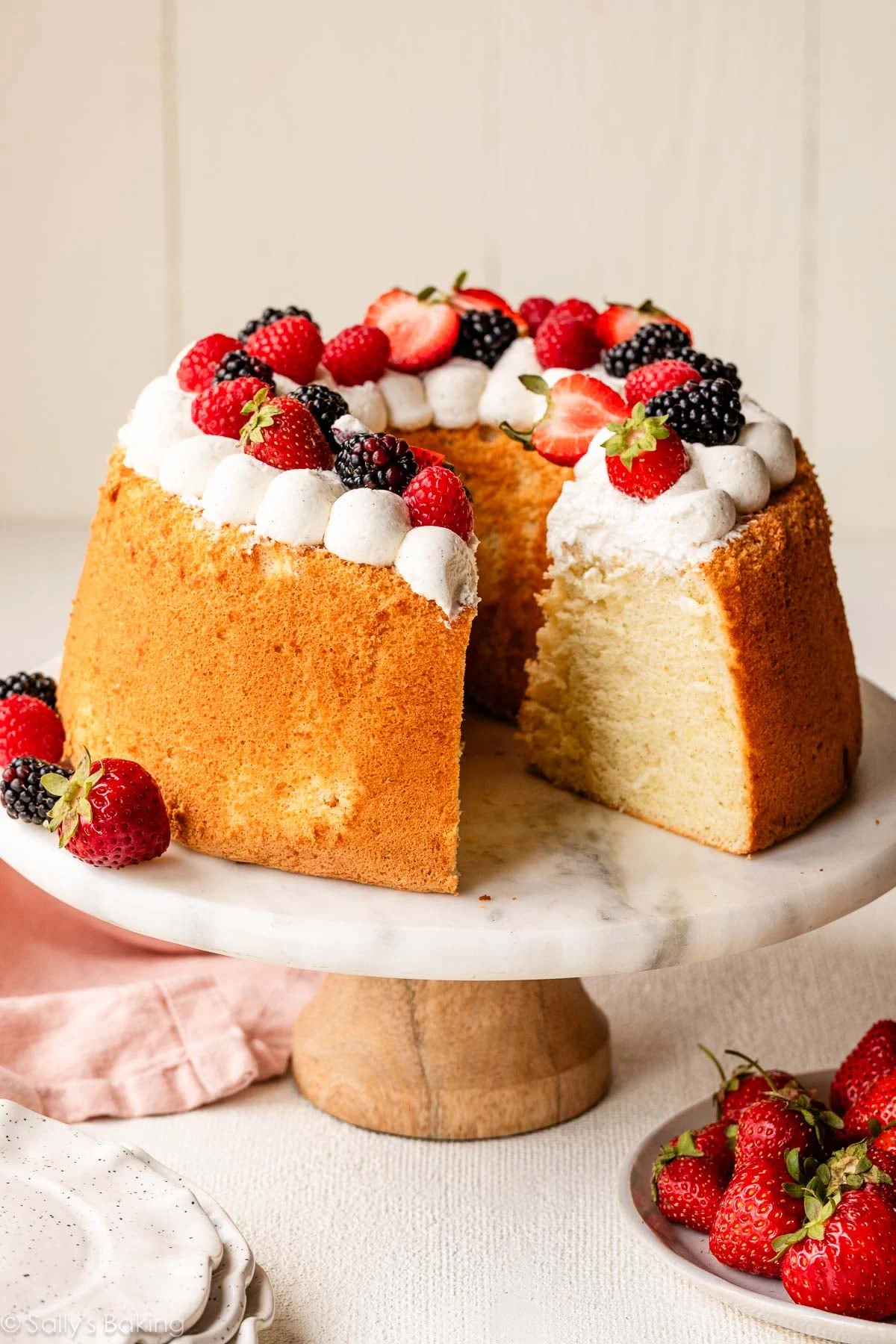
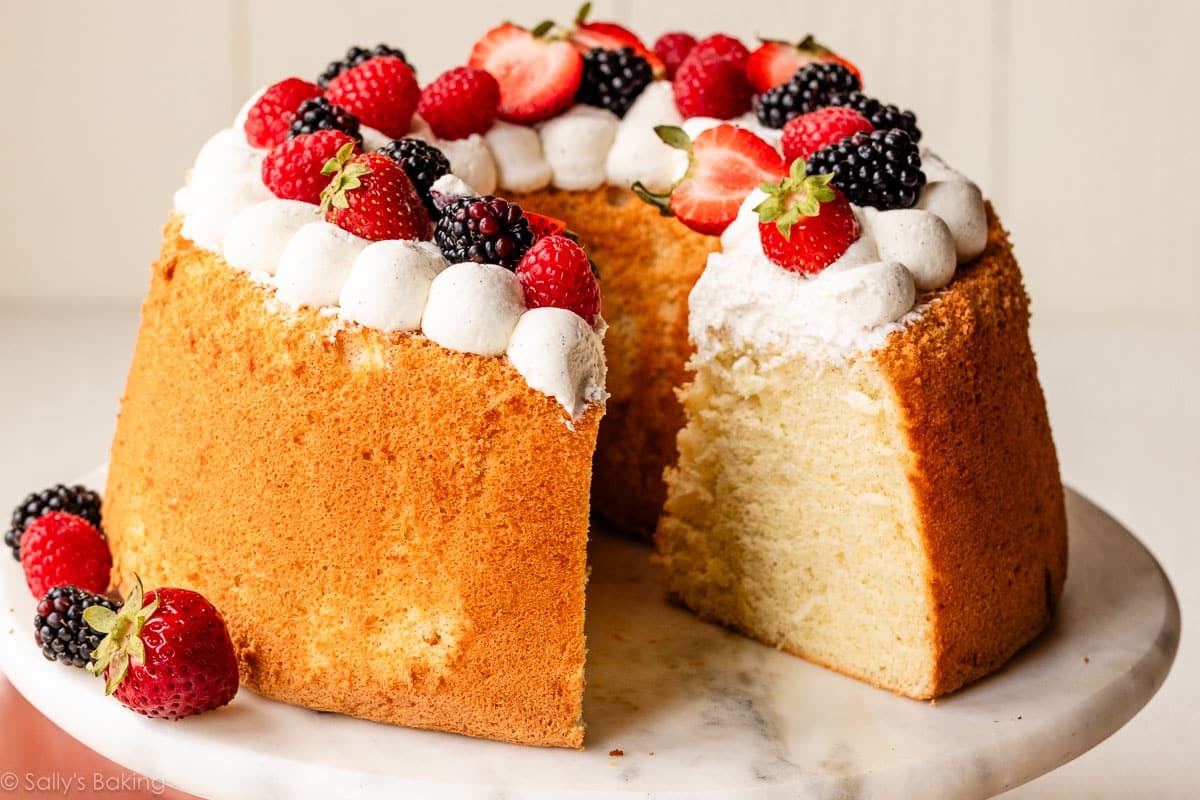
The classic chiffon cake stands as a testament to baking innovation, a uniquely elegant dessert renowned for its extraordinary lightness, delicate richness, and wonderfully moist crumb. Distinguished by its ethereal texture, which marries the lofty structure of an angel food cake with the tender, flavorful qualities of a traditional butter cake, the chiffon cake has secured its place as a baking staple. Its characteristic softness, achieved through the synergistic action of whipped egg whites and the inclusion of vegetable oil, results in a tall, impeccably fluffy, and consistently tender confection suitable for any occasion, from a simple family dessert adorned with fresh berries and whipped cream to a multi-layered centerpiece for grand celebrations.
A Brief History and Evolution of the Chiffon Cake
The origin of the chiffon cake is a fascinating tale of culinary ingenuity and entrepreneurial spirit. Unlike many classic recipes whose creators remain unknown, the chiffon cake was invented in 1927 by Harry Baker, an insurance salesman turned caterer from Los Angeles, California. Baker kept his recipe a closely guarded secret for two decades, baking and selling his distinctive cakes to Hollywood celebrities and local restaurants. The mystery surrounding the cake’s unique texture—lighter than traditional butter cakes but richer than sponge or angel food cakes—fueled its allure and popularity.
For twenty years, Baker maintained exclusive rights to his invention, even supplying cakes to the famous Brown Derby restaurant. It wasn’t until 1947 that he sold the recipe to General Mills, who then widely publicized it through Betty Crocker publications, marketing it as "the first new cake in 100 years." This strategic release propelled the chiffon cake into American households, cementing its status as a beloved classic. The public’s embrace of the chiffon cake reflected a post-war desire for lighter, more sophisticated desserts that were still accessible for home bakers. The chronology of its emergence from a private secret to a public sensation underscores its revolutionary nature in the baking world.
Deconstructing the Chiffon Cake: A Hybrid Marvel
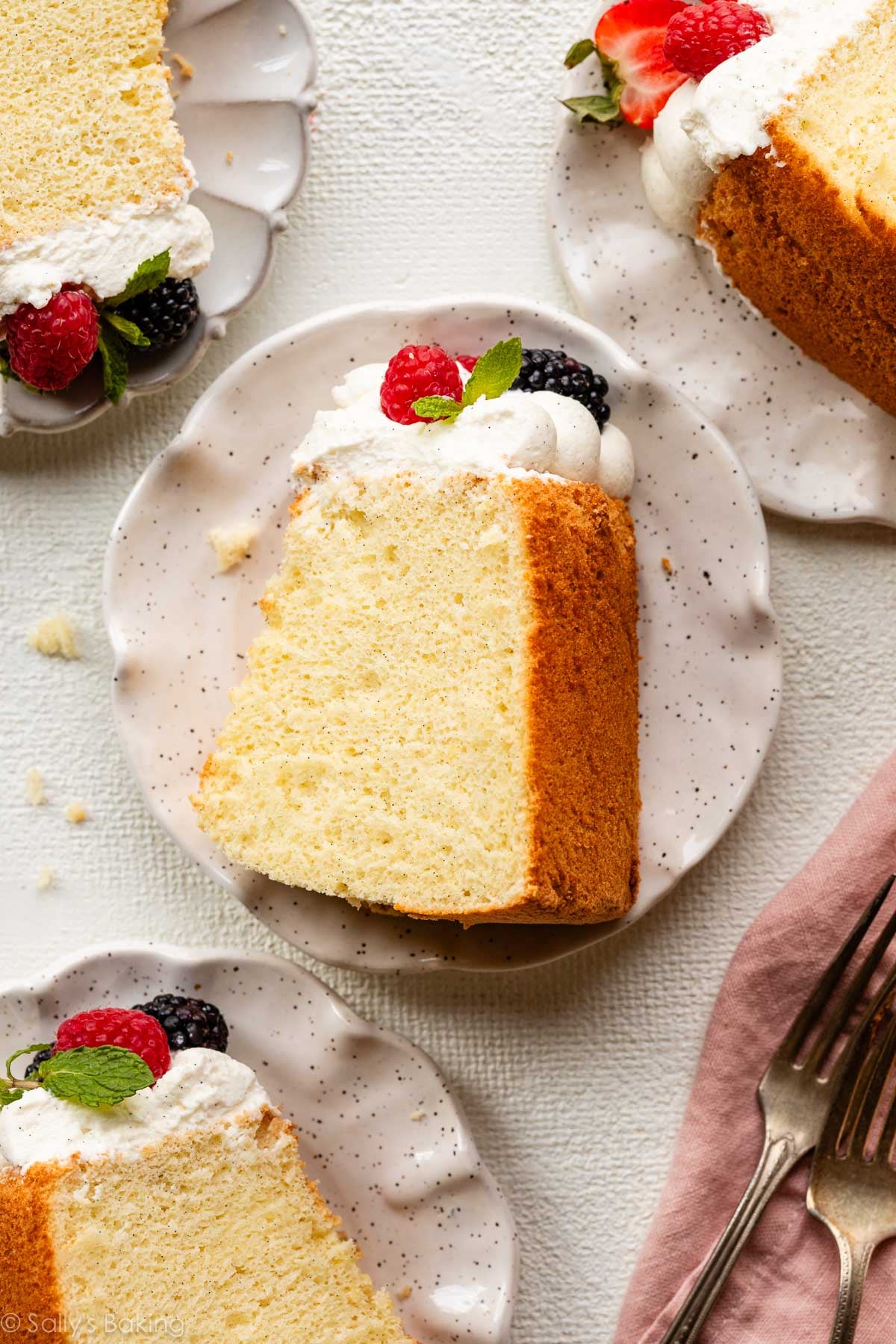
At its core, the chiffon cake is a brilliant hybrid, borrowing the best attributes from two distinct cake categories: the airy volume of angel food cake and the tender richness of butter cakes. This fusion creates a dessert that offers a complex sensory experience—light as a cloud yet deeply satisfying in flavor.
Like angel food cake, a significant portion of the chiffon cake’s remarkable lift and characteristic fluffy texture is derived from meticulously whipped egg whites, transformed into a stable meringue. This meringue is then carefully folded into the batter, introducing a vast network of air pockets that expand during baking, contributing to the cake’s impressive height and open crumb structure. However, the chiffon cake diverges significantly from its angel food counterpart by incorporating egg yolks, milk, and crucially, vegetable oil, along with baking powder. The egg yolks and milk contribute essential fat and moisture, imparting a richer flavor and a more tender crumb that mimics the qualities of a butter cake, despite the absence of butter in the batter itself.
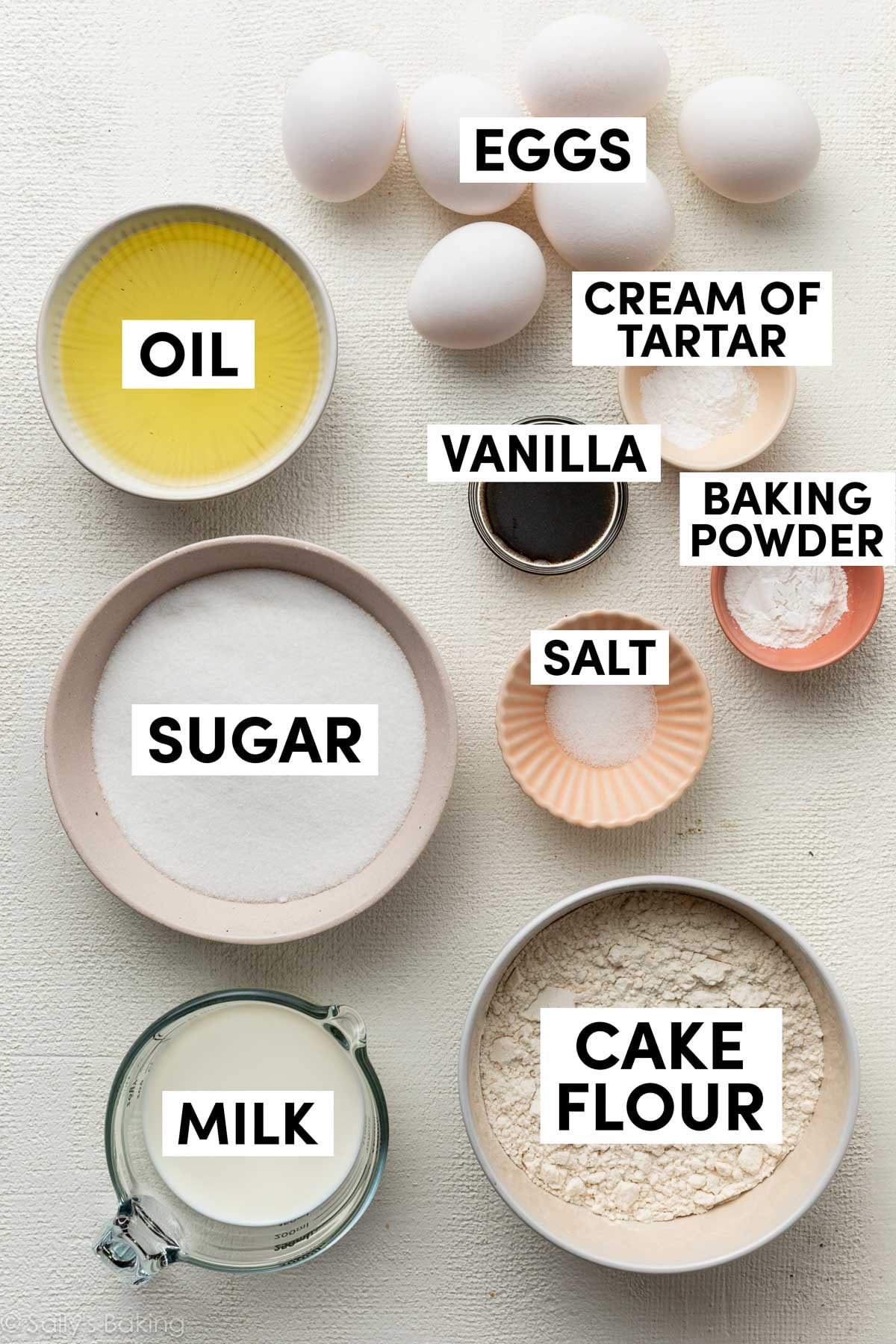
The inclusion of oil is perhaps the most defining characteristic that sets chiffon cake apart from other sponge varieties. Traditional sponge cakes primarily rely on eggs, sugar, and flour, with their moisture and tenderness often diminishing upon refrigeration. Oil, a liquid fat, ensures that the chiffon cake remains exceptionally moist and soft, even when chilled. This is due to the chemical properties of oil, which coats flour proteins more effectively than solid fats like butter, preventing excessive gluten development and maintaining a tender structure. This makes chiffon cake an ideal make-ahead dessert, as its delicate, melt-in-your-mouth texture persists for days.
The result is a cake that is remarkably versatile. Its inherent lightness makes it a perfect choice for warmer months and celebratory gatherings, offering a refreshing alternative to heavier desserts. For those seeking a dessert that is not excessively sweet or dense, the chiffon cake presents a consistently excellent option, embodying both elegance and approachability.
The Essential Ingredients and Their Roles
Crafting a classic chiffon cake relies on a specific combination of common pantry staples, each playing a critical role in achieving the cake’s signature characteristics:
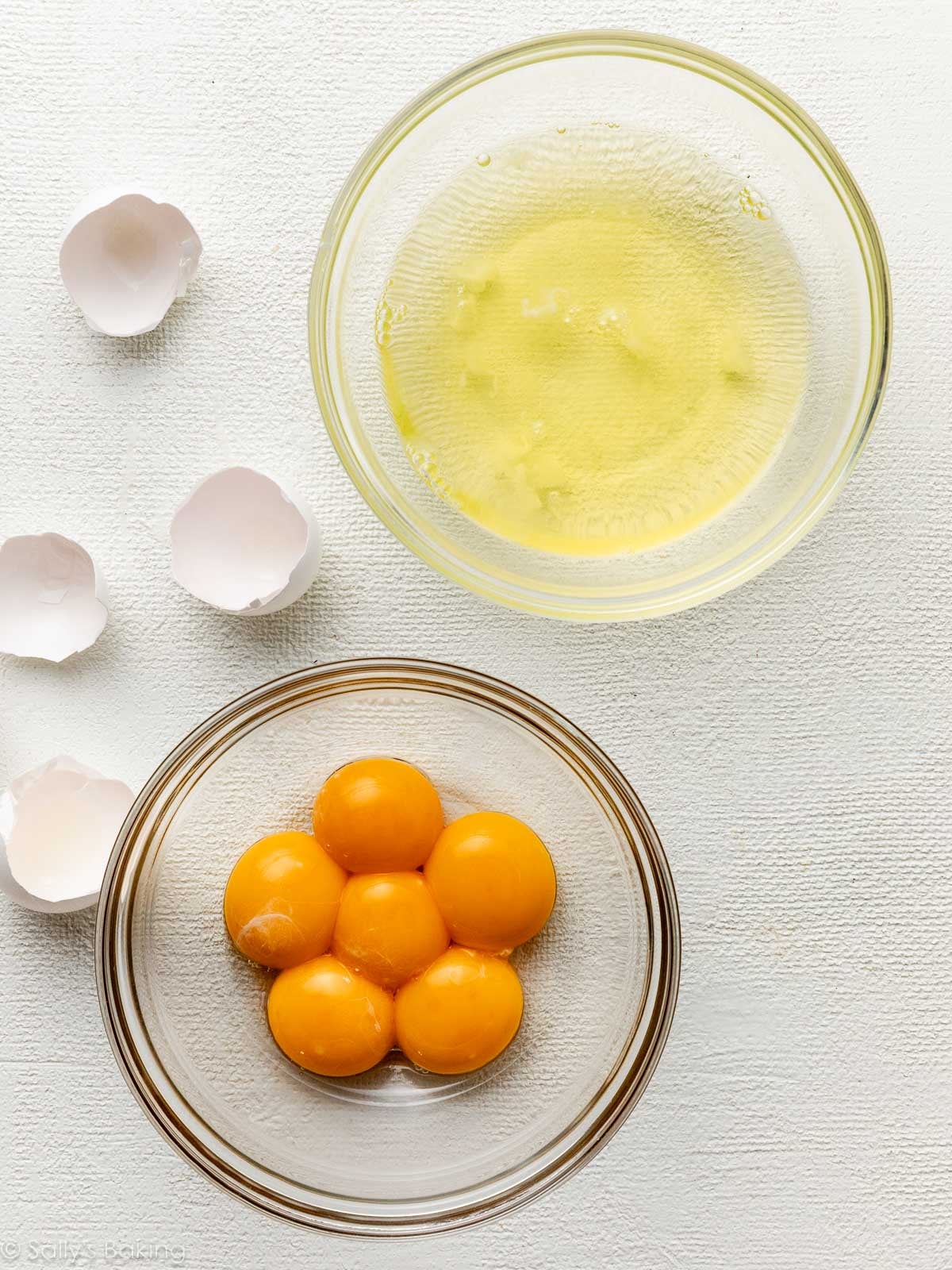
- Eggs (Separated): The cornerstone of chiffon cake’s structure. The whites are whipped into a stiff meringue, providing aeration and lift. The yolks contribute richness, color, and emulsifying properties, binding the fats and liquids.
- All-Purpose Flour (or Cake Flour): While all-purpose flour can be used, cake flour is often preferred for its lower protein content, which results in a finer, softer, and more delicate crumb, minimizing gluten development.
- Granulated Sugar: Provides sweetness, tenderness, and helps stabilize the whipped egg whites, creating a sturdy meringue.
- Vegetable Oil: The distinctive fat in chiffon cake. Unlike butter, oil remains liquid at room temperature and even when refrigerated, ensuring the cake’s exceptional moisture and softness over time. It contributes to the delicate crumb and prevents the cake from drying out.
- Milk: Adds moisture and further tenderizes the cake, complementing the richness from the egg yolks.
- Baking Powder: A chemical leavening agent that provides an additional boost of lift during baking, working in conjunction with the aerated egg whites.
- Cream of Tartar: An acidic salt crucial for stabilizing the egg whites during whipping. It helps the whites achieve maximum volume and maintain their stiff peaks, preventing them from collapsing.
- Vanilla Extract: Provides the classic, comforting flavor profile.
Mastering the Techniques: Key Steps for Chiffon Cake Success
The preparation of a chiffon cake involves several precise techniques that are fundamental to its success. These steps, while straightforward, require attention to detail to ensure the desired airy and tender outcome.
- Egg Separation: The process begins with carefully separating the egg whites from the yolks. Even a trace of yolk in the whites can prevent them from whipping to their full volume, compromising the cake’s lift.
- Sifting Dry Ingredients: The dry ingredients, typically flour, part of the sugar, and baking powder, are sifted together. This step is not merely for removing lumps; it thoroughly aerates the flour, contributing to a lighter texture and ensuring even distribution of leavening agents. A fine-mesh sieve is indispensable here.
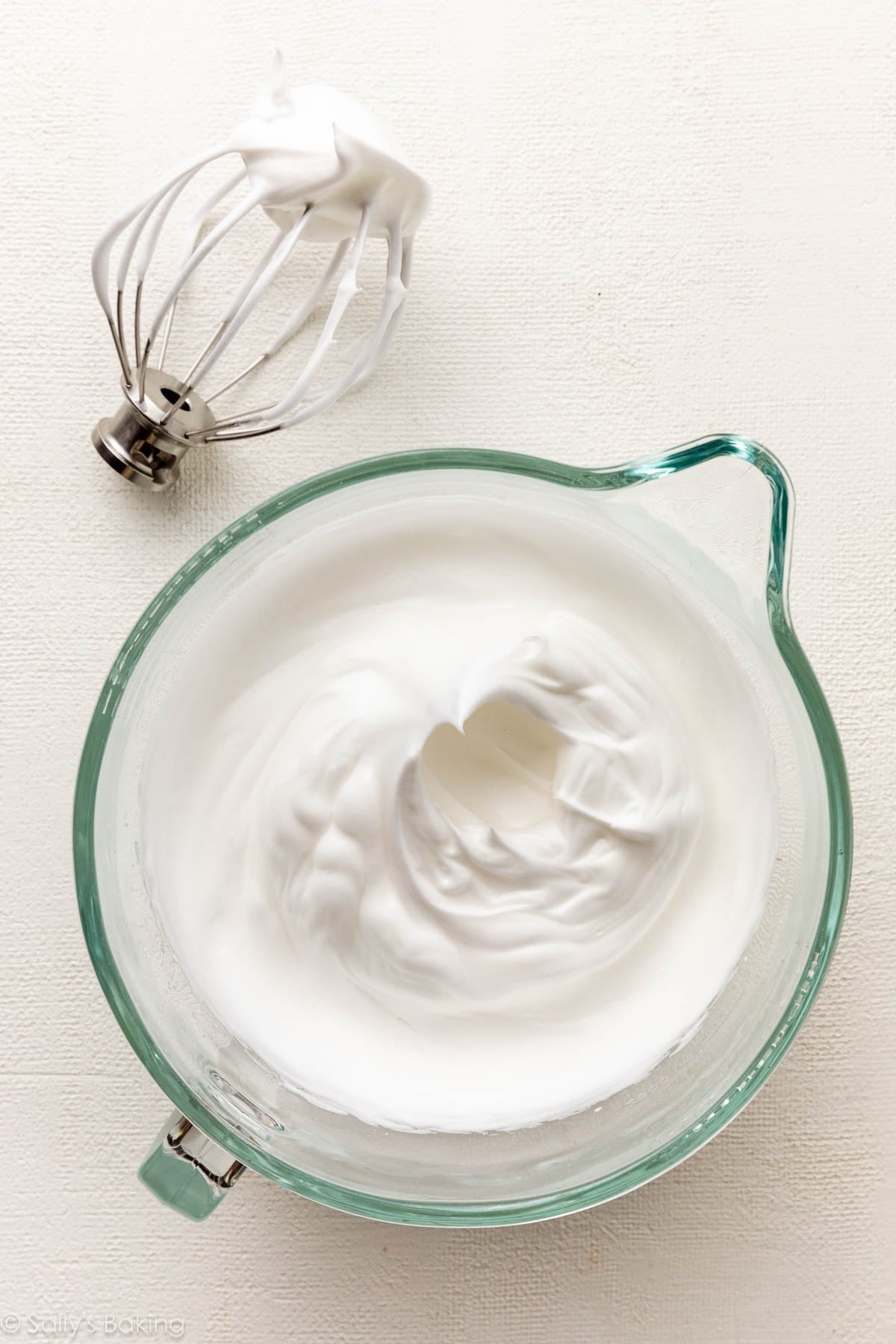
- Whipping the Meringue: This is arguably the most critical step. Egg whites are whipped with cream of tartar until foamy. Granulated sugar is then gradually added, and the mixture is beaten on high speed until stiff, glossy peaks form. The cream of tartar stabilizes the egg proteins, allowing them to trap air efficiently and form a robust, stable foam. This meringue is the primary source of the cake’s signature lift and airy texture. Over-whipping can lead to a dry, brittle meringue, while under-whipping results in insufficient volume and a less stable structure.
- Preparing the Yolk Batter: While the meringue is set aside, the egg yolks are combined with the oil, milk, and vanilla, then whisked into the sifted dry ingredients until just combined. This creates a relatively thick, rich base for the cake.
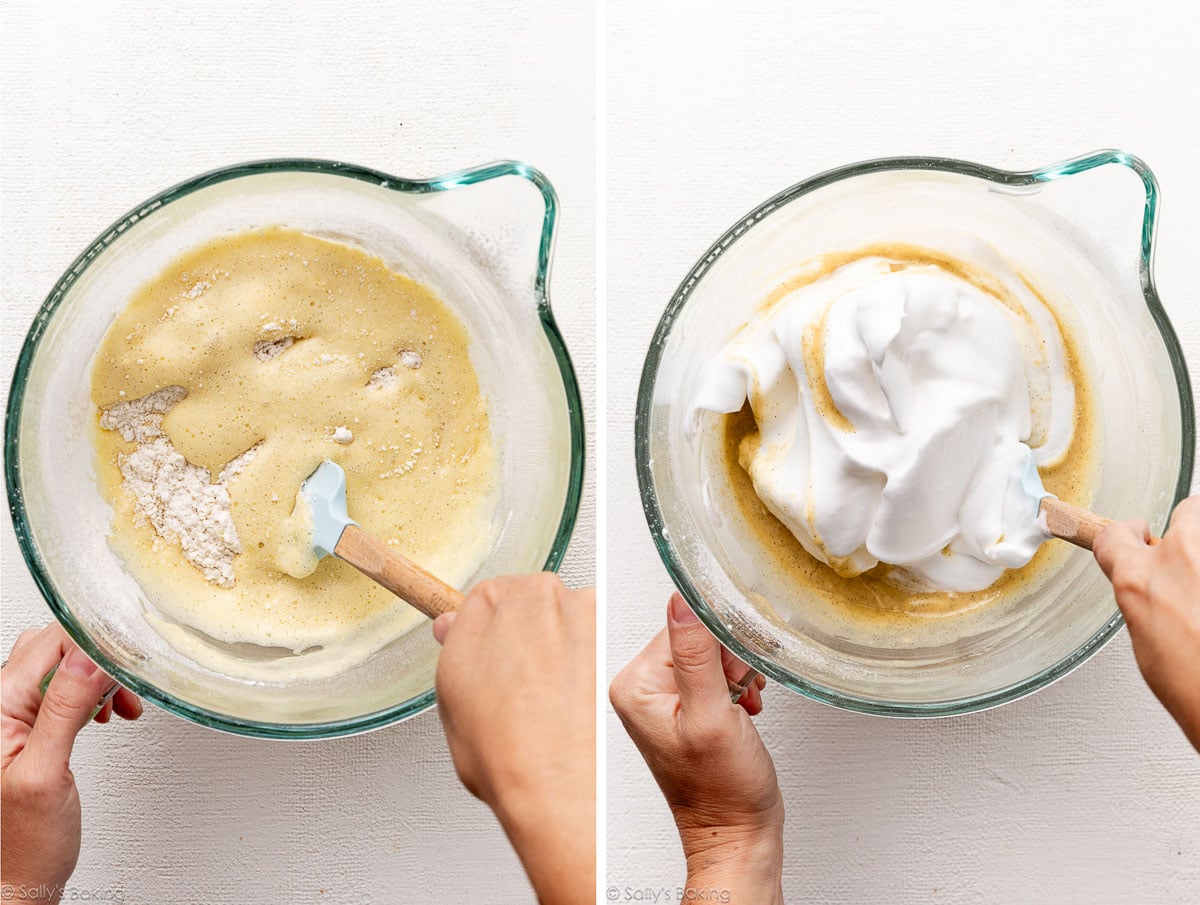
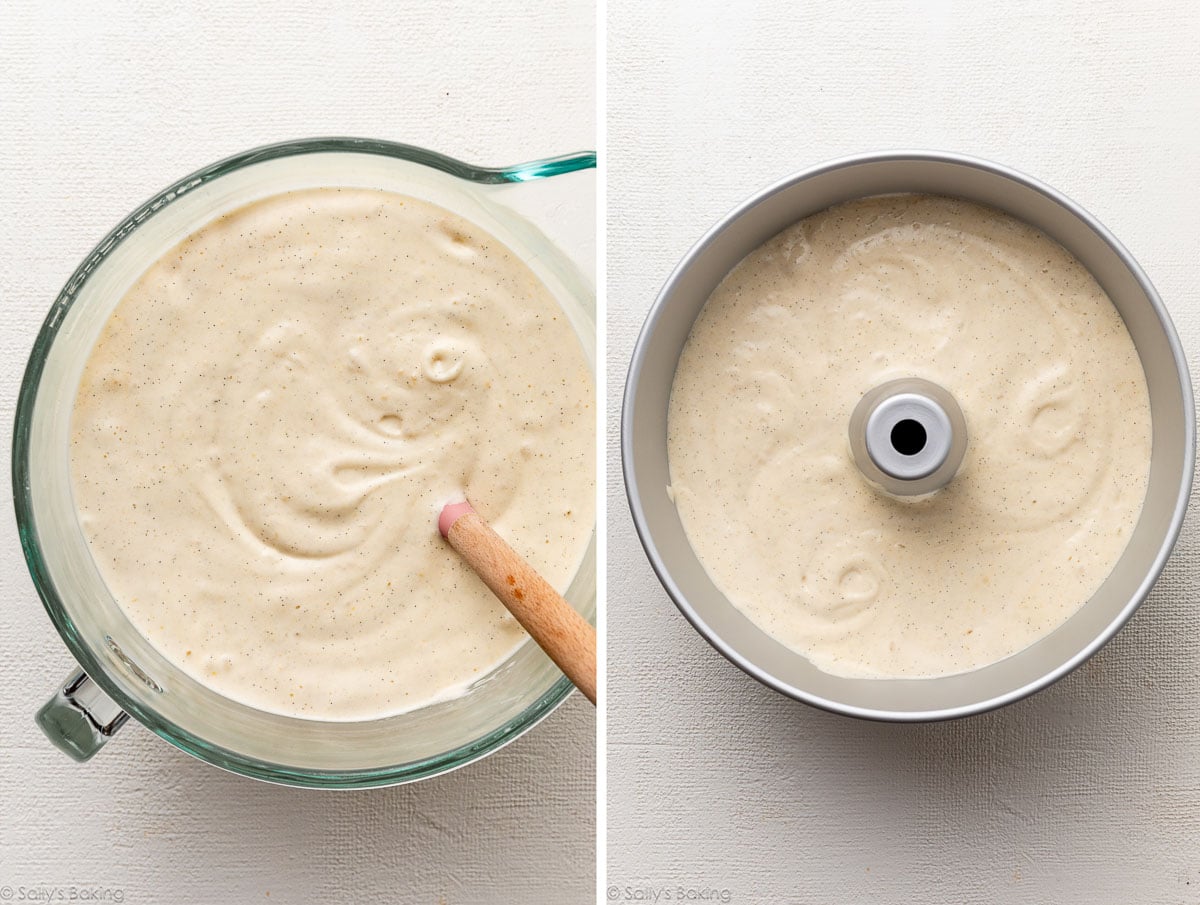
- Gentle Folding: The whipped meringue is then incorporated into the denser yolk batter. This must be done gently to preserve the maximum amount of air in the meringue. It is common practice to first fold in about half of the meringue to lighten the yolk batter, making it easier to incorporate the remaining meringue without deflating it. A few streaks of white are acceptable initially, as overmixing will collapse the air bubbles, leading to a dense cake.
- Baking in an Ungreased Tube Pan: This is a non-negotiable step. Chiffon cake batter is poured into an ungreased tube pan. The rough, ungreased sides of the pan provide a surface for the delicate batter to cling to as it rises during baking, allowing it to achieve its characteristic impressive height. Greasing the pan would cause the cake to slide down the sides, resulting in a shorter, denser cake. The central tube of the pan also plays a crucial role by allowing heat to penetrate the thick batter from both the perimeter and the center, ensuring even baking and preventing the edges from drying out before the center is cooked through.
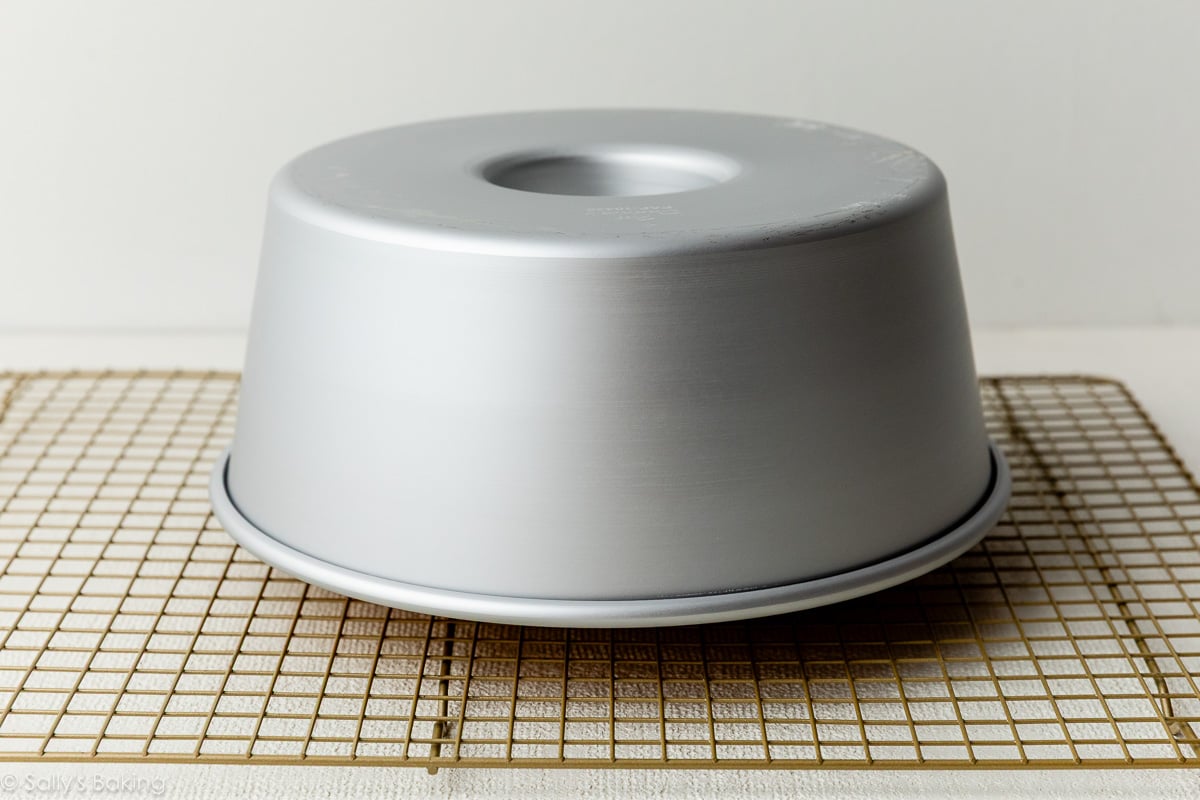
- Cooling Upside Down: Immediately after baking, the tube pan containing the chiffon cake must be inverted. Many tube pans are designed with small "feet" for this purpose, or it can be inverted over a bottle neck. This upside-down cooling process prevents the delicate, freshly baked structure from collapsing under its own weight as it cools and sets, ensuring the cake retains its magnificent height and airy texture. Without this step, gravity would inevitably compress the warm, fragile crumb.
Serving Suggestions and Culinary Versatility
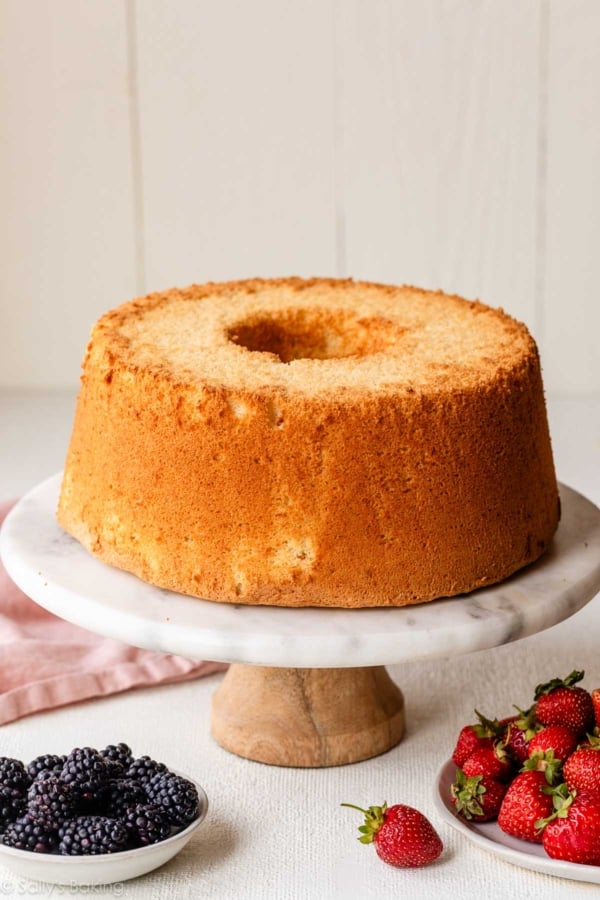
A classic chiffon cake is inherently delicious on its own, often requiring nothing more than a dusting of confectioners’ sugar. However, its mild, sweet flavor and tender texture make it an excellent canvas for various accompaniments. A popular serving suggestion pairs it with a generous dollop of homemade whipped cream and an assortment of fresh berries, providing a delightful contrast in texture and a burst of natural sweetness and acidity.
For those seeking a sturdier, more stable topping, a cream cheese whipped cream is an exceptional choice. This variation, akin to a "not-so-sweet whipped frosting," offers a richer flavor profile and enhanced structural integrity, making it ideal for more elaborate presentations or for cakes that need to hold up for longer periods.
Beyond simple embellishments, chiffon cake’s robust yet light structure makes it an outstanding base for layered celebration cakes. The cake can be baked in multiple round cake pans or, more traditionally, a cooled tube cake can be horizontally sliced into layers. These layers can then be filled with various frostings, fruit purees, or creams, offering endless possibilities for customization and creating visually stunning desserts that remain remarkably light. Its ability to hold its shape while being incredibly tender is a unique attribute among cakes suitable for stacking.
Addressing Common Challenges and Ensuring Success
While seemingly delicate, mastering chiffon cake is achievable with a few key considerations. Common pitfalls often revolve around the structural integrity derived from the egg whites. Over-whipping the egg whites can lead to a dry cake, while under-whipping results in a cake that lacks sufficient lift and collapses. Aggressive folding of the meringue into the yolk batter is another common error, as it deflates the air cells critical for the cake’s volume.
Furthermore, adherence to the specific equipment—an ungreased tube pan—is paramount. The use of a Bundt pan is strongly discouraged, as its intricate designs and non-removable base make it nearly impossible to extract a delicate chiffon cake in one piece. For those without a tube pan, baking the batter in three 8-inch round baking pans, left ungreased, offers a viable alternative for creating layer cakes.
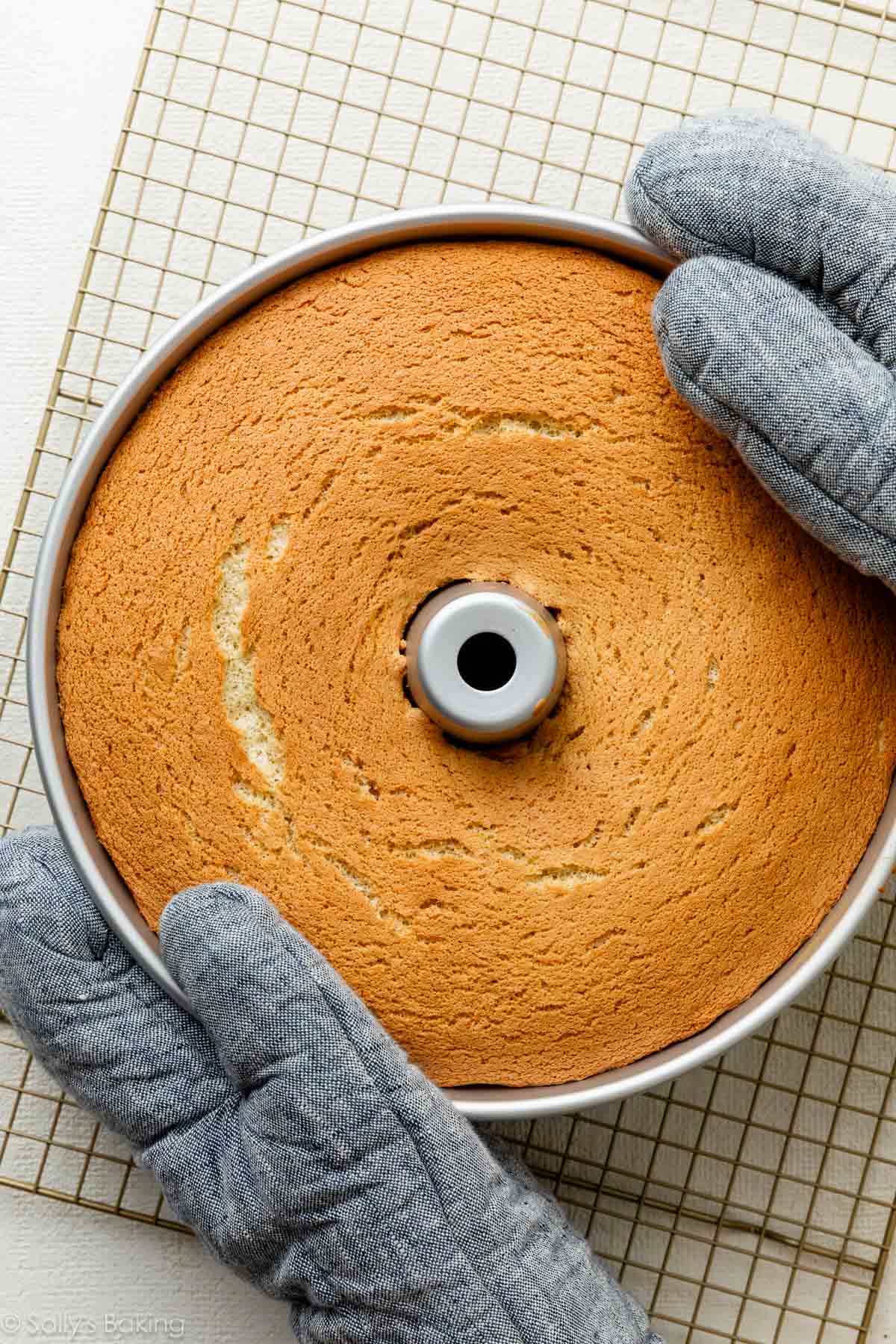
Under-baking is another frequent cause of collapse, as the cake’s structure has not fully set. Conversely, over-baking can lead to a dry crumb. A golden-brown exterior and a clean skewer inserted into the center are good indicators of doneness. Finally, the inverted cooling step is non-negotiable. Skipping this vital phase allows gravity to compress the warm, fragile cake, leading to a significantly diminished volume.
In conclusion, the chiffon cake is more than just a recipe; it is a culinary experience that combines scientific precision with artistic presentation. By understanding the roles of each ingredient and meticulously following the key techniques, home bakers can consistently produce a dessert that garners admiration and surprise. Its light, moist, and delicately rich profile ensures its continued relevance in the ever-evolving landscape of patisserie, remaining a classic that consistently delights and impresses.
