
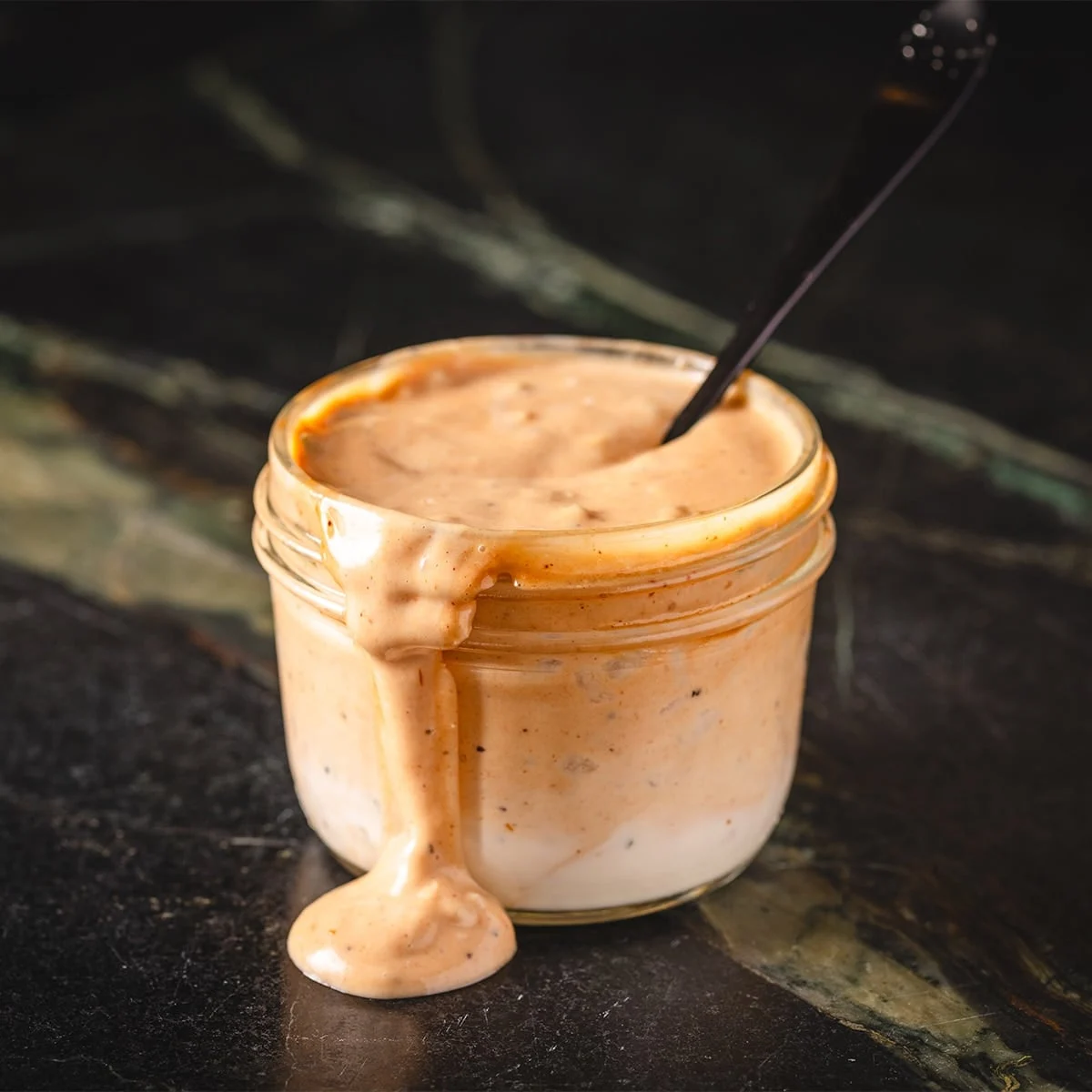
The culinary landscape of backyard barbecue has undergone a significant transformation in recent years, shifting from basic assembly to a focus on artisanal components and flavor complexity. Central to this movement is the emergence of "specialty sauces" designed to elevate the standard hamburger from a quick meal to a gourmet experience. Susie Bulloch, a prominent figure in the grilling industry and founder of the "Hey Grill Hey" platform, has introduced a streamlined approach to this staple condiment. Her Homemade Burger Sauce utilizes a minimalist three-ingredient profile—mayonnaise, diced dill pickles, and a proprietary Everything BBQ Sauce—to create a tangy, smoky addition to grilled meats. This development reflects a broader consumer trend toward "premiumization" in the condiment sector, where simplicity and high-quality ingredients are prioritized over complex, preservative-heavy commercial alternatives.
The Evolution of the American Burger Sauce
The history of burger condiments in the United States is rooted in the early 20th-century expansion of fast-food chains. Originally, condiments were limited to basic mustard, ketchup, and relish. However, the mid-century rise of "secret sauces"—most notably exemplified by the Thousand Island-style dressings used by West Coast chains—changed consumer expectations. These sauces typically relied on a base of mayonnaise and tomato products, supplemented by acidity from vinegar or pickles.

In the modern era, the "backyard barbecue" has become a site of culinary experimentation. The Homemade Burger Sauce introduced by Bulloch represents a refinement of this history. By replacing standard ketchup with a specialized BBQ sauce, the flavor profile shifts from simple sweetness to a more nuanced smokiness. This reflects a chronological shift in American palates, which have increasingly favored bold, wood-fired, and umami-rich flavors over the last decade.
Ingredient Analysis and Culinary Science
The efficacy of the Homemade Burger Sauce lies in its chemical and textural balance. Each of the three components serves a specific functional role in the final product’s flavor profile and mouthfeel.
- Mayonnaise (The Emulsifier): As the base of the sauce, mayonnaise provides the necessary fat content to carry flavor. In the context of a burger, which is inherently rich in animal fats, the creamy texture of the mayonnaise helps to bridge the gap between the bun and the protein.
- Dill Pickles (The Acidic Element): Acidity is crucial in cutting through the richness of grilled beef. The inclusion of finely diced dill pickles provides both a sharp vinegar note and a crunchy texture. This "pickle-studded" approach mimics the traditional relish found in classic tartar or Thousand Island sauces but maintains a more rustic, homemade quality.
- Everything BBQ Sauce (The Flavor Compound): This proprietary ingredient serves as the primary seasoning agent. Unlike standard BBQ sauces that may be overly sweet, a "signature" blend often incorporates smoke, garlic, onion, and various spices. By consolidating these flavors into one ingredient, the preparation time is reduced to under ten minutes, addressing the consumer demand for efficiency without sacrificing depth of flavor.
The Smash Burger Phenomenon and Sauce Integration
The rise of this specific sauce recipe is inextricably linked to the popularity of the "Smash Burger" technique. Unlike traditional thick patties, smash burgers are pressed thin on a hot griddle, maximizing the surface area for the Maillard reaction—the chemical process that creates a savory, browned crust.

Because smash burgers are thinner and often served in stacks, they require a sauce that is robust enough to stand up to the intense caramelization of the meat. The Homemade Burger Sauce is specifically engineered for this application. The viscosity of the mayonnaise-based mixture ensures that the sauce remains on the burger during consumption, while the smoky notes of the BBQ sauce complement the charred exterior of the beef.
Market Data and Consumer Trends in Condiments
The release of DIY sauce recipes by industry experts like Bulloch aligns with significant shifts in the global condiment market. According to recent market research, the global condiments and sauces market is projected to grow at a compound annual growth rate (CAGR) of approximately 4.8% through 2028. A primary driver of this growth is the "at-home gourmet" segment.
Data indicates that post-pandemic consumer behavior has favored home-prepared meals that replicate restaurant-quality experiences. Furthermore, the "clean label" movement has led consumers to seek recipes where they can control the ingredients. By providing a three-ingredient alternative to store-bought bottles, culinary influencers are tapping into a market that values transparency and ease of preparation. The DIY approach also offers an economic advantage, as it utilizes staples already present in most domestic pantries.

Nutritional Profile and Dietary Implications
While the Homemade Burger Sauce is designed for flavor optimization, its nutritional profile reflects the high-fat nature of traditional barbecue condiments. Based on the provided data, a standard serving of the sauce contains approximately 464 calories and 43 grams of fat.
A detailed breakdown of the nutritional facts reveals:
- Total Fat: 43g (7g Saturated, 25g Polyunsaturated)
- Sodium: 2292mg
- Carbohydrates: 18g
- Sugar: 14g
- Cholesterol: 24mg
The high sodium content (2292mg) is largely attributable to the pickles and the BBQ sauce base. From a dietary perspective, this sauce is categorized as a high-density condiment, intended for moderation. However, the inclusion of polyunsaturated and monounsaturated fats (totaling 34g) suggests a profile typical of oil-based dressings. For health-conscious consumers, the DIY nature of the recipe allows for modifications, such as utilizing low-fat mayonnaise or reduced-sodium pickles, though such changes may alter the intended flavor balance.

Strategic Brand Positioning: The Hey Grill Hey Ecosystem
Susie Bulloch’s role in the dissemination of this recipe is part of a larger strategic framework. As the founder of "Hey Grill Hey," Bulloch has built an ecosystem that includes a high-traffic website, a dedicated mobile app, and a line of retail products. The Homemade Burger Sauce serves as a "gateway recipe" that encourages the purchase of the brand’s "Everything BBQ Sauce."
Bulloch’s authority in the field is bolstered by her professional background, which includes appearances on the Food Network and the achievement of Guinness World Records in the grilling category. This level of expertise provides a layer of trust for the consumer. When a professional "BBQ Boss Lady" validates a three-ingredient recipe, it carries more weight in the culinary community than an anonymous blog post. This illustrates the power of personal branding in the modern digital food economy.
Broader Implications for the Grilling Industry
The simplicity of the Homemade Burger Sauce recipe points toward a broader trend of "democratizing" gourmet cooking. By reducing the barrier to entry—specifically the time and number of ingredients required—more amateur cooks are likely to engage in advanced grilling techniques.

This shift has several implications:
- Growth of the Griddle Market: As sauces optimized for smash burgers become more popular, sales of backyard griddles (such as Blackstone or Camp Chef) have seen a corresponding increase.
- Component-Based Cooking: Consumers are increasingly viewing recipes as modular. A sauce developed for a burger is now frequently used as a dip for fries or a dressing for grilled chicken, increasing the utility of the individual ingredients.
- Digital Integration: The mention of the "Hey Grill Hey App" and social media channels highlights how modern recipes are consumed through multi-channel platforms, allowing for real-time feedback and community engagement.
Conclusion
The transition of the Homemade Burger Sauce from a simple backyard accompaniment to a documented culinary standard reflects the intersection of tradition, science, and modern marketing. By utilizing the foundational elements of fat, acid, and smoke, the recipe addresses the fundamental requirements of flavor balance while meeting the consumer need for speed and simplicity. As the outdoor cooking industry continues to expand, the focus on high-quality, accessible condiments is likely to remain a cornerstone of the American grilling experience. Through the lens of market trends and nutritional data, it is clear that while the ingredients are few, the impact of such recipes on consumer behavior and industry growth is substantial.
