
The Evolution of American Comfort Food and Outdoor Cooking
The transition from the convenience-based "blue box" era of macaroni and cheese to the current artisanal movement is rooted in the technological advancement of outdoor cooking equipment. Over the last decade, the global pellet grill market has seen substantial growth, with industry analysts reporting a compound annual growth rate (CAGR) of approximately 5% to 7%. This surge in accessibility to precision-controlled smokers has allowed home cooks to experiment with dishes that require stable, low temperatures—typically around 225 degrees Fahrenheit—which was previously difficult to maintain on traditional charcoal or gas grills.
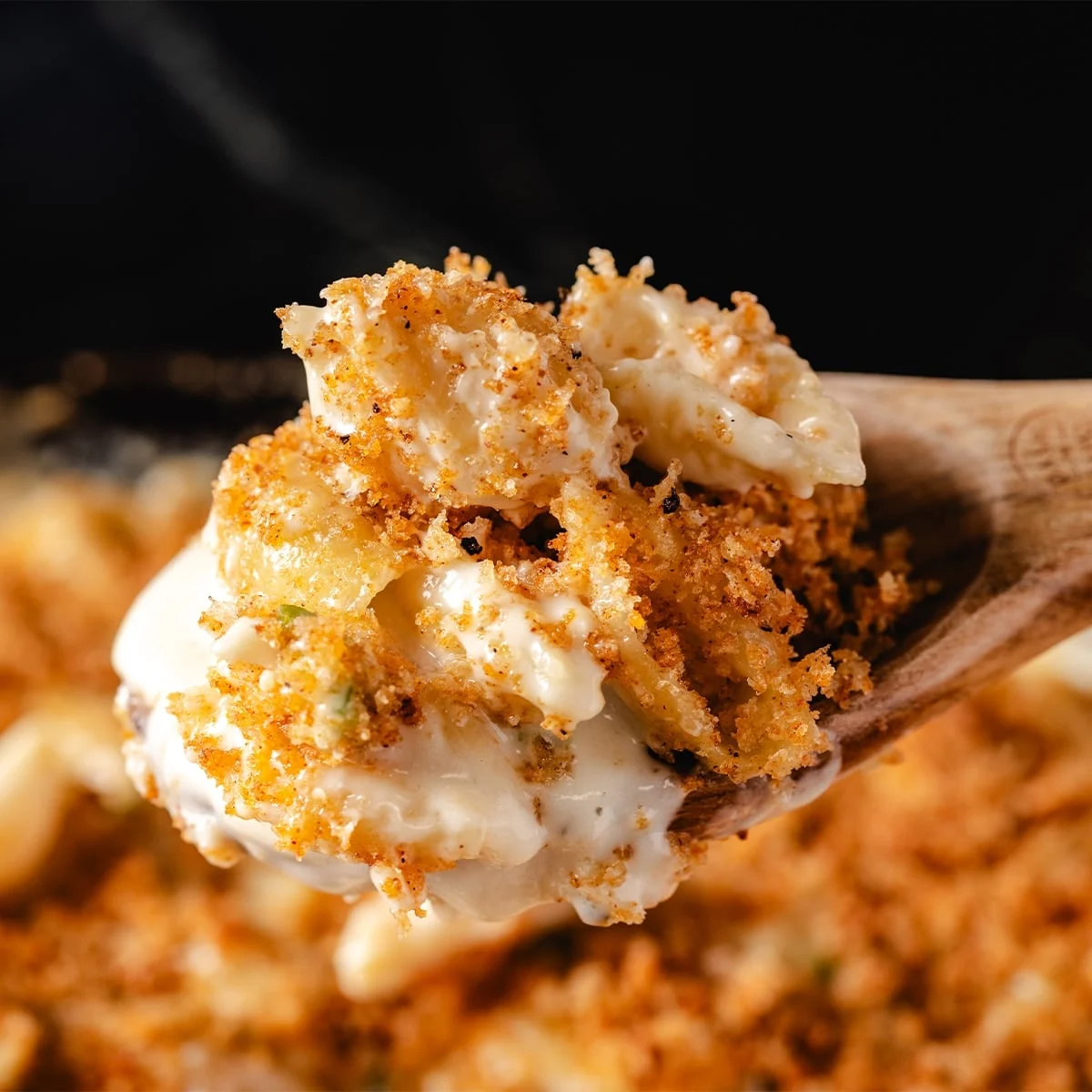
In this context, Smoked Poblano Shells and White Cheddar serves as a benchmark for the modern barbecue side dish. The dish utilizes the shell pasta shape specifically for its "sauce-holding" capacity, a design choice that ensures the velvety white cheddar sauce and diced poblanos are evenly distributed in every bite. The addition of a smoke "kiss" during the final stage of preparation introduces guaiacol and syringol—the organic compounds responsible for the characteristic aroma and flavor of wood smoke—adding a layer of complexity that cannot be replicated in a standard indoor kitchen.

Ingredient Profile and Flavor Chemistry
The success of the Smoked Poblano Shells and White Cheddar rests on a calculated balance of fat, acidity, and mild capsaicin. The choice of the poblano pepper is central to this balance. Rated between 1,000 and 2,000 on the Scoville Heat Scale, the poblano offers a rich, earthy flavor with a heat level that is accessible to a wide demographic. When diced and integrated into a high-fat medium like a cheese sauce, the capsaicin is tempered, allowing the pepper’s vegetable notes to shine through without overwhelming the palate.
The dairy component utilizes a combination of white cheddar and mozzarella. From a food science perspective, this pairing is strategic:
- White Cheddar: Provides the primary flavor profile. Its lack of annatto (the coloring agent in orange cheddar) ensures a clean, ivory aesthetic, while its sharp acidity cuts through the richness of the butter and heavy cream.
- Mozzarella: Actively contributes to the texture. Known for its superior meltability and "stretch," mozzarella ensures the sauce remains cohesive and does not break or become oily when exposed to the 225-degree heat of the smoker.
The "Fiesta Breadcrumb Topping" introduces a textural contrast. By combining Panko breadcrumbs with a proprietary spice blend and melted butter, the cook creates a crunchy barrier that protects the pasta from drying out while adding a final punch of savory seasoning.

Chronological Preparation and Execution
The preparation of Smoked Poblano Shells and White Cheddar follows a strict timeline to ensure the integrity of the pasta and the smoothness of the emulsion.
Phase I: The Foundation (0–15 Minutes)
The process begins with the boiling of the shell pasta. Culinary professionals recommend cooking the pasta to "al dente" (firm to the bite), as the noodles will continue to soften during the smoking phase. Simultaneously, the outdoor smoker is preheated to a steady 225 degrees Fahrenheit, preferably using a mild hardwood like apple or pecan to avoid overpowering the delicate white cheddar.
Phase II: The Aromatics and Sauce (15–30 Minutes)
While the pasta drains, the poblano peppers are diced and sautéed in butter. This step is crucial for softening the peppers and releasing their essential oils. A roux is then established using flour, followed by the gradual integration of heavy cream and milk. The hand-shredded cheeses are folded in last to prevent the sauce from graining.

Phase III: Assembly and Smoking (30–60 Minutes)
The cooked shells are folded into the poblano-cheese mixture and transferred to a cast-iron skillet or heat-safe baking dish. The seasoned breadcrumbs are applied as a top layer. The dish is then placed in the smoker. For approximately 30 to 45 minutes, the dish is exposed to indirect heat. During this period, the smoke penetrates the sauce and the breadcrumbs undergo a final browning process.
Supporting Data and Nutritional Analysis
The nutritional profile of the Smoked Poblano Shells and White Cheddar reflects its status as a celebratory, high-calorie side dish. According to data provided by Hey Grill Hey, a single serving (based on a 16-serving yield) contains:
- Calories: 403 kcal
- Total Fat: 26g (Saturated Fat: 15g)
- Carbohydrates: 29g
- Protein: 14g
- Sodium: 364mg
- Vitamin A: 851 IU (largely attributed to the poblano peppers)
The sodium content, while significant, is notably lower than many store-bought "deluxe" macaroni and cheese products, which often exceed 800mg per serving due to preservatives and processed cheese salts. The inclusion of fresh poblano peppers adds a source of Vitamin C (13mg per serving) and dietary fiber, providing a slightly more balanced profile than traditional pasta-and-cheese recipes.

Market Context and Professional Insights
Susie Bulloch, the creator of the recipe, has built an extensive platform based on the philosophy that "any dish can be improved with fire." Her background, which includes appearances on the Food Network and multiple Guinness World Records in the barbecue space, has positioned her as a leading voice in the "backyard pitmaster" movement. Bulloch’s transition from using boxed shells and cheese in her early years to developing this smoked version mirrors the journey of many American home cooks who have sought to reclaim traditional recipes through better ingredients and specialized techniques.
Industry experts note that recipes like the Smoked Poblano Shells and White Cheddar have contributed to the rise of "BBQ Rub" commerce. The recipe specifically calls for "Fiesta Rub," a specialized seasoning blend. This highlights a growing secondary market in the grilling industry where consumers are moving away from generic salt and pepper in favor of chef-developed, small-batch spice profiles.
Broader Impact and Culinary Implications
The implications of this dish extend beyond the dinner table. It represents the democratization of gourmet techniques. By utilizing a smoker to finish a pasta dish, the home cook is engaging in "multi-zone cooking," a technique once reserved for professional smokehouses. This method allows for the infusion of flavor without the harshness of direct flame, preserving the moisture content of the dairy.

Furthermore, the Smoked Poblano Shells and White Cheddar dish serves as a bridge between regional American barbecue traditions and Southwestern flavors. The use of the poblano pepper—a staple of Mexican cuisine—integrated into a classic American pasta dish, illustrates the ongoing "fusion" of the American palate.
As outdoor cooking continues to evolve from a seasonal hobby into a year-round culinary pursuit, dishes that offer complexity, reliability, and a departure from processed convenience will likely remain at the forefront of the industry. The Smoked Poblano Shells and White Cheddar is not merely a recipe but a testament to the modern cook’s desire for authenticity, flavor depth, and the communal experience of the backyard cookout.
In terms of storage and longevity, the dish is remarkably resilient. Due to the high fat content of the white cheddar and cream, the sauce maintains its emulsion better than low-fat alternatives when reheated. Culinary experts suggest storing leftovers in airtight containers for up to four days, noting that the smoke flavor often becomes more pronounced after 24 hours of refrigeration, a common phenomenon in smoked fats. This durability further cements its status as a practical yet premium option for large gatherings and social events.
