
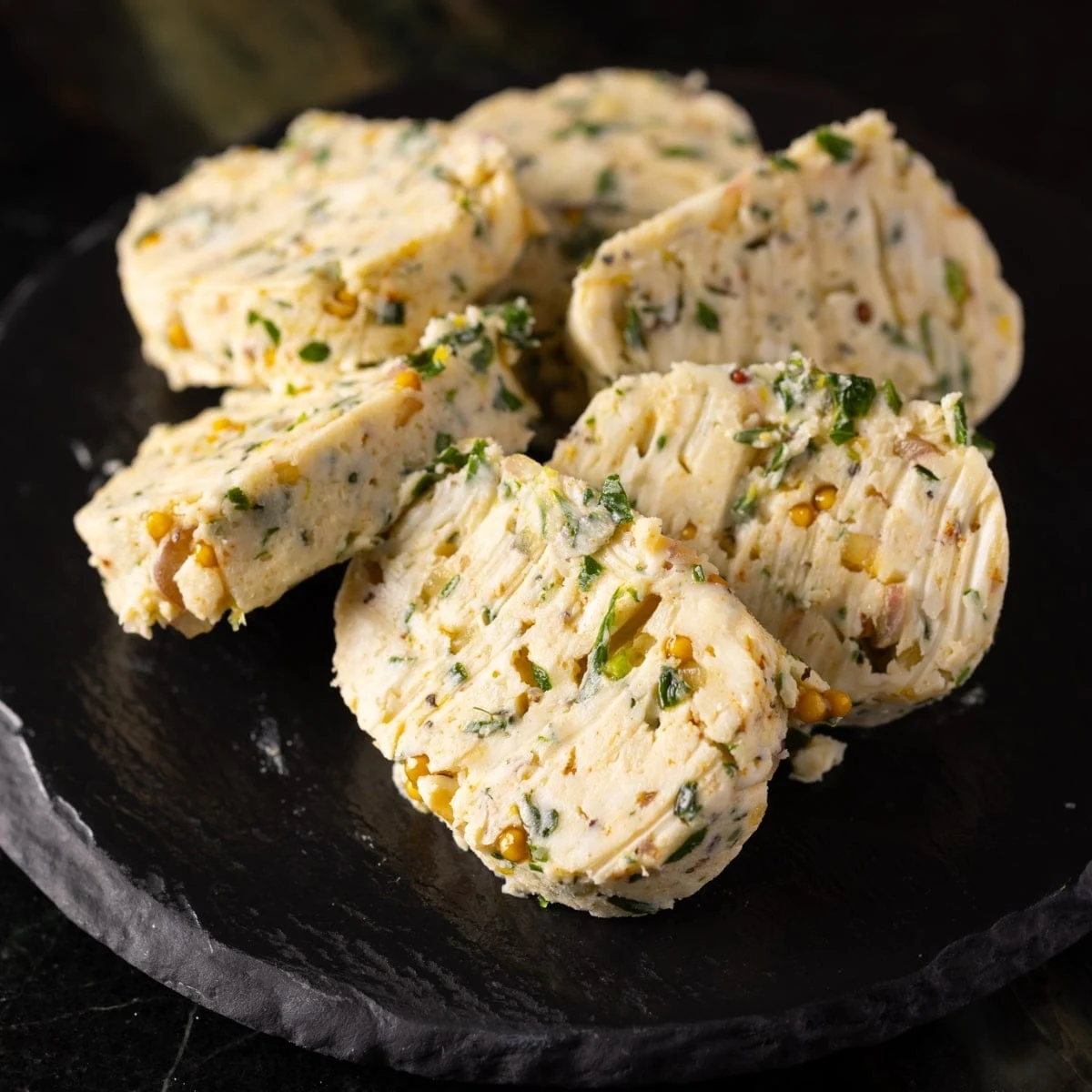
The culinary landscape of American barbecue has undergone a significant transformation over the last decade, shifting from basic salt-and-pepper seasonings to complex, layered flavor profiles that borrow techniques from classical French cuisine. At the forefront of this movement is the emergence of "Cowboy Butter," a robust compound butter that has transitioned from a niche steakhouse secret to a viral household staple. This condiment, characterized by its infusion of fresh shallots, chives, parsley, thyme, and bright lemon zest, represents a broader trend in the grilling community: the elevation of the finishing touch. While traditional barbecue often focuses on the "low and slow" cooking process, the modern pitmaster is increasingly focused on the final moments of preparation, where a single pat of infused fat can radically alter the chemical and sensory profile of a dish.
The Genesis and Composition of Cowboy Butter
Cowboy Butter is a modern iteration of the classical French beurre composé. Historically, compound butters were used in professional kitchens to add richness and a standardized flavor profile to grilled meats and fish. The most famous of these, Beurre Maître d’Hôtel, consists simply of butter, parsley, lemon juice, salt, and pepper. Cowboy Butter, however, is a distinctly American adaptation, designed to stand up to the heavy smoke and charred crusts associated with backyard grilling and high-heat searing.
The composition of this specific condiment is strategic. It begins with a base of high-quality unsalted butter, which acts as a delivery vehicle for fat-soluble flavor compounds. The addition of shallots provides a delicate, onion-like sweetness without the harshness of raw white onions. The herbal trio of chives, parsley, and thyme introduces earthy, peppery, and floral notes. However, the defining characteristic of Cowboy Butter is its acidity. By incorporating both lemon juice and zest, the butter gains a brightness that cuts through the heavy fat content of ribeye steaks or buttery seafood. Often, additional elements like Dijon mustard, red pepper flakes, and garlic are included to provide a "kick" that justifies the "Cowboy" moniker—implying a flavor profile that is as bold and rugged as the frontier.

Chronology of a Culinary Trend
The rise of Cowboy Butter can be traced through the evolution of digital food media. In the early 2010s, compound butters were largely relegated to high-end steakhouses, where they were used to finish expensive cuts of Wagyu or Prime beef. However, as the "home chef" movement gained momentum, driven by platforms like YouTube and specialized BBQ blogs, these professional techniques began to democratize.
By 2018, culinary influencers such as Susie Bulloch, the founder of the "Hey Grill Hey" platform, began highlighting Cowboy Butter as an essential tool for the outdoor cook. Bulloch, a recognized figure in the BBQ world with appearances on the Food Network and multiple Guinness World Records in grilling, helped formalize the recipe for a mass audience. Her approach emphasized accessibility, noting that the preparation requires no specialized equipment—only a bowl, a spatula, and ten minutes of time.
The trend reached its peak during the early 2020s, as home cooking surged globally. Social media platforms like TikTok and Instagram saw a proliferation of "melting butter" videos, where the visual appeal of Cowboy Butter liquefying over a hot steak became a hallmark of food photography. This digital visibility transformed a simple recipe into a cultural phenomenon, leading to its inclusion in mainstream supermarket circulars and restaurant menus across the United States.
Supporting Data: The Economics of Condiments and Home Grilling
The popularity of Cowboy Butter is supported by broader economic trends in the food and beverage industry. According to market research, the global condiments and sauces market is projected to reach over $240 billion by 2028. Within this sector, there is a significant sub-segment of "premium" or "artisan" condiments. Consumers are increasingly willing to pay a premium for high-quality ingredients that allow them to replicate restaurant-quality meals at home.

Furthermore, the Hearth, Patio & Barbecue Association (HPBA) reports that nearly 70% of American adults own a grill or smoker. As the ownership of high-end outdoor cooking equipment—such as pellet grills and ceramic kamados—has increased, so too has the demand for sophisticated flavor enhancers. Cowboy Butter fits perfectly into this niche, offering a high "return on investment" for the home cook: it uses common pantry items like garlic and herbs to significantly increase the perceived value and flavor of the meal.
Expert Insights and Technical Preparation
From a technical standpoint, the success of Cowboy Butter relies on the science of emulsification and temperature control. Susie Bulloch, often referred to as the "BBQ Boss Lady," suggests that the key to a perfect compound butter lies in the state of the ingredients. The butter must be softened to room temperature—never melted in a microwave—to ensure that the herbs and spices are evenly suspended throughout the fat. If the butter is too cold, the ingredients will clump; if it is melted to a liquid, the milk solids will separate, and the herbs will sink to the bottom.
Bulloch’s "Pro Tips" for the recipe emphasize the importance of fresh versus dried ingredients. While dried herbs are a pantry staple, the volatile oils in fresh parsley and thyme are essential for the "bright" profile that defines Cowboy Butter. Additionally, the use of a "log" method—rolling the finished butter in parchment paper or plastic wrap and chilling it—allows for clean, aesthetic slices (pats) that can be placed atop hot proteins, providing a controlled melt that bastes the meat as it rests.
Broader Impact on the Restaurant and Retail Industries
The Cowboy Butter phenomenon has had a measurable impact on the hospitality industry. Independent steakhouses and "New American" bistros have increasingly added "house-made Cowboy Butter" as an optional add-on for grilled entrees, often charging a premium of $3 to $5 per serving. This represents a high-margin opportunity for restaurants, as the cost of goods for a single pat of butter is negligible compared to the added value perceived by the customer.

In the retail sector, the influence is seen in the dairy aisle. Major butter brands have begun experimenting with pre-mixed herb butters, attempting to capture the convenience-seeking segment of the market that wants the Cowboy Butter experience without the chopping. However, the "DIY" nature of the original recipe remains its strongest selling point, aligning with the "craft" movement that values transparency in ingredients and the satisfaction of home preparation.
Nutritional Analysis and Dietary Considerations
While Cowboy Butter is undeniably a high-calorie condiment, it is typically consumed in small quantities as a flavor enhancer rather than a primary fat source. A standard serving of approximately one tablespoon contains roughly 207 calories, with 23 grams of fat. However, the inclusion of fresh herbs and lemon zest adds trace amounts of Vitamin A and Vitamin C.
For those with dietary restrictions, the recipe is naturally gluten-free and low-carb, making it a favorite in the ketogenic and paleo communities. The high fat content provides the satiety required by these diets, while the bold flavors prevent the "palate fatigue" that can sometimes occur with restrictive eating patterns. Culinary experts also note that the recipe is easily adaptable for vegans by substituting high-quality plant-based butters, which have improved significantly in texture and flavor in recent years.
Conclusion: The Future of Flavor in American Barbecue
Cowboy Butter is more than just a passing food trend; it is an indicator of the maturing palate of the American backyard cook. It represents a move away from heavy, sugar-laden barbecue sauces toward more nuanced, fat-based flavor profiles that enhance rather than mask the quality of the meat. As culinary education continues to spread through digital platforms, the "compound butter" technique is likely to expand even further, with variations incorporating international flavors like miso, gochujang, or truffle.

For now, the classic Cowboy Butter remains a testament to the power of simple, fresh ingredients. As Susie Bulloch and other culinary leaders have demonstrated, the ability to transform a basic stick of butter into a gourmet condiment is a skill that bridges the gap between the professional kitchen and the family dinner table. Whether it is spread on warm bread, tossed with grilled shrimp, or melted over a perfectly seared ribeye, Cowboy Butter has secured its place in the pantheon of great American condiments, proving that in the world of barbecue, the final touch is often the most important one.
