
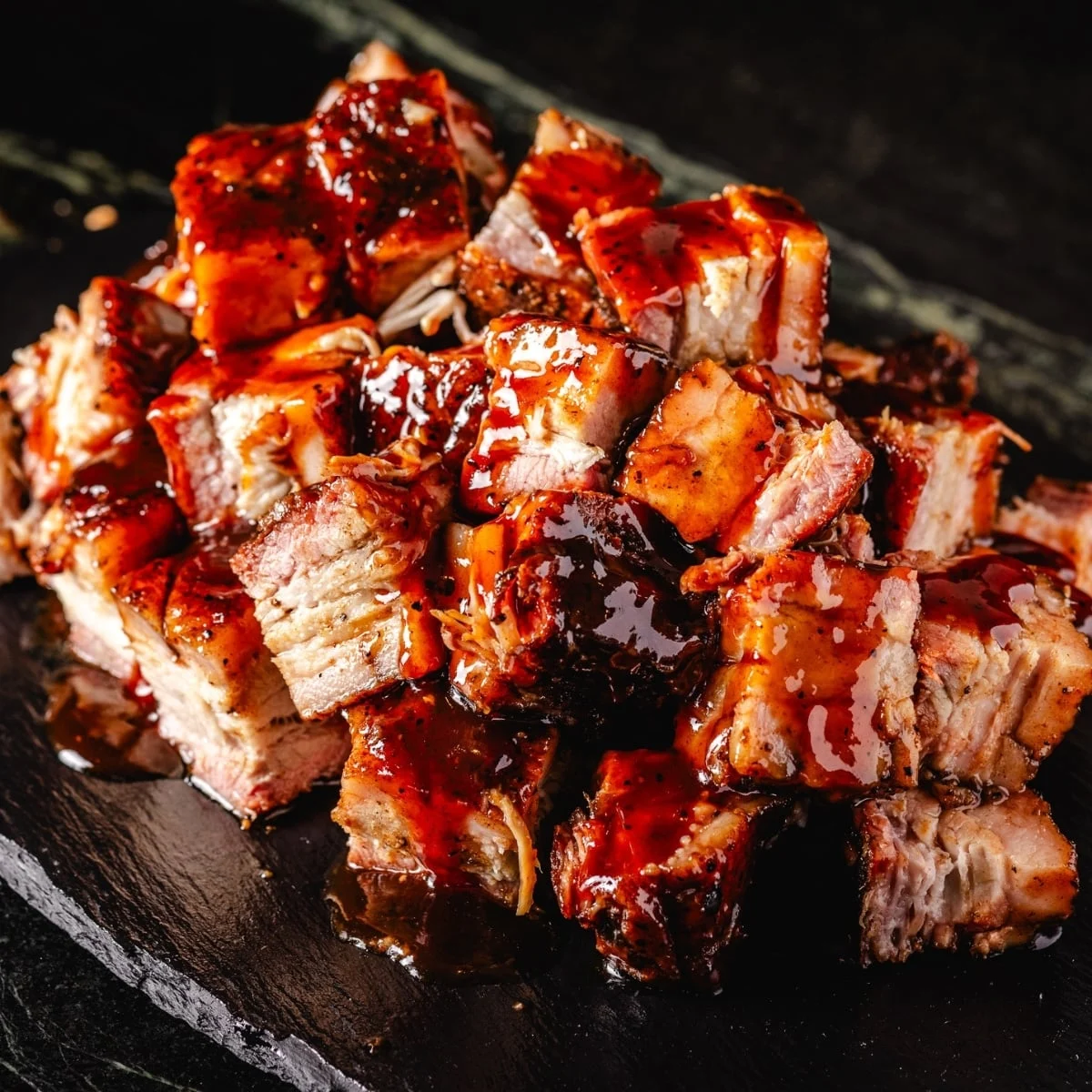
The rise of pork belly in the barbecue circuit is not merely a matter of taste but also a reflection of shifting consumer demands and the accessibility of high-end smoking equipment. As the outdoor cooking industry continues to expand—estimated by some market analysts to be worth over $5 billion globally—recipes like the Maple Bourbon BBQ Pork Belly serve as a benchmark for both amateur enthusiasts and professional pitmasters. The methodology involves a precise four-ingredient approach, emphasizing the importance of meat quality and temperature control over culinary complexity.
The Technical Evolution of Pork Belly Preparation
Historically, the pork belly was the undervalued section of the hog, often salted and cured to create pancetta or American-style bacon. However, the contemporary BBQ movement has redefined the cut’s utility. The Maple Bourbon BBQ Pork Belly follows a rigorous preparation timeline that prioritizes the rendering of intramuscular fat and the development of a "bark," or caramelized exterior crust.

The process begins with the selection of the meat. A standard pork belly consists of alternating layers of fat and lean muscle. In the professional culinary sphere, the preparation involves scoring the fat cap in a crosshatch pattern. This technique serves a dual purpose: it allows the dry rub—in this case, a signature rib rub—to penetrate deeper into the tissues, and it facilitates the "rendering out" of excess surface fat during the initial smoking phase.
The smoking phase is conducted at a consistent 225 degrees Fahrenheit (approx. 107 degrees Celsius). This specific temperature is critical in the barbecue world. It is high enough to kill bacteria and slowly melt collagen into gelatin but low enough to prevent the exterior from burning before the interior reaches the desired tenderness. The physics of this process involves the "stall"—a period where the internal temperature of the meat plateaus as moisture evaporates from the surface. To counteract this and ensure a juicy final product, the pork belly is typically braised in its later stages, often using a combination of the meat’s own juices and the maple bourbon glaze.
Chronology of the Smoking Process
The production of Maple Bourbon BBQ Pork Belly follows a specific chronological sequence that spans several hours, requiring patience and thermal monitoring.

- Preparation and Seasoning: The raw pork belly is trimmed and scored. The application of a dry rub provides the initial flavor profile. Pitmasters often recommend allowing the seasoned meat to sit, creating a "tackiness" on the surface that helps smoke particles adhere to the meat.
- Initial Smoke Phase: The meat is placed in a smoker preheated to 225°F. During this stage, the pork absorbs nitrogen dioxide and carbon monoxide from the wood smoke, creating the characteristic "smoke ring"—a pink discoloration just below the surface that is a hallmark of authentic barbecue.
- The Braising Transition: Once the pork reaches an internal temperature of approximately 165°F, it is often moved into a pan or wrapped. This stage, known as the "Texas Crutch" in BBQ parlance, uses steam to break down tough connective tissues rapidly.
- Glazing and Finishing: The final hour of cooking involves the application of the Maple Bourbon Glaze. The sugars in the maple syrup and the alcohol-derived esters in the bourbon undergo the Maillard reaction and caramelization, creating a sticky, mahogany-colored finish.
- The Rest Period: Crucial to the integrity of the dish, the meat must rest after removal from the heat. This allows the internal juices to redistribute, ensuring that the meat remains moist when sliced or cubed.
Ingredient Analysis and Market Trends
The simplicity of the four-ingredient list—pork belly, rib rub, maple bourbon glaze, and a braising liquid—is a strategic choice that reflects current consumer preferences for "clean label" cooking. According to data from the National Pork Board, consumer interest in pork belly has seen a double-digit percentage increase over the last decade, driven largely by its presence on social media and television cooking competitions.
The flavor profile of maple and bourbon is a classic American pairing. Maple syrup provides a complex sweetness containing trace minerals and over 60 different antioxidants, while bourbon, by legal definition, must be aged in new charred oak containers. This aging process imparts vanillin and tannins to the spirit, which complement the smokiness of the pork. When these elements are reduced into a glaze, they create a balanced flavor profile that hits multiple taste receptors: sweet, salty, savory (umami), and bitter.
Economically, the pork belly remains a versatile asset for the meat industry. While prices fluctuate based on grain costs and export demand, the ability to transform a relatively affordable wholesale cut into a high-value appetizer or main course provides significant margins for restaurants. In the home-cooking sector, the rise of pellet grills and digital thermometers has democratized the ability to produce restaurant-quality pork belly, leading to a surge in the sales of specialized rubs and sauces.

Professional Standards and Food Safety
In any journalistic review of culinary techniques, food safety remains a primary focus. The USDA recommends cooking pork to a minimum internal temperature of 145°F with a three-minute rest. However, for BBQ pork belly, the "doneness" is measured by tenderness rather than mere safety. Most experts, including those from the Hey Grill Hey team, suggest taking the pork belly to an internal temperature of 200°F to 205°F. At this stage, the fat has fully rendered, and the meat offers little resistance when probed.
The use of high-accuracy digital thermometers, such as the Thermapen ONE, has become standard practice. These devices provide readings in under one second, allowing pitmasters to check multiple points of the meat without losing significant heat from the smoker. This level of precision is what separates modern "backyard heroes" from previous generations of cooks who relied on visual cues or time-based estimates.
Statements and Culinary Impact
Susie Bulloch, a prominent figure in the BBQ community and the creator of this specific Maple Bourbon preparation, has noted that the accessibility of the dish is its strongest selling point. Bulloch, who has appeared on the Food Network and holds Guinness World Records for grilling, emphasizes that the goal of such recipes is to instill confidence in the home cook.

Industry analysts suggest that the "Hey Grill Hey" model of recipe sharing has fundamentally changed how the public interacts with meat products. By providing video tutorials and scientific explanations for why certain temperatures matter, influencers have created a more informed consumer base. This has, in turn, pressured grocery stores to carry more diverse cuts of meat, such as whole pork bellies, which were previously difficult to find in standard retail environments.
Broader Implications for American Gastronomy
The Maple Bourbon BBQ Pork Belly is more than a recipe; it is a symptom of a larger cultural shift toward artisanal, craft-oriented food preparation. As urban dwellers and suburban families alike seek out "authentic" experiences, the act of spending six to eight hours tending a fire to produce a single dish has become a form of culinary therapy and social currency.
Furthermore, the dish highlights the regional blurring of BBQ styles. While bourbon is deeply rooted in Kentucky tradition and maple syrup in the Northeast, their combination with a pork-heavy Southern smoking technique represents a "New American" style of barbecue that is not tethered to a single geographic location. This fusion approach is likely to continue as global flavors—such as gochujang or miso—begin to find their way into the maple-bourbon glaze palettes of the future.

In conclusion, the Maple Bourbon BBQ Pork Belly stands as a testament to the sophistication of modern outdoor cooking. It combines the rigorous discipline of thermal physics with the creative artistry of flavor balancing. As the BBQ industry continues to innovate, the reliance on high-quality ingredients and precise internal temperatures will remain the gold standard for those seeking to master the art of the smoke. For the backyard enthusiast, the reward is a dish that is deeply savory, culturally resonant, and consistently impressive.
