
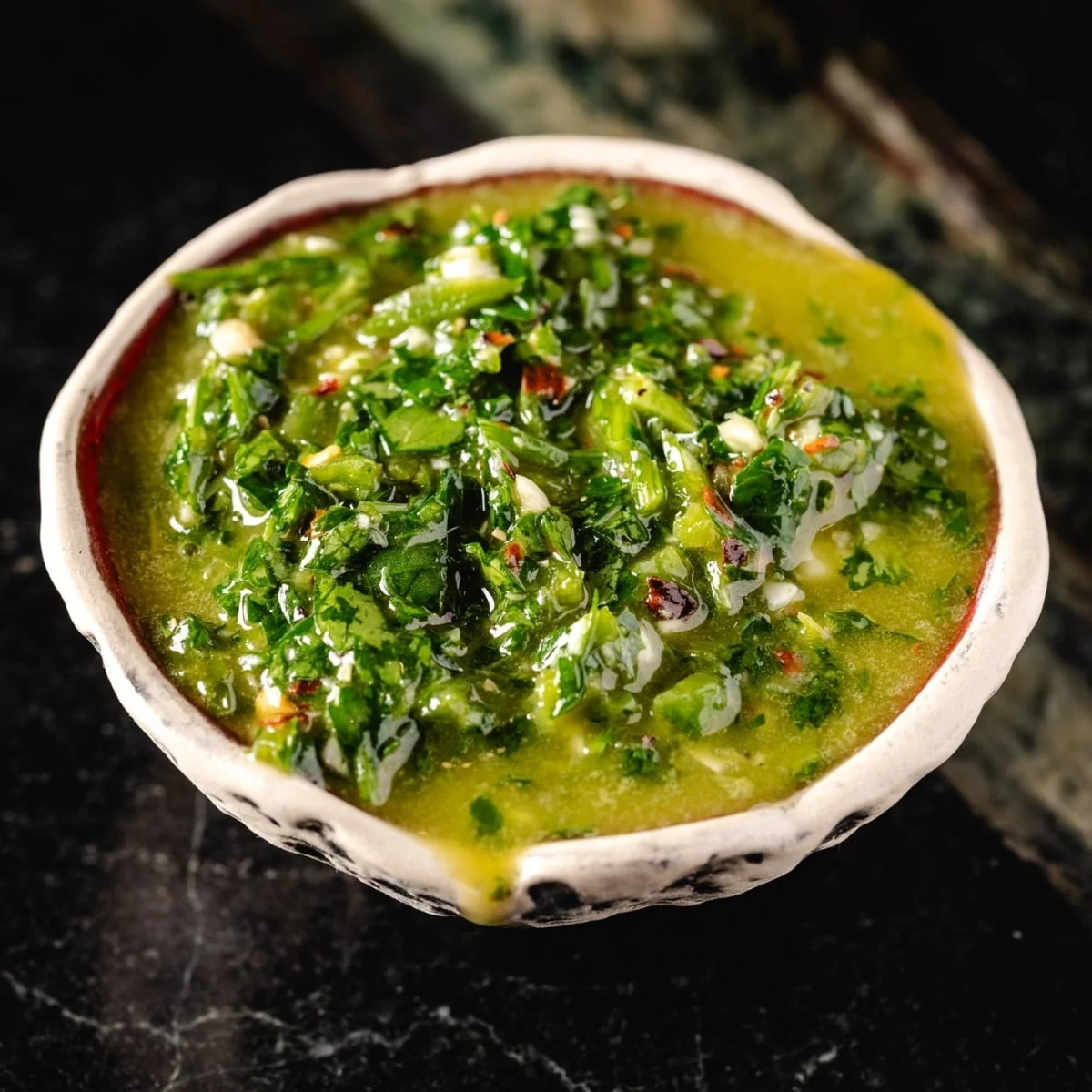
The culinary world is witnessing a significant shift in the landscape of traditional condiments, as home chefs and professional pitmasters alike seek to bridge the gap between classic regional staples and modern flavor profiles. Central to this movement is the emergence of the Jalapeño Chimichurri Sauce, a vibrant adaptation of the traditional Argentine herb sauce that incorporates the sweet heat of charred peppers. This culinary innovation, popularized by BBQ expert Susie Bulloch through her "Hey Grill Hey" platform, represents a broader trend in the global barbecue community: the pursuit of "bright" and "punchy" acidity to balance the heavy, smoky fats associated with grilled proteins. By integrating charred jalapeños into a base of fresh parsley, cilantro, and garlic, this sauce offers a multi-dimensional profile that caters to an evolving consumer palate that increasingly demands complexity, heat, and freshness in every bite.
The Historical and Cultural Evolution of Chimichurri
To understand the significance of the jalapeño-infused variant, one must first examine the origins of chimichurri. Historically, chimichurri is an uncooked sauce used both as an ingredient in cooking and as a table condiment for grilled meat. It is a fundamental pillar of Argentine and Uruguayan cuisine, deeply rooted in the "asado" or barbecue culture of the South American plains. Traditionally, the sauce is composed of finely chopped parsley, minced garlic, olive oil, oregano, and red wine vinegar.

While the exact etymology of the word remains a subject of debate among linguists—with theories ranging from a corruption of English names like "Jimmy’s Curry" to Basque origins—its function has remained constant for centuries: to provide a sharp, herbaceous contrast to the rich, fatty cuts of beef standard in South American ranching culture. The modern introduction of the jalapeño into this classic template marks a significant departure from tradition, reflecting the globalization of ingredients. The jalapeño, native to Mexico, introduces capsaicin and a specific vegetal sweetness that, when charred, adds a layer of "sweet heat" that was historically absent from the original Atlantic-influenced recipes of Argentina.
Technical Chronology of Preparation: From Heat to Emulsion
The production of Jalapeño Chimichurri Sauce follows a precise technical chronology designed to maximize both the volatile oils of the fresh herbs and the sugars within the peppers. Unlike many sauces that rely on raw ingredients alone, this version utilizes a two-stage process involving thermal application and mechanical emulsification.
- Thermal Processing (The Char): The process begins with the "blistering" of a fresh jalapeño over an open flame or high-heat grill. This step is critical for more than just aesthetics; the application of high heat triggers the Maillard reaction, breaking down the pepper’s cell walls and caramelizing its natural sugars. This softens the pepper’s texture and introduces a subtle smokiness that bridges the gap between the fresh sauce and the grilled meat it will eventually accompany.
- Herb Preparation: While the pepper cools, fresh flat-leaf parsley and cilantro are harvested and prepared. In professional culinary applications, the ratio of parsley to cilantro is often debated, but the Jalapeño Chimichurri typically utilizes a balanced blend to ensure that the citrusy notes of the cilantro do not overpower the earthy, peppery notes of the parsley.
- Mechanical Integration: The charred pepper is combined with the herbs, peeled garlic cloves, red wine vinegar, and extra virgin olive oil. The ingredients are then processed until a cohesive, yet slightly textured, emulsion is formed.
- Maturation Period: Although the sauce can be served immediately, culinary science suggests a maturation period of at least 30 minutes. This allows the acetic acid in the red wine vinegar to draw out the flavors of the garlic and herbs, creating a more unified flavor profile.
Nutritional Profile and Chemical Composition
The Jalapeño Chimichurri Sauce is not merely a flavor enhancer; it is a nutrient-dense addition to a meal. Based on standardized nutritional calculations, a single serving (approximately 2 tablespoons) contains roughly 171 calories, primarily derived from monounsaturated fats found in olive oil.

The chemical composition of the sauce provides several health-related benefits. Parsley and cilantro are rich in Vitamin A (1075 IU per serving) and Vitamin C (15 mg), which act as powerful antioxidants. The inclusion of garlic provides allicin, a compound known for its anti-inflammatory properties. Furthermore, the capsaicin in the jalapeño acts as a metabolic stimulant.
Nutritional Breakdown per Serving:
- Total Fat: 18g (with only 3g of saturated fat)
- Sodium: 443mg
- Carbohydrates: 2g
- Fiber: 1g
- Protein: 1g
The high fat content, largely from monounsaturated "heart-healthy" fats, serves a functional purpose in the culinary experience. Fat is a primary carrier of flavor; it coats the tongue and allows the volatile aromatic compounds of the herbs and garlic to linger, extending the "finish" of the sauce on the palate.

Market Trends and the Rise of the DIY Condiment Industry
The popularity of recipes like the Jalapeño Chimichurri reflects a significant shift in the global condiment market. According to recent market research reports, the global sauces and condiments market was valued at approximately USD 172.79 billion in 2022 and is projected to reach over USD 240 billion by 2030. Within this growth, there is a clear sub-trend: the "clean label" movement.
Consumers are increasingly wary of store-bought condiments that contain high-fructose corn syrup, artificial preservatives, and stabilizers. This has led to a surge in DIY (Do-It-Yourself) sauce preparation. The "Hey Grill Hey" platform, led by Susie Bulloch, has capitalized on this trend by providing accessible, high-quality recipes that allow home cooks to replicate restaurant-quality results. Bulloch, a prominent figure in the BBQ industry with appearances on the Food Network and multiple Guinness World Records, represents the democratization of professional culinary techniques. Her advocacy for homemade sauces emphasizes the "Backyard BBQ Hero" archetype, where the cook takes full control over the ingredient list.
Professional Culinary Applications and Serving Suggestions
In a professional setting, the Jalapeño Chimichurri is prized for its versatility. While traditional chimichurri is synonymous with flank steak or skirt steak (the "churrasco" cuts), the jalapeño variant expands these boundaries.

- Red Meats: The acidity of the red wine vinegar acts as a chemical tenderizer on the surface of the meat, while the heat of the jalapeño cuts through the richness of high-marbling cuts like Ribeye or Wagyu.
- Seafood: The citrus-like notes of the cilantro and the charred pepper make this sauce an ideal accompaniment for grilled shrimp or white fish, where a traditional heavy BBQ sauce would be overpowering.
- Vegetables: The sauce transforms charred cauliflower, grilled asparagus, or roasted potatoes into a primary flavor experience rather than a side dish.
- Poultry: It provides a necessary moisture element to grilled chicken breasts, which can often become dry during the high-heat cooking process.
Expert Perspectives and Implications for Home Gastronomy
Culinary experts note that the success of the Jalapeño Chimichurri lies in its balance of the "Five Tastes": salt (added seasoning), sour (vinegar), bitter (parsley), sweet (charred pepper), and umami (garlic). By hitting all these notes, the sauce creates a "palate-cleansing" effect that prevents "sensory-specific satiety"—the phenomenon where a diner grows tired of a single flavor profile.
The broader implication of this sauce’s popularity is the continued "premiumization" of home cooking. As tools like high-powered blenders, immersion circulators, and high-end charcoal grills become standard in suburban households, the distinction between "home cooking" and "professional gastronomy" continues to blur. The Jalapeño Chimichurri is a prime example of this transition—a sophisticated, multi-layered condiment that requires minimal time (approximately 5 minutes of active blending) but delivers a complex result that rivals artisanal products.
Conclusion: The Future of Fusion Barbecue
As the barbecue community continues to evolve, the Jalapeño Chimichurri Sauce stands as a testament to the power of fusion. It respects the foundational principles of Argentine tradition while embracing the bold, heat-forward preferences of the modern North American palate. For enthusiasts following the guidance of industry leaders like Susie Bulloch, the message is clear: the future of grilling lies not just in the quality of the meat, but in the vibrancy and integrity of the accompaniments. By moving away from processed, shelf-stable options and toward fresh, herb-based emulsions, the modern "Backyard BBQ Hero" is redefining the standards of the outdoor culinary experience. This shift toward fresh, nutrient-dense, and flavor-complex condiments is likely to remain a permanent fixture in the global gastronomic landscape.
