
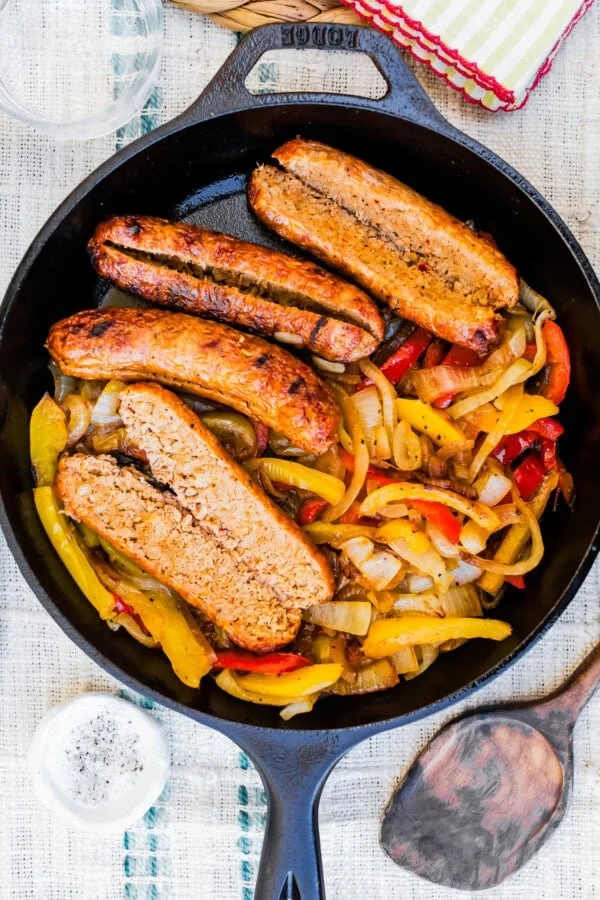
The enduring popularity of sausage and peppers as a versatile culinary staple underscores its significant role in both Italian-American heritage and broader American home cooking. This classic dish, celebrated for its straightforward preparation and robust flavors, consistently ranks as a preferred meal across diverse demographics, seamlessly transitioning from casual weeknight dinners to festive backyard gatherings. Its appeal lies in a harmonious blend of savory Italian sausage, often lean chicken varieties, coupled with the vibrant sweetness of bell peppers and the aromatic depth of onions. The adaptability of the dish to various cooking environments—from the smoky char of a grill to the consistent heat of an indoor kitchen—further cements its status as a year-round culinary favorite.
The Rich Tapestry of Italian-American Cuisine
The journey of sausage and peppers from its probable humble origins in Southern Italy to its iconic status in American households is a testament to culinary migration and adaptation. While specific historical records pinpointing the dish’s exact inception are scarce, its emergence is deeply intertwined with the wave of Italian immigration to the United States in the late 19th and early 20th centuries. Immigrants, particularly from regions like Campania, Sicily, and Calabria, brought with them a rich culinary tradition centered around readily available ingredients and hearty, communal meals. Sausage, a staple protein often prepared in various regional styles, combined with abundant local produce like bell peppers and onions, formed the foundation of many dishes designed for sustenance and flavor.
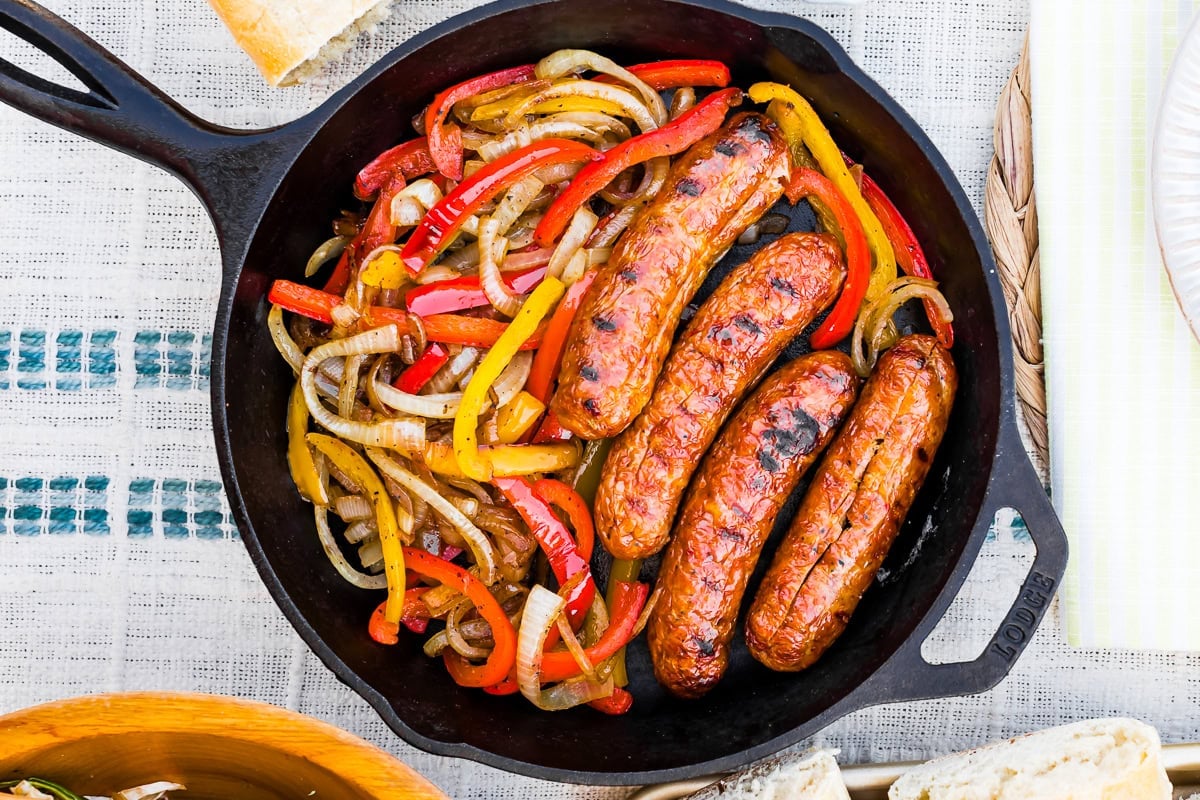
In America, as Italian immigrants established communities, particularly in urban centers like New York, Philadelphia, and Boston, their culinary traditions began to evolve. Street vendors and small eateries played a pivotal role in popularizing dishes like sausage and peppers. The portability and satisfying nature of a sausage and pepper sandwich quickly made it a hit at street fairs, festivals, and sporting events. This period saw the dish transform from a simple home-cooked meal into a beloved street food, emblematic of Italian-American culture. The use of sweet or hot Italian pork sausage was traditional, reflecting the robust flavors preferred in the old country, often served simply on a crusty roll, allowing the quality of the ingredients to shine. This historical context provides a crucial background to understanding the dish’s enduring cultural significance and its deep roots within the Italian-American community, where it often symbolizes family gatherings, celebration, and culinary heritage.
Culinary Evolution and Modern Adaptations: From Traditional to Contemporary Tables
Over decades, the sausage and peppers dish continued to evolve, demonstrating remarkable resilience and adaptability. While the traditional pork sausage remains a popular choice, contemporary culinary trends have introduced variations that cater to a wider range of dietary preferences without compromising on flavor. The rise of lean protein alternatives, such as Italian chicken sausage, exemplifies this evolution. Brands offering chicken sausage that emulates the savory profile of its pork counterpart but with reduced fat content have gained significant traction. This adaptation allows health-conscious consumers to enjoy the classic flavors of the dish while adhering to dietary guidelines, reflecting a broader societal shift towards healthier eating habits.
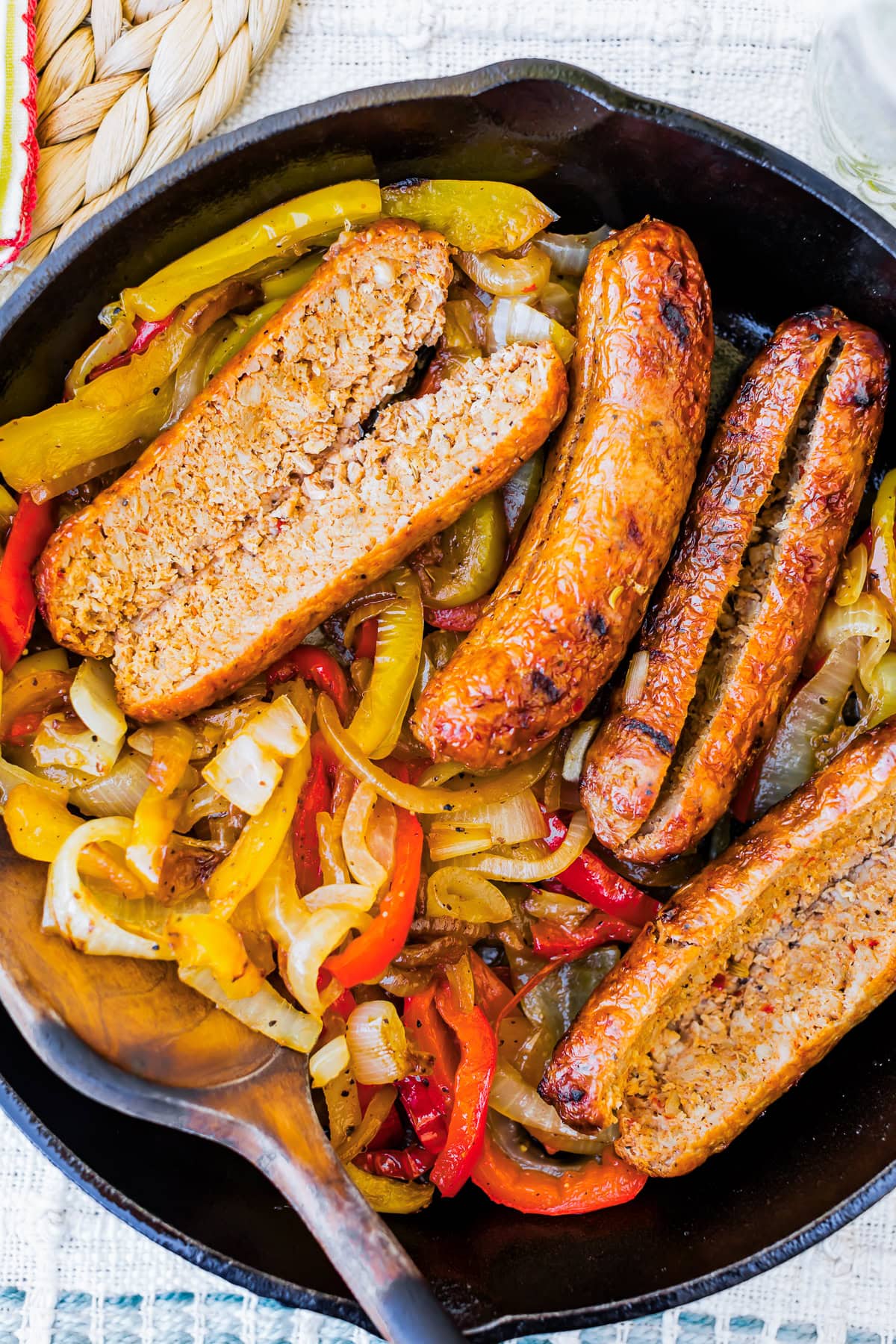
The cooking methodology has also diversified. Historically, grilling over an open flame was a common outdoor preparation method, especially during warmer months, imparting a distinctive smoky flavor to the peppers and onions. This method is particularly cherished for backyard cookouts and summer entertaining, where the aroma of grilling food enhances the festive atmosphere. However, the dish’s practicality extends to indoor cooking, utilizing stovetops, ovens, and even slow cookers. For instance, sheet pan preparations, where all ingredients are roasted together, offer a convenient, low-mess option, particularly appealing for busy weeknights. Similarly, foil packet methods are favored for their ease, especially in outdoor settings like camping, ensuring moist ingredients and minimal cleanup. This versatility ensures that the dish remains accessible and enjoyable regardless of the season or kitchen setup, highlighting its enduring appeal across various lifestyles and culinary needs.
Key Ingredients and Nutritional Profile: A Balanced and Flavorful Combination
The core components of the sausage and peppers recipe are deceptively simple, yet they combine to create a nutritionally substantial and deeply satisfying meal. The judicious selection of these ingredients contributes significantly to both the flavor profile and the overall health benefits of the dish.

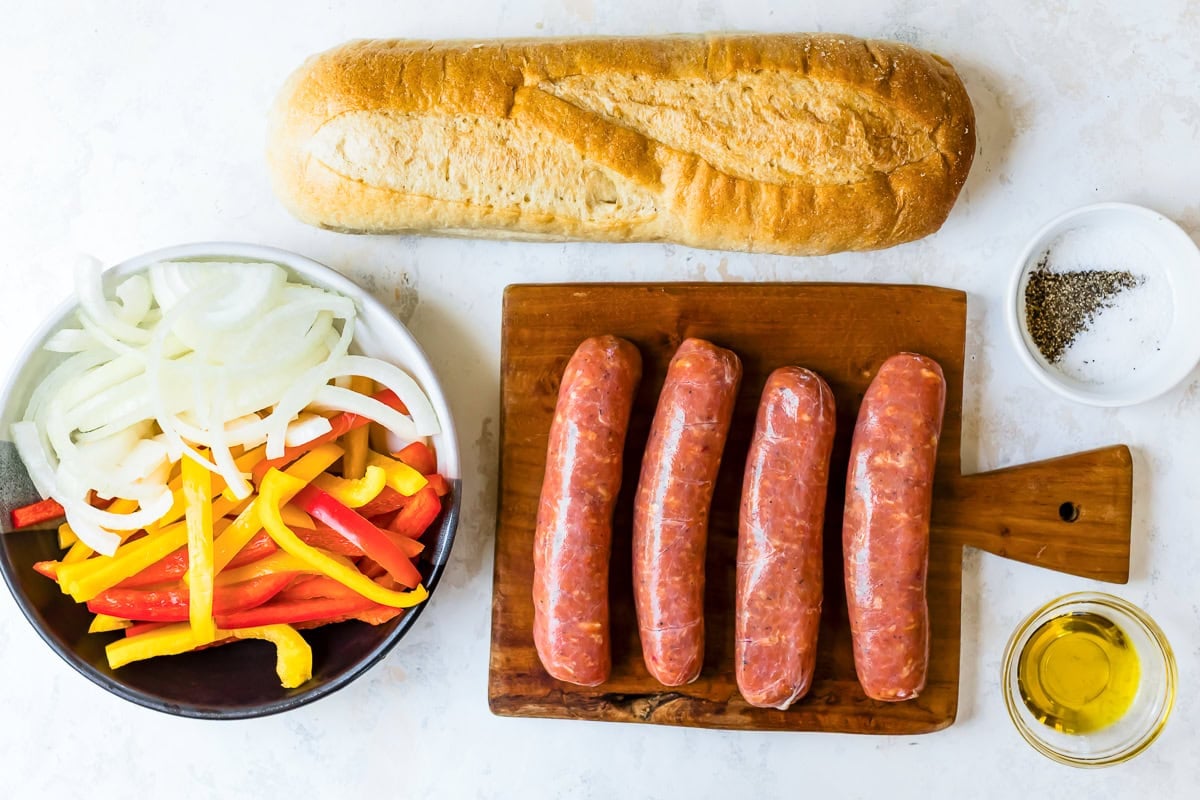
- Sausage: The protein cornerstone of the dish. While traditional recipes often call for pork Italian sausage, the increasing preference for chicken Italian sausage highlights a significant trend towards leaner options. According to typical nutritional data for a serving of approximately one cup of sausage and peppers with two ounces of bread, the dish usually provides around 413 kilocalories. The protein content is notably high, at approximately 28 grams, contributing significantly to satiety, muscle maintenance, and repair. Fat content, at around 17 grams, includes approximately 5 grams of saturated fat. Choosing chicken sausage can significantly reduce overall fat and saturated fat intake without sacrificing the characteristic Italian seasoning profile, which typically includes fennel, garlic, and paprika.
- Peppers: Sweet bell peppers (red, green, yellow, orange) are a vital source of essential vitamins and antioxidants. They contribute natural sweetness, vibrant color, and a pleasant crunch or tenderness depending on cooking time. Rich in Vitamin C, which is crucial for immune function and skin health, and Vitamin A, important for vision, peppers bolster the nutritional value of the dish. Their high water content also adds to the dish’s moisture and freshness.
- Onions: Adding a pungent sweetness when caramelized, onions provide essential fiber, prebiotics (which support gut health), and various micronutrients such as Vitamin B6 and manganese. They form a crucial aromatic base for the dish, enhancing its overall flavor complexity and contributing to its savory depth.
- Bread: Often served alongside or as a vehicle for the sausage and peppers, crusty bread complements the savory components. While contributing carbohydrates (approximately 38 grams per serving with two ounces of bread), it offers a satisfying textural contrast and helps absorb the delicious juices. The fiber content of the entire dish is around 2.5 grams, with sugars around 9.5 grams, much of which comes from the naturally occurring sugars in the caramelized vegetables. Sodium content, at approximately 1300 mg per serving, is an area where conscious ingredient selection (e.g., lower sodium sausages, moderation in added salt) can be beneficial for those managing dietary intake. Cholesterol is typically around 107.5 mg. This nutritional breakdown indicates that with mindful ingredient choices, sausage and peppers can be a hearty and relatively balanced meal.
Preparation Techniques: Mastering the Grill and Beyond
The preparation of sausage and peppers is renowned for its simplicity, making it accessible to home cooks of all skill levels. While grilling is often considered the quintessential method, offering distinct charring and smoky notes, indoor alternatives provide year-round enjoyment and convenience.
Grilling Method
For outdoor enthusiasts, grilling imbues the dish with unparalleled depth of flavor. Italian sausages are typically grilled directly over medium heat until cooked through and nicely browned, developing a crispy exterior. This direct heat method ensures even cooking and a desirable texture. For the vegetables, a cast-iron skillet placed directly on the grill grates over low heat is ideal. This setup allows the peppers and onions to soften and caramelize slowly, absorbing the smoky essence of the grill while preventing them from falling through the grates. The grill lid is often closed to create a convection effect, ensuring even cooking and tender vegetables that retain their vibrant colors. The visual appeal of charred peppers and onions alongside perfectly browned sausage links is a hallmark of this preparation style, often associated with summer festivities and communal dining.

Indoor Cooking Alternatives: Versatility for Any Kitchen
Recognizing that not all households have access to an outdoor grill, several indoor methods yield equally delicious results, providing flexibility for any kitchen setup or weather condition:
- Stovetop Sautéing: This method is a classic for the vegetables. Sliced peppers and onions are sautéed in olive oil over medium-high heat in a large skillet until tender-crisp and lightly caramelized. The sausages can be cooked separately in the same skillet, or browned first and then simmered with the vegetables, sometimes with a splash of water or broth to ensure they cook through and absorb flavors, creating a rich, integrated taste.
- Oven Roasting (Sheet Pan Method): A highly efficient method, particularly for larger batches or meal preparation. Sausages, peppers, and onions are tossed with olive oil and seasonings, spread in a single layer on a baking sheet, and roasted in a hot oven (typically 400°F/200°C). This results in beautifully caramelized vegetables and evenly cooked sausage, with minimal hands-on time. The "Sheet Pan Roasted Potatoes, Sausage, and Peppers" variation highlights this method’s versatility by incorporating an additional starch for a more complete meal.
- Broiling: For a quick char and browning, sausages and vegetables can be arranged on a baking sheet and broiled. This method requires close monitoring to prevent burning but delivers a desirable crispness and caramelized finish in a shorter timeframe.
- Foil Packet Grilling/Baking: As noted in the original context, "Cheesy Sausage and Peppers in foil packets" is perfect for grilling while camping. This method involves assembling the ingredients in heavy-duty foil packets, sealing them tightly, and cooking them over direct heat on a grill or in an oven. The steam trapped within the packet cooks the ingredients, resulting in tender sausage and vegetables, often with added cheese for richness. This technique is particularly useful for meal prep, controlled portions, and easy cleanup, making it a favorite for outdoor adventures or simple home cooking.
Ensuring Food Safety: The Importance of Internal Temperature
Regardless of the cooking method employed, ensuring the sausage is fully cooked to a safe internal temperature is paramount for food safety and public health. Undercooked meat can harbor harmful bacteria, leading to foodborne illnesses. The recommended internal temperature for raw pork or chicken sausage is 165°F (74°C). This can be accurately verified using an instant-read thermometer inserted into the thickest part of a sausage link, ensuring the probe does not touch bone or the cooking surface. For those utilizing pre-cooked sausages, the goal is to heat them thoroughly until warm in the center, which typically requires a reduced cooking time compared to raw varieties. Adherence to these temperature guidelines prevents foodborne illnesses and ensures a safe and enjoyable dining experience for all consumers. Regular use of a food thermometer is a critical practice recommended by food safety authorities.
Storage and Preservation: Maximizing Enjoyment and Minimizing Waste
Prepared sausage and peppers store remarkably well, making it an excellent candidate for meal prepping and efficient household management. To maintain freshness and prevent bacterial growth, leftovers should be cooled quickly after cooking, ideally within two hours, and then transferred to an airtight container. Refrigerated, the dish typically maintains its quality and safety for three to four days. For longer-term storage, freezing is an effective option; the cooked sausage and peppers can be frozen for up to two to three months without significant loss of quality. When reheating, it is advisable to do so thoroughly, ensuring the internal temperature reaches 165°F (74°C) to maintain both safety and palatability. Reheating on the stovetop, in the oven, or even in a microwave can restore the dish to a delicious state, making it a convenient option for future meals and reducing food waste.
Broader Impact and Culinary Trends: A Dish for All Seasons and Reasons
The enduring appeal of sausage and peppers extends beyond its delicious taste and ease of preparation. It embodies several significant culinary trends and societal values, highlighting its cultural resonance and adaptability in the modern food landscape:

- Comfort Food Revival: In an era of increasing culinary complexity and globalized flavors, simple, hearty comfort foods like sausage and peppers offer a sense of nostalgia, familiarity, and deep satisfaction. They represent home cooking at its best—unfussy, flavorful, and filling—providing solace and connection in a rapidly changing world.
- Healthy Twists on Classics: The adoption of lean chicken sausage demonstrates a broader trend towards making traditional dishes more health-conscious without sacrificing cultural authenticity or taste. This aligns with public health initiatives promoting lower fat intake and balanced diets, reflecting consumer demand for nutritious yet familiar meal options.
- Versatility and Adaptability: The dish’s ability to be cooked indoors or outdoors, adapted for various occasions (from quick weeknight dinners to large social gatherings), and customized with different types of sausage or vegetables makes it incredibly flexible. This versatility resonates with modern lifestyles that demand convenience, personalization, and choice in meal preparation.
- Cultural Preservation: For Italian-American communities, dishes like sausage and peppers are more than just food; they are tangible links to heritage, family traditions, and a shared cultural identity. Passing down these recipes through generations helps preserve culinary history, reinforce communal bonds, and foster a strong sense of cultural belonging.
- Economic Impact: The sustained popularity of sausage and peppers contributes significantly to the agricultural and food processing industries, driving consistent demand for Italian sausages, fresh bell peppers, onions, and associated condiments and bread products. This economic ripple effect supports local and national food economies, impacting farmers, manufacturers, distributors, and retailers alike.
- Meal Prep Efficiency: Its ease of preparation and excellent storage properties make it a prime candidate for meal prepping, aligning with contemporary consumer trends focused on efficiency, batch cooking, and healthy eating throughout the week.
Conclusion: An Enduring Legacy on the Plate
The Sausage and Peppers Recipe, with its deep roots in Italian-American culinary tradition, stands as a testament to the power of simple ingredients combined with thoughtful preparation. From its origins as immigrant sustenance and vibrant street food to its current status as a flexible, family-friendly meal, its journey reflects broader shifts in dietary preferences and cooking practices. Whether enjoyed al fresco from the grill on a warm summer evening or cooked indoors to ward off the chill of colder months, this dish consistently delivers a rich, satisfying experience that transcends seasonal boundaries. Its enduring presence in kitchens across the nation underscores its fundamental appeal: a delicious, adaptable, and culturally significant meal that continues to unite people around the table, embodying the timeless essence of wholesome, flavorful home cooking.
