
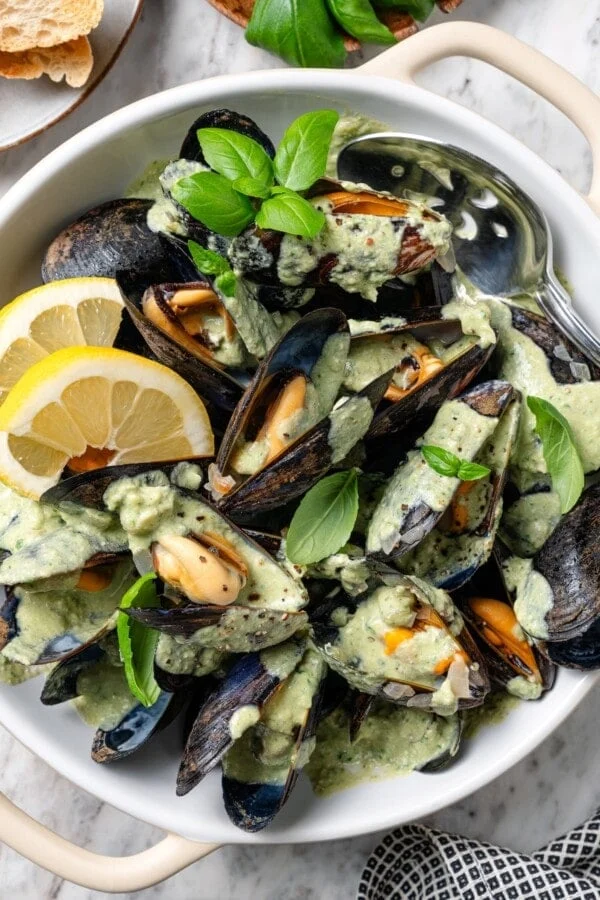
Mussels in cream sauce, a dish often perceived as the exclusive domain of upscale restaurants, are increasingly making their way into home kitchens, offering an elegant yet surprisingly easy culinary experience perfect for special occasions or a sophisticated weeknight meal. This preparation typically features fresh mussels steamed in a fragrant white wine broth, culminating in a rich, creamy sauce often infused with fresh basil, garlic, and Parmesan, ideal for soaking up with crusty bread. The growing accessibility of such recipes underscores a broader trend in gastronomy, where once-intimidating dishes are demystified for the enthusiastic home cook, blending restaurant-quality flavors with the comfort and control of domestic preparation.
Historical Roots and Global Appeal of Mussels
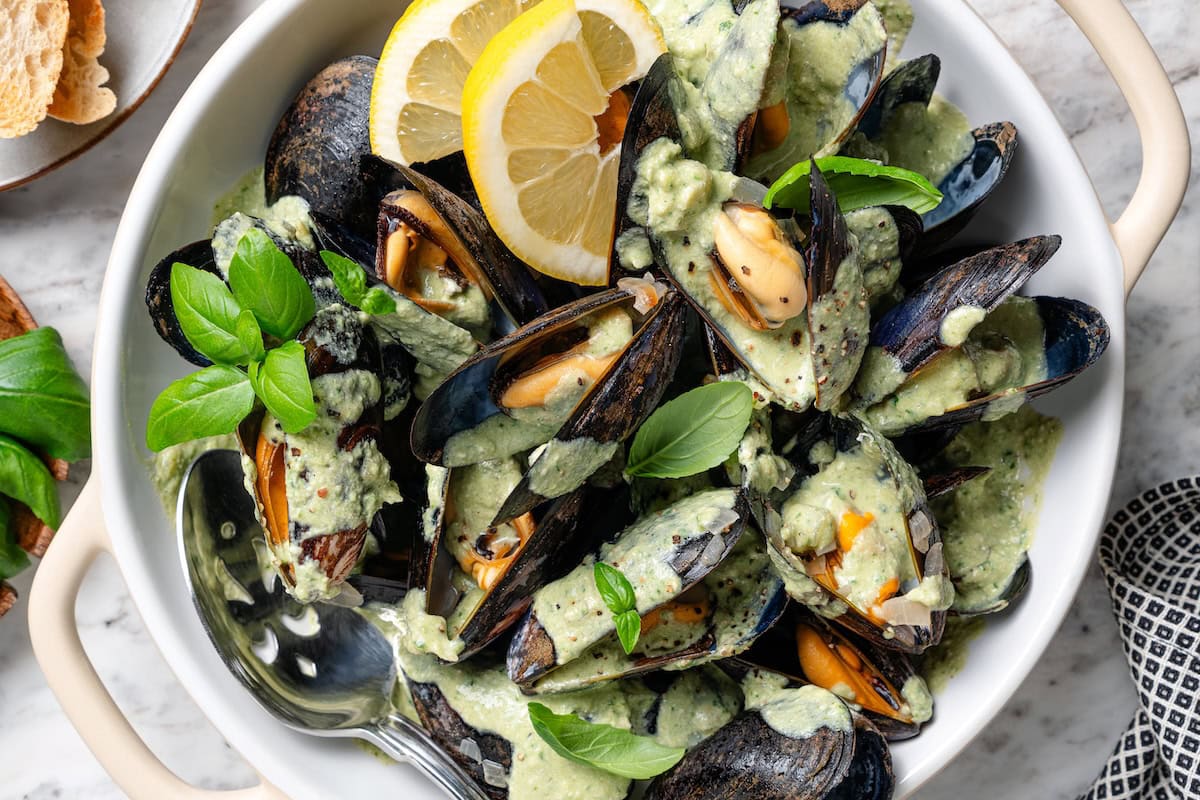
Mussels have been a dietary staple for coastal communities across the globe for millennia, with archaeological evidence suggesting their consumption by early humans. These bivalve mollusks thrive in intertidal zones and have historically been an abundant and easily harvested food source. Their culinary journey evolved from basic sustenance to a celebrated ingredient in various world cuisines. In Europe, mussels hold a particularly esteemed position. Belgium is renowned for its iconic moules-frites (mussels with fries), a national dish that showcases the mollusk steamed in white wine, herbs, and often a touch of cream or butter. France offers its classic moules marinières, a simple yet profound preparation emphasizing white wine, shallots, garlic, and parsley. Italy, too, features mussels prominently in regional dishes, from pasta sauces to vibrant seafood stews like zuppa di cozze. These historical precedents highlight mussels’ versatility and their ability to absorb and enhance the flavors of their accompanying sauces, laying the groundwork for modern interpretations like the basil cream sauce variant.
The widespread availability of farmed mussels has further cemented their place in contemporary diets. Aquaculture practices have made mussels an economically viable and environmentally sustainable seafood choice. Unlike some other shellfish, mussels grow rapidly and require minimal intervention, often filtering water as they grow, contributing to healthier marine ecosystems. This sustainability factor, coupled with their relatively low cost compared to other gourmet seafood, makes them an attractive option for conscientious consumers and home cooks looking to elevate their dining experiences without excessive expenditure.
The Democratization of Gourmet Cooking at Home
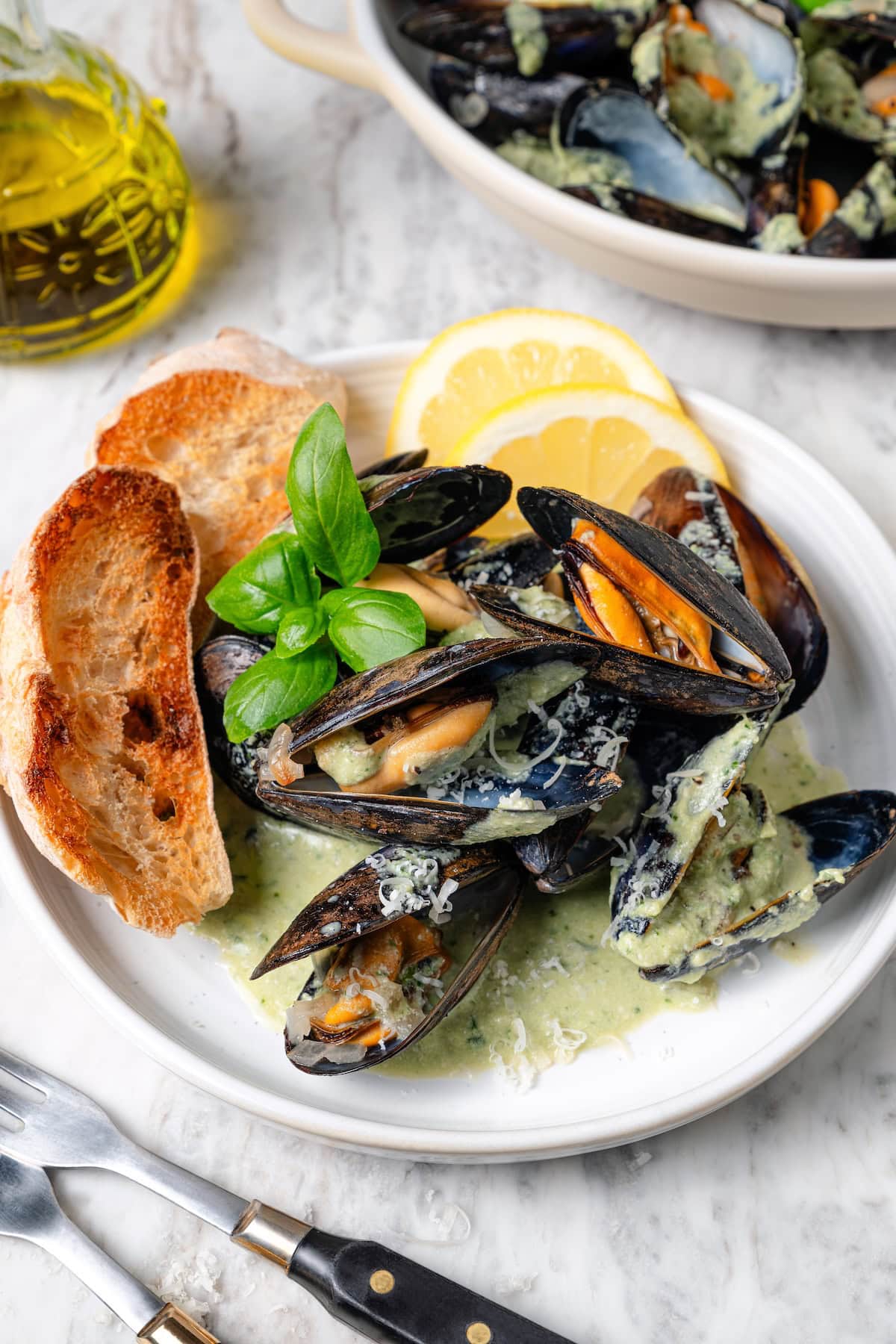
The digital age has profoundly impacted home cooking, transforming it from a routine necessity into a creative pursuit. Online culinary platforms, food blogs, and instructional videos have played a pivotal role in democratizing gourmet cooking, providing detailed, step-by-step guidance for dishes that were once considered restaurant-exclusive. Recipes for dishes like mussels in cream sauce exemplify this trend. What might have seemed complex or requiring specialized skills is now broken down into manageable steps, encouraging culinary exploration and skill development among home enthusiasts.
This shift is driven by several factors:
- Increased Culinary Confidence: Access to reliable recipes and tips empowers individuals to experiment with new ingredients and techniques.
- Cost-Effectiveness: Recreating restaurant favorites at home often proves significantly cheaper, especially for dishes featuring ingredients like shellfish. A single serving of mussels at a fine dining establishment can often cost as much as the ingredients for a multi-serving homemade batch.
- Dietary Control: Home cooks can tailor ingredients to their dietary preferences or health goals, such as reducing fat or sodium, a key advantage highlighted by recipe creators like Gina, who aim to offer lighter versions of traditionally rich dishes.
- The "Experience" Economy: For many, cooking at home has become a form of entertainment and a way to create memorable experiences, particularly for intimate occasions like date nights, where the act of preparing and sharing a special meal enhances the overall enjoyment.
Mastering the Mussels: Techniques and Ingredients

Preparing mussels successfully involves a few critical steps that ensure both safety and optimal flavor. The primary "main facts" of a successful mussels in cream sauce recipe revolve around proper cleaning, precise cooking, and the artful construction of the accompanying sauce.
- Mussel Preparation: The initial step involves cleaning the mussels thoroughly. This means scrubbing their shells under cold running water to remove any grit, barnacles, or debris. A crucial step is "de-bearding," where the fibrous "beard" (byssal threads) protruding from the shell is pulled off, typically towards the hinge. Mussels that are open and do not close when tapped should be discarded, as they are likely dead. Similarly, any mussels with broken shells should be discarded.
- Steaming Process: The base of the dish typically involves steaming the mussels in a liquid, most commonly white wine. The alcohol in the wine evaporates, leaving behind complex fruity and acidic notes that infuse the mussels. Aromatics such as minced garlic and shallots are often sautéed first to create a flavorful foundation before the wine and mussels are added. The steaming process is remarkably quick, usually taking only 5-7 minutes. Mussels are cooked when their shells have opened. Any mussels that remain closed after cooking should be discarded, as they were likely dead or compromised before steaming.
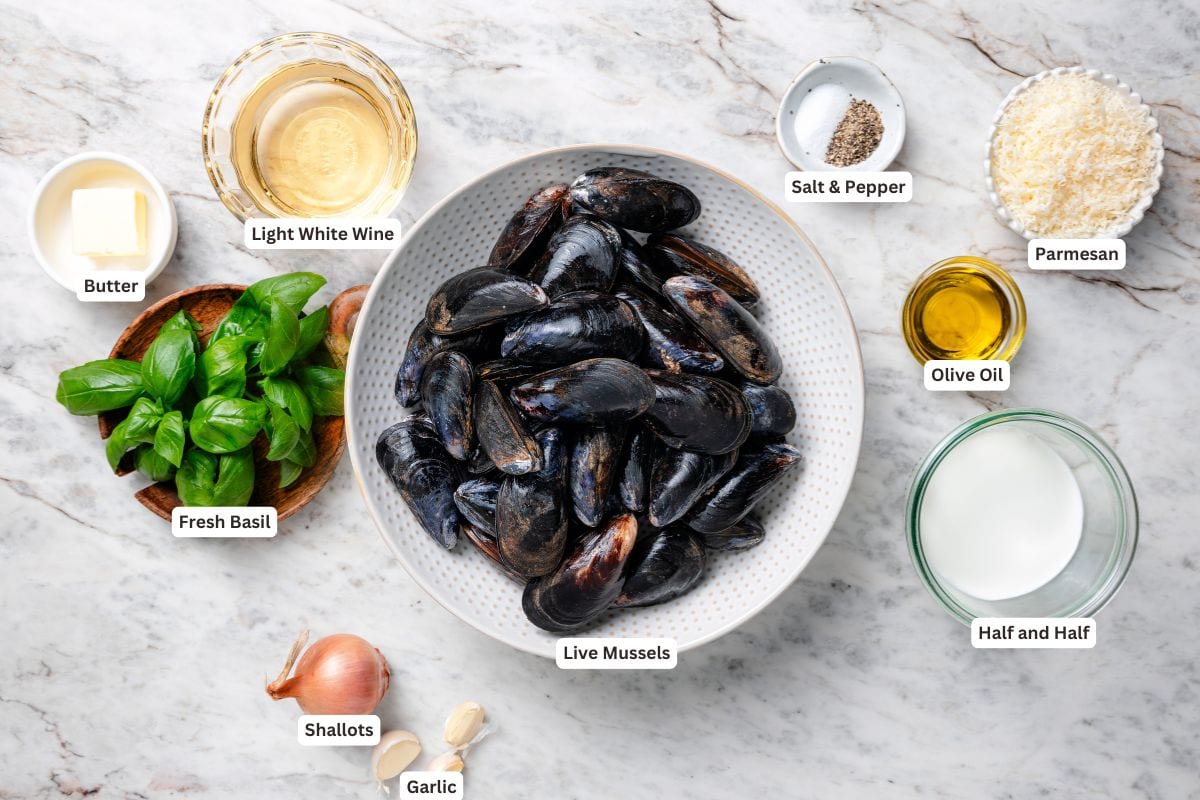
- Crafting the Cream Sauce: The magic of the "cream sauce" lies in its ability to transform the simple steamed mussels into a luxurious dish. In the featured recipe, the sauce is built directly in the steaming liquid, leveraging the flavorful broth released by the mussels. Key ingredients often include:
- Garlic: Provides a pungent, aromatic depth.
- Fresh Basil: Offers a distinct, peppery, sweet, and aromatic herbal note that brightens the richness of the cream.
- Parmesan Cheese: Adds a salty, umami, and nutty complexity, as well as contributing to the sauce’s body and creaminess.
- Half-and-Half (or Cream): This is the "cream" component. Using half-and-half, as suggested in the original inspiration, is a conscious choice to reduce the richness and caloric density compared to heavy cream, without sacrificing too much of the desired texture and mouthfeel.
- White Wine Reduction: The leftover steaming liquid, now infused with mussel juices, is often reduced slightly before the cream and cheese are added, concentrating its flavors.
The combination of these elements results in a sauce that is both robust and delicate, perfectly complementing the tender, briny mussels. The balance between the acidity of the wine, the sweetness of the basil, the sharpness of the Parmesan, and the richness of the cream creates a harmonious flavor profile that is profoundly satisfying.
Nutritional Insights and Health-Conscious Adaptations

Mussels are nutritional powerhouses, often categorized as a "superfood" due to their impressive array of vitamins, minerals, and beneficial fatty acids. A typical serving of mussels is an excellent source of lean protein, making them an ideal choice for muscle repair and satiety. They are particularly rich in:
- Omega-3 Fatty Acids: Essential for heart health, brain function, and reducing inflammation.
- Vitamin B12: Crucial for nerve function and red blood cell formation.
- Iron: Vital for oxygen transport in the blood.
- Selenium: An antioxidant that supports immune function.
- Manganese and Zinc: Important for bone health, metabolism, and immune response.
While mussels themselves are remarkably healthy, the cream sauce component often raises questions regarding caloric and fat content. Traditional cream sauces can be high in saturated fats and calories due to the use of butter and heavy cream. However, as demonstrated by the featured recipe’s inspiration, conscious adaptations can significantly lighten the dish without compromising flavor. The strategic use of half-and-half instead of heavy cream, along with careful portioning of cheese and olive oil, allows for a more health-conscious preparation.
It is important to note the sodium content in mussels and their preparations. Mussels naturally contain sodium, and additional sodium comes from ingredients such as white wine, Parmesan cheese, and any added salt. Consumers mindful of sodium intake should opt for low-sodium white wine or broth and be judicious with added salt. The reported nutritional data for the featured recipe, while needing careful interpretation given potentially high figures for sodium (which can often be an aggregate for the entire batch rather than a single serving or reflect natural levels), underscores the importance of being aware of ingredient choices. Home preparation offers the invaluable advantage of full control over these variables, allowing individuals to customize the dish to fit their specific dietary requirements.
Expert Perspectives on Home Seafood Preparation
Leading chefs and nutritionists frequently commend the benefits of incorporating more seafood into home cooking, particularly sustainable options like mussels.
Chef Isabella Rossi, a proponent of accessible gourmet cooking, notes, "Mussels are a fantastic entry point for home cooks looking to tackle seafood. They cook incredibly fast, are forgiving, and yield a profoundly rewarding result. The elegance isn’t in complexity, but in the quality of fresh ingredients and a balanced sauce." She emphasizes that the simplicity of preparation often belies the depth of flavor achieved, encouraging home cooks to experiment beyond just steaming with wine.

From a nutritional standpoint, Dr. Elena Petrova, a registered dietitian, states, "Shellfish like mussels offer an incredible nutrient density. They are lean, packed with essential micronutrients, and a great source of protein. When preparing them in a cream sauce, choosing lighter dairy options like half-and-half or even evaporated skim milk can significantly reduce the saturated fat content while retaining that desirable creamy texture. It’s about smart substitutions that support both flavor and health."
Food bloggers and recipe developers, like Gina of Skinnytaste, frequently articulate the motivation behind creating lighter versions of classic dishes. "My goal is always to show people that they don’t have to sacrifice flavor to eat well," Gina has been quoted as saying. "Restaurant mussels can be incredibly rich, but by making small changes, like using half-and-half and focusing on fresh herbs, you can enjoy that luxurious feeling without the excessive calories. It truly empowers people to eat their favorite meals more often." These statements collectively highlight the practical, health-conscious, and empowering aspects of preparing dishes like mussels in cream sauce at home.
Broader Implications for Contemporary Gastronomy
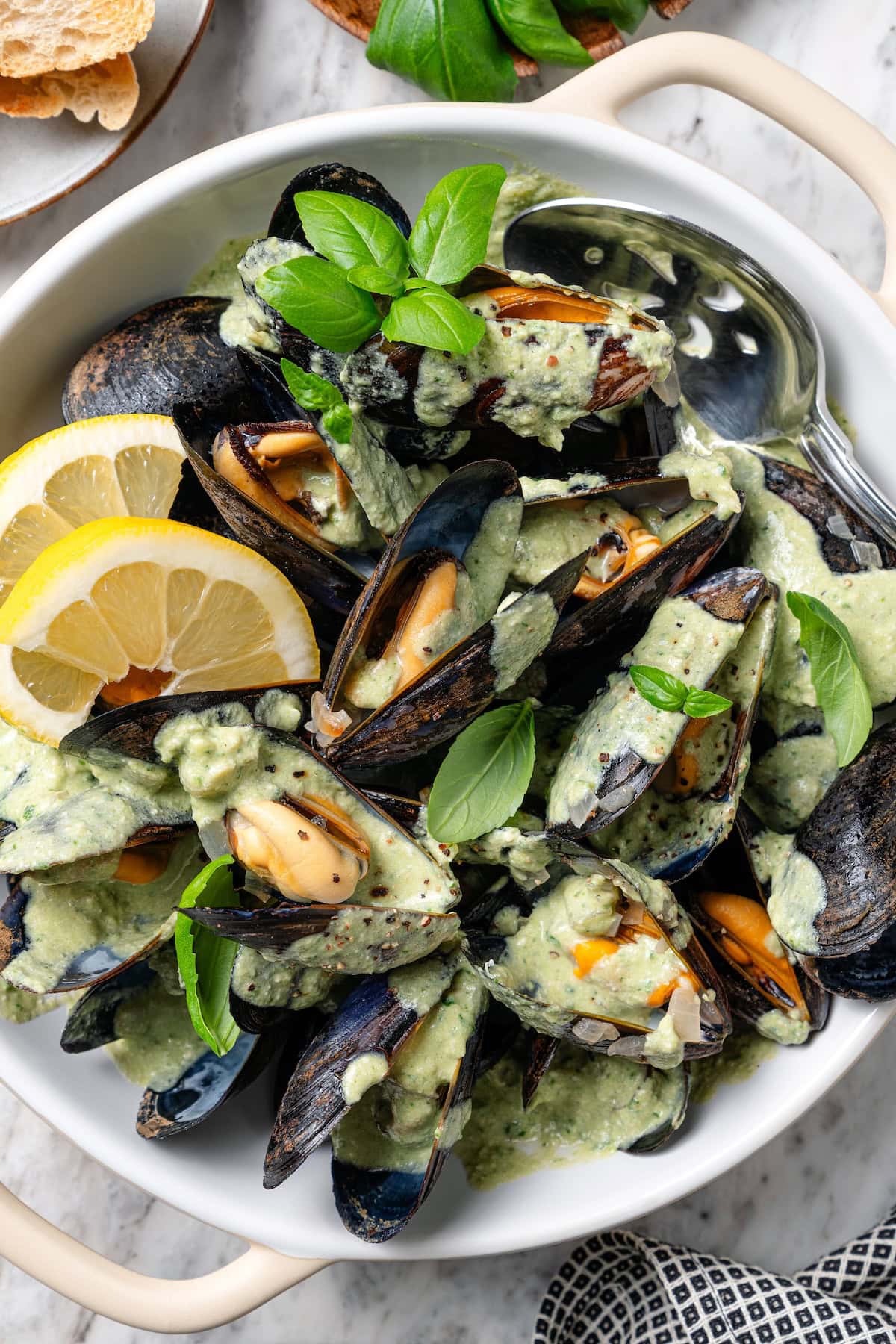
The trend exemplified by the popularization of home-cooked mussels in cream sauce has several broader implications for contemporary gastronomy:
- Elevating Everyday Meals: It signifies a shift where "special occasion" foods are no longer reserved for infrequent restaurant visits but are integrated into regular home dining, blurring the lines between casual and fine dining. This elevates the standard of everyday meals and fosters a greater appreciation for diverse culinary experiences.
- Sustainable Eating Practices: As consumers become more aware of the environmental impact of their food choices, the ease of preparing sustainable seafood like mussels at home encourages more responsible consumption. The recipe’s focus on fresh, accessible ingredients also aligns with movements towards local and seasonal eating.
- Empowerment Through Culinary Skill: Providing accessible recipes for complex dishes empowers individuals to develop their culinary skills and confidence. This can lead to greater experimentation in the kitchen, fostering a more adventurous and skilled generation of home cooks.
- Health and Wellness Integration: The conscious effort to create lighter versions of traditionally rich dishes reflects a growing societal emphasis on health and wellness. It demonstrates that indulgence can be balanced with nutritional considerations, making gourmet food more compatible with a healthy lifestyle.
- The Role of Digital Media: The continuous proliferation of high-quality, free recipes online solidifies the role of digital platforms as primary resources for culinary education and inspiration. This ongoing digital evolution will likely continue to shape how people learn to cook and what they choose to eat.
In conclusion, mussels in cream sauce represent more than just a delicious meal; they symbolize the modern culinary landscape where elegance meets accessibility. Through thoughtful recipe development and the power of digital sharing, dishes once confined to restaurant menus are now a staple for home cooks. This shift not only enriches individual dining experiences but also contributes to broader trends in sustainable eating, health consciousness, and the joyful pursuit of culinary mastery in the comfort of one’s own kitchen. The ability to create such a flavorful and sophisticated meal with relative ease reinforces the idea that gourmet dining is within reach for everyone, turning simple ingredients into an extraordinary feast.
