
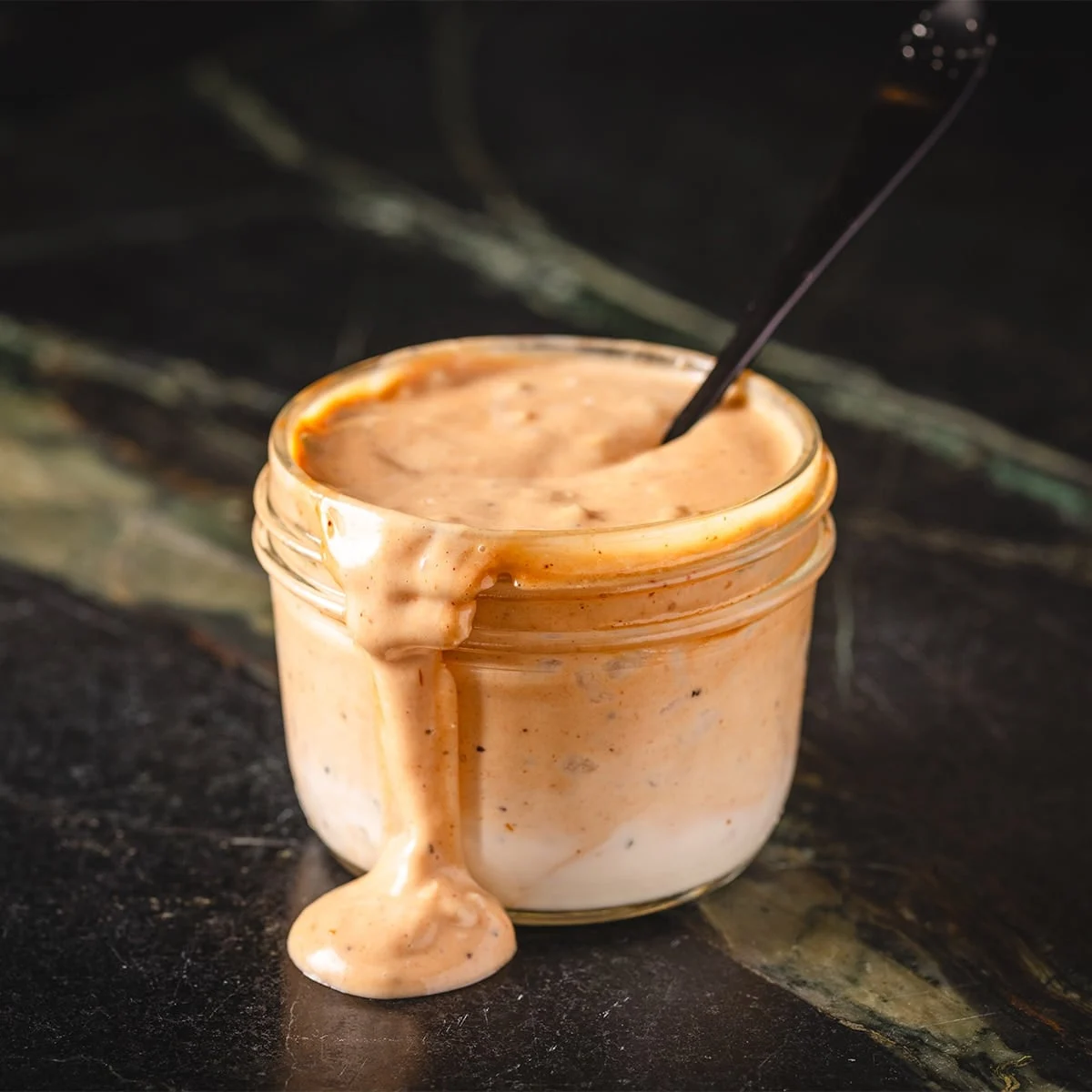
The landscape of American backyard gastronomy has undergone a significant transformation over the last decade, shifting from pre-packaged convenience to a sophisticated focus on artisanal, homemade components. At the center of this culinary evolution is the burger—a staple of the American diet that has been elevated from a simple fast-food item to a gourmet canvas. Central to the success of the modern gourmet burger is the condiment profile, specifically the "burger sauce." A recent development in this sector involves a streamlined, three-ingredient formula popularized by BBQ expert Susie Bulloch of Hey Grill Hey, which promises to deliver professional-grade flavor in under ten minutes. By combining mayonnaise, diced dill pickles, and a signature "Everything BBQ Sauce," home cooks are able to replicate the complex flavor profiles once reserved for high-end gastropubs.
The Evolution of the Burger Sauce: From Secret to Standard
The concept of a "secret sauce" for burgers is deeply rooted in 20th-century American fast-food history. Most notably, the rise of the Thousand Island-style dressing as a primary burger topping became a cultural phenomenon with the introduction of the McDonald’s Big Mac in 1967. However, the modern iteration of burger sauce has moved away from the overly sweet, relish-heavy profiles of the past. Today’s consumers and culinary experts favor a more balanced approach that incorporates smoky elements, acidity, and a creamy base to cut through the richness of high-fat beef.

The recipe provided by Hey Grill Hey represents a contemporary pivot. By utilizing a BBQ sauce base rather than the traditional ketchup and mustard blend, the sauce introduces a depth of smoke and spice that complements the Maillard reaction—the chemical reaction between amino acids and reducing sugars that gives browned food its distinctive flavor—found on a perfectly seared burger patty. This transition reflects a broader trend in the condiment industry, where smoky and savory "umami" flavors are increasingly preferred over high-fructose corn syrup-laden alternatives.
Technical Analysis of the Three-Ingredient Formula
To understand why a three-ingredient sauce can be so effective, one must look at the chemical and sensory roles each component plays in the final product.
- The Emulsion Base (Mayonnaise): Mayonnaise serves as the structural foundation of the sauce. As an emulsion of oil, egg yolk, and an acid (usually vinegar or lemon juice), it provides a rich, creamy mouthfeel that carries other flavors across the palate. In the context of a burger, the fat in the mayonnaise acts as a barrier, preventing the juices of the meat from immediately soaking into and disintegrating the bottom bun.
- The Textural and Acidic Element (Diced Dill Pickles): Acidity is crucial in rich dishes to provide "brightness" and balance. While many traditional sauces use a sweet pickle relish, the use of diced dill pickles introduces a sharp, vinegary tang without the cloying sweetness. Furthermore, the manual dicing of the pickles allows for a variegated texture, providing a localized crunch that contrasts with the softness of the bun and the tenderness of the meat.
- The Flavor Catalyst (Everything BBQ Sauce): The use of a signature BBQ sauce acts as a shortcut to complexity. A high-quality BBQ sauce typically contains tomato paste, vinegar, molasses or brown sugar, and a proprietary blend of spices such as garlic powder, onion powder, and smoked paprika. By integrating this into the mayo, the cook introduces dozens of flavor compounds simultaneously, achieving a "slow-simmered" taste in a fraction of the time.
Chronology of Preparation and Best Practices
The process of creating this homemade burger sauce is designed for efficiency, catering to the "backyard BBQ hero" who requires high-output results with minimal kitchen downtime. The following timeline outlines the standard preparation procedure:

- Minute 0-3: Preparation and Mincing. The process begins with the selection of high-quality dill pickles. Professional chefs recommend patting the pickles dry before dicing to prevent excess brine from thinning the sauce’s consistency. The pickles should be minced finely to ensure even distribution throughout the emulsion.
- Minute 3-5: Integration. In a medium-sized mixing bowl, the mayonnaise, diced pickles, and BBQ sauce are combined. The ratio is critical; while individual preferences vary, a standard starting point is a 2:1 ratio of mayonnaise to BBQ sauce, with pickles added to taste.
- Minute 5-10: Emulsification and Resting. The ingredients are whisked until the color is uniform—typically a light, smoky orange. While the sauce is technically ready for immediate use, a five-minute rest period allows the dried spices within the BBQ sauce to rehydrate and the pickle brine to infuse the mayonnaise base.
Supporting Data: Nutritional and Economic Impact
From a nutritional standpoint, the homemade burger sauce is a calorie-dense condiment, reflecting its role as a flavor enhancer rather than a dietary staple. Based on standardized calculations, a typical serving contains approximately 464 calories, with 43 grams of fat and 18 grams of carbohydrates. The high sodium content (2292 mg) is largely attributed to the preserved nature of the pickles and the concentrated salts in the BBQ sauce. However, when compared to commercially processed "special sauces," the homemade version often contains fewer artificial preservatives and stabilizers, such as potassium sorbate or calcium disodium EDTA.
Economically, the DIY approach to condiments is part of a growing trend in "value-added" home cooking. The global condiments market was valued at approximately $98 billion in 2023 and is projected to grow significantly as consumers seek out "premiumized" experiences at home. By making sauce from existing pantry staples, consumers reduce waste and avoid the "premium" price tag associated with bottled specialty sauces found in high-end grocery stores.
Market Reactions and Culinary Implications
The shift toward simplified, high-impact recipes has garnered positive reactions from the home-grilling community. Social media engagement metrics from platforms like Instagram and YouTube indicate that "minimalist" recipes—those with five ingredients or fewer—see higher retention and recreation rates among millennial and Gen Z demographics.

Culinary analysts suggest that the success of the Hey Grill Hey burger sauce is also tied to the "Smash Burger" phenomenon. Smash burgers, which involve pressing a ball of ground beef flat onto a hot griddle to maximize surface area and crust, require a robust sauce to stand up to the intense, salty flavor of the meat.
"The modern griller isn’t looking for a list of twenty ingredients," says one industry observer. "They are looking for a flavor profile that works. By using a pre-developed BBQ sauce as the seasoning agent, you’re essentially outsourcing the hard work of spice balancing to the sauce maker, allowing the cook to focus on the technique of the grill."
Broader Context: The DIY Condiment Movement
The rise of homemade burger sauce is a subset of a larger movement toward food transparency and "from-scratch" cooking that gained massive momentum during the 2020-2022 period. As supply chains faltered, many consumers began making their own staples, discovering that the quality of fresh-made condiments often surpassed that of shelf-stable alternatives.

This movement has implications for the food industry at large. Major manufacturers are now being forced to clean up their labels, removing high-fructose corn syrup and artificial dyes to compete with the "clean" profiles of homemade recipes. Furthermore, the popularity of creators like Susie Bulloch demonstrates the power of "instructional influence," where the value provided is not just the product (the BBQ sauce) but the knowledge of how to use it as a component in a larger culinary system.
Conclusion and Future Outlook
The Homemade Burger Sauce recipe by Hey Grill Hey is more than a simple condiment; it is a reflection of current culinary values: efficiency, flavor density, and the elevation of simple ingredients. As we look toward the future of outdoor cooking, the emphasis will likely remain on these "hybrid" recipes—those that combine high-quality prepared goods with fresh techniques to produce superior results.
For the home cook, the implications are clear: the barrier to entry for "gourmet" cooking is lowering. With a jar of mayonnaise, a few pickles, and a reliable BBQ sauce, the average backyard griller can produce a product that rivals professional establishments. This democratization of culinary excellence ensures that the burger will remain a centerpiece of the American table for generations to come, constantly reinvented by those willing to experiment with the simple science of sauce.
