
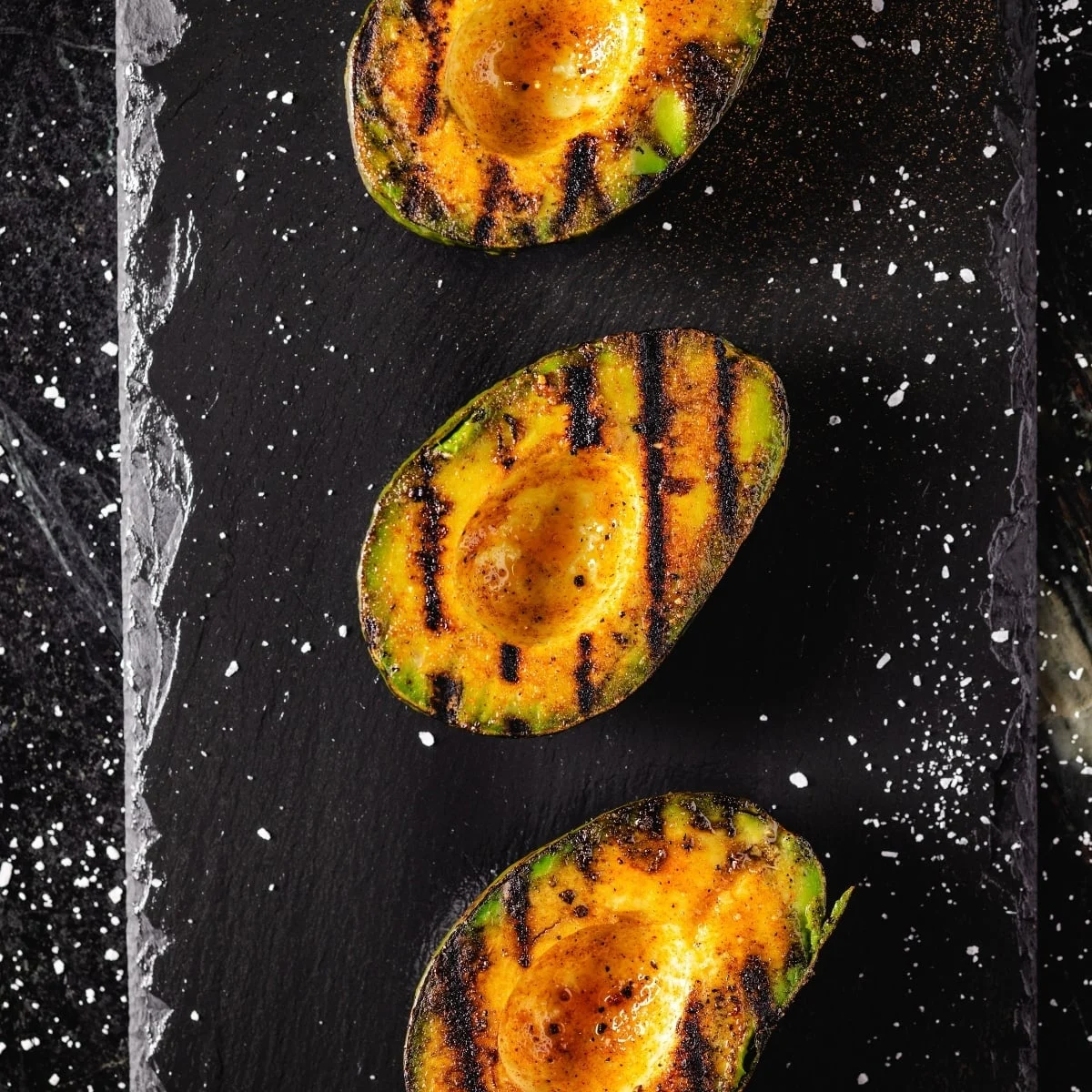
In the evolving landscape of outdoor culinary arts, the traditional boundaries of the barbecue grill are expanding beyond proteins to include nutrient-dense produce, with the grilled avocado emerging as a centerpiece of this movement. Long celebrated as a raw staple in salads and spreads, the avocado is undergoing a gastronomic transformation through the application of high-heat searing. This culinary technique, which involves just five primary ingredients and a five-minute exposure to direct flame, has gained significant traction among both professional pitmasters and backyard enthusiasts. By subjecting the fruit’s high monounsaturated fat content to the Maillard reaction, cooks are discovering a profile that combines smoky charring with an intensified internal creaminess, effectively redefining the avocado’s role in modern American BBQ culture.
Technical Methodology: The Five-Minute Transformation
The preparation of grilled avocado is a study in minimalist culinary precision. According to industry standards popularized by experts such as Susie Bulloch, founder of the prominent BBQ platform Hey Grill Hey, the process begins with selecting fruit that is ripe yet firm enough to withstand structural manipulation. The fruit is halved and pitted, leaving the skin intact to serve as a natural protective vessel during the grilling process.
The technical steps are as follows:

- Surface Preparation: The exposed flesh of the avocado is brushed with a high-smoke-point oil. This serves as a heat conductor and prevents the delicate fruit from adhering to the grill grates.
- Seasoning Integration: A specialized dry rub, often a "Sweet Rub" featuring a balance of sugar and spices, is applied. The sugar component is critical as it facilitates rapid caramelization when exposed to high heat.
- The Searing Phase: The avocado halves are placed cut-side down directly over high heat (approximately 400°F to 450°F).
- The Extraction: After roughly two to three minutes, or once distinct grill marks are achieved, the fruit is removed. A final application of fresh lime juice provides an acidic counterpoint to the rich fats and smoky exterior.
This method does not aim to cook the avocado through but rather to warm the interior while creating a complex exterior texture. The result is a temperature and texture contrast that is rarely achieved in traditional raw preparations.
The Science of Heat and Healthy Fats
The popularity of grilling avocados is supported by the chemical composition of the fruit itself. Unlike many vegetables that lose their structural integrity when heated, the avocado’s high concentration of oleic acid—a monounsaturated fatty acid—allows it to maintain a buttery consistency under moderate heat.
Nutritional data for a standard serving of grilled avocado (approximately one-half fruit) indicates a profile of 196 calories, 18 grams of fat, and 7 grams of fiber. While heat can sometimes degrade certain water-soluble vitamins like Vitamin C, the bioavailability of the avocado’s fat-soluble nutrients, such as Vitamin A and Vitamin E, can actually be enhanced when consumed alongside the healthy fats that are slightly broken down by the grilling process. Furthermore, the addition of citrus (lime juice) acts as an antioxidant, preventing the rapid oxidation (browning) of the fruit while adding essential Vitamin C (approximately 11mg per serving).
Economic Context and the Global Avocado Market
The shift toward grilling avocados comes at a time of unprecedented growth in the global avocado market. Often referred to as "Green Gold," the avocado has seen a meteoric rise in consumption over the last two decades. In the United States, consumption has increased from roughly 2 pounds per capita in 2001 to over 8 pounds per capita in recent years.

This market dominance is largely driven by the Hass variety, which accounts for approximately 80% of avocados consumed worldwide. The Hass variety’s thick, pebbly skin makes it uniquely suited for the grill, as the rind acts as an insulating layer, protecting the flesh from the direct intensity of the coals or gas burners. This durability has allowed the avocado to move from the produce aisle into the "grilling essentials" category, influencing retail trends and seasonal marketing strategies during peak BBQ months.
Culinary Versatility and Modern Menu Integration
Beyond its status as a standalone side dish, the grilled avocado is being integrated into a diverse array of culinary applications. The smoky notes introduced by the grill make it a superior component for several modern dishes:
- Elevated Guacamole: Using grilled avocados as a base for guacamole introduces a "charred" flavor profile that pairs well with smoked meats.
- Protein Substitutes: In the rising "plant-based BBQ" sector, grilled avocados are frequently used as a rich, fatty substitute for cheese or mayo in burgers and sandwiches.
- Salad Enhancements: Warm grilled avocado halves are being used to anchor deconstructed salads, providing a thermal contrast to cold greens.
- Taco Fillings: The structural integrity of a grilled avocado slice makes it an ideal filling for street tacos, where it can hold up against heavy salsas and pickled onions.
Profile: Susie Bulloch and the "Hey Grill Hey" Influence
The democratization of these gourmet grilling techniques is largely credited to digital culinary leaders like Susie Bulloch. As the founder of Hey Grill Hey, Bulloch has built an extensive platform dedicated to making professional-grade BBQ accessible to the home cook. Her background includes appearances on the Food Network and the achievement of multiple Guinness World Records in the realm of outdoor cooking.
Bulloch’s approach to the grilled avocado emphasizes the "Backyard BBQ Hero" philosophy—using accessible ingredients to produce high-impact results. By simplifying the recipe to five ingredients, she has lowered the barrier to entry for consumers who may have previously viewed grilling fruit as an intimidating or unnecessary step. Her platform, which includes a mobile application and a popular YouTube channel, serves as a primary driver for the dissemination of these "modern classic" recipes.

Community Response and the Evolution of Outdoor Dining
The reaction from the outdoor cooking community has been overwhelmingly positive, reflecting a broader trend toward inclusive grilling. Traditionally, BBQ has been a meat-centric culture; however, the introduction of sophisticated produce-based recipes like grilled avocado allows hosts to cater to a wider demographic, including vegetarians and health-conscious diners, without sacrificing the "smoky" essence of the event.
Social media metrics from platforms like Instagram and Facebook indicate a high level of engagement with grilled produce content. Users frequently report that the visual appeal of "grill marks" on an avocado makes it a highly shareable and "photogenic" dish, further fueling its popularity in the digital age.
Broader Implications for Sustainable Grilling
As the culinary world grapples with sustainability and the carbon footprint of meat production, the grilled avocado represents a middle ground. It offers the satiating mouthfeel of high-fat proteins while utilizing a plant-based source. While the avocado industry faces its own sustainability challenges—particularly regarding water usage in regions like Michoacán, Mexico—the trend of "grilling green" suggests a shift in consumer behavior toward a more balanced plate.
The integration of avocados into the BBQ repertoire is not merely a passing fad but an indication of the maturing American palate. It signifies a move away from the "meat-only" grill toward a more holistic outdoor kitchen where heat, smoke, and seasoning are applied to the full spectrum of the food pyramid.

Final Analysis and Future Outlook
The transition of the avocado from a cold spread to a hot, grilled delicacy is a testament to the versatility of the fruit and the ingenuity of modern BBQ culture. With a preparation time of under ten minutes and a nutritional profile that appeals to the health-conscious, the grilled avocado is poised to remain a staple of summer menus for the foreseeable future.
As outdoor cooking technology continues to evolve—with the rise of pellet grills, ceramic kamados, and precision gas systems—the ability to control high-heat environments will only make recipes like Susie Bulloch’s grilled avocado more accessible. The "BBQ flavor and a touch of grill love" that this recipe provides is more than just a culinary enhancement; it is a reflection of a globalized food culture that values both tradition and innovation on the dinner plate. For the home cook, the message is clear: the grill is no longer just for steaks and burgers; it is a tool for unlocking the hidden potential of the world’s most popular superfoods.
