
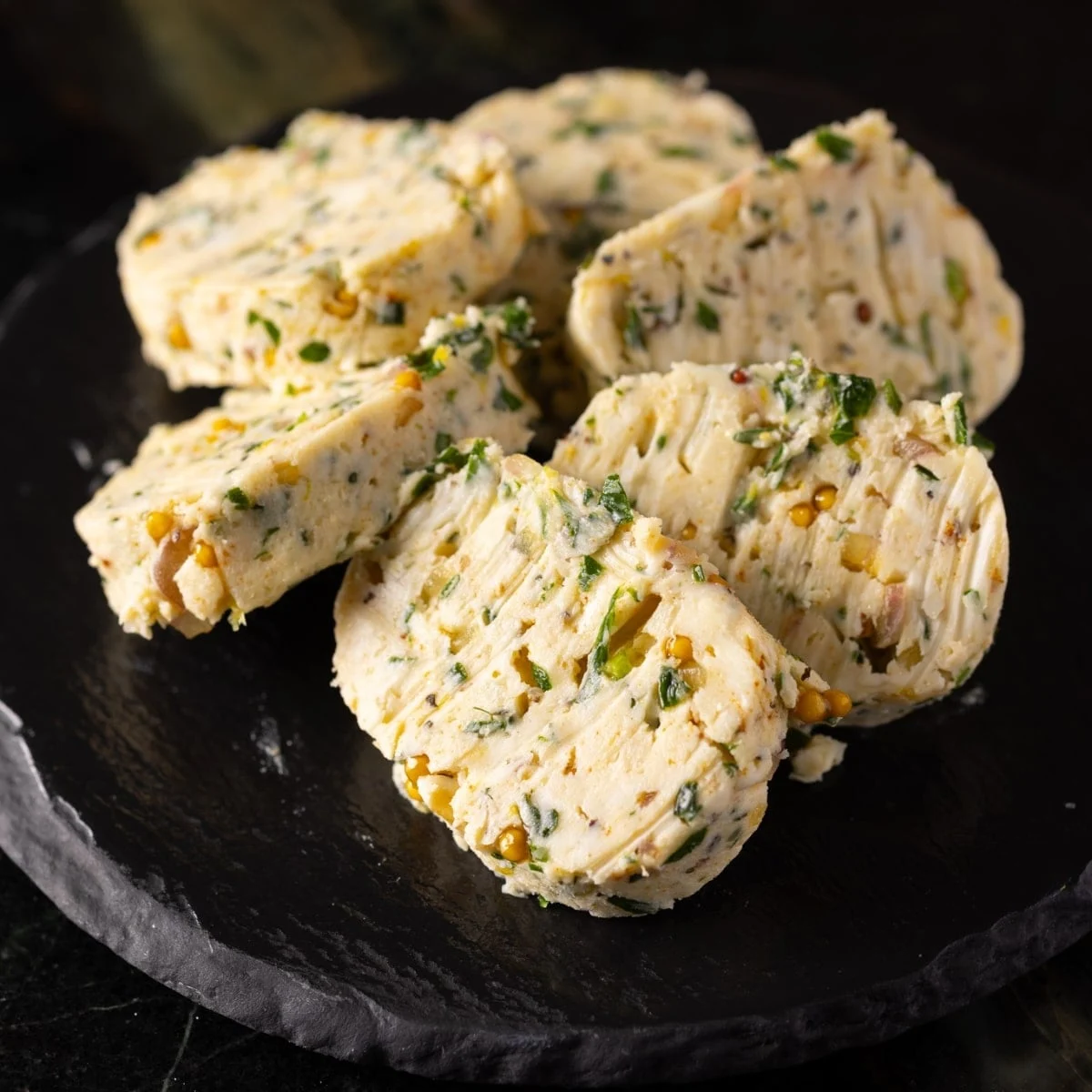
The culinary landscape of outdoor cooking is currently witnessing a significant shift toward artisanal, home-prepared condiments, with Cowboy Butter emerging as a central figure in this movement. Characterized by a robust profile of fresh shallots, chives, parsley, thyme, and citrus, this compound butter represents a sophisticated evolution of traditional grilling accompaniments. While the core of American barbecue has historically centered on dry rubs and tomato-based sauces, the integration of herb-infused fats reflects a growing consumer interest in the "finishing" techniques popularized by high-end steakhouses. This specific iteration of Cowboy Butter, popularized by Susie Bulloch of Hey Grill Hey, emphasizes the accessibility of gourmet flavors, requiring approximately ten minutes of preparation and no specialized equipment, thereby bridging the gap between professional culinary standards and home kitchen practicality.
The Composition and Chemistry of Cowboy Butter
At its fundamental level, Cowboy Butter is a compound butter—a mixture of softened butter combined with various savory or sweet ingredients. The chemical purpose of the butter in this context is twofold: it acts as a delivery vehicle for fat-soluble flavor compounds found in herbs and spices, and it provides a luxurious mouthfeel that balances the charred, smoky exterior of grilled meats.
The specific ingredient list for this preparation includes fresh shallots, which provide a delicate, sweet onion flavor without the harshness of raw white or red onions. The herbal component consists of chives, parsley, and thyme, creating a layered aromatic profile. The addition of lemon juice and zest serves a critical structural role; the acidity cuts through the richness of the butter and the heavy protein of a steak, brightening the overall flavor profile. This balance of fat and acid is a cornerstone of professional sauce-making, now adapted for a shelf-stable, refrigerated format.

The Evolution of Compound Butters in Culinary History
The concept of Cowboy Butter is a modern American adaptation of the classical French beurre composé. The most famous ancestor of this preparation is Beurre Maître d’Hôtel, a simple mixture of butter, parsley, lemon juice, salt, and pepper. While the French versions are often subtle and designed for delicate fish or poultry, the "Cowboy" variant is engineered for the intensity of the grill.
The "Cowboy" moniker itself evokes the history of the American West, where outdoor cooking over open flames required ingredients that could withstand rugged conditions or enhance the often-tough cuts of meat available on the trail. However, the modern version is far more refined. It incorporates heat through red chili flakes and depth through Dijon mustard or garlic, reflecting a globalized palate that demands complexity. The transition from a simple lubricant for bread to a complex finishing sauce for proteins marks a significant milestone in the democratization of "chef-level" techniques for the average enthusiast.
Technical Preparation and Storage Protocols
The methodology for creating Cowboy Butter emphasizes the importance of temperature control and mechanical integration. The process begins with high-quality unsalted butter softened to room temperature, which allows for the even distribution of herbs and spices without the risk of separation.
- Preparation of Aromatics: Fine dicing of shallots and herbs is essential to ensure that the flavors are dispersed uniformly. Coarse chopping can lead to inconsistent bites and may cause the butter log to break when sliced.
- Integration: Using a spatula or whisk, the ingredients are folded into the butter. This stage is where the "infusion" begins. While the butter is soft, the essential oils from the fresh thyme and parsley begin to permeate the fat.
- Shaping and Setting: Once mixed, the butter is typically transferred to parchment paper or plastic wrap and rolled into a cylindrical "log." This shape is not merely aesthetic; it allows for uniform "pats" or medallions to be sliced and placed atop hot steaks, where they melt gradually to create a self-basting sauce.
- Refrigeration: A minimum chilling period of one hour is recommended to allow the butter to firm up and the flavors to meld. In a professional context, this preparation can be stored in the refrigerator for up to two weeks or frozen for several months, making it a highly efficient "prep-ahead" component for high-volume cooking.
Market Context: The Rise of DIY Condiments
The popularity of recipes like Cowboy Butter is supported by broader economic and consumer data. According to market research reports on the global condiments market, there has been a 5.4% compound annual growth rate (CAGR) in the demand for premium and artisanal sauces. Consumers are increasingly moving away from mass-produced, preservative-heavy bottled sauces in favor of fresh, homemade alternatives that offer transparency in ingredients.

Furthermore, the "premiumization" of the home grilling market—driven by the increased sales of pellet grills, smokers, and high-end charcoal units—has created a secondary market for specialized finishing products. Susie Bulloch, the founder of Hey Grill Hey and a prominent figure in the BBQ community, has tapped into this trend by focusing on recipes that enhance the natural flavors of wood-fired meats. Her platform’s emphasis on "condiment recipes" reflects a strategic understanding that the modern griller views the sauce or butter as an integral part of the dish’s architecture rather than an afterthought.
Versatility Beyond the Steakhouse
While the primary application for Cowboy Butter is the ribeye or New York strip steak, its utility extends across various culinary categories. This versatility is a key factor in its viral status on social media and recipe platforms.
- Vegetables: When applied to grilled asparagus, corn on the cob, or roasted root vegetables, the butter adds a savory depth that simple oils cannot replicate.
- Seafood: The lemon and parsley components make it an ideal pairing for grilled shrimp, lobster tails, or pan-seared scallops.
- Starches: The butter serves as an elevated spread for crusty sourdough bread or a flavor base for mashed potatoes and pasta.
- Breakfast: The inclusion of shallots and chives allows the butter to integrate seamlessly into scrambled eggs or omelets, providing a "bistro-style" finish to morning meals.
Nutritional Profile and Dietary Considerations
From a nutritional standpoint, Cowboy Butter is a high-fat, low-carbohydrate condiment, making it compatible with ketogenic and paleolithic dietary frameworks, provided the butter is sourced from grass-fed or high-quality dairy. A standard serving (approximately one tablespoon) contains 207 calories, with 23 grams of fat, of which 15 grams are saturated.
The inclusion of fresh herbs contributes trace amounts of Vitamin A, Vitamin C, and potassium, though the primary caloric load remains lipid-based. For health-conscious consumers, the benefit of Cowboy Butter lies in its flavor density; because the flavor is so concentrated, smaller portions are often sufficient to satisfy the palate, potentially reducing the overall consumption of high-calorie, sugar-laden commercial BBQ sauces.

Industry Impact and the "Hey Grill Hey" Influence
The dissemination of this recipe by Susie Bulloch highlights the role of digital influencers in shaping modern food standards. Bulloch, who has appeared on the Food Network and holds Guinness World Records in the BBQ space, represents a shift toward a more inclusive, educational approach to outdoor cooking. Her "Pro Tips"—such as ensuring the use of fresh rather than dried herbs—emphasize quality control that was once the exclusive domain of culinary school graduates.
The success of the Hey Grill Hey App and website suggests that there is a significant appetite for structured, reliable condiment recipes. By providing standardized instructions for preparations like Cowboy Butter, these platforms are professionalizing the backyard BBQ experience. The social media component—where users are encouraged to tag @heygrillhey and share photos—creates a feedback loop that drives further innovation in the "homemade condiment" category.
Broader Implications for the Future of Grilling
The trend toward compound butters like Cowboy Butter suggests a more nuanced future for American barbecue. As the "Low and Slow" movement continues to mature, enthusiasts are looking for the next frontier in flavor development. This frontier appears to be the "finish"—the final 5% of the cooking process where acids, fresh aromatics, and high-quality fats are introduced.
As home cooks become more comfortable with techniques like emulsification and herb infusion, the reliance on store-bought, shelf-stable products is likely to continue its decline. Cowboy Butter is more than just a recipe; it is a symptom of a more sophisticated, flavor-first approach to the American tradition of grilling. It proves that with ten minutes and a few pantry staples, the home cook can achieve a level of culinary excellence that rivals the traditional steakhouse, ensuring that the "cowboy" spirit of rugged independence remains alive in the modern kitchen.
