
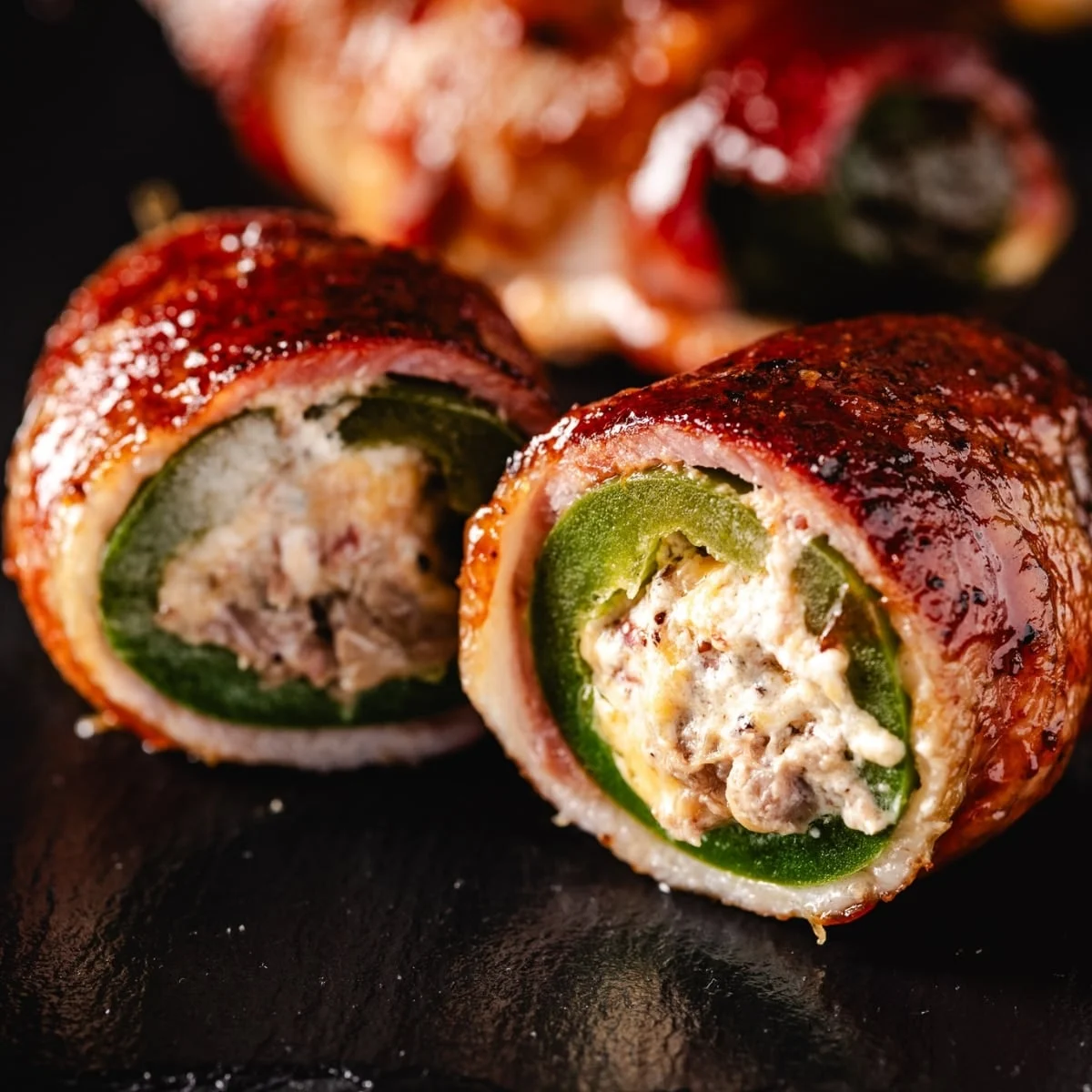
The culinary landscape of American barbecue has undergone a significant transformation over the last decade, moving beyond the traditional trifecta of ribs, brisket, and pulled pork to embrace innovative, multi-layered appetizers. Among the most prominent of these modern classics is the Texas Twinkie, a sophisticated iteration of the jalapeño popper that has transitioned from a regional specialty in North Texas to a viral sensation across the global barbecue community. This dish, characterized by large jalapeños stuffed with a mixture of cream cheese and smoked brisket before being wrapped in bacon and slow-smoked, represents a confluence of Texas pitmaster tradition and contemporary creative gastronomy.
The Genesis of a Barbecue Phenomenon
The origins of the Texas Twinkie are widely attributed to Hutchins BBQ, a renowned establishment located in McKinney, Texas. The dish was developed as a way to utilize high-quality brisket trimmings while offering customers a unique, handheld experience that combined the heat of the pepper with the richness of smoked beef. Since its introduction, the Texas Twinkie has become so popular that it is now a staple of the Texas "BBQ trail" and is frequently shipped nationwide via specialty food logistics services.
The name itself—a play on the iconic Hostess snack cake—suggests a stuffed, decadent treat, though the flavor profile is decidedly savory and spicy. As social media platforms like Instagram and TikTok began to highlight the visual appeal of the sliced Twinkie—revealing the vibrant layers of melted cheese and tender brisket—the recipe was adopted and modified by backyard enthusiasts and professional pitmasters alike. Today, figures such as Susie Bulloch, founder of Hey Grill Hey, have further refined the preparation process, introducing specific seasoning profiles and smoking techniques that allow home cooks to replicate the restaurant-quality experience.

The Culinary Architecture of the Texas Twinkie
The construction of a Texas Twinkie is a precise exercise in flavor balancing and structural integrity. Each component serves a specific purpose in the overall sensory experience.
The Vessel: Selection of Jalapeños
Professional preparation requires the selection of "jumbo" jalapeños. These larger peppers provide the necessary real estate for the filling and tend to have a more consistent heat profile. In the preparation process, the peppers are typically slit lengthwise—sometimes in a "T" shape at the stem—to allow for the removal of seeds and pith, which reduces the capsaicin levels to a manageable heat.
The Core: Brisket and Cheese Fusion
The heart of the dish is the filling, which differentiates the Texas Twinkie from the standard jalapeño popper. The use of slow-smoked brisket is non-negotiable. Ideally, this brisket is seasoned with a traditional Texas rub of salt and heavy black pepper before its initial long-duration smoke. When integrated into the Twinkie, the brisket is finely chopped to ensure it can be tightly packed. The brisket is then folded into a mixture of softened cream cheese and sharp cheddar. The cream cheese acts as a cooling agent against the jalapeño’s heat, while the cheddar provides a necessary sharpness and improved meltability.
The Exterior: Bacon and Seasoning
Wrapping the pepper in bacon serves two roles: it provides a salty, fatty exterior that crisps during the smoking process, and it acts as a seal to prevent the cheese mixture from leaking out. For the best results, thin to medium-cut bacon is preferred, as thick-cut bacon may not render its fat fully within the smoking timeframe required for the pepper to soften. The final touch involves a topical seasoning, such as a "Sweet Rub," which introduces a sugar component to the exterior. This sugar aids in the caramelization process, creating a mahogany finish and a complex sweet-heat-salt dynamic.

Technical Execution and Smoking Parameters
Achieving the perfect Texas Twinkie requires strict adherence to temperature control and smoke management. Unlike high-heat grilling, the smoking of these appetizers is a gradual process designed to soften the pepper and render the bacon fat without overcooking the already-prepared brisket inside.
Temperature and Timing
Pitmasters generally recommend a smoker temperature of 225°F to 250°F (107°C to 121°C). At this temperature, the Texas Twinkies typically require between 90 minutes and two hours to reach the desired consistency. The internal goal is for the jalapeño to be tender but not mushy, and for the bacon to be fully cooked and slightly crisp.
Wood Selection
The choice of wood significantly impacts the final flavor profile. For a traditional Texas flavor, post oak is the standard. However, because the Twinkies feature a sweet rub and bacon, fruitwoods like apple or cherry are often used to provide a milder, sweeter smoke that complements the pork and the sugar in the rub. Hickory is also a popular choice for those desiring a more robust, "bacon-forward" aroma.
The Glazing Phase
In the final 15 to 20 minutes of the cook, many recipes call for a glaze of Texas-style BBQ sauce. This sauce, which is typically more vinegar-forward and less syrupy than Kansas City-style sauces, is brushed over the bacon. Under the heat of the smoker, the sauce sets into a tacky, translucent layer, adding another dimension of flavor and a professional-grade sheen to the final product.

Nutritional Analysis and Dietary Considerations
From a nutritional standpoint, the Texas Twinkie is a high-calorie, high-protein appetizer. Data indicates that a single serving (approximately one large stuffed pepper) contains roughly 479 calories. The macronutrient breakdown is dominated by fat (34g) and protein (24g), reflecting the combination of brisket, bacon, and full-fat cheeses.
The sodium content is also noteworthy, averaging 819mg per serving, largely due to the cured nature of the bacon and the seasoning rubs used on both the brisket and the exterior. While the dish is naturally low in carbohydrates (20g), it is a dense source of energy, making it a popular choice for "cheat meals" or high-energy social gatherings like tailgates and potlucks.
Market Impact and Consumer Trends
The rise of the Texas Twinkie is indicative of a broader trend in the American food industry: the "premiumization" of appetizers. Consumers are increasingly seeking out appetizers that can serve as a standalone meal or a "hero" dish at social events. This has led to a surge in demand for complex, labor-intensive items that were previously only available in specialized smokehouses.
The commercial success of Hutchins BBQ’s shipping program—where customers can order pre-made Twinkies to be delivered across the United States—demonstrates the scalability of regional BBQ specialties. Furthermore, the availability of specialized BBQ rubs and sauces through retailers like "Hey Grill Hey" allows the "prosumer" (professional-level consumer) to achieve results that were once the exclusive domain of professional pitmasters.

Broader Implications for Barbecue Culture
The Texas Twinkie represents a shift in barbecue culture from a rigid adherence to tradition to a more inclusive, experimental approach. While purists may focus solely on the "Big Three" meats, the modern BBQ scene is increasingly defined by its ability to innovate. The Texas Twinkie has paved the way for other "stuffed" BBQ items, such as smoked armadillo eggs (sausage-wrapped jalapeños) and brisket-stuffed onions.
Moreover, the dish highlights the importance of "upcycling" in the culinary arts. By using brisket leftovers or trimmings, pitmasters can reduce food waste while creating a high-margin product that often carries a premium price tag on restaurant menus. This economic efficiency, combined with the dish’s undeniable flavor appeal, ensures that the Texas Twinkie will remain a fixture of American barbecue for the foreseeable future.
Conclusion
The Smoked Texas Twinkie is more than just a viral food trend; it is a testament to the evolving nature of Texas barbecue. By combining technical smoking skills with a deep understanding of flavor layering—spicy, creamy, savory, and sweet—this dish has secured its place in the pantheon of great American appetizers. Whether prepared in a professional pit in McKinney, Texas, or on a backyard pellet grill, the Texas Twinkie continues to be a primary example of how traditional ingredients can be reimagined to create a modern gastronomic icon. As the BBQ community continues to grow, the Texas Twinkie stands as a benchmark for innovation, quality, and the enduring appeal of wood-fired cooking.
