
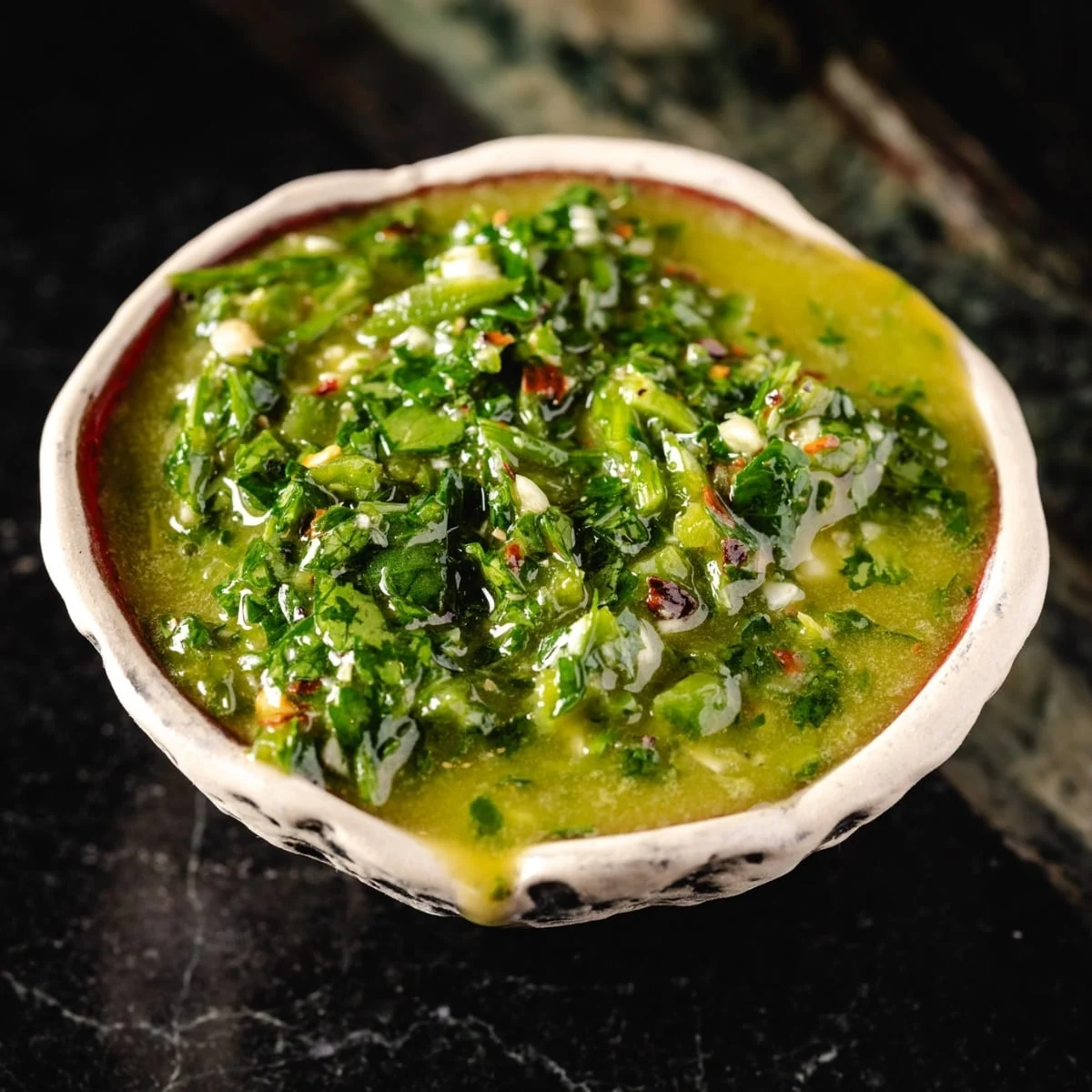
The landscape of modern American barbecue is undergoing a significant transformation as home cooks and professional pitmasters alike shift their focus from heavy, sugar-laden sauces toward bright, herb-centric condiments. At the forefront of this movement is the adaptation of traditional South American recipes, most notably the Argentine chimichurri. By integrating regional North American ingredients such as the jalapeño, culinary influencers like Susie Bulloch of Hey Grill Hey are redefining the flavor profiles of grilled proteins. This evolution represents a broader trend in the global condiment market, which is increasingly prioritizing fresh ingredients, complex heat profiles, and the artisanal "DIY" approach to outdoor cooking.
The Culinary Mechanics of Jalapeño Chimichurri
The traditional chimichurri, a staple of Argentine and Uruguayan cuisine, typically relies on a foundational blend of finely chopped parsley, minced garlic, vegetable oil, oregano, and white or red wine vinegar. The jalapeño-infused variant introduces a third dimension of flavor: smoke and capsaicin-driven heat. The preparation process involves a specific technique known as "blistering" or "charring" the jalapeño over a direct flame.
From a chemical perspective, charring the pepper induces the Maillard reaction, a chemical reaction between amino acids and reducing sugars that gives browned food its distinctive flavor. By roasting the jalapeño until the skin is blackened and the flesh softens, the cook mitigates the raw, grassy notes of the pepper and replaces them with a subtle smokiness. This roasted element, when blended with fresh cilantro and parsley, creates a bridge between the high-acid vinegar and the richness of the olive oil.

The integration of both cilantro and parsley marks a departure from the strictly parsley-based traditionalism of the Rio de la Plata region. This hybrid approach reflects the "Tex-Mex" and Southwestern influences that have permeated contemporary American grilling. The resulting sauce is not merely a topping but a functional culinary tool used to balance the heavy fats associated with grilled meats such as ribeye steak, pork shoulder, and chicken thighs.
Historical Context and Chronology of the Sauce
To understand the significance of the jalapeño chimichurri, one must examine the chronology of its components. The original chimichurri emerged in the 19th century, credited to the "gauchos" (cowboys) of the South American plains who needed a way to flavor meat cooked over open fires using shelf-stable or easily gathered ingredients.
- 1800s: Gauchos in Argentina and Uruguay develop the basic parsley-garlic-vinegar emulsion.
- Mid-20th Century: Chimichurri gains international recognition as Argentine steakhouses (parrilladas) expand globally.
- 2000-2010: The "Hot Sauce Boom" in the United States begins, leading to an increased consumer tolerance and demand for spicy flavor profiles in traditional condiments.
- 2015-Present: The rise of digital BBQ authorities, such as Susie Bulloch, facilitates the mainstreaming of fusion recipes. Bulloch, a Guinness World Record holder and Food Network veteran, has been instrumental in translating professional pitmaster techniques for the backyard enthusiast.
- 2024: The "Jalapeño Chimichurri" emerges as a top-tier recommendation for home cooks seeking a balance between the familiarity of a herb sauce and the "kick" of a hot sauce.
Supporting Data: The Growth of the Condiment Market
The popularity of specialized sauces like jalapeño chimichurri is supported by robust market data. According to recent industry reports, the global condiments and sauces market is projected to reach a valuation of over $240 billion by 2028, growing at a compound annual growth rate (CAGR) of approximately 4.5%.
Within this sector, "premium" and "natural" segments are seeing the fastest growth. Consumers are increasingly avoiding high-fructose corn syrup and artificial preservatives found in mass-produced barbecue sauces. A nutritional breakdown of the jalapeño chimichurri reveals why it appeals to the health-conscious demographic:

- Caloric Efficiency: A standard serving contains approximately 171 calories, primarily derived from monounsaturated fats (13g) found in olive oil, which are considered heart-healthy.
- Micronutrient Density: The inclusion of fresh parsley and cilantro provides a significant boost in Vitamin A (1075 IU) and Vitamin C (15 mg), alongside essential minerals like Calcium and Iron.
- Low Glycemic Impact: With only 0.2g of sugar and 2g of carbohydrates per serving, the sauce is compatible with ketogenic and paleolithic dietary frameworks.
Furthermore, the "heat" factor—measured by the Scoville Scale—is a primary driver for millennial and Gen Z consumers. While a raw jalapeño ranges from 2,500 to 8,000 Scoville Heat Units (SHU), the blending process and the removal of seeds can calibrate the sauce to a "medium" heat level that enhances rather than masks the flavor of the primary protein.
The Role of Expert Influence in Modern BBQ
The transition of jalapeño chimichurri from a niche fusion experiment to a backyard staple is largely attributed to the "influence economy" within the culinary world. Susie Bulloch, the founder of Hey Grill Hey, serves as a primary case study for this shift. Her background—which includes developing recipes for major grill brands and appearing on national television—provides a level of authority that traditional cookbooks often lack.
In statements regarding the philosophy of sauce development, experts in the field emphasize that a condiment should "wake up the taste buds." The jalapeño chimichurri achieves this through what chefs call "the four pillars of flavor": salt, fat, acid, and heat. The salt (kosher salt), the fat (olive oil), the acid (red wine vinegar), and the heat (charred jalapeño) work in unison to provide a sensory experience that covers the entire palate.
Bulloch’s "Pro Tips" for the recipe—such as allowing the sauce to sit for at least 30 minutes before serving—align with the scientific principle of infusion. During this rest period, the acetic acid in the vinegar breaks down the cell walls of the garlic and herbs, allowing the essential oils to permeate the olive oil, resulting in a more cohesive and potent flavor profile.

Broader Impact and Implications for Home Cooking
The rise of the jalapeño chimichurri is indicative of a broader shift in how individuals perceive the "Backyard BBQ Hero" persona. Grilling is no longer just about the application of heat to meat; it is an exercise in culinary layering.
The implications for the food supply chain are also notable. There is a rising demand for fresh, organic herbs and high-quality cold-pressed olive oils in grocery retail. The "freshness" requirement of chimichurri discourages the use of dried herbs, which lack the enzymatic brightness necessary to cut through the heavy smoke of a charcoal grill.
Additionally, this recipe reflects the democratization of gourmet cooking. By requiring only five minutes of active preparation time once the grill is hot, it lowers the barrier to entry for high-level culinary results. It allows the home cook to achieve a "restaurant-quality" finish on affordable cuts of meat, such as flank steak or skirt steak, which are traditionally tough but are transformed when sliced thinly and topped with an acidic, oil-based sauce.
Conclusion: The Future of Fusion Condiments
As the culinary world continues to shrink through digital sharing and cross-cultural exchange, the jalapeño chimichurri stands as a testament to the success of flavor fusion. It honors the Argentine tradition of the "asado" while embracing the bold, spicy preferences of the modern North American palate.

Looking forward, the industry expects to see further iterations of this herb-base model, perhaps incorporating serrano peppers for higher heat or citrus juices to replace vinegar for a brighter, Floridian profile. However, the jalapeño chimichurri remains the current benchmark for versatility. Whether drizzled over grilled vegetables, used as a marinade for shrimp, or served as the classic accompaniment to a wood-fired steak, its place in the pantheon of great American barbecue condiments is firmly established. Through the work of culinary leaders and the evolving tastes of the public, the "bright and spicy" revolution in outdoor cooking shows no signs of slowing down.
