
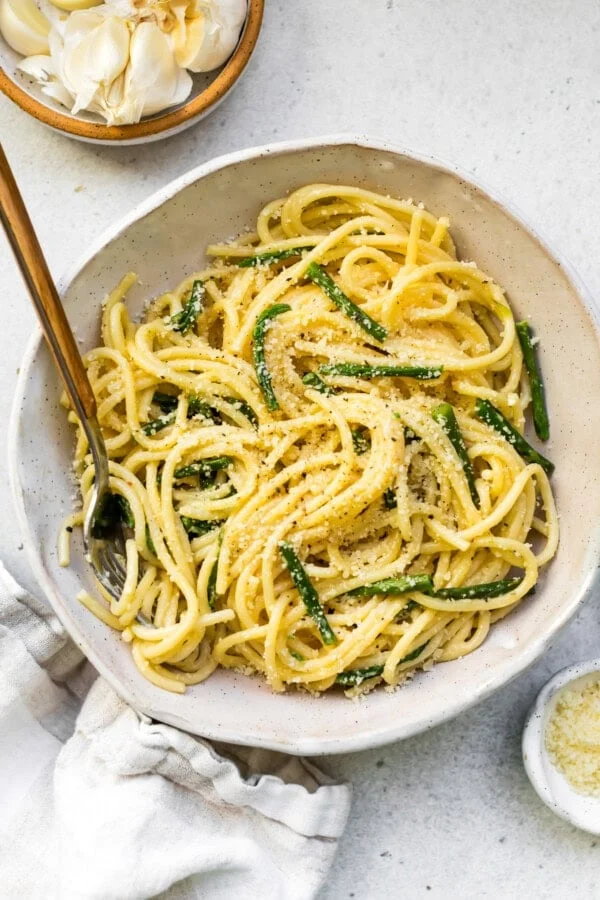
The advent of spring traditionally heralds a shift in culinary focus, with seasonal produce taking center stage. Among these, asparagus stands out as a prime indicator of warmer months and fresh flavors. A particular recipe, Pasta with Asparagus, has garnered attention for its elegant simplicity and intelligent approach to healthy eating, offering a light, creamy sauce achieved without the use of heavy cream. This dish, featuring egg yolk, Parmigiano-Reggiano, and starchy pasta water, presents a contemporary take on classic Italian techniques, making it an accessible yet sophisticated option for home cooks seeking both flavor and nutritional balance.
The Genesis of a Spring Classic
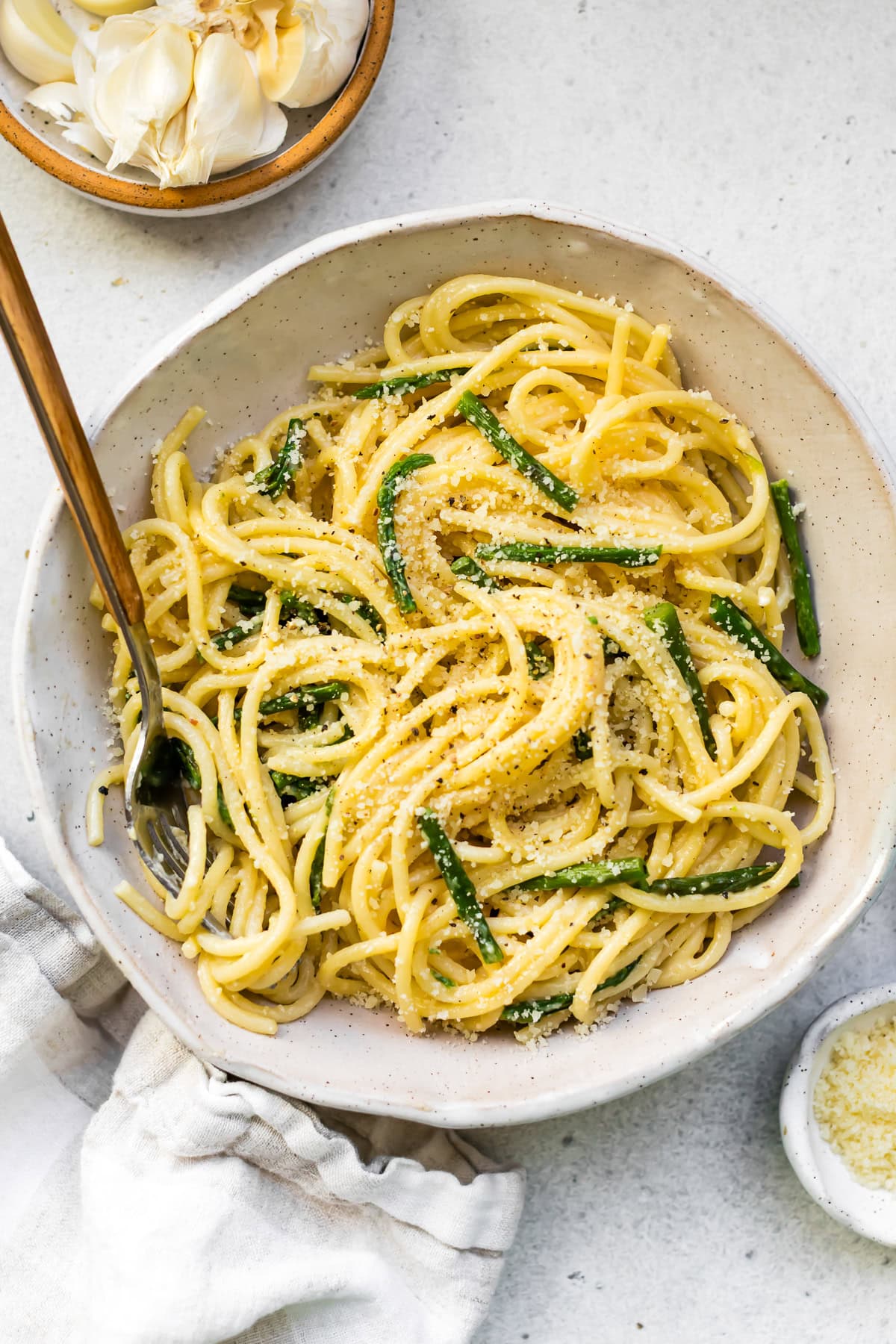
First popularized and refined over a decade ago, this specific Pasta with Asparagus recipe has maintained its relevance, resonating with a growing demographic of individuals prioritizing wholesome, easy-to-prepare meals. Its enduring appeal lies in its ingenious sauce, which draws inspiration from traditional Italian carbonara while adapting it for a lighter, brighter profile suited to spring. The technique involves emulsifying egg yolk and grated Parmigiano-Reggiano with the hot, starchy water reserved from cooking the pasta. This method creates a velvety, rich coating that adheres beautifully to the pasta and tender asparagus, demonstrating a sophisticated understanding of food science and culinary heritage. The absence of heavy cream not only reduces the caloric and fat content but also allows the delicate flavors of the asparagus and cheese to shine through unimpeded.
Nutritional Profile and Health Implications
From a nutritional standpoint, the Pasta with Asparagus recipe offers a balanced meal, particularly when portioned appropriately. A single serving, approximately 1¼ cups, provides around 228 kilocalories. The macronutrient breakdown includes 38 grams of carbohydrates, 10 grams of protein, and 7 grams of fat, with only 2 grams of saturated fat and 50 milligrams of cholesterol. Crucially, the dish also delivers a substantial 6.9 grams of fiber and a modest 2.2 grams of sugar, alongside 73.5 milligrams of sodium.

Asparagus itself is a nutritional powerhouse. Rich in vitamins K, A, C, and folate, it also provides essential minerals like iron and potassium. Its high fiber content contributes to digestive health and satiety, aligning with recommendations for increased vegetable intake. The incorporation of whole-grain pasta, if chosen, further boosts fiber content and provides complex carbohydrates for sustained energy. Parmigiano-Reggiano, while contributing flavor and richness, also offers calcium and protein. The emphasis on fresh, whole ingredients makes this dish a strong contender in healthy eating plans, particularly those that champion unprocessed foods. Nutritionists frequently highlight the benefits of incorporating seasonal vegetables, like asparagus, into regular diets for their peak flavor and nutrient density.
Culinary Craftsmanship: The Art of Emulsification
The hallmark of this recipe is its sauce, a testament to clever culinary technique. The process of creating a creamy sauce without actual cream is a delicate balance of temperature and agitation. When hot pasta, coated in its starchy water, is tossed with the whisked egg yolk and cheese mixture, the residual heat gently cooks the egg, forming a smooth emulsion. The starch from the pasta water plays a critical role, binding the sauce components and preventing the egg from scrambling. This technique, a cornerstone of dishes like carbonara, is adapted here to create a lighter, more spring-appropriate finish. Culinary experts often point to such methods as examples of how traditional cooking wisdom can be leveraged for modern, health-conscious preparations, emphasizing texture and flavor without relying on excessive fats. The bright, slightly pungent notes of Parmigiano-Reggiano complement the earthy sweetness of asparagus, creating a harmonious flavor profile that is both comforting and invigorating.

The Seasonal Significance of Asparagus
The celebration of asparagus in this dish underscores a broader movement towards seasonal eating. Asparagus typically enjoys its peak season from March to June, making spring the ideal time to harness its fresh flavor and tender texture. During this period, asparagus is not only at its freshest and most flavorful but also often more affordable and sustainable, reducing the carbon footprint associated with long-distance transportation. The emphasis on utilizing ingredients at their seasonal best aligns with contemporary culinary philosophies that prioritize freshness, sustainability, and local sourcing where possible. This recipe serves as a practical example for home cooks looking to integrate seasonal produce into their weekly menus, encouraging a connection between the kitchen and the agricultural calendar.
Accessibility and Versatility for the Modern Home Cook

One of the key appeals of this Pasta with Asparagus is its ease of preparation, making it an ideal choice for weeknight dinners. With a prep time of approximately 10 minutes and a cook time of 20 minutes, the entire dish can be ready in around half an hour. This efficiency is crucial for busy individuals and families seeking nutritious meals without extensive time commitments. The recipe’s straightforward instructions and reliance on common pantry staples further enhance its accessibility.
Beyond its core ingredients, the dish offers significant versatility. While delicious as a standalone vegetarian main, it can be easily augmented with various protein sources to create a more substantial meal. Suggested additions include shrimp, chicken, or fish, allowing for customization based on dietary preferences or ingredients on hand. This adaptability ensures the recipe can cater to diverse tastes and meal planning needs, from a light lunch to a hearty dinner. Other variations suggested include a Pasta with Asparagus and Marinara for a different flavor profile, or Asparagus and Poached Eggs over Pasta, which leans into the breakfast-for-dinner trend. Such flexibility is a hallmark of successful recipes in the digital age, catering to an audience that values both convenience and creative freedom in the kitchen.
Broader Impact on Culinary Trends
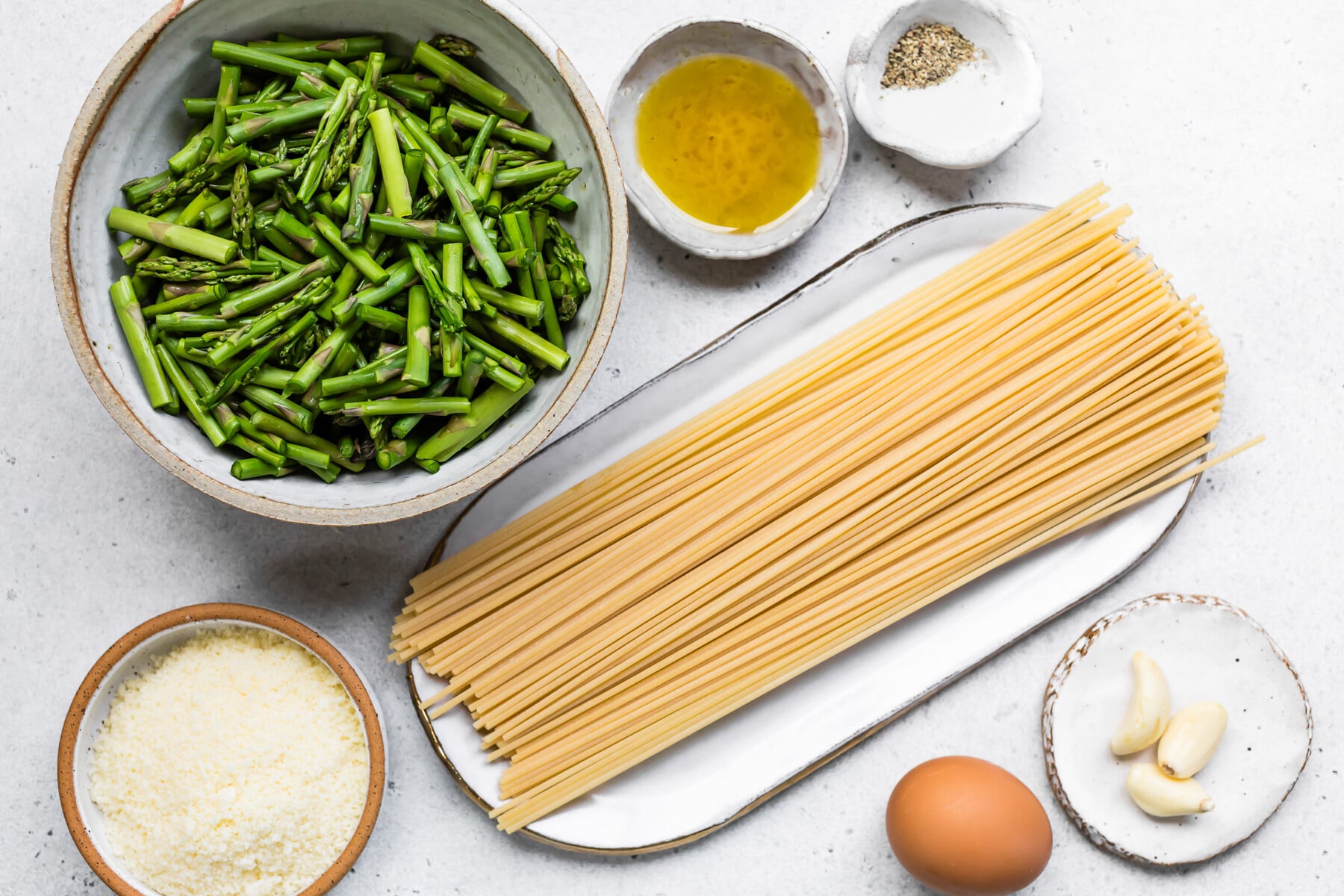
The popularity of recipes like Pasta with Asparagus reflects several overarching trends in the food industry and home cooking. There is a discernible shift towards lighter, healthier versions of classic comfort foods, driven by increased health consciousness and a desire to reduce calorie and fat intake without sacrificing flavor. The "no-cream" approach is emblematic of this trend, showcasing how traditional methods can be reinterpreted for modern dietary needs.
Furthermore, the enduring success of such recipes highlights the significant role of food blogs and online culinary platforms in disseminating knowledge and inspiring home cooks. Platforms that provide well-tested, approachable recipes with clear nutritional information contribute to a more informed and empowered cooking public. This democratizes access to culinary techniques that might otherwise seem daunting, encouraging experimentation and a deeper appreciation for ingredients and cooking processes.
The economic implications, though subtle, also play a role. The emphasis on seasonal produce indirectly supports local agriculture and the fresh produce market during peak seasons. As consumer demand for fresh, seasonal ingredients grows, it can influence agricultural planning and supply chains, fostering more sustainable food systems.
Storage and Meal Planning Considerations
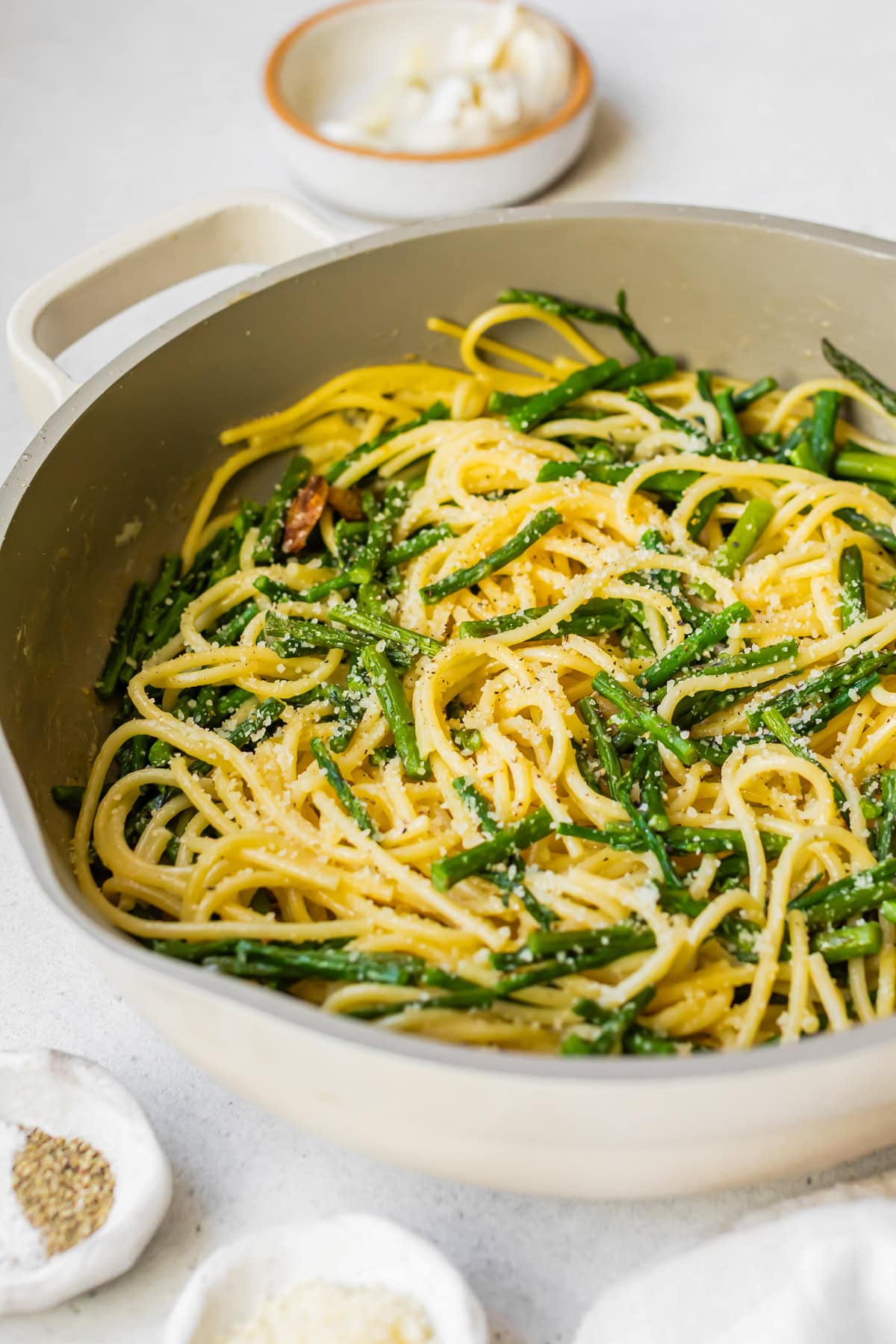
Practicality extends to post-preparation handling. For home cooks engaging in meal planning, understanding storage guidelines is crucial. While the article briefly mentions storage, the general principle for pasta dishes with delicate sauces is to consume them fresh for optimal quality. However, leftovers can typically be stored safely in an airtight container in the refrigerator for a few days. Reheating should be done gently, possibly with a splash of water or broth to loosen the sauce, as egg-based sauces can sometimes tighten upon cooling. This practical advice further enhances the recipe’s utility for busy households, allowing for efficient meal preparation and minimization of food waste.
In conclusion, the Pasta with Asparagus is far more than just a simple recipe; it is a microcosm of contemporary culinary trends. It embodies the desire for healthy, flavorful, and easy-to-prepare meals that celebrate seasonal ingredients. Its intelligent use of traditional Italian techniques to achieve a light, creamy sauce without heavy cream stands as a testament to thoughtful cooking. As spring unfolds, this dish serves as an inviting reminder of the joys of seasonal eating and the enduring appeal of well-crafted, accessible home cooking. Its continued relevance highlights a broader societal movement towards more mindful and delicious food choices, making it a truly noteworthy culinary staple.
