
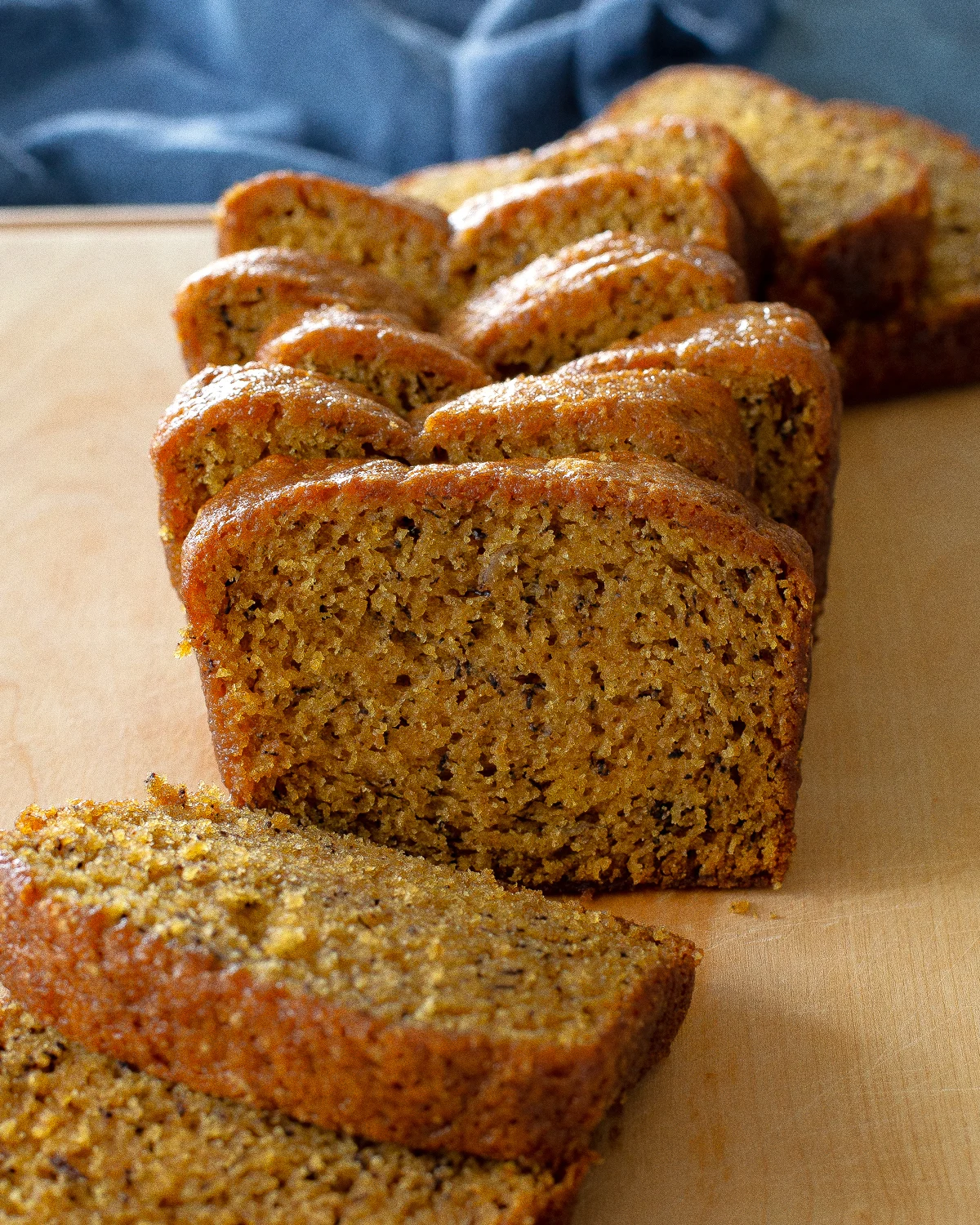
Pumpkin Banana Bread represents a culinary fusion, ingeniously combining the comforting qualities of two beloved quick bread recipes. This innovative bake introduces subtle notes of banana and pumpkin, harmoniously interwoven with the warm embrace of autumnal spices. The resulting loaf offers a dual flavor profile, appealing to those who cherish both classic banana bread and the seasonal delight of pumpkin-spiced baked goods.
The genesis of this blended bread stems from a desire to extend the enjoyment of pumpkin-flavored treats beyond the traditional fall season. As noted by its creator, this recipe serves as an excellent method for utilizing overripe bananas, a common kitchen occurrence, while simultaneously offering a year-round option for indulging in pumpkin-infused flavors. This approach democratizes the enjoyment of these distinct tastes, allowing them to be savored irrespective of seasonal availability or specific dietary preferences that might otherwise limit consumption.
The Synergistic Appeal of Pumpkin and Banana
The appeal of Pumpkin Banana Bread lies in its ability to leverage the inherent strengths of its constituent components. The pumpkin puree acts as a natural agent for imparting moisture and a rich, velvety texture to the batter. Simultaneously, the mashed bananas contribute a distinct, inherent sweetness, reducing the need for excessive added sugars while infusing the bread with their characteristic fruity aroma and flavor. This synergy creates a loaf that is both tender and flavorful, striking a balance that is often sought after in home baking.
Nutritional Considerations and Versatility
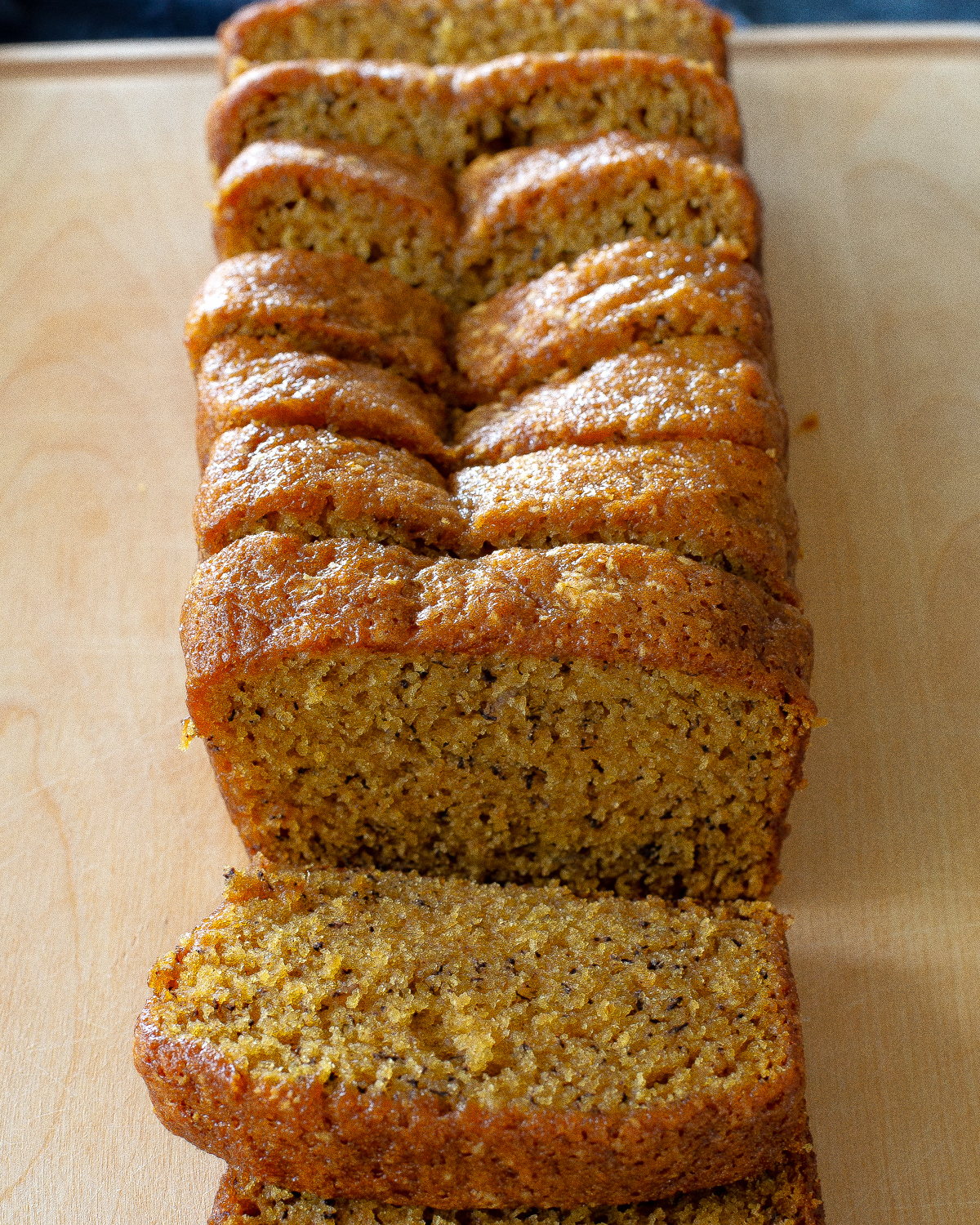
While specific nutritional breakdowns can vary based on ingredient proportions, the incorporation of pumpkin and banana offers potential benefits. Bananas are a well-known source of potassium, dietary fiber, and vitamin B6. Pumpkin, in its pureed form, is rich in beta-carotene, which the body converts to vitamin A, an essential nutrient for vision, immune function, and skin health. It also provides dietary fiber and various antioxidants. The combination thus presents an opportunity for a more nutrient-dense baked good compared to some traditional quick breads.
The versatility of this recipe is further highlighted by its storage potential. Properly stored, Pumpkin Banana Bread demonstrates remarkable longevity, maintaining its freshness and appeal across different preservation methods. At room temperature, sealed in an airtight container, the bread can remain enjoyable for approximately three to four days. For extended freshness, refrigeration is recommended, where it can retain its quality for up to a week. Furthermore, for those seeking to preserve the bread for longer periods, individual slices can be wrapped and frozen for up to three months. Reheating is a simple process, with a brief 15-20 second microwave duration typically sufficient to restore its appealing warmth and texture.
Broader Implications in Culinary Trends
The emergence of hybrid baked goods like Pumpkin Banana Bread reflects a broader trend in the culinary landscape, characterized by innovation and the merging of established favorites. Food bloggers and home bakers are increasingly experimenting with ingredient combinations that cater to diverse palates and maximize the use of readily available ingredients. This practice not only fosters creativity in the kitchen but also contributes to reducing food waste by providing practical solutions for ingredients nearing their expiration. The success of such recipes often stems from their ability to evoke nostalgia while simultaneously offering a novel experience.
Storage and Preservation: A Practical Guide
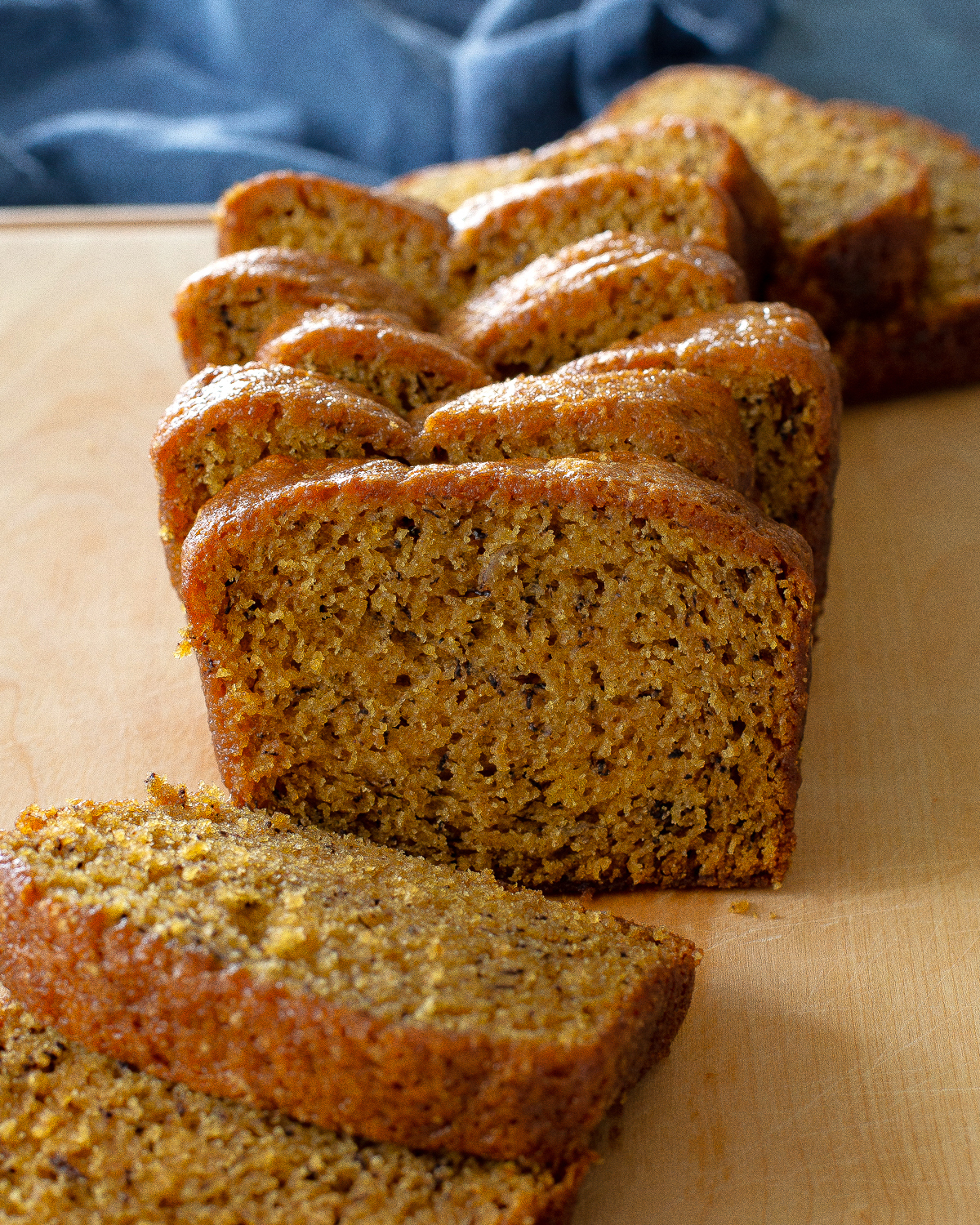
Ensuring the optimal enjoyment of Pumpkin Banana Bread hinges on appropriate storage techniques. For immediate consumption and shorter periods, storing the bread at ambient room temperature within a well-sealed, airtight container is the most straightforward method. This prevents the bread from drying out and shields it from environmental contaminants.
When a longer shelf life is desired, the controlled environment of a refrigerator becomes the preferred option. The cooler temperatures slow down the rate of spoilage, extending the bread’s freshness for up to seven days. It is advisable to wrap the bread tightly in plastic wrap or place it in a resealable container before refrigerating.
For individuals or households that may not consume the bread at a rapid pace, or for stocking up on this delicious treat, freezing offers a long-term solution. The most effective method involves wrapping individual slices of cooled bread securely in plastic wrap, followed by a layer of aluminum foil or a freezer-safe bag. This double-layer protection minimizes exposure to air and prevents freezer burn, preserving the bread’s texture and flavor for up to three months. When ready to serve a frozen slice, a brief stint in the microwave, typically 15 to 20 seconds, is usually sufficient to bring it back to an appealing warmth and softness, akin to freshly baked.
Culinary Context and Related Innovations
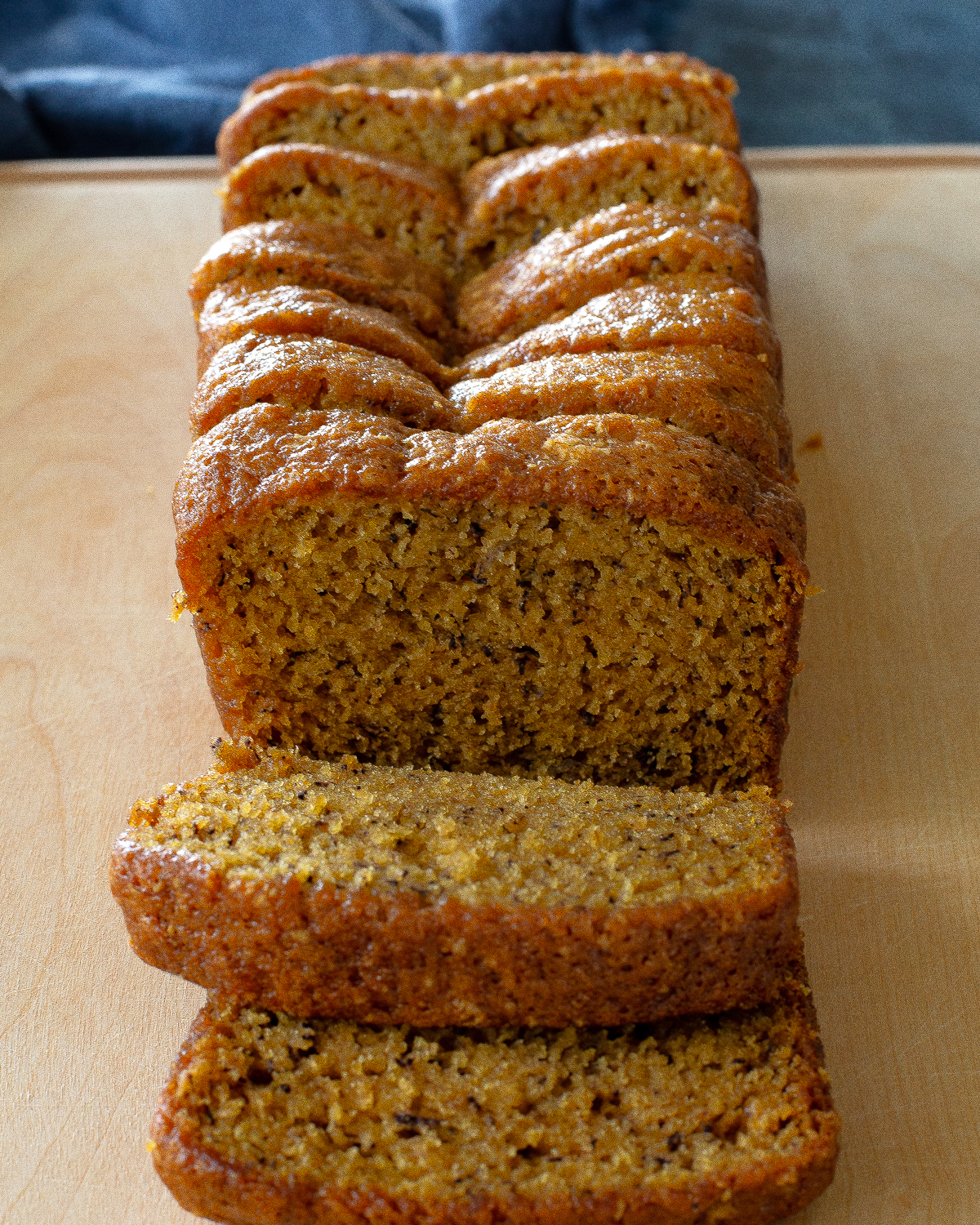
The popularity of quick breads, such as banana bread and pumpkin bread, has long been established, owing to their ease of preparation and comforting flavors. Banana bread, a staple in many households, is often associated with utilizing ripe bananas, transforming them into a moist and sweet dessert or breakfast item. Similarly, pumpkin bread, particularly prevalent during the autumn months, leverages the distinct earthy flavor and vibrant color of pumpkin, often enhanced with spices like cinnamon, nutmeg, and cloves.
The blending of these two distinct flavor profiles into a single loaf addresses a culinary desire for novelty and the maximization of enjoyable flavors. This approach is not unique to pumpkin and banana; the concept of combining popular baked goods or flavors is a recurring theme in food innovation. For instance, the creation of "cronuts" (croissant-doughnuts) or "brookies" (brownie-cookie hybrids) exemplifies this trend of merging beloved treats to create something new and exciting. In the realm of breads, this fusion offers a nuanced flavor profile that appeals to a broader audience and extends the seasonal appeal of ingredients.
The creator of this specific recipe notes the intention to make pumpkin bread accessible year-round, circumventing the traditional seasonal limitations often associated with pumpkin-based desserts. This pragmatic approach to baking not only caters to consumer demand but also demonstrates an understanding of ingredient seasonality and a commitment to reducing food waste by finding practical applications for ingredients that might otherwise be discarded.
Conclusion
Pumpkin Banana Bread emerges as a delightful and practical innovation in the world of quick breads. By artfully combining the moisture-rich qualities of pumpkin with the natural sweetness and flavor of bananas, and accentuating these with warm spices, this recipe delivers a comforting and versatile baked good. Its extended shelf life through various storage methods, coupled with its year-round appeal, positions it as a valuable addition to any baker’s repertoire. This culinary fusion not only satisfies a craving for familiar flavors but also offers a creative solution for ingredient utilization, reflecting a contemporary approach to home baking that values both taste and practicality.
