
The unassuming green squash, zucchini, is experiencing a significant culinary renaissance, emerging as a celebrated ingredient capable of transforming dishes across the spectrum of sweet and savory. As summer yields an abundant harvest, home cooks and professional chefs alike are discovering the unparalleled versatility and nutritional benefits of this popular vegetable, moving beyond its traditional role as a simple side dish to a starring component in a diverse array of meals. From hearty breakfast frittatas to sophisticated dinner flatbreads and even surprising dessert creations, zucchini is proving itself to be the "Most Valuable Veggie" in modern kitchens, offering solutions for both culinary innovation and practical meal planning.

A History of Cultivation and Culinary Adaptability

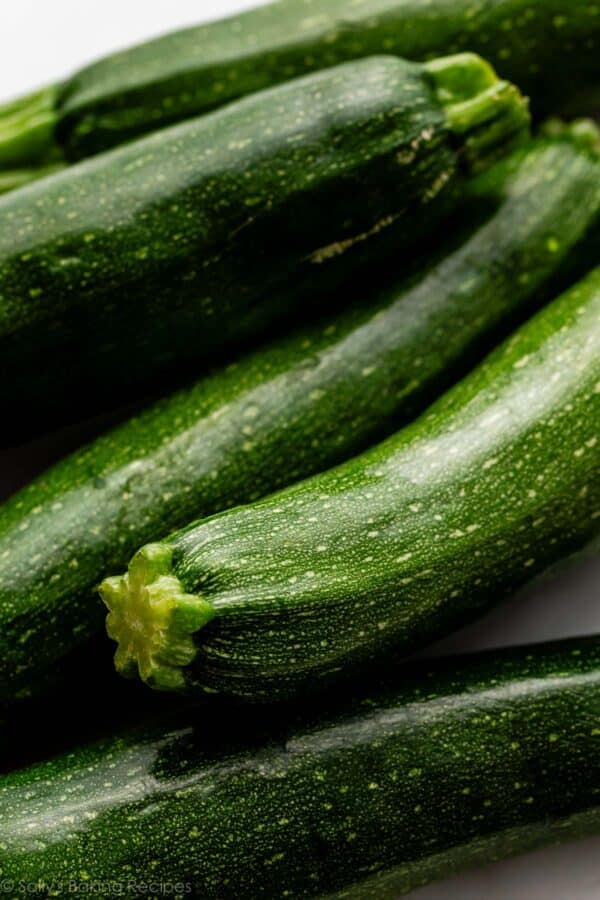
While often associated with Italian cuisine, zucchini (derived from zucca, the Italian word for squash) traces its lineage back to the Americas, where various squash species have been cultivated for thousands of years. The specific cultivar we recognize as zucchini, Cucurbita pepo, was developed in Italy in the late 19th century and quickly gained popularity across Europe before making its way to the United States in the early 20th century. Its ease of cultivation and prolific growth, especially during the warmer months, quickly established it as a garden staple. This agricultural abundance, often leading to a "zucchini surplus" for many gardeners, has historically driven creative approaches to its consumption, fostering a culture of experimentation that continues to thrive today.
Nutritional Powerhouse and Culinary Chameleon
Beyond its accessibility, zucchini is lauded for its impressive nutritional profile. It is remarkably low in calories, making it an ideal ingredient for health-conscious cooking, yet rich in water content—typically over 90%—which contributes significantly to its unique culinary properties. This high moisture content is particularly advantageous in baked goods, where it acts as a natural humectant, imparting an unparalleled tenderness and moistness without adding discernible flavor. As culinary experts often note, zucchini can subtly enhance texture, much like carrots in a classic carrot cake, often going unnoticed by even the most discerning palates. This stealthy nutritional boost allows for the incorporation of vegetables into dishes, including desserts, where they might not traditionally be expected. Zucchini is also a good source of vitamins, including Vitamin C (an antioxidant) and Vitamin K, as well as essential minerals like potassium and manganese. Its fiber content aids in digestion, contributing to overall gut health.
Sweet Innovations: Redefining Dessert and Breakfast

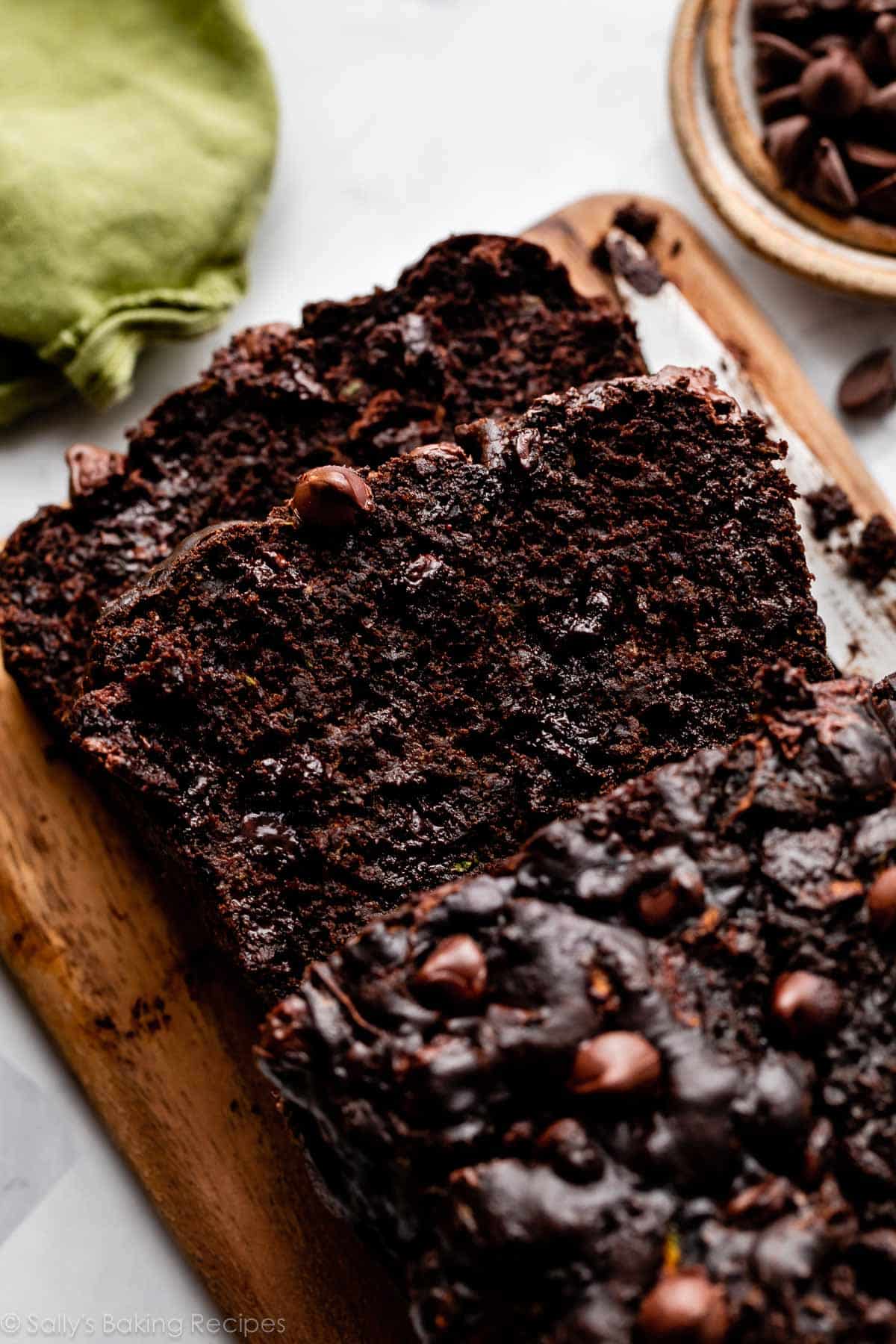
The integration of zucchini into sweet recipes has been a revelation for many. Its neutral flavor profile means it can be seamlessly incorporated into a variety of baked goods, adding moisture and a slight structural integrity without overpowering other ingredients. This characteristic is perfectly exemplified in dishes such as chocolate zucchini bread and peanut butter chocolate chip zucchini bread, where the zucchini contributes to a dense, rich crumb that belies its vegetable origins. Similarly, chocolate zucchini cake, often highlighted as a reader favorite, showcases how a generous quantity of shredded zucchini (up to three cups in some recipes) can create an exceptionally indulgent and moist dessert.

For breakfast or a wholesome snack, zucchini muffins and classic zucchini bread offer comforting, flavorful options. These recipes, often spiced with cinnamon, nutmeg, and vanilla, are not only delicious but also remarkably freezer-friendly, providing convenient grab-and-go meals. The addition of ingredients like oats and chocolate chips, as seen in zucchini oatmeal chocolate chip cookies, further demonstrates zucchini’s adaptability, creating chewy centers and crisp edges with a phenomenal flavor that belies the inclusion of a vegetable. Even a zucchini crumb cake, topped with a buttery brown sugar streusel and velvety vanilla icing, proves that this humble squash can elevate everyday treats to sophisticated delights.

Savory Explorations: From Appetizers to Main Courses

The savory applications of zucchini are virtually limitless, extending far beyond simple sautéing. Its mild flavor makes it an excellent canvas for a wide range of spices and herbs. For light and healthy meals, zucchini noodles, created by spiralizing the squash, serve as an excellent gluten-free alternative to pasta, pairing perfectly with dishes like baked chicken meatballs or bruschetta chicken, where they absorb the rich flavors of sauces and seasonings.

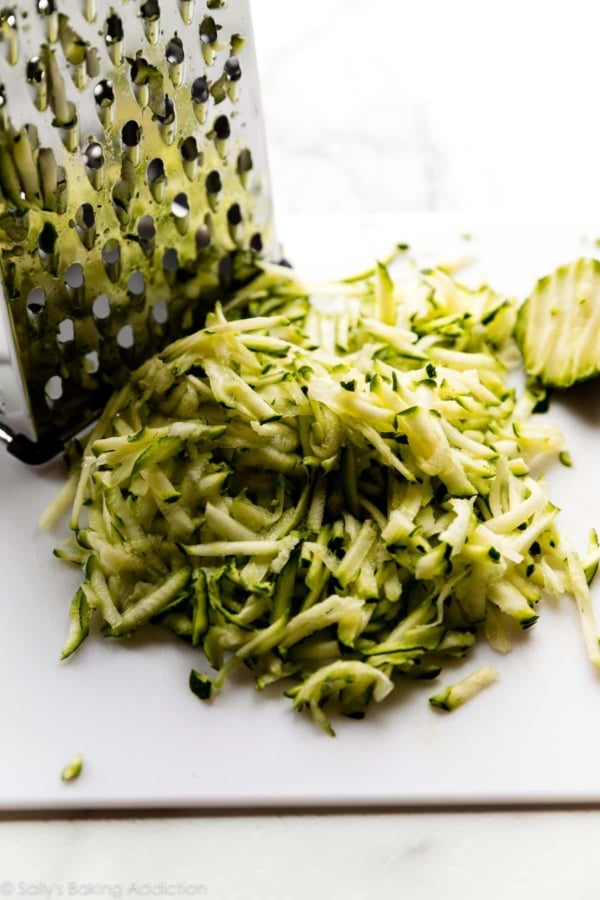
Heartier savory options include cheesy zucchini casserole, infused with aromatic herbs like oregano, thyme, basil, and garlic, which bakes quickly without the need for pre-cooking. Zucchini fritters, often gluten-free and flavored with garlic and fresh herbs, offer a delightful stovetop appetizer or side dish that can be enjoyed any time of day. The simple but effective use of a box grater is often the key to preparing zucchini for these shredded applications, allowing for quick integration into batters and mixtures. Even savory zucchini biscuits provide a unique twist on a classic, offering a tender, flavorful accompaniment to any meal.

Zucchini’s robust nature also makes it a valuable component in more complex dishes. It finds its place in substantial soups like thick and hearty minestrone, contributing to the vegetable medley and adding body. For a lighter, yet equally flavorful option, a crustless veggie quiche packed with zucchini, yellow squash, bell pepper, and cheese offers a healthy, high-flavor meal. The use of zucchini in dishes like roasted vegetable whole wheat pizza or peanut chicken zucchini noodles further illustrates its capacity to integrate seamlessly into diverse culinary traditions, from Mediterranean-inspired flavors to Asian-fusion profiles.

Strategic Preparation and Preservation

To maximize zucchini’s culinary potential, proper preparation and preservation techniques are crucial, especially when dealing with a bountiful harvest. For shredded applications, removing excess moisture is key to preventing soggy results in baked goods or fritters. A common technique involves shredding the zucchini and then thoroughly squeezing out moisture using paper towels or a clean kitchen linen. This step ensures that the zucchini contributes only its beneficial moistness and texture, rather than diluting flavors.

Furthermore, preserving zucchini for year-round enjoyment is straightforward. Shredded and de-moisturized zucchini can be easily frozen in zipped-top bags, flattened to facilitate quicker thawing. It maintains its quality in the freezer for three to four months, ready to be thawed, blotted dry if needed, and incorporated into any recipe calling for shredded zucchini. This simple preservation method significantly reduces food waste and extends the seasonal pleasure of this versatile vegetable.

The Enduring Appeal of Roasted Zucchini

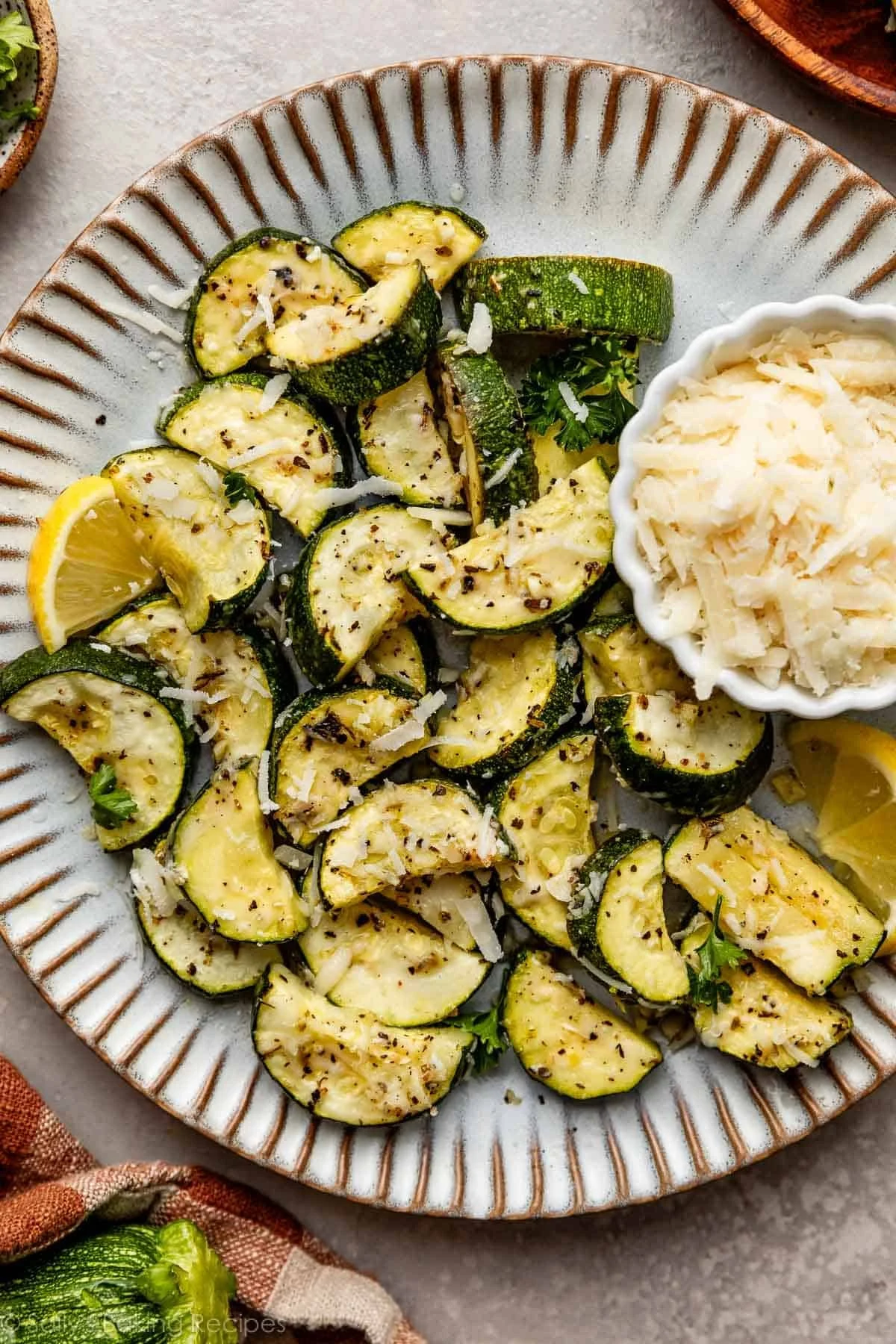
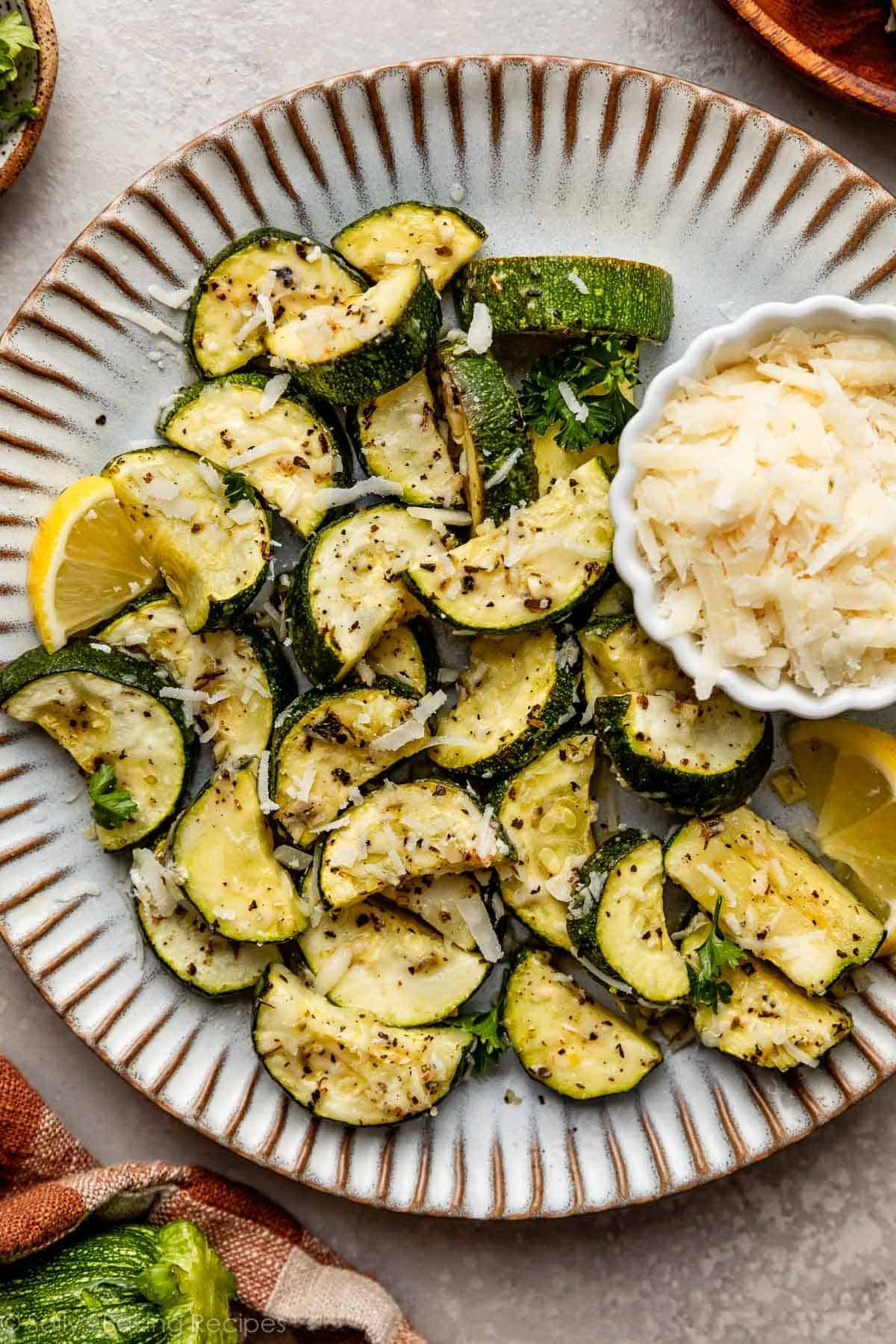
Among the myriad ways to prepare zucchini, simple oven roasting remains a perennial favorite, particularly the preparation of roasted lemon garlic zucchini. This method requires minimal preparation—typically involving 1.5 pounds (about 3-4 medium) of zucchini—and yields maximum flavor in a short amount of time, usually around 20 minutes. Sliced zucchini is tossed with olive oil, fresh lemon juice, minced garlic, and dried oregano, then roasted until tender but not mushy, a result ensured by cutting the zucchini thick enough to withstand the heat. A final flourish of freshly grated Parmesan cheese elevates this dish, making it an ideal, quick, and flavorful side that complements a wide variety of main courses. Its straightforward approach and delectable outcome perfectly encapsulate zucchini’s ability to shine with minimal fuss.

Broader Impact and Culinary Trends

The re-evaluation and expanded use of zucchini align with several broader culinary and societal trends. There is a growing emphasis on plant-based eating and incorporating more vegetables into daily diets, driven by health consciousness and environmental concerns. Zucchini, with its adaptability and mild flavor, serves as an excellent entry point for those looking to diversify their vegetable intake. Its ease of growth also supports local food movements and encourages home gardening, fostering a connection to food sources and promoting sustainable practices.
The innovation seen in zucchini recipes reflects a larger movement in the culinary world towards embracing and creatively utilizing accessible, seasonal ingredients. This not only sparks creativity in the kitchen but also offers practical solutions for reducing food waste by ensuring that garden surpluses or market finds can be transformed into delicious meals rather than discarded. As consumers continue to seek wholesome, versatile, and flavorful ingredients, zucchini stands out as a prime example of a humble vegetable capable of extraordinary culinary transformations. Its journey from a garden staple to a culinary superstar underscores its enduring appeal and its rightful place as a most valuable veggie in kitchens across the nation.
