
A gas grill represents a significant investment for any household, promising years of outdoor culinary enjoyment. Understanding the longevity of such an appliance is crucial for consumers making informed purchasing decisions. Weber, a brand synonymous with barbecue culture and renowned for its durable products, often elicits anecdotal claims of grills lasting indefinitely. However, with Weber gas grills ranging in price from approximately $500 to upwards of $5,500, a closer examination of their actual lifespan is warranted, factoring in both manufacturer warranties and real-world customer experiences.
Understanding Weber’s Product Tiers and Warranty Structures
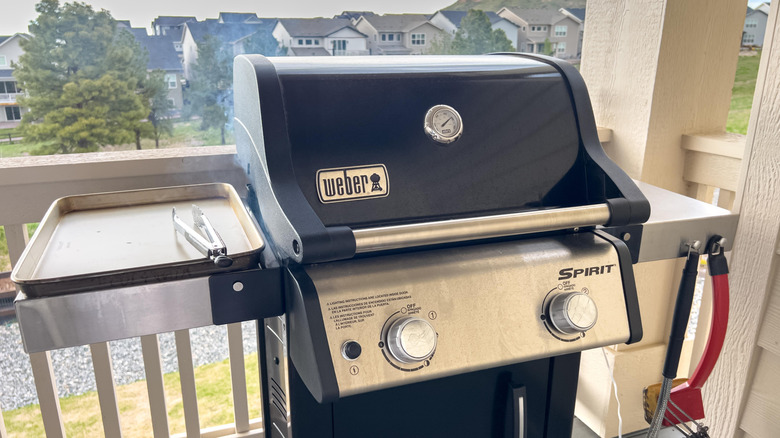
Weber’s reputation for quality is rooted in its commitment to using premium materials. This dedication, however, is reflected in a broad price spectrum across its product lines. For their more accessible Spirit gas grills, consumers can generally expect a lifespan of 5 to 10 years. This projection is supported by the brand’s warranty offerings, which typically cover the cookbox, lid, and stainless steel burner tubes for a decade. The cooking grates and Flavorizer bars, while also critical components, often come with a more limited five-year warranty, indicating an expected replacement cycle for these high-wear parts.
Stepping up to the Genesis line, the warranty periods reflect a greater expected durability. The cookbox and lid for Genesis grills are generally backed by a 12-year warranty. Burner tubes, grates, and Flavorizer bars in this series are typically covered for 10 years, suggesting a longer service life for these components compared to the Spirit models.
At the pinnacle of Weber’s gas grill offerings are the premium Summit series, with the latest 2024 models potentially reaching prices up to $5,500. These high-end grills boast the most extensive warranty coverage, with the cookbox and lid protected for 15 years. Burners, grates, and Flavorizer bars in the Summit line are generally covered for 10 years, underscoring the brand’s commitment to longevity in its flagship products. These warranty periods serve as a manufacturer’s guarantee of expected performance and durability for specific components.
Customer Testimonials: The Real-World Longevity of Weber Grills
Beyond manufacturer warranties, the true measure of a product’s lifespan often lies in the experiences of its users. Online forums and customer reviews frequently highlight the exceptional durability of Weber gas grills. Many users on platforms like Reddit report their Weber grills exceeding the 10-year mark, with some even claiming their units have been in continuous use for over two decades.
A recurring theme in these discussions is the remarkable longevity of core components, even in older models. One widely cited anecdote involves a Weber Genesis grill that, after 25 years, was reportedly still operating with its original burners. While Flavorizer bars in such instances might require replacement approximately every five years, the sustained performance of the primary cooking system is a testament to the grill’s robust construction. Another user recounted purchasing a Weber Genesis Silver in 2003, using it until 2017, replacing the Flavorizer bars only once during that period, and then gifting the grill to a friend who continued its use.
However, it’s important to note that some of these user accounts predate recent shifts in manufacturing. A segment of customers has expressed concerns regarding perceived changes in build quality, particularly as some components are now manufactured in China. This has led to discussions about whether contemporary Weber grills will achieve the same legendary longevity as their predecessors.
Weber has addressed these concerns regarding global sourcing. In response to queries about manufacturing locations, the company has stated that its grills are designed and engineered in the USA, utilizing globally sourced parts. Specific series, such as the Spirit and Spirit II, have been assembled in China, and some Genesis models were also assembled there until 2019. Weber maintains that this overseas manufacturing does not compromise quality, pointing to the identical warranty coverage across models regardless of assembly location as evidence of their quality assurance standards. Furthermore, replacement parts, including electrical and plastic components, are typically covered by warranties ranging from two to five years, providing continued support for owners.
Factors Influencing Grill Lifespan and Maintenance
The longevity of any gas grill, including a Weber, is not solely determined by its initial construction or warranty. User practices and maintenance routines play a pivotal role in extending its functional life. Grilling techniques that involve excessively high temperatures can accelerate wear on grates and internal components. Conversely, employing methods that minimize mess, such as wrapping food in foil, can contribute to a cleaner grill and, consequently, a longer lifespan.
Essential Maintenance Practices for Extended Durability
Comprehensive cleaning is paramount for maintaining a grill’s performance and longevity. A superficial wipe-down is insufficient; a thorough cleaning regimen targeting all components is essential. This includes not only the grates but also vital elements like heat plates and the regulator.
Weber itself provides detailed maintenance recommendations for its gas grills. For Flavorizer bars, the company advises using a scraper to remove accumulated grease and debris. Similarly, for grates, a process akin to seasoning cast iron pans is recommended, involving the application of oil. Weber suggests that increased frequency of use can paradoxically lead to less intensive maintenance, as regular heat exposure helps to keep components clean and operational.
Protecting Your Investment: Seasonal Storage and Care
Protecting a gas grill from environmental factors, especially during harsh weather conditions like winter, is critical for preventing premature degradation. The correct procedure for storing a grill for the off-season involves a multi-step process. First, the grill should be meticulously cleaned to remove all food residue and grease. Following cleaning, it must be thoroughly dried to prevent rust and corrosion. An application of oil to the grates and other metal surfaces can provide an additional layer of protection. Finally, the grill should be stored in a sheltered location, such as a basement or garage, shielded from rain, snow, and extreme temperature fluctuations. Adhering to these maintenance and storage protocols can significantly contribute to a Weber grill’s ability to last for decades, potentially allowing owners to share their own enduring success stories in online communities.
The initial investment in a Weber gas grill is often justified by the brand’s reputation for durability and longevity. While warranty periods offer a baseline expectation, the true lifespan is a synergistic outcome of the grill’s inherent quality, the owner’s diligent maintenance practices, and the specific usage patterns. By understanding the nuances of Weber’s product lines, adhering to manufacturer recommendations for care, and taking proactive steps to protect the appliance from the elements, consumers can maximize their investment and enjoy years, potentially decades, of reliable grilling performance. The enduring legacy of Weber grills is, therefore, not solely a product of manufacturing prowess, but also a testament to the partnership between a well-built product and a well-informed owner.
