
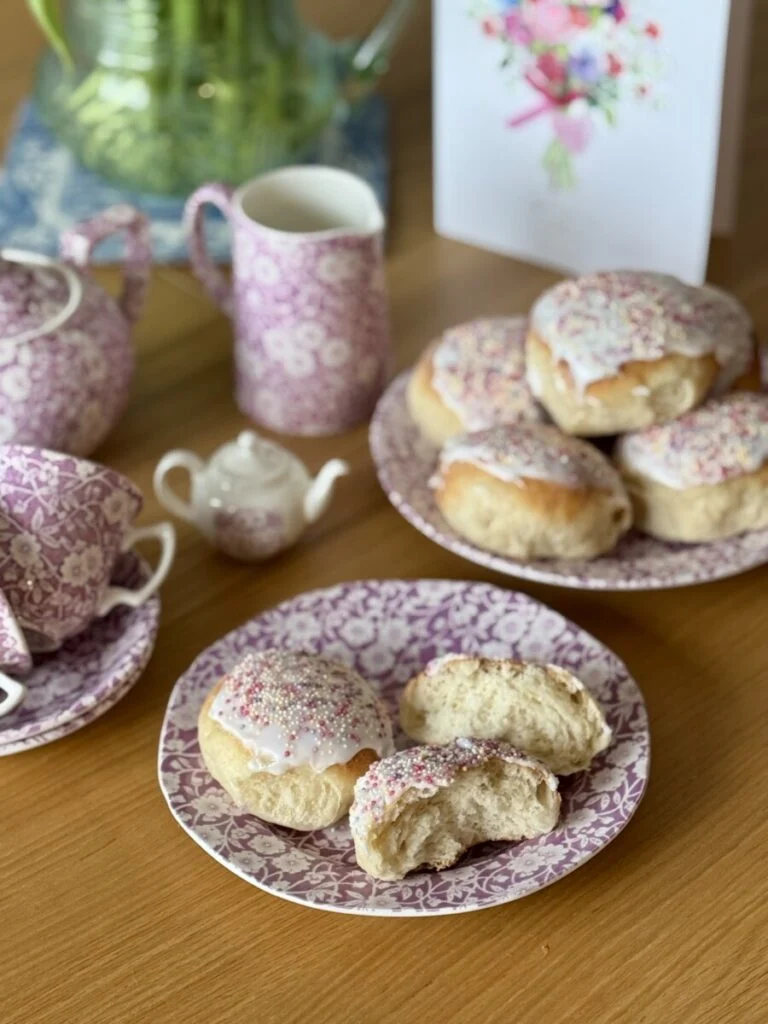
The Traditional Mothering Bun, a cherished regional delicacy hailing from Bristol in England’s South West, represents a rich tapestry of history, religious observance, and culinary heritage. These sweet, yeasted buns, traditionally adorned with icing and colourful sprinkles known as "hundreds & thousands," are intrinsically linked to Mothering Sunday, a distinct British observance falling on the fourth Sunday of Lent. Far from being merely a confection, the Mothering Bun embodies centuries of cultural practice, offering a momentary reprieve from Lenten fasting and serving as a poignant symbol of family connection and community identity.

The Historical Tapestry of Mothering Sunday
To fully appreciate the Mothering Bun, one must first understand the historical context of Mothering Sunday. Unlike the secular American Mother’s Day, which originated in the early 20th century, the British Mothering Sunday boasts roots stretching back to the 16th century. Historically, it was a day when people would return to their "mother church" – the main church or cathedral of their area – for a special service. This pilgrimage often meant that domestic servants, apprentices, and those working away from home were granted a rare day off to visit their families and attend their home parish church.

This religious observance gradually intertwined with familial sentiment. As people returned home, it became customary to bring a gift for their mother, often a small bouquet of wildflowers gathered along the journey or a special treat. The fourth Sunday of Lent itself held a unique significance within the liturgical calendar, being known as "Refreshment Sunday." On this day, the strictures of the Lenten fast were traditionally relaxed, allowing for the consumption of richer foods, including ingredients like butter, eggs, and cream, which were otherwise forbidden. This temporary easing of dietary restrictions created the perfect environment for the emergence of celebratory baked goods, such as the Mothering Bun.
The Genesis and Evolution of the Mothering Bun

The Mothering Bun is believed to have originated in the 18th century, specifically within the bustling port city of Bristol. As a significant trade hub, Bristol developed its own unique culinary traditions, many influenced by its maritime connections and the availability of diverse ingredients. The buns, designed to be a delightful indulgence after weeks of ascetic Lenten fare, quickly became a favourite regional speciality. Their development reflects a broader pattern in British baking, where local communities crafted specific pastries and breads to mark religious festivals and seasonal events.
Early versions of the Mothering Bun differed slightly from their modern counterparts. Historical accounts suggest that these sweet buns were initially topped with spices such as caraway seeds or aniseed. These spices, often associated with medicinal properties and traditional baking, would have provided a distinct aromatic profile. Over time, however, public taste evolved, and the more visually appealing and universally sweet "hundreds & thousands" (known as sprinkles in North America) became the predominant topping. This shift highlights the dynamic nature of food traditions, which adapt and change while still retaining their core significance. The current iteration, with its vibrant, sugary crust, continues to delight generations and remains a clear indicator of the bun’s celebratory purpose.

Bristol: A Guardian of Culinary Heritage
Bristol’s deep connection to the Mothering Bun is evident in its continued presence in local bakeries. Artisan establishments like Joe’s Bakery on Gloucester Road and Herbert’s Bakery are renowned for upholding this tradition, particularly in the days leading up to Mothering Sunday. These bakeries serve as vital custodians of regional culinary heritage, ensuring that the authentic taste and spirit of the Mothering Bun endure. Their commitment underscores the importance of local food culture in maintaining community identity and providing a tangible link to the past.

A spokesperson for a local food heritage initiative, perhaps Bristol Good Food 2030, might express sentiments like, "The Mothering Bun is more than just a pastry; it’s a piece of Bristol’s soul. Bakeries like Joe’s and Herbert’s play an invaluable role in preserving these unique traditions, allowing both residents and visitors to connect with our city’s rich history through taste." This inferred statement reflects the broader societal value placed on preserving unique regional foodstuffs.
A Culinary Profile: Inside the Sweet Bun

At its heart, the Traditional Mothering Bun is a sweet, yeasted bread bun, offering a soft, fluffy texture. The dough itself is enriched with ingredients such as butter and eggs, which, as previously mentioned, would have been particularly welcome on "Refreshment Sunday" after a period of Lenten deprivation. Once baked to a golden perfection, the buns are typically cooled before being generously coated with a simple, sweet icing, which provides a pleasing contrast to the tender crumb beneath. The final flourish of hundreds & thousands adds a festive visual appeal, making each bun a miniature celebration.
These buns comfortably fit into the wider canon of "British Sticky Buns," a term often used to describe various regional and seasonal sweet, enriched breads, some glazed, some iced. This category includes a diverse array of treats, from Chelsea Buns to Bath Buns, each with its own local variations and historical significance. The Mothering Bun, with its specific association with Mothering Sunday, stands out as a unique example of how British baking traditions are deeply interwoven with calendar events and local lore.

The Enduring Appeal and Modern Practice
The enduring appeal of the Mothering Bun is evident in the continued interest from home bakers and culinary enthusiasts. Publications such as "The Simple Things" magazine play a crucial role in documenting and disseminating these traditional recipes, fostering a renewed appreciation for classic British baking. The act of baking these buns at home, often passed down through generations or rediscovered through historical recipes, becomes a personal homage to familial bonds and cultural heritage. For many, it’s an opportunity to recreate cherished memories or establish new ones, especially in remembrance of loved ones.

The versatility of the Mothering Bun also contributes to its popularity. Once baked, the buns can be frozen, allowing for convenient preparation in advance of Mothering Sunday. They simply require defrosting and the addition of icing and sprinkles before serving. Freshly baked, they keep well in a cake tin for several days. Even when they begin to dry out slightly, they remain delicious when split and buttered, perhaps with a dollop of jam, transforming into another delightful treat reminiscent of traditional British tea-time fare.
Nutritional Insights and Practicalities

For those mindful of dietary considerations, the provided nutritional information offers a useful guide. A single serving of a Traditional Mothering Bun typically yields approximately 220 calories. It contains 5g of total fat, with 2g being saturated fat and 2g unsaturated fat. Cholesterol levels are modest at 9mg, and sodium stands at 390mg. The carbohydrate content is 42g, including 1g of fiber and 23g of sugar, with 4g of protein. This profile positions the Mothering Bun as a celebratory sweet treat, best enjoyed in moderation as part of a balanced diet.
The precise date of Mothering Sunday, always falling on the fourth Sunday of Lent, shifts annually in accordance with the ecclesiastical calendar. This ensures its continued observance within the broader Christian tradition. Here is a brief chronology of upcoming Mothering Sunday dates:

- 2026: Sunday, 15th March
- 2027: Sunday, 7th March
- 2028: Sunday, 26th March
- 2029: Sunday, 11th March
- 2030: Sunday, 31st March
- 2031: Sunday, 23rd March
This consistent placement within the liturgical year reinforces the bun’s deep connection to religious and seasonal cycles, ensuring its place as a recurring fixture in the British calendar.
Broader Impact and Implications

The preservation and enjoyment of traditional foods like the Mothering Bun carry significant broader implications. Culturally, they serve as tangible links to the past, reinforcing regional identities and fostering a sense of continuity across generations. In an increasingly globalized world, the unique character of local delicacies helps to maintain cultural distinctiveness.
Economically, the popularity of such regional specialities supports local artisan bakeries and food producers, contributing to local economies and sustaining traditional crafts. For tourism, regional foods can become a draw, inviting visitors to experience the authentic flavours and traditions of a specific area, thereby boosting culinary tourism.

Furthermore, the renewed interest in traditional recipes often aligns with a broader societal trend towards valuing homemade goods, sustainable practices, and an appreciation for the history behind our food. It encourages a deeper connection to ingredients, cooking processes, and the stories embedded within each dish.
In conclusion, the Traditional Mothering Bun stands as a testament to Bristol’s rich culinary heritage and the enduring power of food to connect us to history, tradition, and family. From its origins as a Lenten indulgence on Refreshment Sunday to its current form as a sweet, iced treat, this regional speciality continues to be a cherished symbol of Mothering Sunday in the UK. Its continued production by local bakeries and its resurgence among home bakers ensure that this delectable piece of British history will be savoured for many years to come, embodying warmth, comfort, and celebration.
