
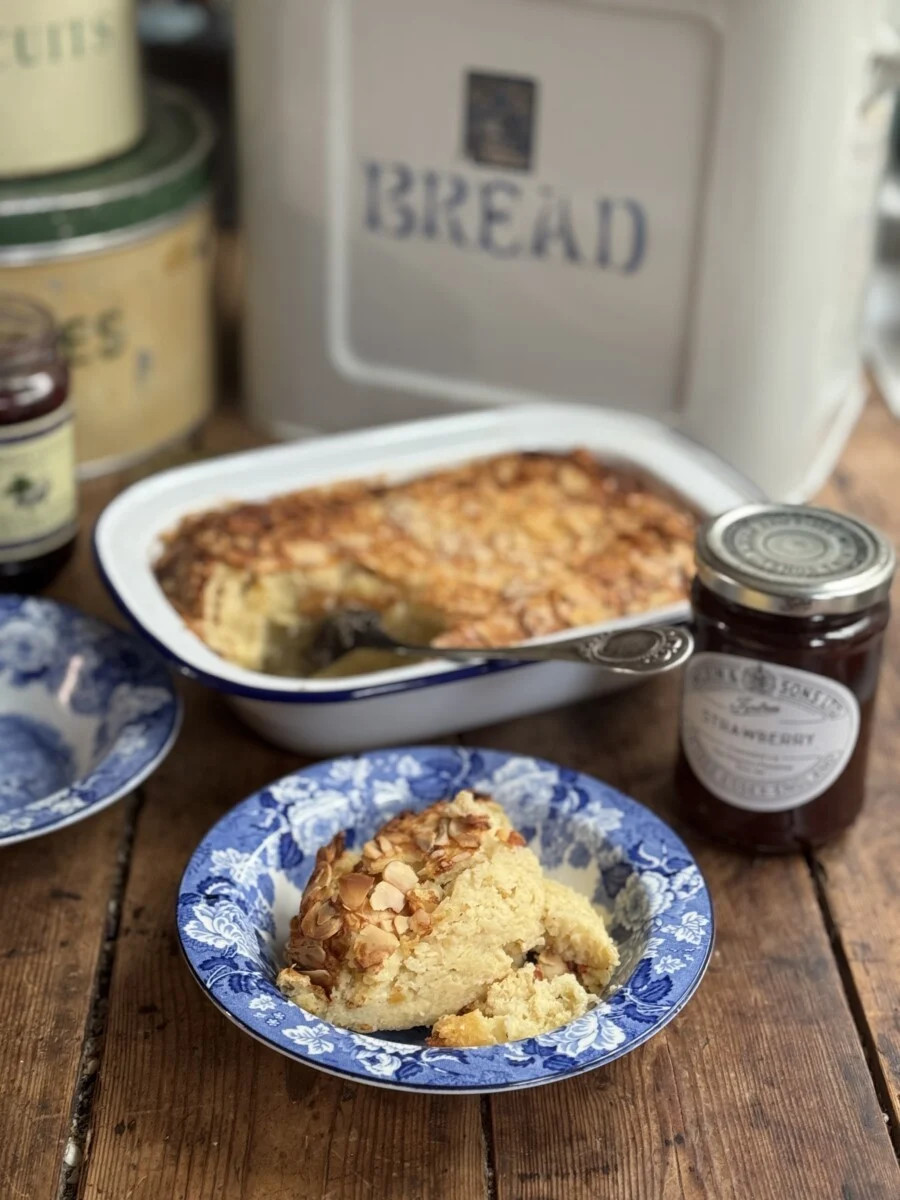
The venerable Ipswich Pudding, a classic British dessert with roots stretching back to at least 1750, is experiencing a contemporary resurgence, reminding culinary enthusiasts of the rich tapestry of the nation’s gastronomic heritage. Often referred to as Suffolk Almond Pudding, this historical dish stands as a testament to the enduring appeal of traditional baked goods, blending simple, wholesome ingredients into a remarkably sophisticated dessert.

Dating back to an era that predates the industrial revolution, the Ipswich Pudding finds its earliest documented appearance in one of the most influential cookbooks of the 18th century. While its precise origins within the Suffolk town of Ipswich remain a subject of mild historical debate among food historians, its consistent presence in seminal culinary texts firmly establishes its legacy. The pudding represents a fascinating intersection of thrift, readily available ingredients, and the evolving palate of Georgian England, offering a unique glimpse into the domestic kitchens of centuries past.

A Glimpse into Georgian Gastronomy: The Pudding’s Genesis

The mid-18th century was a transformative period for British cuisine. The publishing of cookbooks became more widespread, catering not just to professional chefs but also to the burgeoning middle-class household. It is within this context that the Ipswich Pudding first gained prominence. The earliest known reference to a recipe resembling the Ipswich Pudding is found in The Art of Cookery Made Plain and Easy by Hannah Glasse, first published in 1747. Glasse’s work was revolutionary for its time, aiming to demystify cooking and make it accessible to a wider audience, moving away from the more elaborate, often French-influenced styles prevalent in aristocratic circles. Her practical approach and clear instructions cemented her cookbook as a household staple for generations, influencing British culinary practices for over a century.

The appearance of Ipswich Pudding in Glasse’s esteemed collection underscores its significance as a popular and achievable dish for the average Georgian cook. The ingredients—breadcrumbs, eggs, milk, and almonds—were relatively common, though almonds themselves would have represented a slightly more luxurious addition, often imported and signifying a certain level of prosperity or special occasion. The inclusion of such a pudding highlights the ingenious ways in which cooks utilized staples like stale bread, transforming them into comforting and celebratory fare.

Further solidifying its place in culinary history, a later recipe for Ipswich Pudding emerged in The Ladies Companion in 1836. This 19th-century appearance demonstrates the pudding’s longevity and adaptability, surviving through changing tastes and culinary trends. The 19th century saw a refinement of many traditional dishes, and the continued presence of Ipswich Pudding suggests it was a beloved staple that transcended generations, cherished for its simplicity and comforting nature.

The Anatomy of a Classic: Ingredients and Flavor Profile

At its core, the Ipswich Pudding is a masterclass in elegant simplicity. Its primary components are white breadcrumbs, eggs, milk, and ground almonds. This combination creates a unique textural experience, described by contemporary enthusiasts as a delightful cross between a traditional bread pudding and a lighter batter pudding. This hybrid nature allows it to be substantial yet delicate, with a pleasing rise in the oven that evokes the airy quality of a soufflé.

The choice of almonds as a key flavoring agent is particularly noteworthy. In 18th-century British cuisine, almonds were a frequently used ingredient, often lending a subtle richness and distinctive aroma to both sweet and savory dishes. Historically, recipes for Ipswich Pudding often called for floral essences such as rose water or orange flower water. These ingredients, with their origins in Middle Eastern and Mediterranean culinary traditions, were popular in European cookery for centuries, prized for their ability to impart delicate, aromatic notes that were considered highly sophisticated.

However, modern adaptations of the Ipswich Pudding often reflect evolving palates. Karen Burns-Booth, a prominent culinary author and chronicler of traditional British recipes, notes in her March 6, 2026 article that she opted for almond extract in her rendition, acknowledging that floral flavors are not universally appreciated in contemporary tastes. This substitution highlights the dynamic nature of historical recipes, which are often adapted to suit modern preferences while retaining their essential character. Vanilla extract also presents a viable alternative, offering a universally beloved sweetness that complements the almond base. The comparison by Burns-Booth’s husband to the famed Bakewell Pudding underscores the inherent appeal of almond-flavored baked desserts within British culinary tradition.

Regional Identity and Cultural Significance

While its direct origin in Ipswich may not be definitively proven, the pudding’s association with the Suffolk town and its alternative name, "Suffolk Almond Pudding," firmly roots it in the East Anglian region. Such naming conventions often arose from a dish’s popularity in a particular locale, or the abundance of specific ingredients in that area. East Anglia, with its rich agricultural land and historical trade routes through ports like Ipswich, would have had access to quality dairy, grains (for bread), and potentially imported almonds.

Puddings, in general, hold a special place in British culture. Far from being mere desserts, they embody comfort, tradition, and often a sense of occasion. The Ipswich Pudding, with its light yet satisfying texture and elegant almond flavor, fits perfectly into this cultural niche. It is particularly well-suited for family gatherings and celebratory meals, especially during spring and summer festivities such as Easter or Mothering Sunday. Its ability to "puff up like a soufflé" makes it an impressive centerpiece, while its gentle flavor profile ensures broad appeal.

Culinary historians often point to dishes like the Ipswich Pudding as vital links to understanding the socio-economic conditions and dietary habits of past eras. The shift from floral waters to almond extract in modern recipes, for instance, not only reflects changes in taste but also the increased availability and affordability of various flavorings over time. The enduring popularity of such recipes, even after centuries, speaks to their inherent quality and the human desire to connect with culinary heritage.

Serving Suggestions and Modern Revival

Traditionally, Ipswich Pudding is served warm, often accompanied by stewed fruit, a fruit compote, or a generous dollop of jam. The tartness of blackcurrant, the sweetness of strawberry, or the delicate flavor of raspberry jam all provide a delightful contrast to the rich, almondy pudding. This simple pairing enhances the pudding’s natural flavors without overpowering them, allowing its subtle nuances to shine.

The revival of historic recipes like the Ipswich Pudding by food writers and bloggers such as Karen Burns-Booth is crucial for preserving Britain’s culinary legacy. In an age of globalized cuisine, there is a growing appreciation for traditional, regional dishes that tell a story. By sharing these recipes, modern cooks are encouraged to explore the flavors of the past, connecting with centuries of culinary wisdom and offering unique, comforting options for contemporary dining. Serving Ipswich Pudding for a Sunday lunch or "afters" (a traditional British term for dessert) is more than just enjoying a sweet treat; it is an act of cultural preservation, a delicious nod to the ingenuity and traditions of generations gone by.

Nutritional Overview

Based on a yield of 6 servings, with each serving of Ipswich Pudding containing approximately 625 calories, the dish provides a substantial and indulgent dessert. Each serving also contains about 40g of total fat, with 15g being saturated fat and 25g unsaturated fat. Cholesterol is noted at 162mg, while sodium stands at 393mg. Carbohydrates are around 44g, of which 37g are sugars, and 3g are dietary fiber. The protein content is notably high for a dessert, at 24g per serving. This nutritional profile indicates a rich, energy-dense pudding, reflective of historical recipes that often aimed to provide significant sustenance. While modern dietary guidelines might suggest moderation, it underscores the pudding’s role as a hearty and satisfying component of a meal, particularly suitable for special occasions.

The Ipswich Pudding, therefore, is more than just a recipe; it is a historical artifact, a flavorful link to the past that continues to delight and inspire. Its simple ingredients, rich history, and comforting appeal ensure its place as a cherished element of British culinary tradition, waiting to be rediscovered by new generations of food lovers.
