
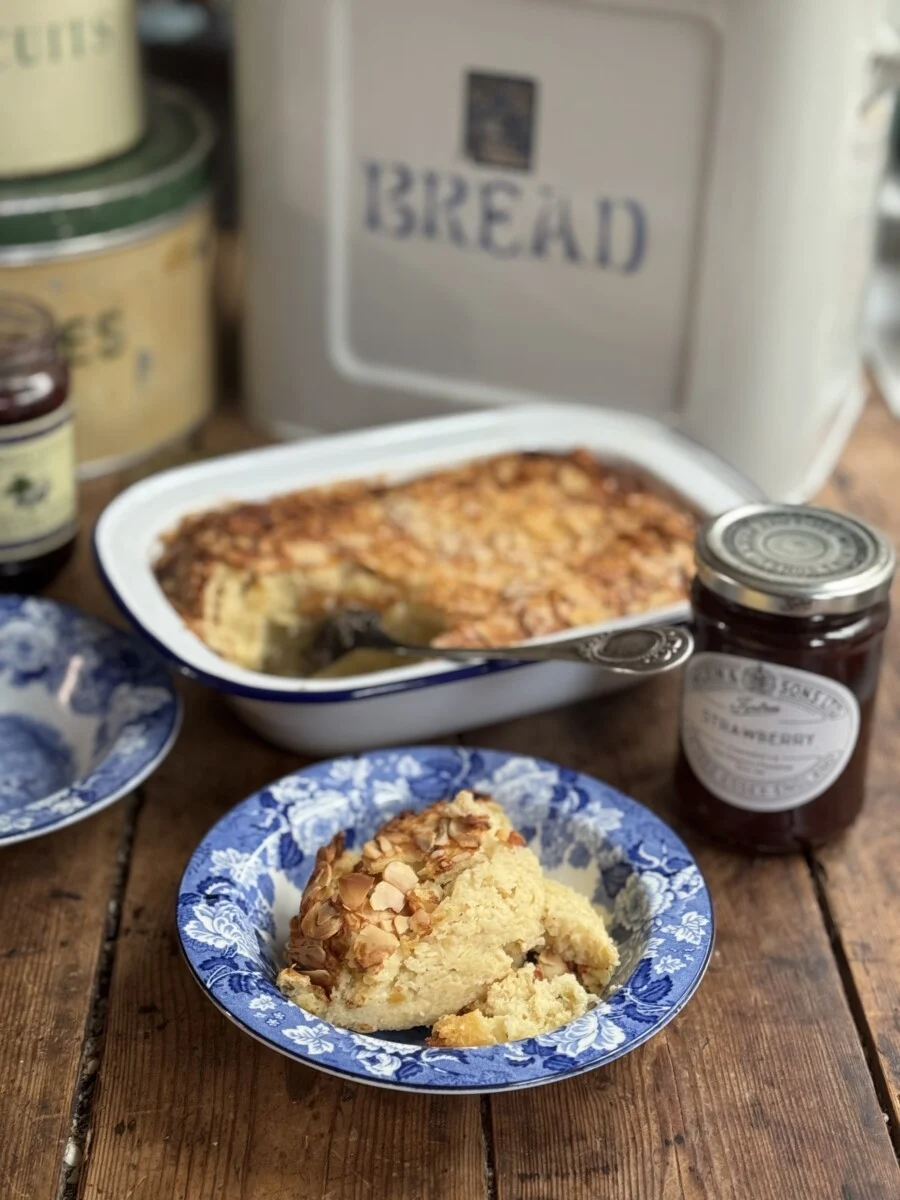
A venerable dessert, the Ipswich Pudding, a traditional British baked almond confection with roots stretching back to at least 1750, is experiencing a contemporary resurgence, championed by culinary historian and writer Karen Burns-Booth. Known also as Suffolk Almond Pudding, this historic sweet treat offers a fascinating glimpse into the culinary practices and preferences of Georgian England, bridging centuries with its comforting simplicity and distinctive flavour profile.

A Glimpse into the Past: The Enduring Legacy of Ipswich Pudding
The Ipswich Pudding, dating back over 275 years, stands as a testament to the enduring appeal of classic British desserts. Its primary components – white breadcrumbs, eggs, milk, and ground almonds – reflect an era when resourcefulness and the celebration of core ingredients were paramount in the kitchen. This particular pudding occupies a unique space in British culinary history, described as a delightful cross between a traditional bread pudding and a lighter batter pudding. This hybrid nature allows it to achieve a texture that is both substantial and remarkably airy, often rising "like a soufflé" when baked, a characteristic that hints at sophisticated baking techniques for its time.

The appeal of the Ipswich Pudding is not merely historical; its taste continues to captivate. Karen Burns-Booth, in her recent exploration of the recipe, highlights its pronounced almond flavour, which resonated strongly with her own family. Her husband, noted for his discerning palate and general aversion to overly sweet dishes, reportedly drew comparisons to the renowned Bakewell Pudding, a high compliment for any almond-based dessert. This comparison underscores the Ipswich Pudding’s potential to appeal to a broad audience, from those with a penchant for traditional fare to modern food enthusiasts seeking authentic historical flavours.
Historically, the pudding’s flavour profile often included delicate floral notes. Eighteenth-century recipes frequently called for additions such as rose water or orange flower water, ingredients that were then common in European confectionery and reflected the era’s taste for subtle aromatic complexity. In adapting the recipe for a contemporary audience, and in consideration of modern palates that may find floral notes less appealing, Burns-Booth opted for almond extract, a choice that intensifies the pudding’s inherent nutty character. Vanilla extract is also suggested as a viable alternative, demonstrating the recipe’s adaptability while preserving its essence.

The Culinary Landscape of 18th-Century Britain: Context and Ingredients
To fully appreciate the Ipswich Pudding, it is essential to understand the culinary context of 18th-century Britain. Puddings, in their myriad forms, were a cornerstone of British cuisine, evolving from savoury, meat-based dishes to the sweet, often elaborate desserts we recognise today. The Georgian era saw an increase in the availability of ingredients like sugar and almonds, though they remained relatively costly, particularly almonds which were imported. This made dishes featuring them, like the Ipswich Pudding, a sign of some affluence or at least careful household management.

Breadcrumbs, a key ingredient, were a staple for many puddings, reflecting a tradition of minimising waste and utilising stale bread, transforming humble components into something luxurious. Milk and eggs were readily available from local farms, forming the rich, custardy base that characterises many baked puddings of the period. The baking process, often involving a water bath (as specified in the modern adaptation), would have been crucial for achieving the pudding’s delicate, even set and its characteristic puff, preventing it from drying out or scorching in the often-unpredictable ovens of the time.
The seasonality of ingredients also played a role in culinary perception. While Burns-Booth suggests the Ipswich Pudding as an ideal "spring or summer" dessert, its comforting nature and rich ingredients would undoubtedly have provided a welcome treat during the colder "depths of winter." This versatility speaks to its universal appeal across seasons, making it a suitable dish for any occasion.

The Trail of Documentation: Unearthing Culinary History
Despite its long history, the precise origins and detailed evolution of the Ipswich Pudding remain somewhat elusive. Burns-Booth’s extensive research into vintage cookbooks and culinary archives yielded fascinating, if incomplete, historical footprints. The question of whether the pudding genuinely originated in the Suffolk town of Ipswich, or if the name merely alluded to a regional style or a popular dish associated with the area, continues to be a point of historical curiosity. This naming convention was common, with dishes often acquiring geographical identifiers that sometimes reflected their true birthplace and sometimes simply a popular association.

However, definitive mentions of the Ipswich Pudding appear in two highly significant historical culinary texts. The earliest known documented recipe is found in Hannah Glasse’s seminal work, "The Art of Cookery Made Plain and Easy." First published in 1747, Glasse’s cookbook was a revolutionary publication, democratising cooking knowledge and becoming an instant bestseller. It was widely adopted by households across Britain and its colonies, significantly influencing domestic cookery for over a century. The inclusion of Ipswich Pudding in such a prominent work firmly establishes its presence in the British culinary canon by the mid-18th century. Glasse’s no-nonsense approach and clear instructions made her recipes accessible, contributing to the pudding’s widespread appeal.
A later mention appears in "The Ladies Companion" from 1836. This publication further underscores the pudding’s enduring popularity into the Victorian era, demonstrating its ability to adapt and remain relevant across changing tastes and culinary fashions. The persistence of the recipe across nearly a century of culinary literature highlights its fundamental appeal and relative ease of preparation, allowing it to be passed down through generations.

Modern Revival and Broader Significance
The recent focus by Karen Burns-Booth is part of a broader trend in contemporary gastronomy: the revival and reinterpretation of historical recipes. This movement not only preserves culinary heritage but also offers modern home cooks and professional chefs an opportunity to connect with the past through food. Burns-Booth’s work exemplifies the role of food historians in meticulously researching, testing, and presenting these forgotten treasures to a new generation. By sharing the Ipswich Pudding, she contributes to the ongoing narrative of British food, highlighting its richness and diversity beyond often-stereotyped perceptions.

The pudding’s versatility makes it an ideal candidate for such a revival. Its simple, wholesome ingredients resonate with a renewed interest in traditional, less processed foods. The fact that it puffs up "like a soufflé" adds an element of culinary theatre, making it an impressive yet achievable dessert for family gatherings. Burns-Booth specifically suggests it as a perfect "pud" for occasions like Easter or Mothering Sunday, periods when comforting, traditional fare is often sought after. It also makes for an excellent "afters" (a traditional British term for dessert) for Sunday lunch, a meal deeply ingrained in British cultural practice.
The act of reviving such a dish carries broader implications for cultural identity. Regional dishes like the Ipswich Pudding are more than just recipes; they are edible fragments of history, embodying local traditions, agricultural practices, and social customs. Their preservation ensures that these stories continue to be told and tasted, fostering a deeper appreciation for the nuanced tapestry of British culinary heritage. In an increasingly globalised food landscape, the rediscovery of distinct regional and historical dishes helps to reinforce and celebrate unique cultural identities.

Furthermore, the simplicity of the core ingredients—breadcrumbs, eggs, milk, and almonds—speaks to a timeless appeal. These are components that remain readily available and relatively inexpensive for many, allowing the Ipswich Pudding to be both an accessible and satisfying treat. This economic sensibility, rooted in its 18th-century origins, continues to make it a practical and appealing choice for today’s kitchens.
A Delight for the Contemporary Palate

Served warm, the Ipswich Pudding offers a delightful contrast of textures and flavours. The rich, custardy interior, combined with the slight crunch of flaked almonds on top, provides a satisfying sensory experience. While the 18th-century versions might have been accompanied by simple cream or perhaps seasonal fruit, the modern presentation by Burns-Booth suggests pairing it with stewed fruit, a compote, or, most enthusiastically, a "goodly dollop of jam." Blackcurrant, strawberry, and raspberry jams are highlighted as particular favourites, their tart sweetness providing a perfect foil to the pudding’s almond richness. This flexibility in serving allows for personal customisation, ensuring the pudding can be enjoyed in various ways.
In conclusion, the Ipswich Pudding is more than just a recipe; it is a delicious historical artifact brought back to life. Its reappearance in the culinary spotlight, thanks to the dedicated efforts of writers like Karen Burns-Booth, serves as a delicious reminder of Britain’s rich and varied gastronomic past. It encourages a journey back in time, inviting home bakers to partake in a tradition that has delighted palates for nearly three centuries, proving that truly good food transcends the ages. The Ipswich Pudding, with its humble ingredients and refined taste, stands ready to reclaim its rightful place as a beloved British classic on contemporary tables.
