
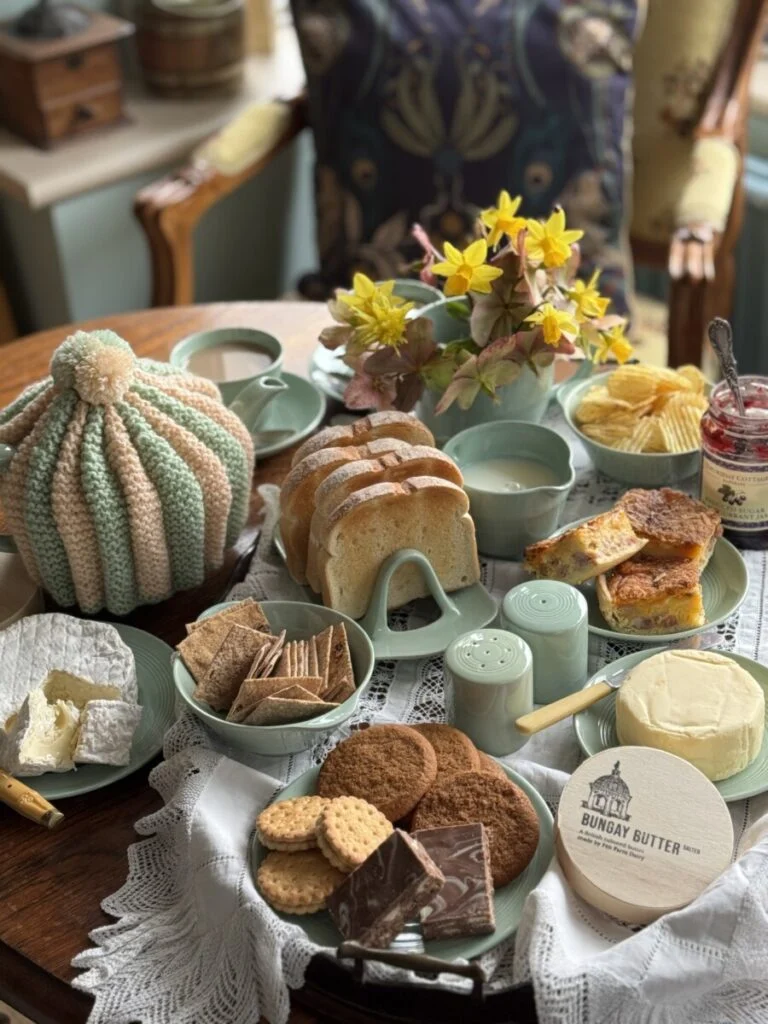
As Mothering Sunday approaches in the United Kingdom, set for March 15, 2026, home kitchens across the nation are poised to celebrate maternal figures with a cherished tradition: homemade culinary delights. This year, renowned food writer Karen Burns-Booth of Lavender & Lovage has curated a special collection of spring-inspired recipes, many of which carry a profound personal touch, being cherished dishes from her late mother’s own recipe book. The compilation offers an inviting array of options, from indulgent breakfast-in-bed ideas to an exquisite selection of cakes, scones, tea loaves, and vintage tea room treats, all designed to make the day memorable and heartfelt. This culinary tribute underscores the enduring connection between food, family, and the celebration of mothers, grandmothers, and maternal figures who enrich lives.

The Historical Tapestry of Mothering Sunday

The observance of Mothering Sunday in the UK boasts a rich history distinct from its American counterpart, Mother’s Day. Originating in the 16th century, Mothering Sunday was a significant Christian festival falling on the fourth Sunday of Lent. It was traditionally a day when people would return to their "mother church" – the main church or cathedral of their area or the church where they were baptised. This pilgrimage often brought together families who had been separated, particularly domestic servants who were granted a rare day off to visit their families and attend their home church. As they journeyed, children would often pick wildflowers to present to their mothers as a gesture of love and appreciation.

A culinary hallmark of this historical observance was the Simnel cake, a rich fruitcake traditionally eaten during Lent and often associated with Mothering Sunday. The cake, adorned with eleven marzipan balls representing the twelve apostles (excluding Judas), served as a permissible indulgence during the Lenten fast. This tradition highlighted a day of respite and reunion, a brief pause from the solemnity of Lent to acknowledge family bonds. Over centuries, while the religious connotations waned, the essence of family celebration persisted.

The modern iteration of Mothering Sunday in the UK has, to some extent, converged with the commercialized American Mother’s Day, founded by Anna Jarvis in the early 20th century as a day to honour mothers and motherhood. This convergence has brought a stronger emphasis on gift-giving, cards, and special meals, transforming the quiet Lenten tradition into a broader secular celebration. However, the spirit of homemade gestures and familial gatherings remains central to the British observance, a sentiment beautifully captured in Burns-Booth’s collection. The emphasis on spring recipes is particularly fitting, as the season symbolizes renewal, fresh beginnings, and the blossoming of life, mirroring the nurturing essence of motherhood.

A Culinary Journey for Maternal Appreciation

Karen Burns-Booth’s carefully selected recipes offer a diverse palette for celebrating Mothering Sunday, blending nostalgic charm with the fresh vibrancy of spring ingredients. The collection is structured to provide inspiration for various celebratory moments throughout the day.

Breakfast and Brunch: Starting the Day with Love

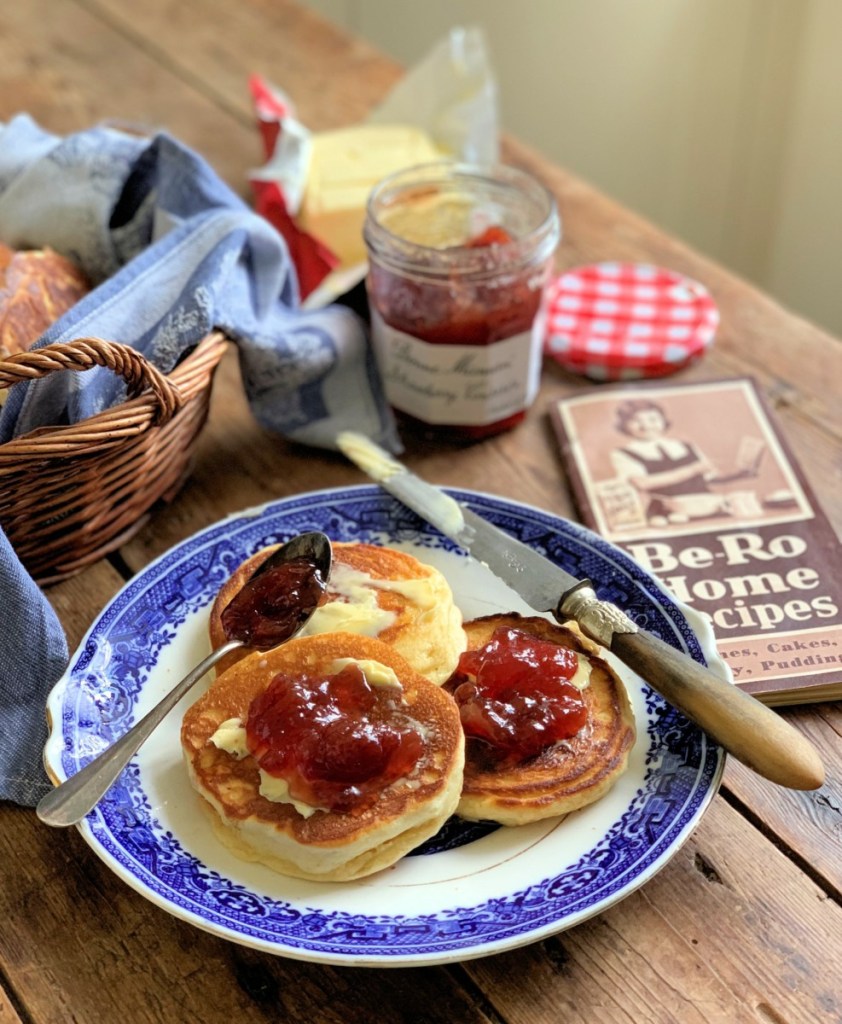
The tradition of breakfast in bed on Mothering Sunday is a cherished ritual, offering a gentle start to a day of appreciation. It’s an intimate gesture that transforms a mundane morning meal into an act of tender service. Burns-Booth’s suggestions elevate this experience with thoughtful, yet achievable, dishes. Imagine presenting a "Smoked Salmon Egg in a Basket," a sophisticated twist on a classic, combining the richness of salmon with perfectly cooked eggs nestled in toasted bread. For those who prefer a lighter, sweeter start, "Drop Scones (Scotch Pancakes)" offer fluffy pancakes, easily made and customizable with fresh spring berries like strawberries or raspberries, a drizzle of maple syrup, or a dollop of clotted cream.

More novel and convenient options include the "Egg in a Cup" or a "Microwave Omelette in a Mug," perfect for younger cooks eager to contribute or for a quick, comforting meal. The "Egg in a Nest (Egg in a Hole)" provides a playful yet satisfying dish, where an egg is cooked within a hole cut from a slice of bread. These breakfast recipes, while seemingly simple, carry immense weight in their execution, symbolizing effort and care. The use of fresh, seasonal ingredients such as asparagus, chives, or new potatoes, if incorporated into omelettes or sides, further enhances the spring theme, providing bright flavours that awaken the palate.

Afternoon Tea: A Timeless Tradition of Elegance

Afternoon tea holds a venerable place in British culinary culture, embodying grace and refinement. For Mothering Sunday, it transforms into a delightful ritual, offering a leisurely opportunity for conversation and indulgence. Burns-Booth’s collection heavily features elements central to a quintessential afternoon tea spread: an array of cakes, delicate scones, and wholesome tea loaves.

The presentation of afternoon tea is as important as the food itself. Tiered stands laden with meticulously arranged treats create an aesthetic feast. Delicate finger sandwiches with spring fillings like cucumber and mint, or egg and cress, would perfectly complement the sweet offerings. The act of sharing tea, pouring from an elegant pot, and selecting from a variety of homemade pastries fosters a sense of togetherness and occasion.

Cakes and Sweet Treats: The Heart of the Celebration

Cakes are often the centrepiece of any celebration, and Mothering Sunday is no exception. Burns-Booth’s selection ranges from historically significant bakes to charming individual portions. The aforementioned "Simnel Cake" not only provides a delicious, fruit-laden option but also connects the celebration to its ancient roots, offering a slice of history alongside its rich flavour. For chocolate lovers, the "Old-Fashioned Milk Chocolate Cake" promises classic comfort and indulgence.

Spring flavours shine through in recipes like "Lemon & Elderflower Cake with Raspberries," a vibrant combination that evokes garden blooms and warmer days. Individual "Lemon Curd Fairy Cakes" and "Vanilla Butterfly Cakes" are particularly appealing for their dainty presentation and ease of serving, making them perfect for an afternoon tea setting or as small, thoughtful gifts. The collection also includes unique heritage recipes such as "Queen Cakes for Mothering Sunday," "Old-Fashioned Almond Rice Cakes," "Cherry Bakewell Fairy Cakes," "Strawberries & Cream Midsummer Fairy Cakes," and "Princess Elizabeth Cakes," each offering a distinct flavour profile and a touch of historical intrigue. These smaller cakes and tarts allow for a diverse offering, catering to different preferences and encouraging guests to sample a variety of homemade treats.

Scones and Tea Loaves: Comfort and Heritage

No British afternoon tea is complete without scones, and Burns-Booth offers classic renditions that promise light, fluffy perfection. Recipes like "Be-Ro Victoria Scones" and "Buckingham Palace Fruit Scones" suggest a benchmark of quality, implying traditional methods and trusted results. Served warm with clotted cream and strawberry jam, they represent a simple yet profound pleasure, a cornerstone of British baking.

Tea loaves, often simpler than cakes, are celebrated for their moist texture and ability to be enjoyed over several days, making them ideal for leisurely mornings or afternoon snacks. The "Fruit and Cherry Afternoon Tea Cake" and "Sticky Marmalade Tea Loaf" offer comforting fruit-filled options, while the "Old-Fashioned Ovaltine Tea Loaf" and "Old-Fashioned Malt Loaf" tap into nostalgic flavours that might remind many of childhood. For those seeking something with a bit more spice, the "Quick and Easy Spice Cake (Tea Loaf)" and "Stem Ginger & Golden Syrup Tea Loaf" provide warm, aromatic notes perfect for a spring afternoon. These loaves are not just food; they are an invitation to slow down, enjoy a cup of tea, and savour the moment.

Vintage Tea Room Delights: A Glimpse into the Past

The inclusion of "Vintage Tea Room Recipes" is a particularly charming aspect of this collection. These recipes, such as "Old-Fashioned ‘Tea Room’ Custard Tarts," "Chocolate Teatime Tiffin," and "Traditional Banbury Cakes," transport one back to an era of genteel hospitality and classic baking. "Old-Fashioned Tea Cake Squares" further contribute to this nostalgic theme, evoking the comforting simplicity of past generations’ baking. These recipes are more than just food; they are edible artefacts, preserving culinary history and offering a taste of tradition. They speak to a time when baking was an everyday art, and the local tea room was a social hub, a concept that resonates strongly with the spirit of family and community inherent in Mothering Sunday.

The Broader Impact: Culture, Economy, and Connection

The annual observance of Mothering Sunday, or Mother’s Day, has a significant cultural and economic footprint. Beyond the personal gestures of love, it drives substantial consumer spending, particularly within the food and hospitality sectors. Industry analysts in the UK consistently report a surge in purchases of fresh produce, baking ingredients, specialty teas, and floral arrangements in the weeks leading up to the holiday. Data from previous years indicates that UK consumers spend hundreds of millions of pounds on gifts, cards, and celebratory meals, making it one of the largest retail events outside of Christmas and Easter. Restaurants and cafes often create special Mother’s Day menus, ranging from lavish brunches to elegant afternoon teas, catering to those who opt for dining out.

However, the trend towards home baking and cooking for special occasions has seen a resurgence, especially in recent years. This shift reflects a desire for more personalized, meaningful celebrations, where the act of preparing food becomes an integral part of expressing affection. For many, a homemade cake or a specially prepared breakfast holds more sentimental value than a store-bought item. This benefits local markets, independent bakeries, and ingredient suppliers, creating a ripple effect through the food economy. Culinary experts often highlight the therapeutic aspects of baking and the joy derived from sharing homemade food, reinforcing its role in emotional well-being and family bonding. The creation of dishes, particularly those passed down through generations like Karen Burns-Booth’s mother’s recipes, reinforces familial ties and ensures that culinary heritage is preserved and celebrated.

A Lasting Legacy of Love and Flavor
Karen Burns-Booth’s collection for Mothering Sunday 2026 is more than just a list of recipes; it is an invitation to engage in a meaningful tradition, to connect with personal history, and to create new memories through the universal language of food. The blend of seasonal freshness, nostalgic charm, and the underlying theme of maternal love makes this compilation particularly poignant. In a world that often moves too fast, taking the time to bake a Simnel cake, prepare a special breakfast, or lay out an afternoon tea spread for a mother figure is a powerful act of gratitude and devotion. These culinary expressions reinforce the enduring legacy of love and flavour that defines Mothering Sunday, ensuring that the essence of this special day continues to nourish hearts and homes for generations to come.
