
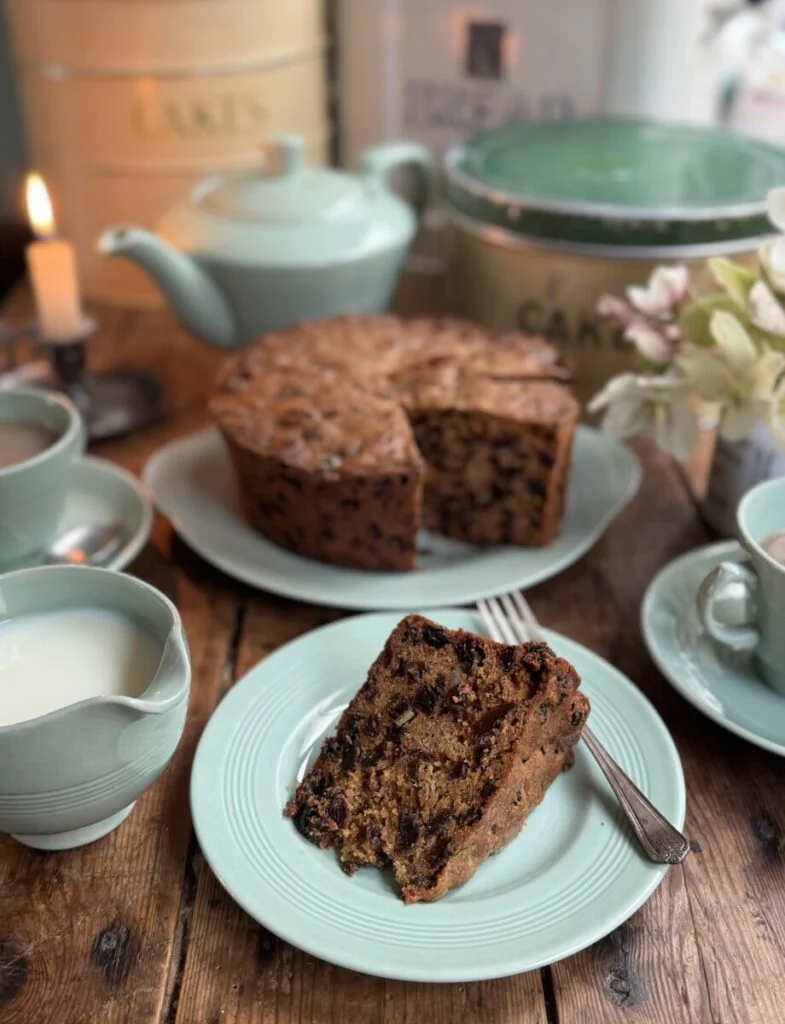
Karen Burns-Booth, the esteemed culinary chronicler behind Lavender and Lovage, has once again delved into the archives of British baking, presenting a refined adaptation of a classic "Family Fruit Cake" recipe from a 1950s Be-Ro cookbook. Published on February 20, 2026, this "Fruit and Cherry Afternoon Tea Cake" marries nostalgic charm with contemporary palates, offering a delightful addition to any teatime spread or a comforting treat for the family cake tin. The recipe, which originally featured as a staple in many British households, has been enhanced with glacé cherries and a more pronounced spice blend, promising a richer and fruitier experience for modern bakers and diners alike.

The Enduring Legacy of Be-Ro Cookbooks in British Kitchens
The original "Family Fruit Cake" hails from the pages of a 1950s Be-Ro cookbook, a series of culinary guides that played an instrumental role in shaping British home baking throughout the 20th century. Be-Ro, a brand synonymous with flour, began publishing its popular recipe books in 1923, quickly establishing them as indispensable resources for generations of cooks. These compact, often spiral-bound, cookbooks were renowned for their straightforward instructions, reliable recipes, and affordability, making baking accessible to a wide demographic. In post-war Britain, when rationing had only recently ended and frugality remained a common practice, Be-Ro cookbooks provided practical and economical ways to create nourishing and enjoyable meals and treats. They became cultural touchstones, often passed down through families, with well-loved pages stained and annotated, testaments to countless hours spent in the kitchen.

The "Family Fruit Cake" from the 1950s edition exemplified the era’s culinary ethos: wholesome, hearty, and designed to feed a household. These recipes often relied on readily available ingredients and robust techniques that guaranteed success even for novice bakers. The longevity of Be-Ro’s influence is evident in the continued affection for these vintage books, which are now treasured relics representing a significant chapter in British social and culinary history. The brand’s commitment to simple, reliable baking fostered a nation of home bakers and instilled a foundational understanding of classic British fare.
Karen Burns-Booth’s Modern Adaptation: A Homage to Heritage

Karen Burns-Booth, known for her dedication to preserving and reinterpreting historical recipes, took the foundational "Family Fruit Cake" and infused it with her signature flair. Her primary adaptation involved the addition of glacé cherries, a popular ingredient in British baking that contributes both sweetness and a vibrant visual appeal. This modification not only enhances the fruitiness but also adds a chewy texture, elevating the cake from a simple fruit cake to a more indulgent "Fruit and Cherry Afternoon Tea Cake." Furthermore, Burns-Booth opted to double the amount of mixed spice, increasing it from the original half teaspoon to a full teaspoon. This subtle yet impactful change deepens the cake’s aromatic profile, introducing a warmer, more complex flavour that resonates well with contemporary tastes for well-spiced bakes.
Burns-Booth’s approach reflects a broader trend in culinary circles: the respectful adaptation of heritage recipes to suit modern preferences without sacrificing their intrinsic character. By retaining the core structure and spirit of the 1950s original while making judicious enhancements, she ensures the recipe remains relevant and appealing to a new generation of home bakers. Her blog, Lavender and Lovage, serves as a platform for this ongoing exploration of culinary history, where traditional dishes are celebrated and often reimagined through a lens of informed creativity. This particular cake, she notes, was met with enthusiastic approval when served as part of her regular "Sunday Tea Tray" tradition, highlighting its universal appeal.

The Quintessential British Afternoon Tea Tradition
The "Fruit and Cherry Afternoon Tea Cake" finds its perfect home within the beloved British tradition of afternoon tea. Originating in the mid-19th century, afternoon tea evolved as a social ritual, bridging the long gap between luncheon and dinner. Duchess Anna, the 7th Duchess of Bedford, is often credited with popularizing the custom, requesting a tray of tea, bread and butter, and cake to be brought to her room in the late afternoon. This private habit soon became a fashionable social event, moving from private boudoirs to drawing-rooms and eventually to grand hotels and tea houses across the country.

Afternoon tea typically comprises a tiered stand featuring an assortment of delicate sandwiches, scones with clotted cream and jam, and a selection of pastries and cakes. Fruit cake, with its rich, moist texture and satisfying sweetness, has always been a cornerstone of this repast. Its ability to pair beautifully with a cup of strong English breakfast tea or a more delicate Earl Grey makes it an ideal accompaniment. The inclusion of glacé cherries and a warming spice blend in Burns-Booth’s adaptation makes it particularly suited to the comforting and celebratory nature of afternoon tea, evoking a sense of heritage and refined indulgence. The tradition continues to thrive, with many seeking out authentic experiences that hark back to its elegant origins, making recipes like this fruit and cherry cake highly desirable.
Versatility Beyond the Teatime Table: A Cake for All Seasons

While perfectly suited for afternoon tea, Burns-Booth highlights the remarkable versatility of this fruit cake. She suggests its potential as a superb Christmas cake, a staple of festive celebrations in Britain. Traditionally, Christmas cakes are prepared several weeks in advance, allowing them to mature and absorb liberal "feedings" of spirits such as brandy, whisky, sherry, or rum. This process not only enhances the flavour and moisture but also contributes to the cake’s longevity. The robust nature of this fruit cake recipe makes it an excellent candidate for such treatment, promising a deeply flavoured and celebratory bake come December.
Beyond seasonal festivities, the cake is described as a "wonderful family cake for the cake tin," echoing its original designation in the Be-Ro cookbook. This speaks to its practicality as an everyday treat, designed to be kept on hand for unexpected guests, a quick snack, or a comforting dessert. The recommendation to enjoy it with a wedge of cheese – specifically Wensleydale or Cheshire – is a classic British pairing that offers a delightful contrast of sweet and savoury. This traditional combination, often enjoyed with a glass of port, further underscores the cake’s historical roots and its ability to transcend simple dessert status to become a more complex culinary experience.

Aesthetic Presentation: Serving on Vintage Woodsware Beryl China
Burns-Booth’s attention to detail extends beyond the recipe itself to its presentation. She chose to serve the "Fruit and Cherry Afternoon Tea Cake" on her vintage Woodsware Beryl china. This specific choice is not merely aesthetic but deeply symbolic, connecting the culinary creation to its historical context. Woodsware Beryl china, produced by Wood & Sons, was a popular choice in British households during the mid-20th century, the same era from which the original Be-Ro recipe originates. Its distinctive pastel green hue and classic design evoke a sense of nostalgic comfort and timeless elegance.

Using such period-appropriate tableware reinforces the narrative of culinary heritage that Burns-Booth so passionately explores. It transforms the act of serving cake into an experience, transporting diners back to a bygone era of simple pleasures and elegant domesticity. This deliberate pairing of food and presentation underscores the idea that dining is a multi-sensory event, where the visual and historical context can significantly enhance the enjoyment of the food. It also taps into the growing appreciation for vintage items and sustainable practices, where cherished objects are given new life and purpose.
Baking Science and Practical Notes for the Home Cook

The article provides crucial practical advice for achieving the best results with this fruit cake. A key recommendation is to use butter instead of margarine. This is not merely a preference but a matter of chemistry and flavour. Butter, with its higher fat content and complex flavour compounds, contributes significantly to the cake’s richness, moisture, and ability to keep well. Margarine, particularly older formulations, often contains more water and lacks the flavour depth of butter, resulting in a less luxurious and potentially drier cake. The choice of fat, therefore, directly impacts both the organoleptic qualities and the shelf-life of the finished product.
Regarding spices, Burns-Booth’s increase to one teaspoon of mixed spice from the original half teaspoon is a deliberate enhancement for a "more pronounced flavour." Mixed spice in the UK typically includes a blend of cinnamon, nutmeg, ginger, and cloves, offering a warm and fragrant profile that complements dried fruits beautifully. For the dried fruit component, the recipe suggests using currants or dried mixed fruit. Burns-Booth notes that if using pre-packaged dried mixed fruit in the UK, additional chopped peel is often unnecessary as it is typically already included in the blend. This practical tip helps prevent over-sweetening or an imbalance of textures, ensuring a harmonious final product. The cake’s excellent keeping qualities, particularly when made with butter, make it an ideal candidate for batch baking or preparing in advance.

Nutritional Profile and Dietary Considerations
The provided nutritional information offers a clear overview of the "Fruit and Cherry Afternoon Tea Cake" per serving, based on a yield of 12 servings. Each serving contains approximately 222 calories, 9g of total fat (with 2g saturated and 7g unsaturated), 35mg of cholesterol, and 17mg of sodium. Carbohydrates stand at 36g, including 2g of fiber and 31g of sugar, with 3g of protein.

This profile indicates a relatively energy-dense treat, characteristic of many traditional fruit cakes, which are often rich in dried fruits and fats. The sugar content, primarily from the dried fruits and added sugars, contributes to its role as an occasional indulgence rather than an everyday staple for those monitoring sugar intake. The fiber content, though modest, comes from the fruit. The use of butter, while contributing to flavour and texture, also impacts the saturated fat and cholesterol levels. For individuals with specific dietary requirements, these figures provide a basis for informed consumption. It’s important to remember that such traditional cakes are typically enjoyed in moderation as part of a balanced diet, offering a comforting and flavourful experience rather than a primary source of daily nutrients.
Broader Culinary Implications: The Revival of Heritage Baking

The publication of this adapted Be-Ro recipe by Karen Burns-Booth is more than just sharing a cake; it represents a significant facet of the broader culinary landscape: the resurgence of interest in heritage baking. In an era dominated by convenience foods and often fleeting trends, there is a growing appreciation for traditional techniques, time-tested recipes, and the stories they tell. Food bloggers and culinary historians like Burns-Booth play a crucial role in this revival, acting as custodians of culinary memory. They research, test, and adapt old recipes, making them accessible and appealing to contemporary audiences, thus preventing valuable culinary traditions from being lost.
This movement towards heritage baking is driven by several factors, including a desire for authenticity, a renewed focus on home cooking, and an interest in sustainable practices that value quality ingredients and reduce waste. It also speaks to a longing for comfort and connection in an increasingly fast-paced world. Sharing such recipes fosters a sense of community, encouraging dialogue about food history, family traditions, and the simple joys of baking. The "Fruit and Cherry Afternoon Tea Cake" is a testament to the enduring power of food to connect us to our past, to each other, and to the comforting rhythms of the kitchen.

Community Engagement and the Future of Shared Recipes
Karen Burns-Booth concludes her piece with an invitation for readers to engage, encouraging them to share their experiences if they make the "Family Cake." This emphasis on community interaction is a hallmark of modern food blogging and a vital component of preserving culinary traditions. By fostering a dialogue, Burns-Booth not only gathers feedback but also creates a shared experience around the recipe, allowing others to contribute to its ongoing story.

The act of making and sharing food is inherently communal, and platforms like Lavender and Lovage extend this ethos globally. The enthusiastic reception of such adaptations suggests a bright future for heritage recipes, where classic tastes are continuously reinterpreted and celebrated. As home baking continues to thrive, fueled by both necessity and pleasure, the role of detailed, well-researched, and lovingly adapted recipes like this Fruit and Cherry Afternoon Tea Cake will remain invaluable, ensuring that the culinary treasures of the past continue to enrich the tables of the future.
