
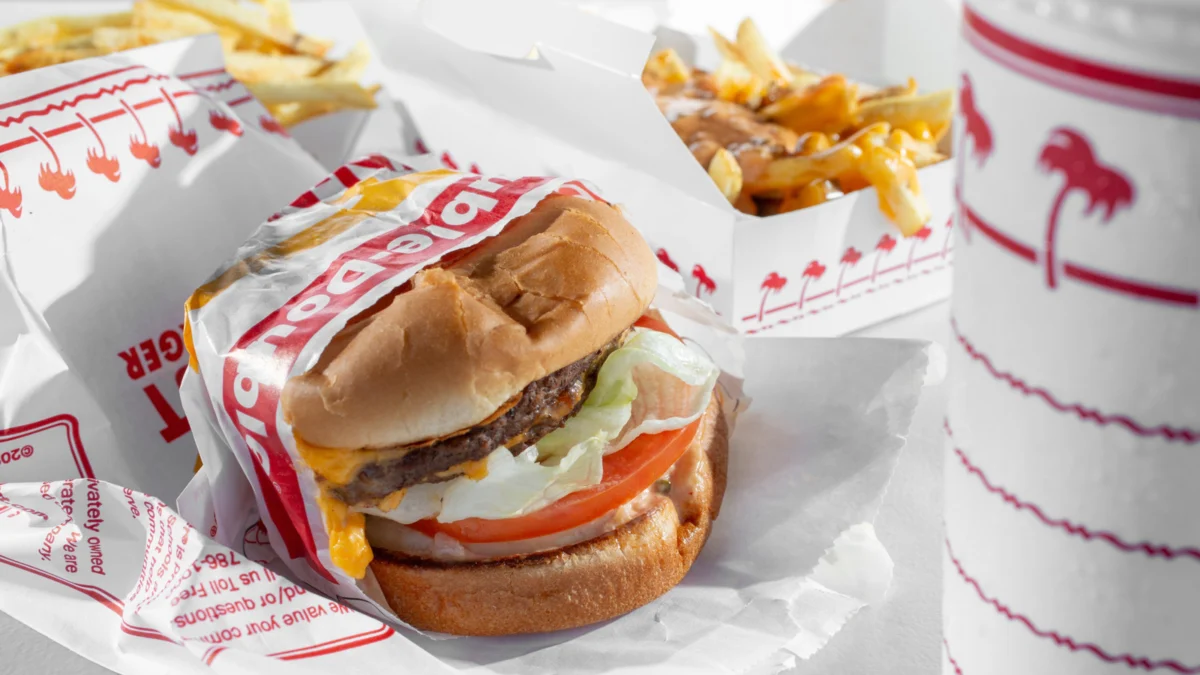
In the competitive landscape of Southern California’s fast-food scene, where iconic burger joints reign supreme, a name once whispered with the same reverence as In-N-Out is now a subject of nostalgic lament and critical disappointment. Baker’s Drive Thru, a regional chain with deep roots in the Inland Empire, is facing a stark reality: its former glory days, when it allegedly competed head-to-head with burger titans, have seemingly faded, leaving loyal patrons and former fans questioning the quality and direction of the establishment. The narrative of Baker’s Drive Thru is not merely a tale of a declining restaurant; it’s a chapter in the broader history of American fast food, intertwined with the very pioneers who shaped the industry.
Founded in 1952 by Neal T. Baker in San Bernardino, California, Baker’s Drive Thru emerged from a fertile ground for fast-food innovation. The region, often dubbed the "birthplace of fast food," was a crucible of entrepreneurial spirit, and Baker himself was a central figure in this burgeoning industry. His influence extended far beyond his own establishments. Historical accounts suggest that Baker played a pivotal role in the early development of the McDonald brothers’ restaurant empire, offering crucial advice and assistance during their nascent stages. Furthermore, his close friendship with Glen Bell, the founder of Taco Bell, led to Baker’s involvement in the early conceptualization of Bell’s iconic Mexican-inspired fast-food chain. The entrepreneurial web extended to other notable figures as well, with the founder of Wienerschnitzel reportedly honing his skills at Baker’s Burgers for a period. This interconnectedness highlights the collaborative and competitive environment that fostered the rapid growth and evolution of the fast-food model in Southern California.
Baker’s Drive Thru distinguished itself early on through a commitment to quality and innovation. Among its pioneering achievements was the development of the first "twin kitchen" concept, a revolutionary approach that allowed for the simultaneous preparation of diverse menu items, specifically burgers and tacos, under a single roof. This foresight in offering variety ahead of its time anticipated a trend that would become commonplace in the fast-food industry. Beyond its operational innovations, Baker’s also championed a more inclusive menu by being one of the first to offer a substantial vegetarian selection, catering to a growing segment of the population seeking alternatives to traditional meat-based offerings. This early recognition of diverse dietary preferences further solidified its reputation as a forward-thinking establishment.
A significant factor contributing to Baker’s regional focus and its status as a "hidden gem" was Baker’s personal philosophy and circumstances. He prioritized sourcing ingredients locally, a practice that fostered community ties and ensured freshness, aligning with a commitment to quality that resonated with customers. Concurrently, Baker’s well-documented fear of flying played a practical role in limiting the chain’s expansion beyond its established territories. This geographical constraint, while perhaps limiting national reach, allowed Baker’s to cultivate a devoted local following, particularly within the Inland Empire. Today, the chain operates 38 locations, a testament to its enduring presence, yet a stark contrast to the widespread recognition enjoyed by its former rivals.
The narrative of Baker’s decline is a recurring theme on online forums, most notably on Reddit, where former patrons and long-time residents of the Inland Empire share their evolving perceptions of the chain. Discussions frequently pinpoint a specific period, with some fans identifying 1996 as the zenith of Baker’s culinary prowess, while others cite 2003 as the peak of its operational excellence. These recollections paint a picture of an establishment that, at its best, was considered a formidable competitor to In-N-Out, a sentiment underscored by In-N-Out’s consistent top rankings in national fast-food surveys. The shift in perception, however, is palpable, with many lamenting a noticeable degradation in food quality and a concurrent increase in prices, leading to a widespread feeling of disillusionment.
The Transition in Leadership and its Perceived Impact
The perceived downturn in Baker’s Drive Thru’s fortunes is widely attributed by fans to a significant shift in leadership and operational philosophy following the passing of the founding couple. Despite the business remaining family-owned, the transition of power to a new generation, and specifically the appointment of Jason Talley, Neal Baker’s nephew, as CEO, is seen by many as the catalyst for the chain’s decline. This change, according to vocal patrons, marked the beginning of a "corporate" approach that diverged from the founder’s original vision and commitment to quality.
This period of transition was not without its internal turbulence. A protracted legal battle involving former CEO Joe Amlani, who alleged wrongful termination and sought severance pay, cast a shadow over the company’s management. The details of this legal dispute, documented in federal court filings, highlight the internal challenges faced by the leadership during this transitional phase. Such internal strife can often have ripple effects on operational consistency and employee morale, potentially contributing to broader issues within the company.
Evolving Menu and Customer Dissatisfaction
The repercussions of these leadership changes, according to numerous customer accounts, have manifested in tangible alterations to the menu and the overall dining experience. Specific grievances frequently cited by disgruntled patrons include the discontinuation of toasted buns, a seemingly minor detail that significantly impacts the texture and flavor of a burger. Furthermore, changes to tortilla recipes and the perceived decline in the quality of fries and chicken sandwiches have been recurring themes in online discussions. One particularly pointed complaint from a Reddit user articulated this sentiment vividly: "No more toasted buns, changed the tortillas, changed the fries, chicken sandwiches are cheap patties now." These detailed critiques suggest a deliberate shift away from what were once considered signature elements of the Baker’s experience.
The spicy ketchup, however, remains a point of contention and a glimmer of nostalgia for some. While its original formula may have been altered, it is still regarded by some as one of the chain’s redeeming qualities. This mixed reception highlights the challenge of maintaining brand identity and customer loyalty when core product elements undergo significant changes. Even for those who remain loyal, the commitment often involves considerable effort, with some patrons reportedly making long drives to patronize their nearest Baker’s location, a testament to the enduring, albeit diminished, pull of the brand.
Broader Implications and the Legacy of a Pioneer
The story of Baker’s Drive Thru serves as a case study in the complexities of family-owned businesses navigating generational transitions and the ever-evolving demands of the fast-food market. Neal T. Baker’s legacy as an innovator and a foundational figure in the fast-food industry is undeniable. His contributions to the development of major chains and his pioneering spirit in menu diversification and operational efficiency set a high bar. However, the current sentiment among many consumers suggests that this legacy is at risk of being overshadowed by a perceived decline in the very principles that defined Baker’s initial success.
The "empire that once was Baker’s," as one devastated Reddit user put it, encapsulates the widespread feeling of loss and disappointment. While the chain continues to operate and attract a dedicated, albeit diminishing, customer base, the consensus among many is that it has failed to maintain its competitive edge and uphold the quality that once placed it in the same conversation as In-N-Out. This narrative underscores the critical importance of consistent quality, customer-centric innovation, and strong brand stewardship in the highly competitive fast-food arena. The future of Baker’s Drive Thru will likely depend on its ability to address these criticisms and potentially recapture the essence of what made it a beloved regional institution, or risk fading further into the annals of fast-food history. The broader implication for the industry is a reminder that even deeply rooted and historically significant brands are not immune to the pressures of changing consumer expectations and the imperative to adapt without compromising core values.
