
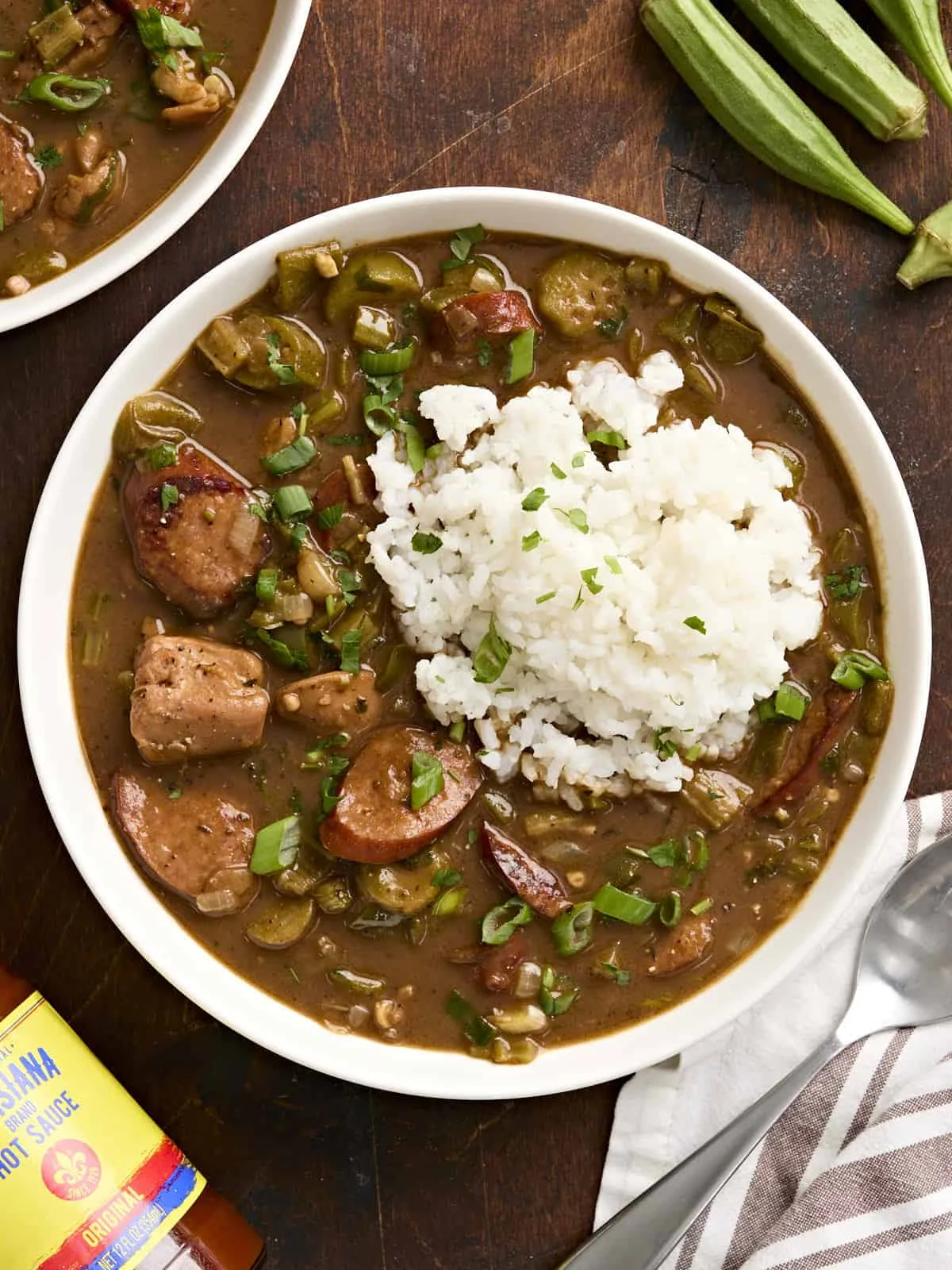
Gumbo represents more than just a culinary staple of the American South; it serves as a historical mosaic, reflecting the diverse cultural influences that shaped Louisiana over the last three centuries. A complex, long-simmering stew, gumbo is widely recognized as the official state dish of Louisiana, bridging African, French, Spanish, and Choctaw culinary traditions. While modern interpretations vary significantly from kitchen to kitchen, the core components—a dark, flour-and-fat-based roux, the "holy trinity" of vegetables, and a protein-rich broth—remain the foundation of its identity.
Historical Context and Culinary Evolution
The etymology of "gumbo" is commonly traced back to the West African word for okra, ki ngombo, which was introduced to the region by enslaved people who recognized the vegetable’s natural thickening properties. Over time, the dish evolved into a distinct fusion. The French contribution brought the roux, a technique adapted from French cuisine, while the Choctaw nation introduced filé powder (dried and ground sassafras leaves) as an alternative thickening agent.
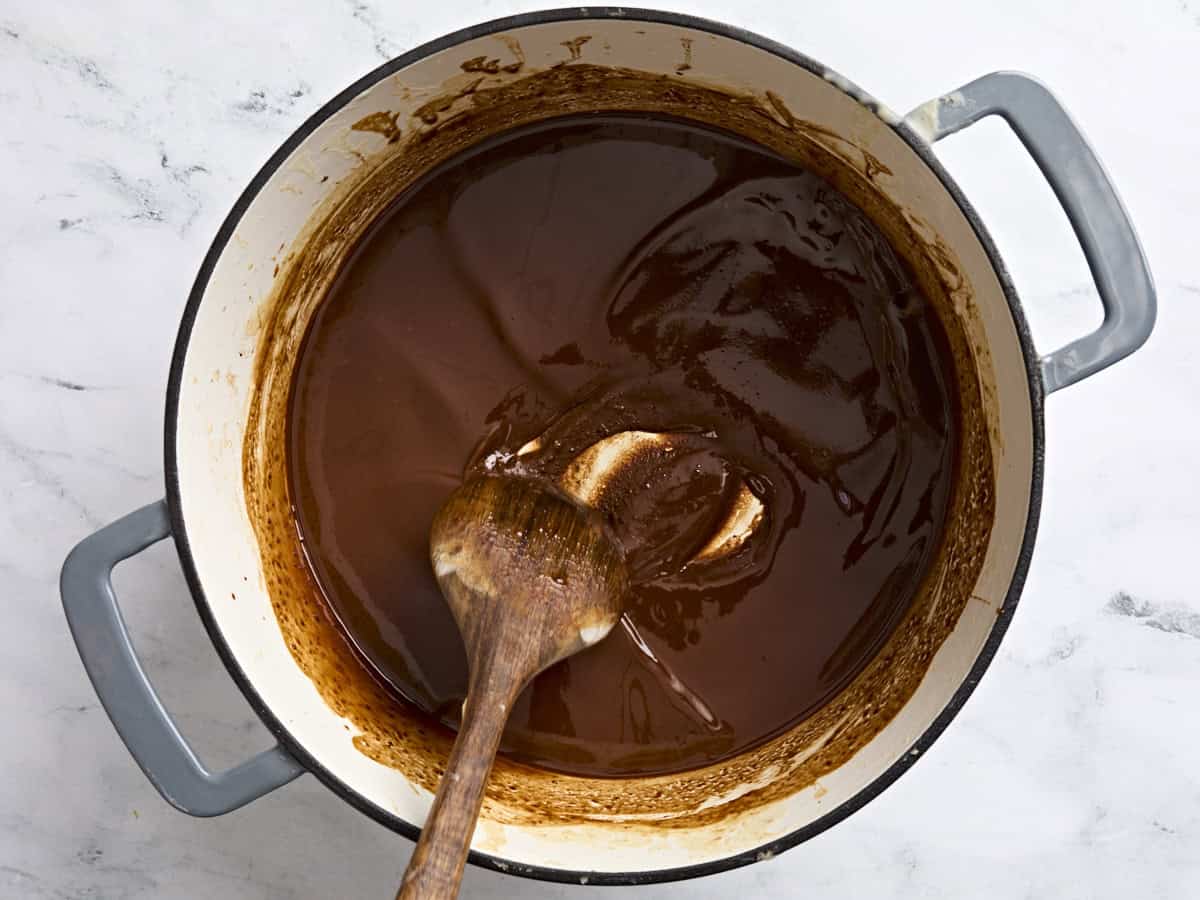
Today, the dish has moved from its historical roots in rural Louisiana to a global icon of Southern comfort food. The preparation of a traditional gumbo is viewed as a rite of passage for home cooks and professional chefs alike. The process is defined by patience, particularly concerning the roux, which must be slowly cooked to a deep, mahogany color to achieve the necessary depth of flavor without burning the flour.
The Anatomy of an Authentic Gumbo
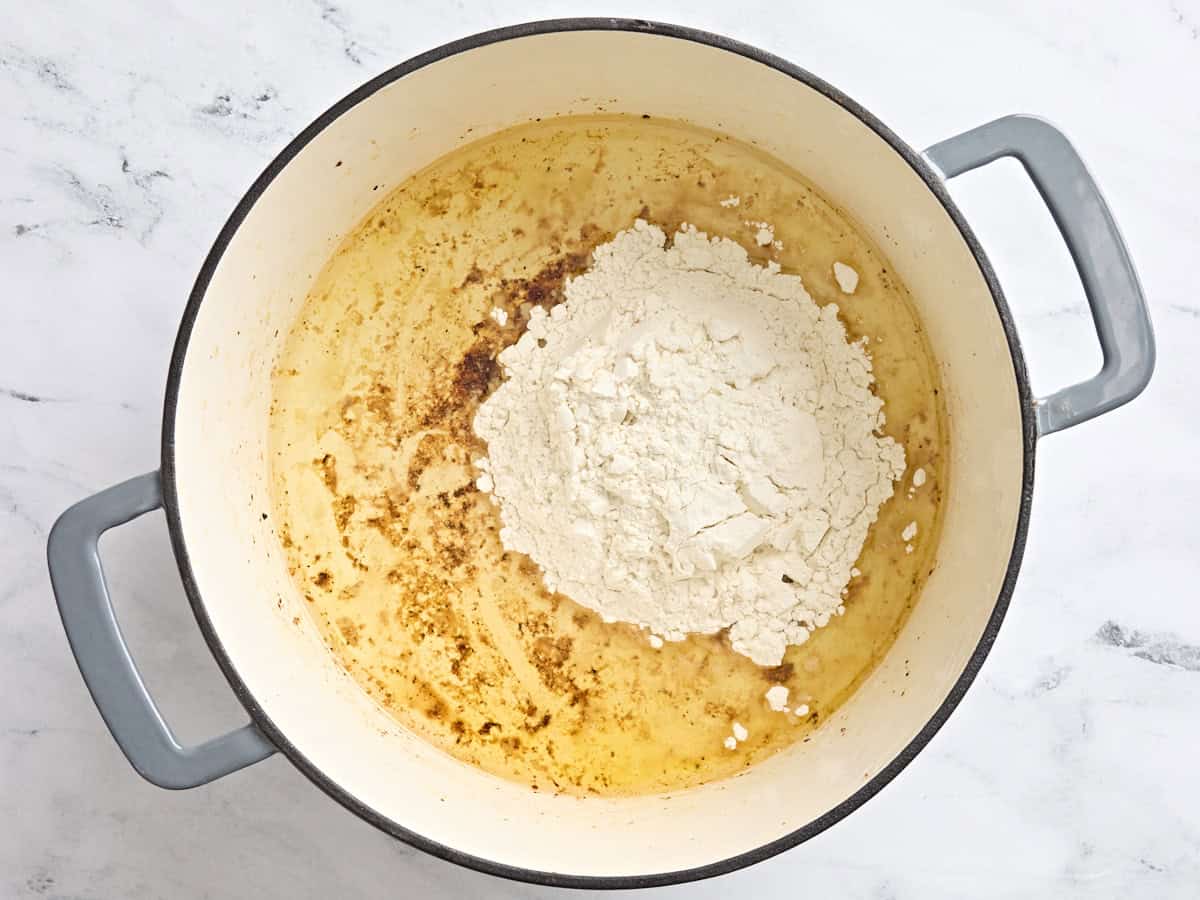
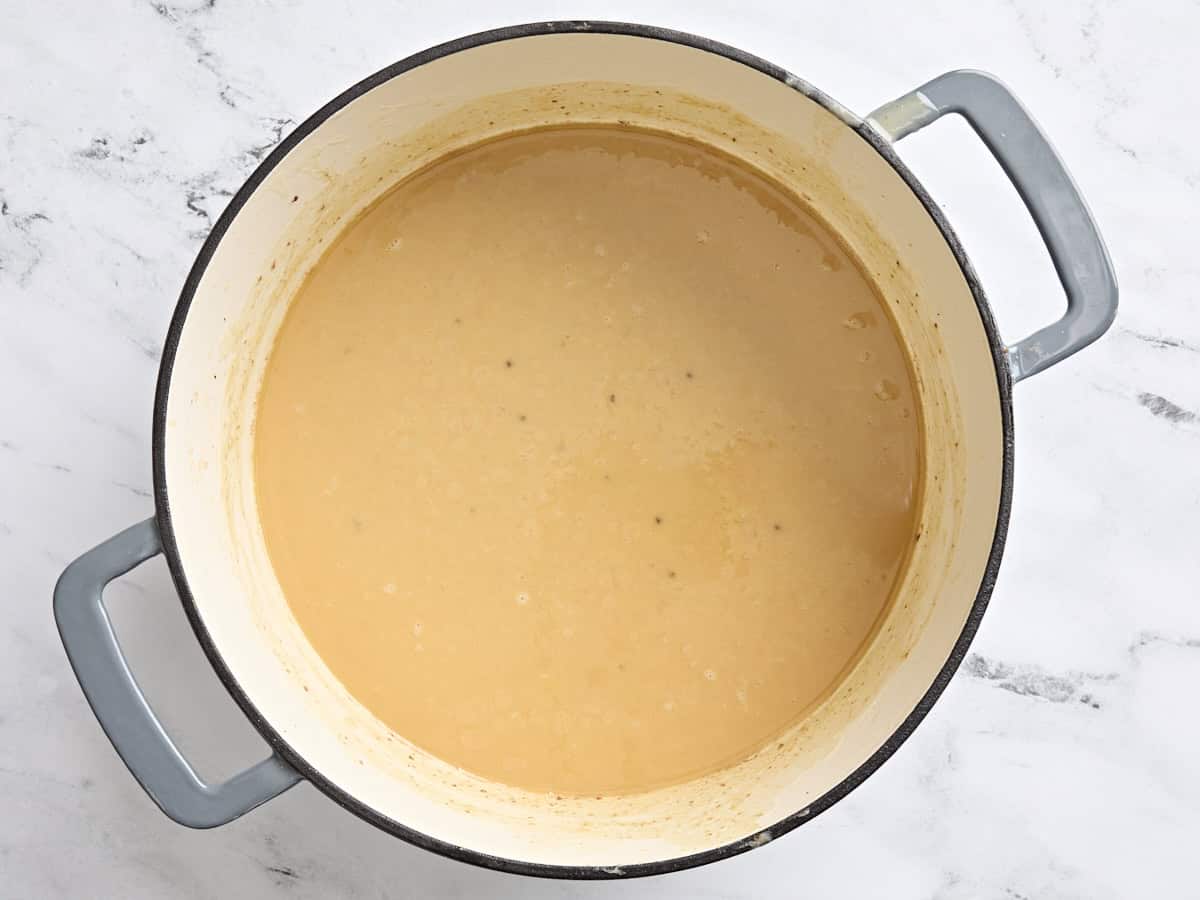
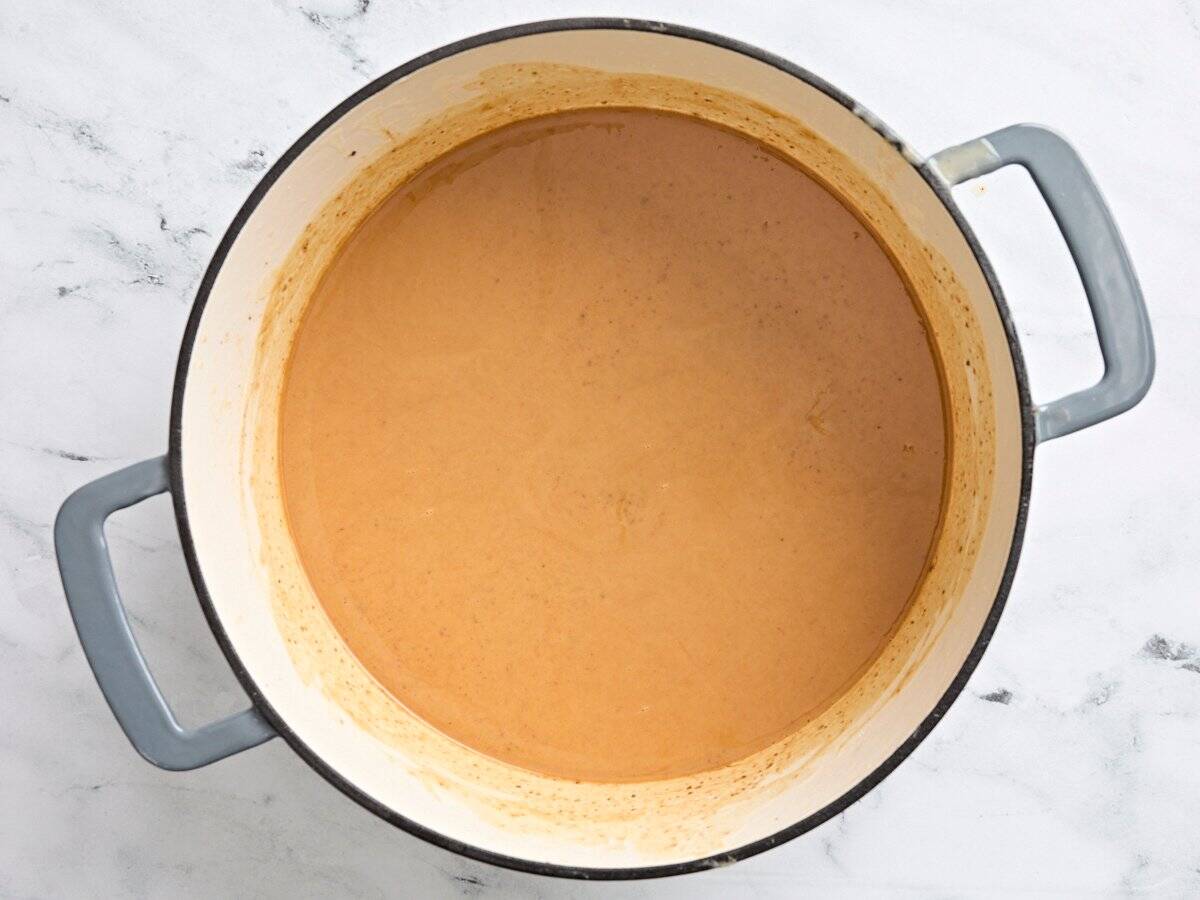
The technical success of a gumbo depends on the structural integrity of the roux. A roux is a mixture of equal parts fat and flour, cooked until it achieves a specific color. In the case of dark-brown gumbo, the flour undergoes the Maillard reaction, a chemical process that browns food and creates complex flavor profiles.
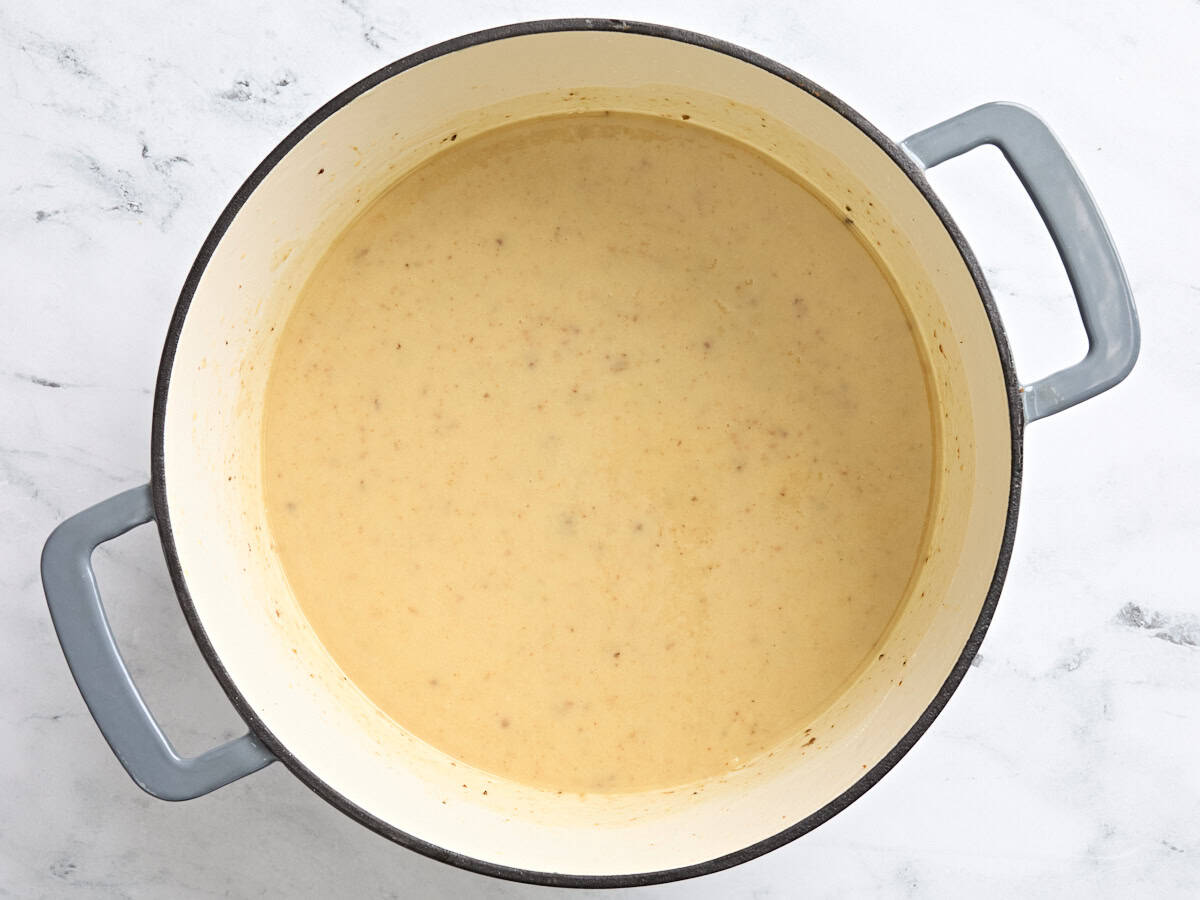
According to culinary experts, the timing of this process is critical. A light, "blonde" roux is suitable for lighter sauces, but a "chocolate-colored" or dark roux is essential for gumbo to provide the earthy, toasted flavor that balances the salt and spices of the meat. If the roux is scorched, the resulting stew will have a bitter, acrid taste that cannot be rectified, necessitating a full restart of the cooking process.
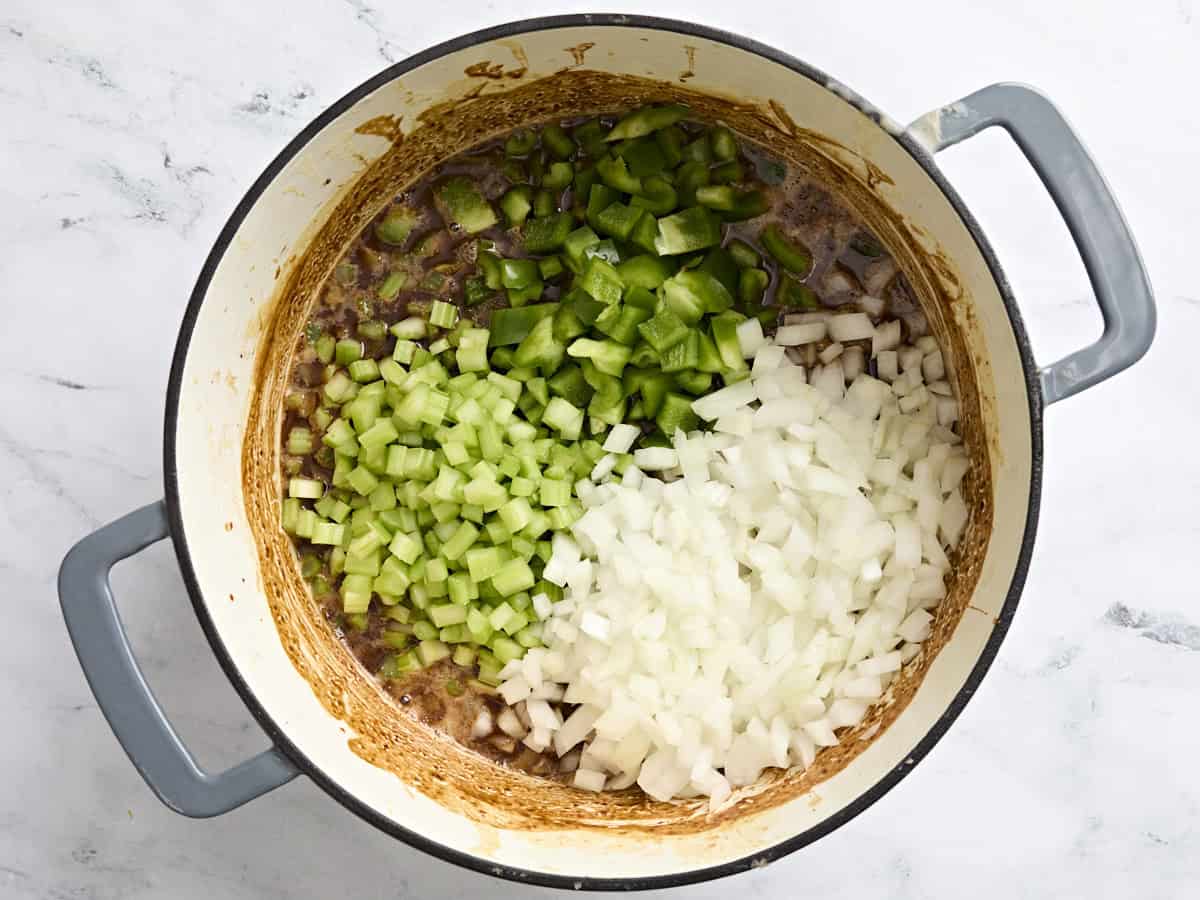
The "holy trinity"—a blend of diced green bell peppers, onions, and celery—acts as the aromatic base for the stew. This base is added only once the roux has reached its desired state, immediately arresting the cooking process and incorporating the moisture of the vegetables into the foundation of the dish.
Nutritional and Economic Data
When analyzed from a cost-per-serving perspective, gumbo is a highly efficient meal for large groups. Recent data from test kitchens indicates that a standard batch, serving approximately eight people, can be produced for approximately $15.06, bringing the cost per serving to roughly $1.88.
Nutritionally, the dish is dense in protein and complex carbohydrates. A typical 673-kcal serving includes approximately 27 grams of protein, 58 grams of carbohydrates, and 37 grams of fat. Because the dish is often served over white rice, it provides sustained energy, which aligns with its historical purpose as a hearty, laborers’ meal designed to support long hours of work in humid, demanding environments.
Chronology of Preparation
Achieving a high-quality result requires a structured, multi-phase approach. The process generally follows this timeline:
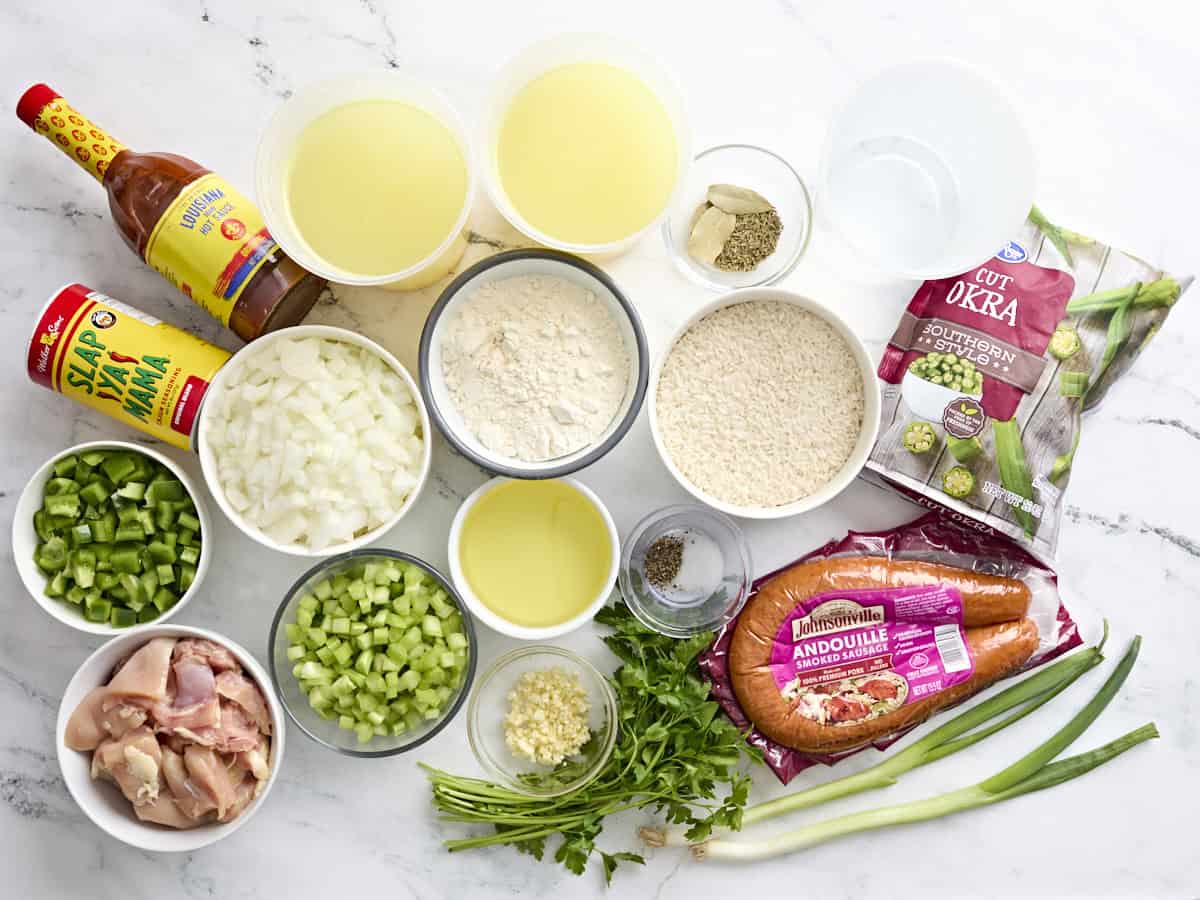
- Preparation (0:00–0:15): Gathering and chopping ingredients, including chicken thighs and andouille sausage.
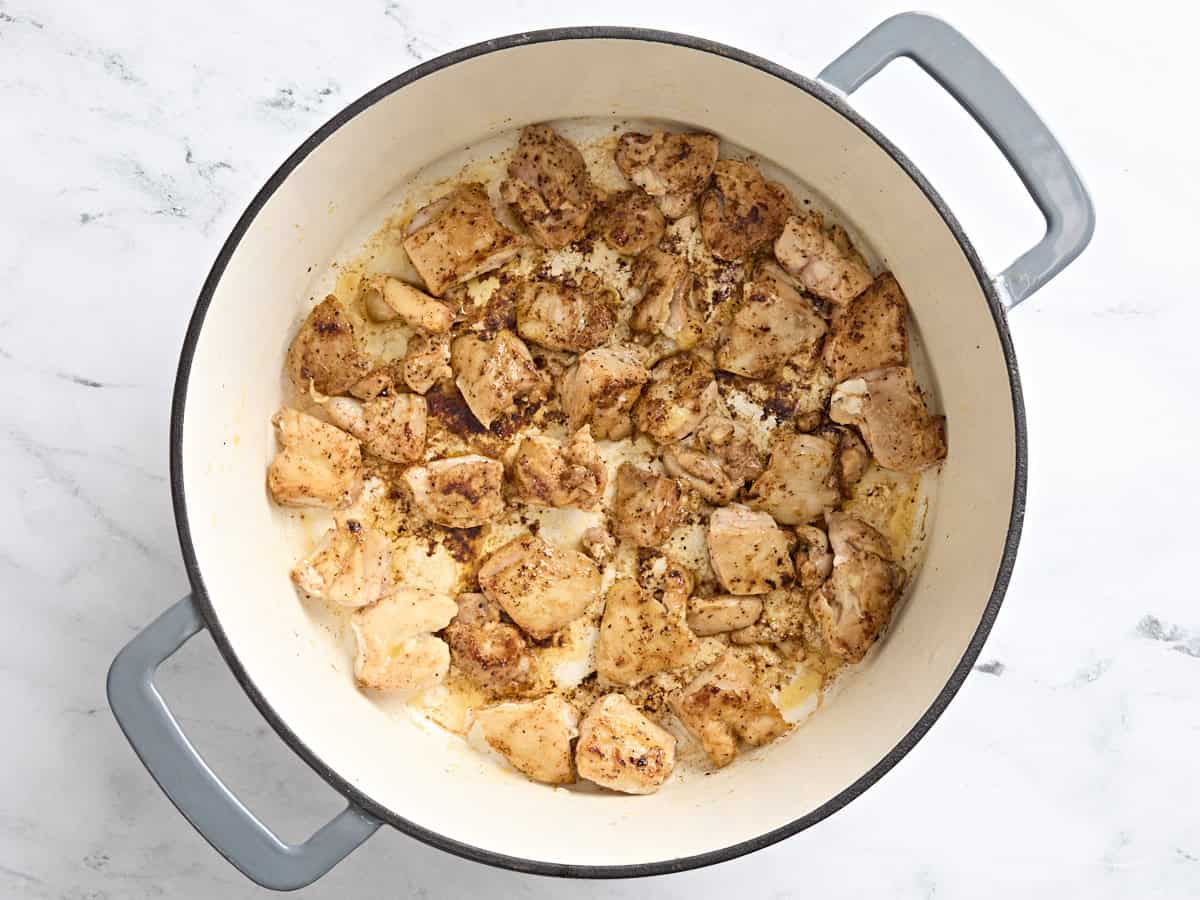
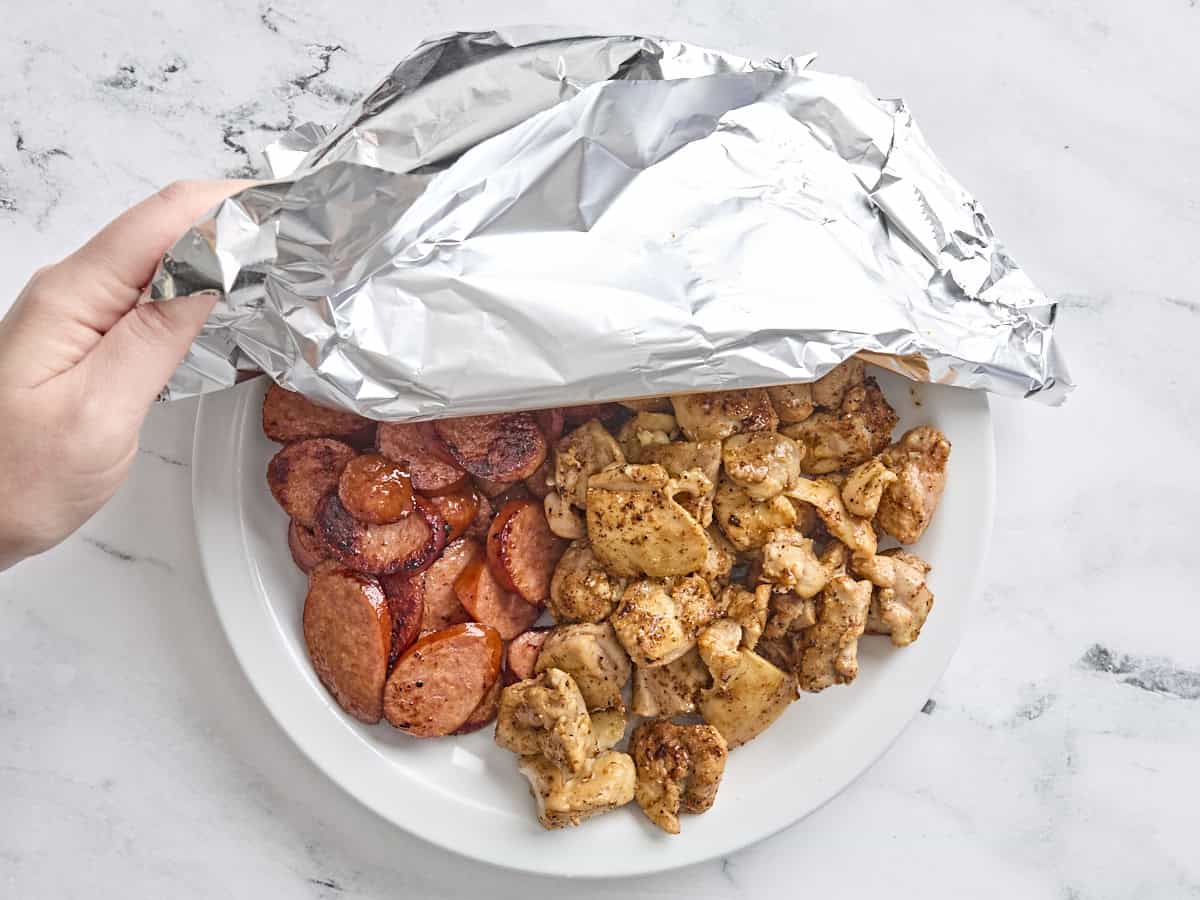
- Protein Searing (0:15–0:30): Browning the meats in a heavy-bottomed skillet or Dutch oven to build the foundation of the fond (the browned bits on the bottom of the pan).
- The Roux (0:30–2:30): The most labor-intensive phase. Maintaining constant movement of the flour and oil is essential. As the roux darkens, the risk of burning increases, requiring vigilant heat management.
- Aromatic Integration (2:30–2:45): Adding the holy trinity to the hot roux.
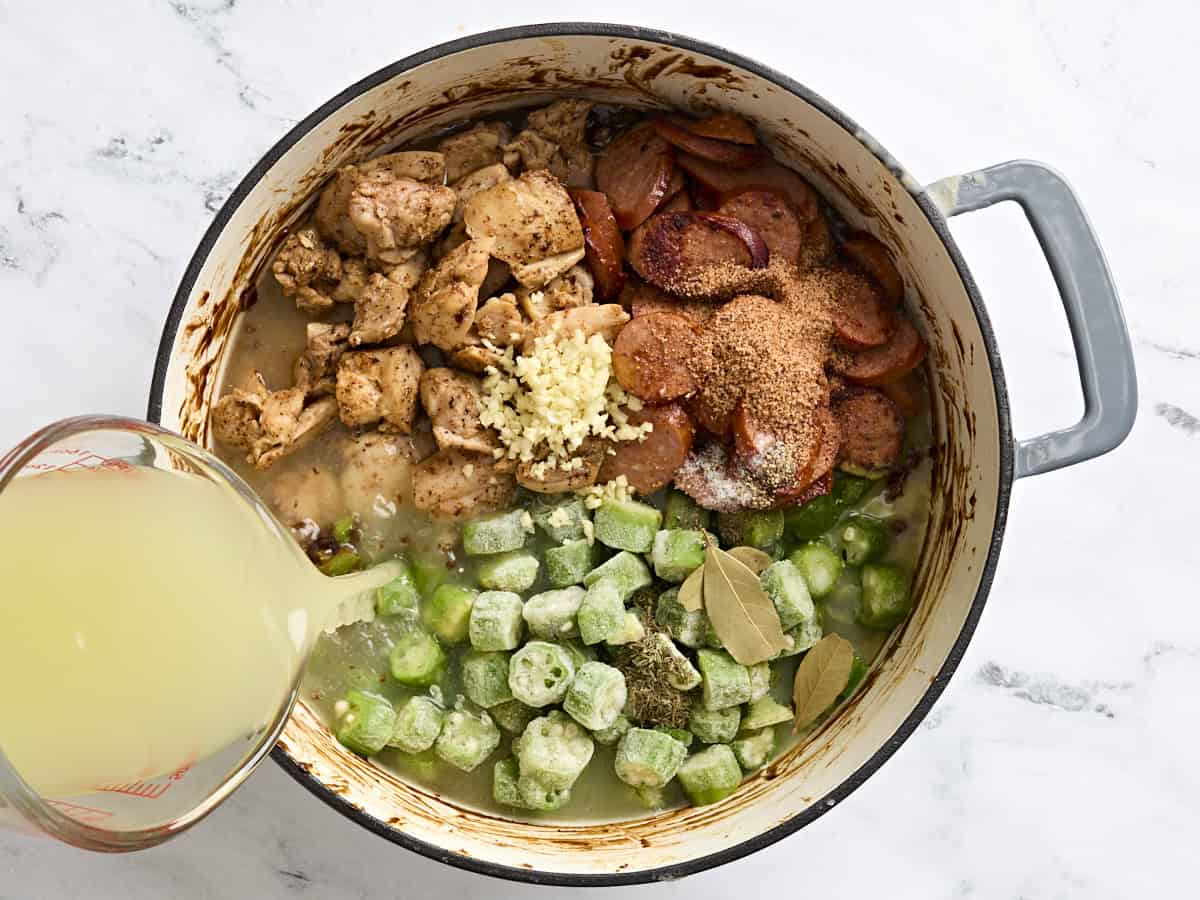
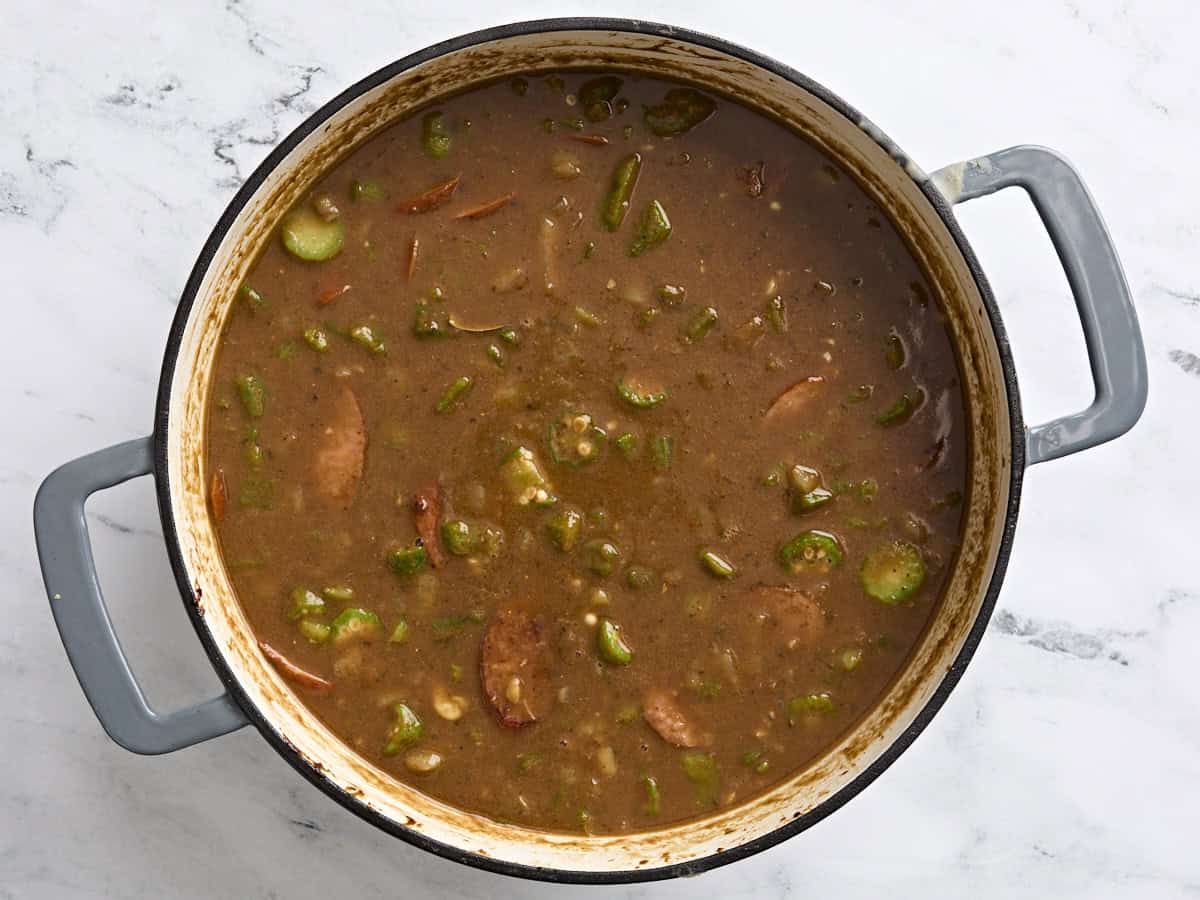
- Simmering (2:45–3:15): Adding liquid (broth), seasonings, and proteins. The stew is brought to a boil and then reduced to a simmer to allow the flavors to marry and the proteins to tenderize.
- Finishing (3:15–3:20): Adding fresh herbs, such as parsley and green onions, and hot sauce to adjust the final flavor profile.
The Role of Seasoning and Ingredients
The versatility of gumbo allows for significant customization. Many recipes utilize Creole or Cajun seasoning blends, which typically contain paprika, garlic powder, onion powder, cayenne pepper, oregano, and thyme. In the modern, budget-conscious kitchen, high-quality bouillon bases—such as "Better Than Bouillon"—are often substituted for homemade stocks to manage costs without sacrificing the savory, umami-rich flavor profile required for a successful stew.

Protein selection is another area of variation. While chicken and andouille are staples, the dish can be adapted to incorporate seafood, wild game, or even vegetarian alternatives. However, traditionalists argue that the combination of smoky andouille sausage and succulent chicken thighs provides the best balance of fat and texture.
Storage and Shelf Life
One of the defining characteristics of gumbo is its improved flavor profile after sitting. Many practitioners suggest that the dish tastes superior the day after it is prepared, as the spices and aromatic compounds have more time to permeate the meat and the roux-thickened broth.
For safety and longevity, the stew must be cooled to room temperature before being stored in airtight containers. It can be refrigerated for 3 to 4 days or frozen for up to three months. When reheating, it is recommended to bring the stew to a gentle boil on the stovetop rather than using a microwave, as this ensures even heating and prevents the separation of the roux and the oils.
Broader Impact and Cultural Implications
The rise of "home-chef" cooking content has led to a surge in interest regarding traditional American regional cuisines. Platforms that provide rigorous, test-kitchen-style documentation of these recipes help preserve techniques that might otherwise be lost to time. By demystifying the process—particularly the intimidating task of creating a dark roux—such resources empower home cooks to participate in a culinary heritage that is both accessible and deeply rooted in local identity.
The popularity of gumbo in contemporary cooking highlights a shift toward "slow food" practices. In an era of rapid, convenient meal preparation, the commitment to a three-hour stew-making process represents a conscious choice to prioritize quality and tradition. As more individuals adopt these methods, the regional nuances of Louisiana cooking continue to influence home kitchens across the country, ensuring that the legacy of the "holy trinity" and the dark roux remains a central pillar of American gastronomy.
