
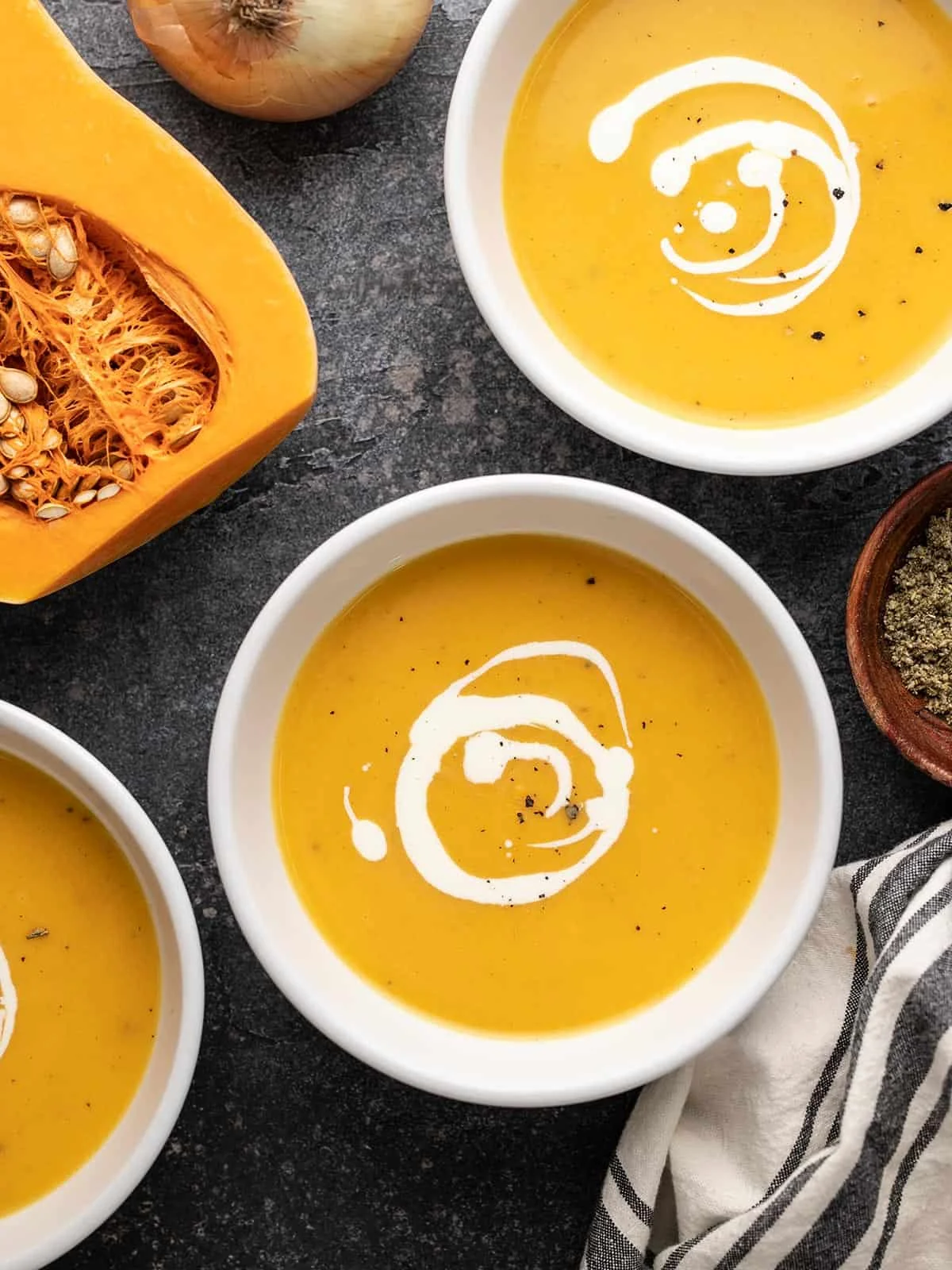
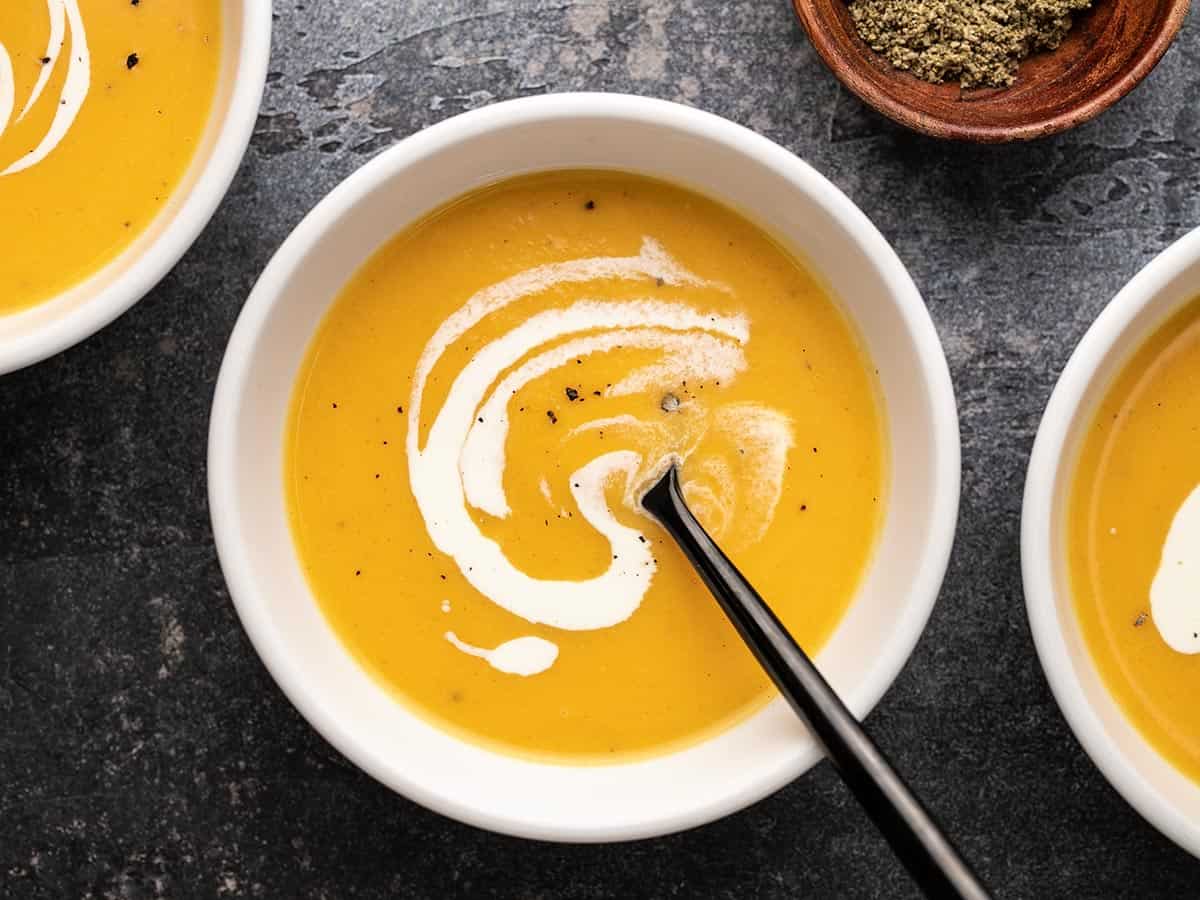
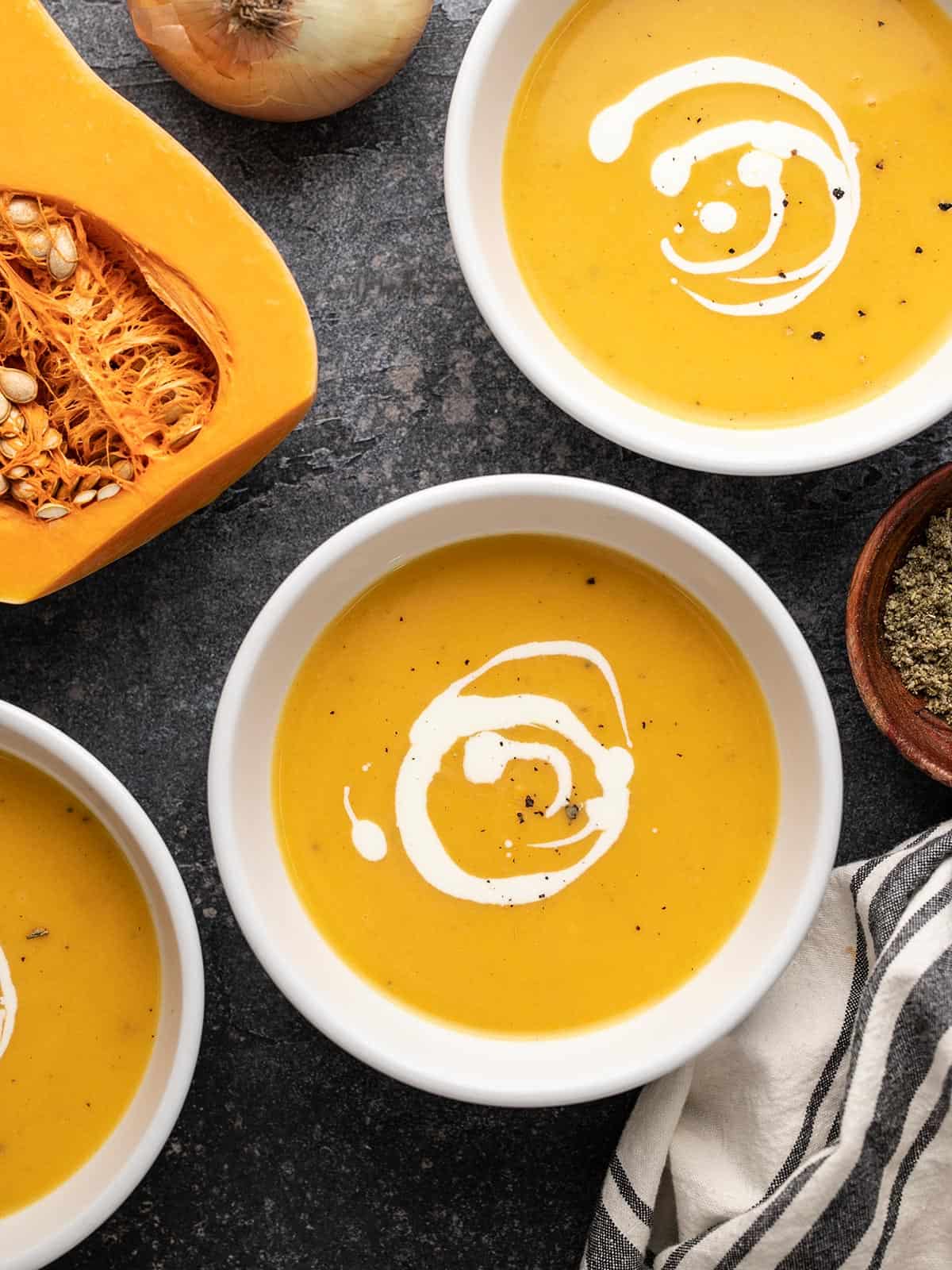
The transition into the cooler months of autumn and winter necessitates a strategic approach to food procurement and meal planning, particularly for households prioritizing both nutritional density and fiscal responsibility. Among the most versatile produce items available during this period is the butternut squash, a winter staple renowned for its extended shelf life and adaptability in various culinary applications. A primary method for utilizing this vegetable, which maximizes both flavor profile and cost efficiency, is the preparation of a roasted, blended soup. This culinary approach transforms raw, seasonal produce into a refined, nutrient-dense meal, maintaining a production cost of approximately $5.52 for a four-serving batch, effectively pricing the dish at $1.38 per portion.
Agricultural and Economic Context of Winter Squash
Butternut squash (Cucurbita moschata) serves as a cornerstone of late-season agricultural output. Due to its thick, protective rind, the vegetable possesses a natural durability that allows it to remain viable at room temperature for several weeks, provided it is stored in a cool, dry environment. This characteristic makes it an ideal commodity for budget-conscious consumers looking to mitigate food waste while maintaining a stock of fresh produce.
From a procurement perspective, the market price for butternut squash fluctuates based on seasonal harvest cycles, typically peaking in affordability during the autumn months. Economists and home economists alike often cite the "unit cost per serving" as a primary metric for determining the value of home-cooked meals. By leveraging raw ingredients—such as whole squash, onions, and broth—rather than purchasing pre-packaged or processed alternatives, households can realize significant savings. The $1.38-per-serving cost profile represents a substantial reduction compared to commercial equivalents, which often incorporate higher overhead costs for processing, packaging, and distribution.
The Methodology of Thermal Enhancement: Roasting vs. Boiling
While boiling or steaming vegetables is a common preparation method, culinary professionals and home test kitchens have identified roasting as a superior technique for flavor development in squash-based soups. The roasting process, typically conducted at temperatures near 400°F (204°C), initiates the Maillard reaction. This chemical reaction between amino acids and reducing sugars results in the browning of the vegetable, which introduces complex, nutty, and caramelized notes that are otherwise absent in boiled preparations.
The process of roasting onions alongside the squash serves as a critical step in building the soup’s flavor foundation. When combined with aromatics such as sage and nutmeg, the roasted vegetables provide a depth of flavor that allows for a minimalist seasoning profile. This approach reduces the reliance on excessive sodium, which is often used in processed food manufacturing to compensate for lack of natural ingredient quality.
Chronology of Preparation and Implementation
The standard preparation timeline for this dish is structured to ensure maximum efficiency in the kitchen.
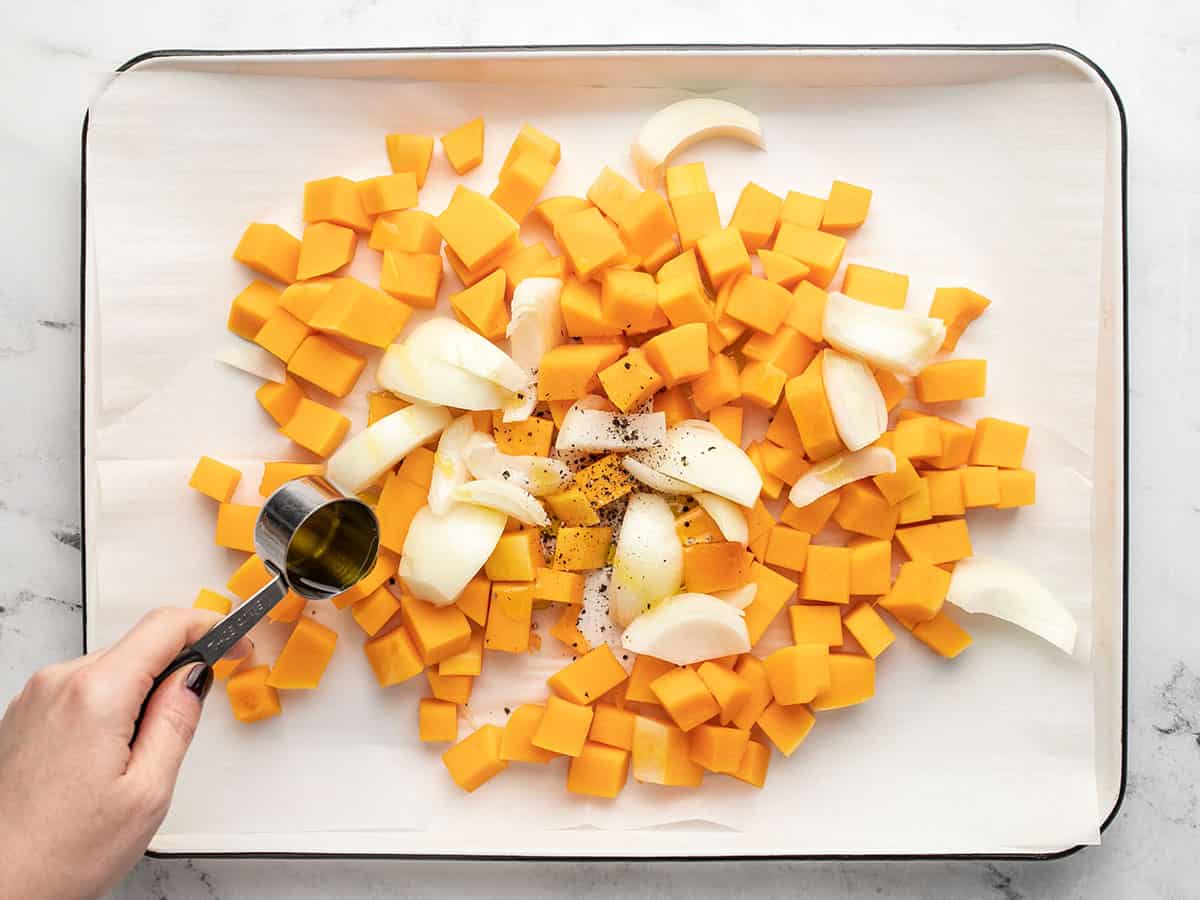
- Phase 1: Preparation (Minutes 0–10): The process begins with the structural breakdown of the squash. Proper techniques for peeling and cubing the fruit ensure even roasting times. Standardizing the cubes to approximately ½-inch segments allows for uniform heat penetration.
- Phase 2: Thermal Processing (Minutes 10–40): The squash and onions are placed on a parchment-lined sheet. A 30-minute roasting window is generally sufficient, though culinary guidelines suggest a mid-point stir at the 20-minute mark to ensure even browning.
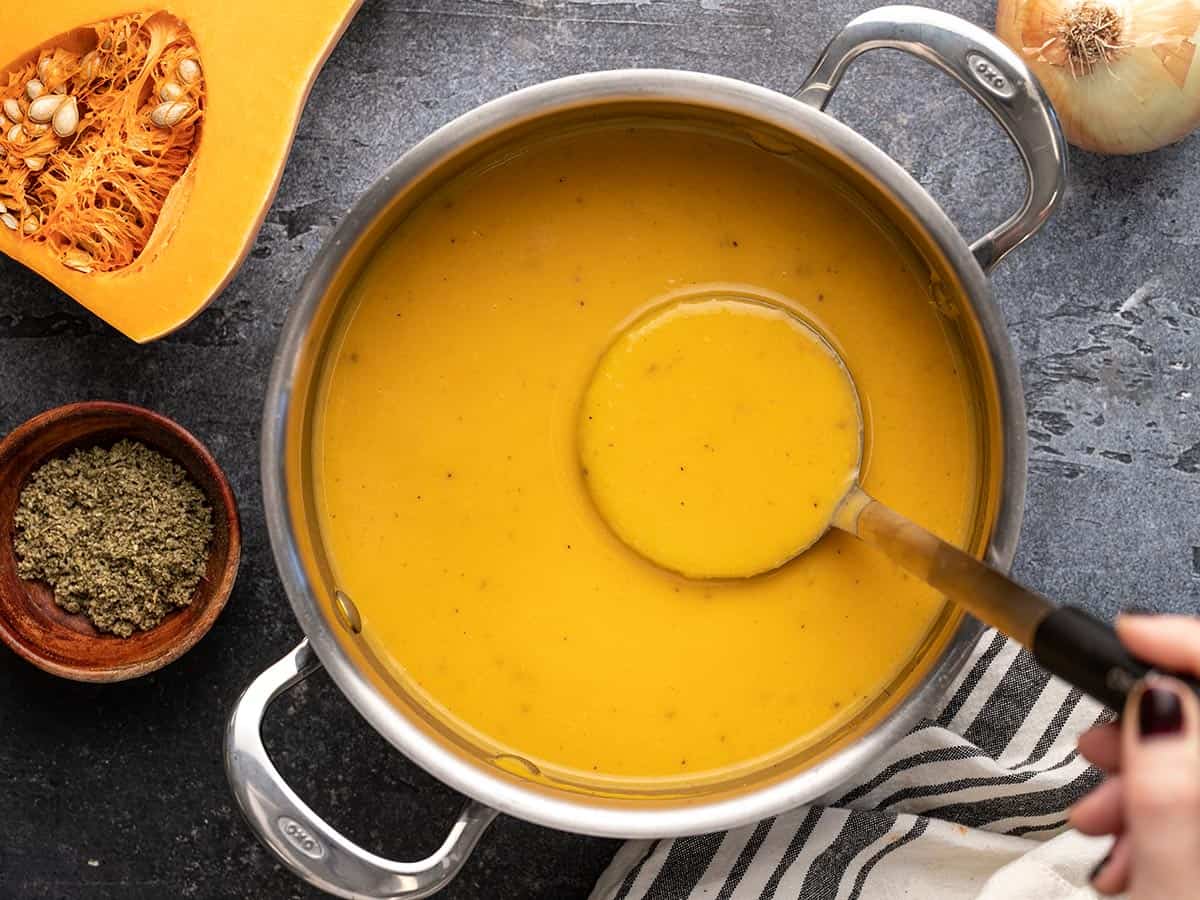
- Phase 3: Emulsification (Minutes 40–45): The roasted components are combined with a liquid base—typically chicken or vegetable broth—and processed until the mixture reaches a smooth, velvety consistency.
- Phase 4: Finishing (Minutes 45–55): The final stage involves incorporating heat-sensitive aromatics and a binding agent, such as heavy cream or a dairy-free alternative like full-fat coconut milk, to finalize the texture and flavor profile.
Nutritional Implications and Dietary Considerations
From a nutritional standpoint, butternut squash is a potent source of beta-carotene, which the body converts into Vitamin A. It also provides significant dietary fiber, potassium, and Vitamin C. When prepared as a soup, the caloric density can be moderated based on the choice of finishing agents.
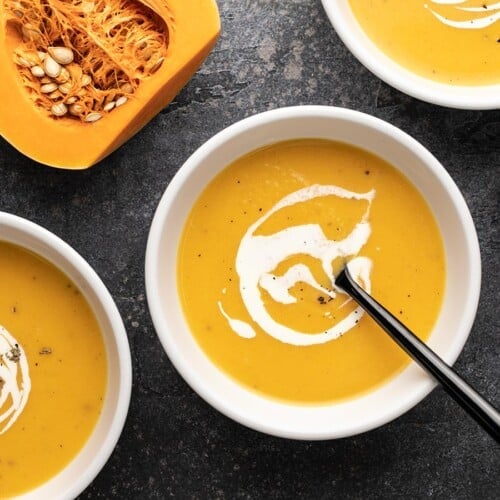
The inclusion of heavy cream increases the satiety index of the soup, making it a more substantial meal component. However, the recipe’s inherent flexibility allows for dairy-free and vegan adaptations. The substitution of heavy cream with full-fat coconut milk introduces a different fatty acid profile and a distinct flavor note, demonstrating that the recipe can be tailored to various dietary requirements without compromising the structural integrity of the final dish.
Data regarding the nutritional content of this specific preparation indicates approximately 287 calories per 1.25-cup serving, with 18 grams of fat and 5 grams of protein. While the sodium content may reach up to 818 mg, this is heavily dependent on the quality and salt content of the stock or broth utilized, highlighting the importance of consumer discretion in ingredient selection.
Industry Perspectives on Homemade Staples
Food scientists and test kitchen directors emphasize that the quality of the final product is inextricably linked to the quality of the base liquids. The use of "Better Than Bouillon" or high-quality artisanal stocks is frequently recommended to elevate the flavor profile of the soup. This underscores a broader trend in home cooking: the "chef’s kiss" quality of simple, whole-food recipes is often the result of using high-quality basic inputs rather than complex, synthetic flavor enhancers.
Furthermore, the integration of optional ingredients, such as roasted garlic, allows for an evolution of the recipe from a standard staple to a more sophisticated, savory dish. Roasting unpeeled garlic alongside the squash preserves the cloves, preventing bitterness while allowing the natural sugars to caramelize, thereby providing a mellow, umami-rich depth that complements the sweetness of the squash.

Future Outlook and Sustainability
The sustained interest in such recipes reflects a broader shift in consumer behavior toward sustainability and economic prudence. By choosing to cook seasonally and utilizing vegetables that store well, households can participate in a more resilient food system. The ability to batch-prepare and store such soups—which typically hold up well under refrigeration or freezing—further enhances the value proposition, providing a convenient "ready-to-eat" solution that competes with the time-saving benefits of fast food without the associated nutritional or financial costs.
In conclusion, the preparation of butternut squash soup is more than a mere culinary task; it is an exercise in resource management and nutritional optimization. As seasonal availability continues to dictate the most efficient path for home cooking, the reliance on high-durability, high-yield produce like butternut squash will likely remain a cornerstone of responsible and flavorful household management. The combination of precise roasting techniques, thoughtful ingredient selection, and a focus on cost-per-serving provides a template for sustainable dining that is both accessible and highly effective.
