
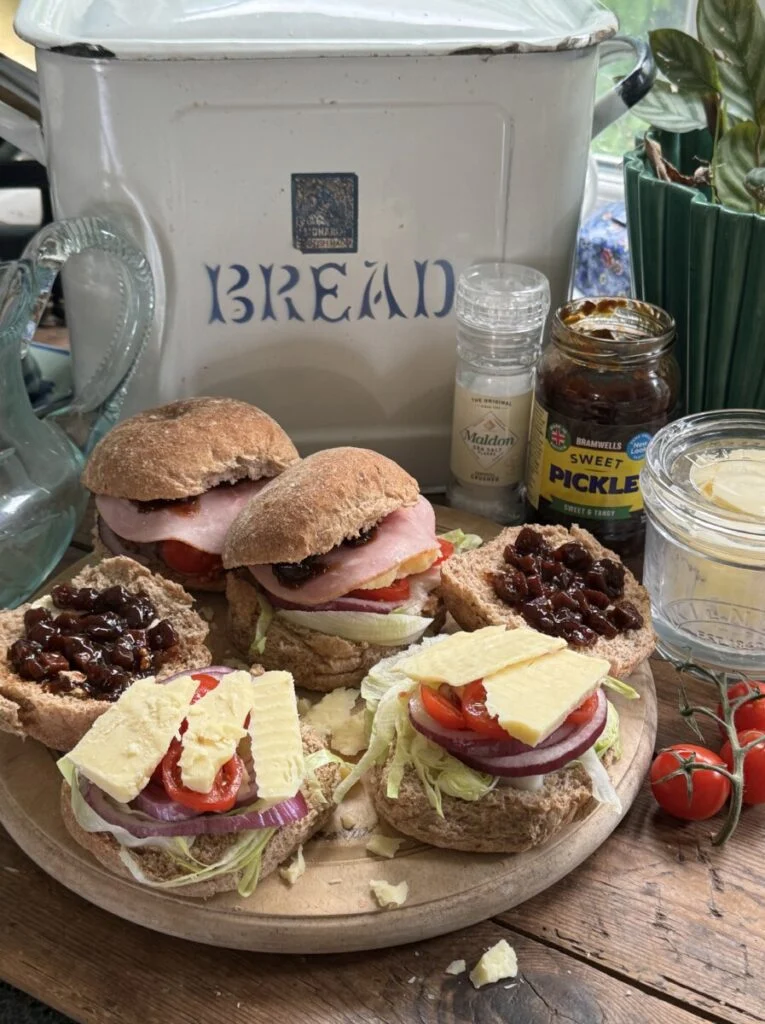
The Evolution of the Ploughman’s Lunch
The historical origins of the ploughman’s lunch are rooted in the rural labor practices of the English countryside. Traditionally, the dish was a simple, utilitarian meal consumed by agricultural workers. It consisted of whatever could be easily carried in a satchel: a hunk of bread, a wedge of cheese, and perhaps an onion or a piece of fruit. The meal was defined by its accessibility and lack of preparation requirements.

However, the modern perception of the ploughman’s lunch is largely a mid-20th-century construct. The term was popularized in the 1960s by the Cheese Bureau, a marketing organization seeking to increase domestic cheese sales. By rebranding the humble bread-and-cheese meal as the "Ploughman’s Lunch," the Bureau successfully elevated a common snack into a staple of the British pub menu. Today, the concept has evolved further, moving away from the traditional pub plate toward more portable, "grab-and-go" formats such as the Ploughman’s roll, which caters to the rising demand for convenient, high-quality, on-the-go nutrition.

Components and Culinary Architecture
The structural integrity of a high-quality ploughman’s roll relies on the selection of ingredients that balance texture and flavor. At the core of the preparation is the choice of bread. While wholemeal rolls provide a hearty, nutty base often associated with rustic traditions, crusty white rolls or traditional baguettes offer a textural contrast that stands up well to moisture-heavy ingredients like pickles and tomatoes.

The cheese component is arguably the most critical element. Culinary standards dictate the use of an extra-mature or vintage cheddar. The high acidity and sharp profile of aged cheddar are necessary to cut through the richness of the butter and the density of the bread. From a nutritional perspective, using an aged, high-quality cheese also ensures a more concentrated flavor profile, allowing for a smaller volume of cheese while maintaining the "attitude" required to define the sandwich.

The inclusion of proteins, such as smoked or home-cooked ham, provides essential amino acids and a savory depth. Furthermore, the use of iceberg lettuce, which is often criticized in gourmet salads for its lack of complex flavor, is strategically sound in a sandwich application. Its high water content and firm structure ensure that the roll maintains a consistent crunch, even after being packed for several hours. This is a crucial consideration for picnics or long-distance travel, where the structural integrity of a sandwich is frequently compromised by humidity or time.

Contextualizing the Modern Picnic and Cricket Tea
The cultural context of the Ploughman’s roll extends into the realm of the "cricket tea"—a long-standing British sporting tradition that emphasizes hospitality and communal dining. The preparation of these rolls reflects a shift in how social gatherings are organized; hosts now prioritize efficiency without sacrificing the traditional aesthetic of a quintessentially British spread.

Data regarding outdoor dining trends suggests that the "picnic economy" has seen consistent growth, particularly as consumers seek out low-cost, high-value alternatives to restaurant dining. The portability of the Ploughman’s roll aligns with these economic shifts, as it allows for the consumption of high-protein, nutritionally dense food in non-traditional settings.

Nutritional Profile and Dietary Implications
A standard serving of a well-constructed Ploughman’s roll provides approximately 411 calories, making it a substantial meal choice. The nutritional composition is dominated by proteins (39g per serving) and fats (17g, including 7g of saturated fat). While the sodium content—often elevated due to the use of cured meats, salted butter, and commercially produced pickles—can reach 1,668mg per serving, the inclusion of wholemeal bread and fresh salad components helps maintain a balance of dietary fiber.

For those managing specific health requirements, the versatility of the recipe allows for significant modifications. Replacing traditional salted butter with plant-based spreads or utilizing low-sodium chutneys can effectively mitigate the higher salt intake associated with traditional preparations.

Broader Impact and Industry Trends
The persistence of the ploughman’s lunch in the national diet highlights a broader trend in the food industry: the "premiumization" of classic comfort foods. As consumers become more discerning about the provenance of their ingredients, the shift from mass-produced sandwiches to artisan-style rolls reflects a desire for connection to heritage foodways.

Food historians note that the survival of the ploughman’s concept over the last sixty years is a testament to its simplicity. Unlike more complex culinary trends that rely on elaborate preparation, the ploughman’s roll is an assembly-based dish. Its success depends entirely on the quality of the raw materials: the bread must be fresh, the cheese must be properly aged, and the pickle must offer the right balance of sweetness and acidity.

From an industry standpoint, the proliferation of recipes for such items in culinary blogs and lifestyle publications serves to demystify traditional food preparation. It empowers the domestic cook to replicate pub-quality meals at home, contributing to the "home-cooking renaissance" observed in post-pandemic consumer behavior.

Conclusion: A Legacy of Convenience
The Ploughman’s Lunch Roll is more than just a convenient meal; it is a synthesis of history, economy, and practicality. Whether packed for a summer picnic or prepared as part of a traditional cricket tea, the dish remains a reliable choice for those seeking a meal that is both substantial and quintessentially British. By adhering to the principles of high-quality ingredient selection and thoughtful structural design, the modern ploughman’s roll continues to serve as an enduring icon of British culinary identity, proving that the most effective recipes are often those that require the least modification over time. The transition from the field to the kitchen, and finally to the picnic basket, represents a successful adaptation of a rural necessity into a beloved modern staple.
