
The Evolution of Modern Home Cooking
The culinary tradition of the enchilada dates back to pre-Columbian Mexico, where indigenous peoples consumed corn tortillas wrapped around small fish or other fillings. Over centuries, the dish evolved into the iconic baked, sauce-smothered casserole familiar to North American diners today. Traditionally, the process involved grinding chiles for homemade sauces, slow-roasting meats, and manually preparing fillings.
In contrast, the contemporary "6-ingredient" approach reflects a shift toward the utilization of high-quality, pre-prepared pantry staples. This movement is not merely a matter of convenience; it is a response to the increasing demand for "Taco Tuesday" traditions—a cultural phenomenon in the United States that has elevated Mexican-inspired cuisine to a weekly ritual for millions of households. By reducing the complexity of the preparation process, this recipe model allows for consistent results in a fraction of the time required by traditional methods.
The Anatomy of the 6-Ingredient Recipe
At the core of this recipe are six essential components: protein (ground beef), a binding agent (typically cheese), a flavor-delivery vehicle (enchilada sauce), a starch (flour or corn tortillas), and supplementary aromatics or spices.
Data from market research firms specializing in food and beverage trends indicates that "simplified" recipes are among the most frequently searched terms in digital culinary databases. The preference for this approach is driven by several socioeconomic factors:
- Economic Efficiency: By limiting the ingredient list, households reduce the likelihood of food waste, as bulk ingredients can be utilized across multiple meals.
- Skill Gap Mitigation: Not every home cook possesses the technical expertise to balance complex spice blends or emulsify sauces from scratch. A streamlined recipe ensures a baseline of quality that is accessible to novices.
- Time Optimization: According to recent Bureau of Labor Statistics data, the average time spent on food preparation and cleanup in households with dual-income earners has decreased by nearly 15% over the last decade, necessitating recipes that can be completed in under 45 minutes.
A Chronology of Preparation
To understand the efficacy of this recipe, one must analyze the standard workflow required to produce a batch for a family of eight. The process is divided into three distinct phases: the protein sear, the assembly, and the thermal finish.
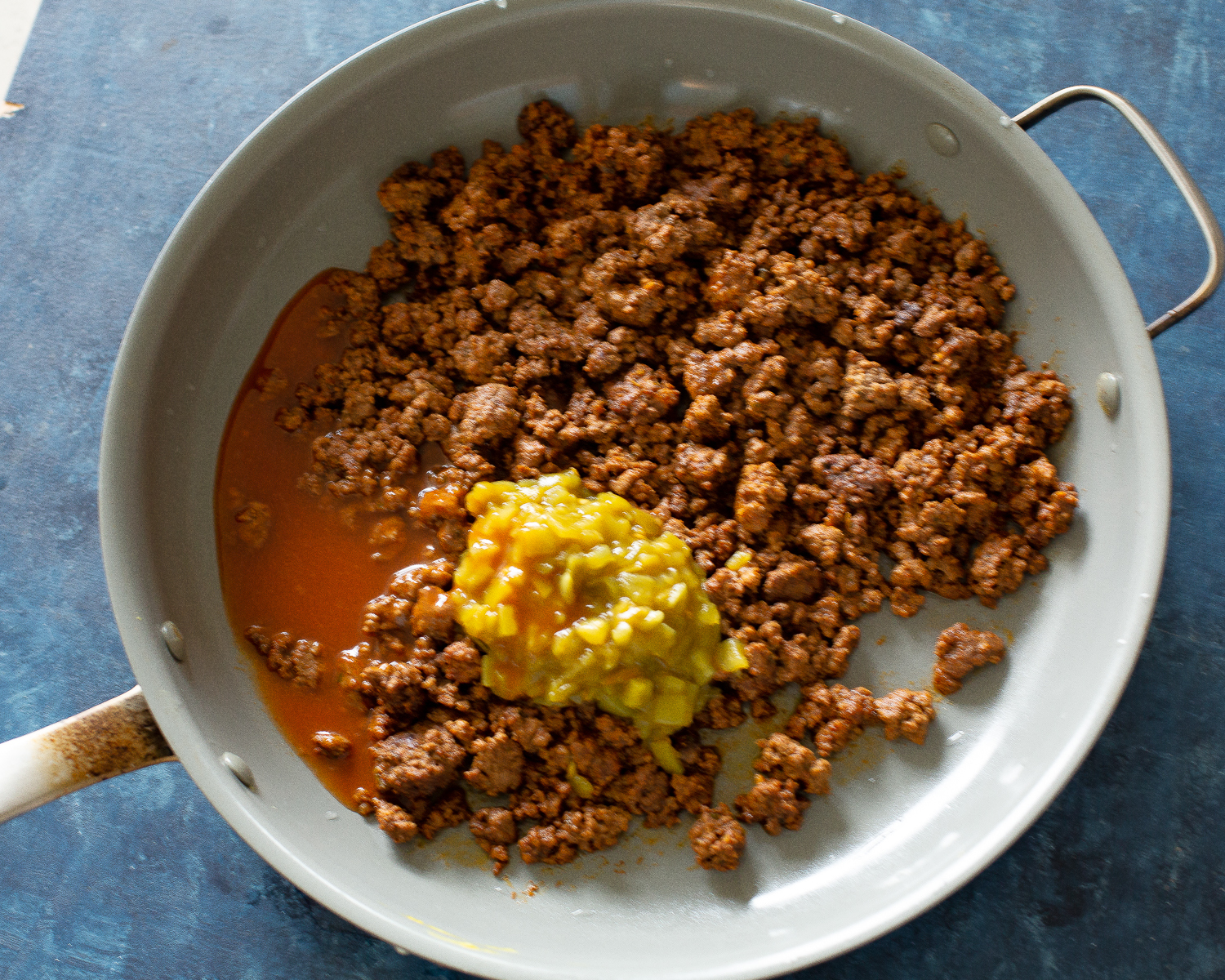
- Phase One: Protein Preparation (Minutes 0–15): The ground beef is browned in a skillet. During this stage, any desired aromatics are incorporated. The objective is to achieve a Maillard reaction, which creates the depth of flavor necessary to carry the dish.
- Phase Two: The Assembly Line (Minutes 15–25): The tortillas are softened and filled with the seasoned beef mixture and a portion of the cheese. They are then rolled and placed into a baking vessel. This stage is critical for structural integrity; using the correct ratio of sauce to filling prevents the tortillas from becoming overly saturated and losing their texture.
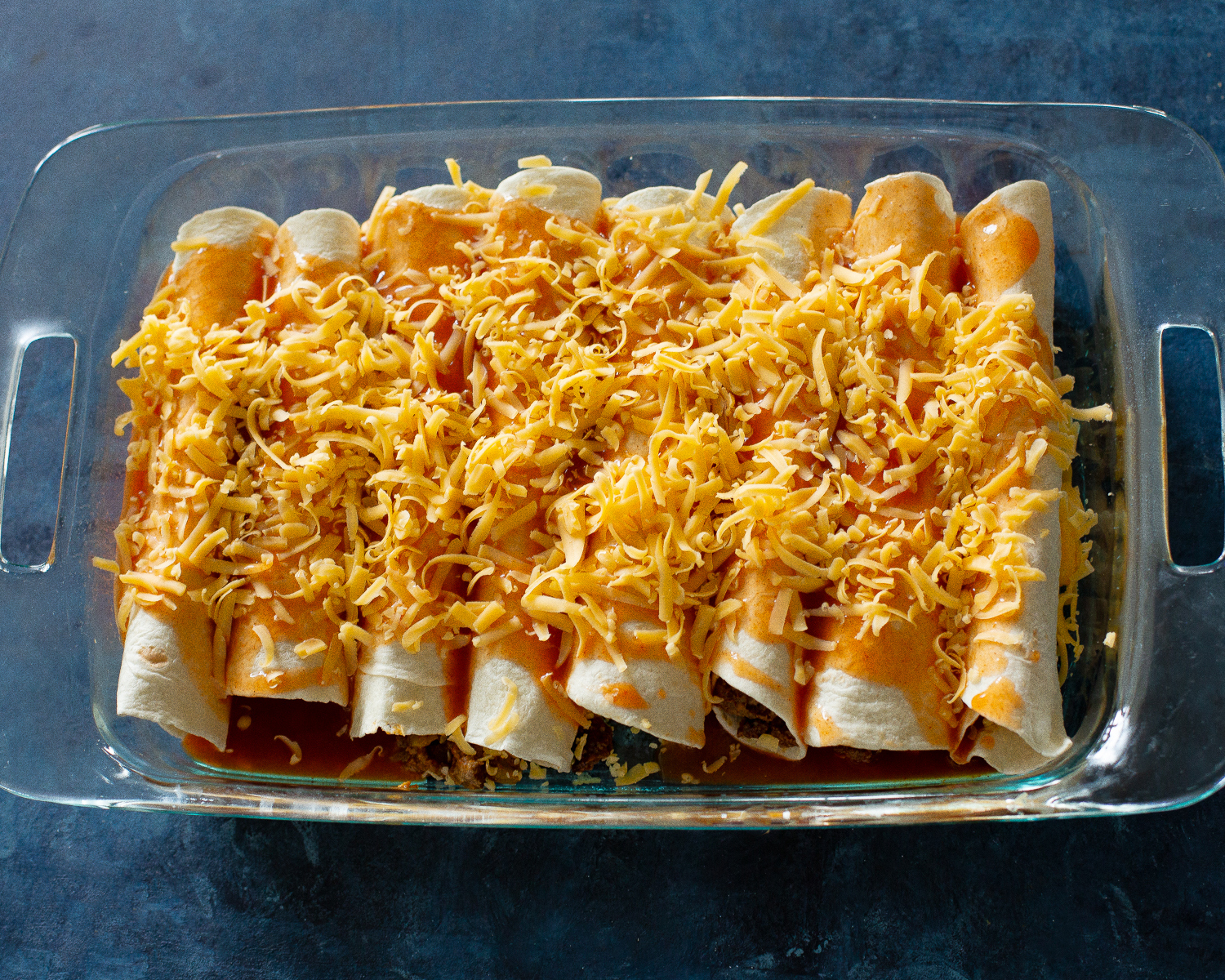
- Phase Three: Thermal Processing (Minutes 25–50): The assembled dish is topped with the remaining sauce and cheese, then baked. The oven heat serves two purposes: melting the cheese to create a cohesive bond and allowing the flavors of the sauce to permeate the tortillas.
Comparative Nutritional Analysis
When evaluating the nutritional implications of streamlined cooking, dietitians often point to the trade-off between convenience and sodium content. Pre-made enchilada sauces and processed cheeses often contain higher levels of sodium compared to scratch-made versions. However, home cooks retain control over the protein quality. By opting for lean ground beef (90/10 or higher), the caloric density is managed more effectively.
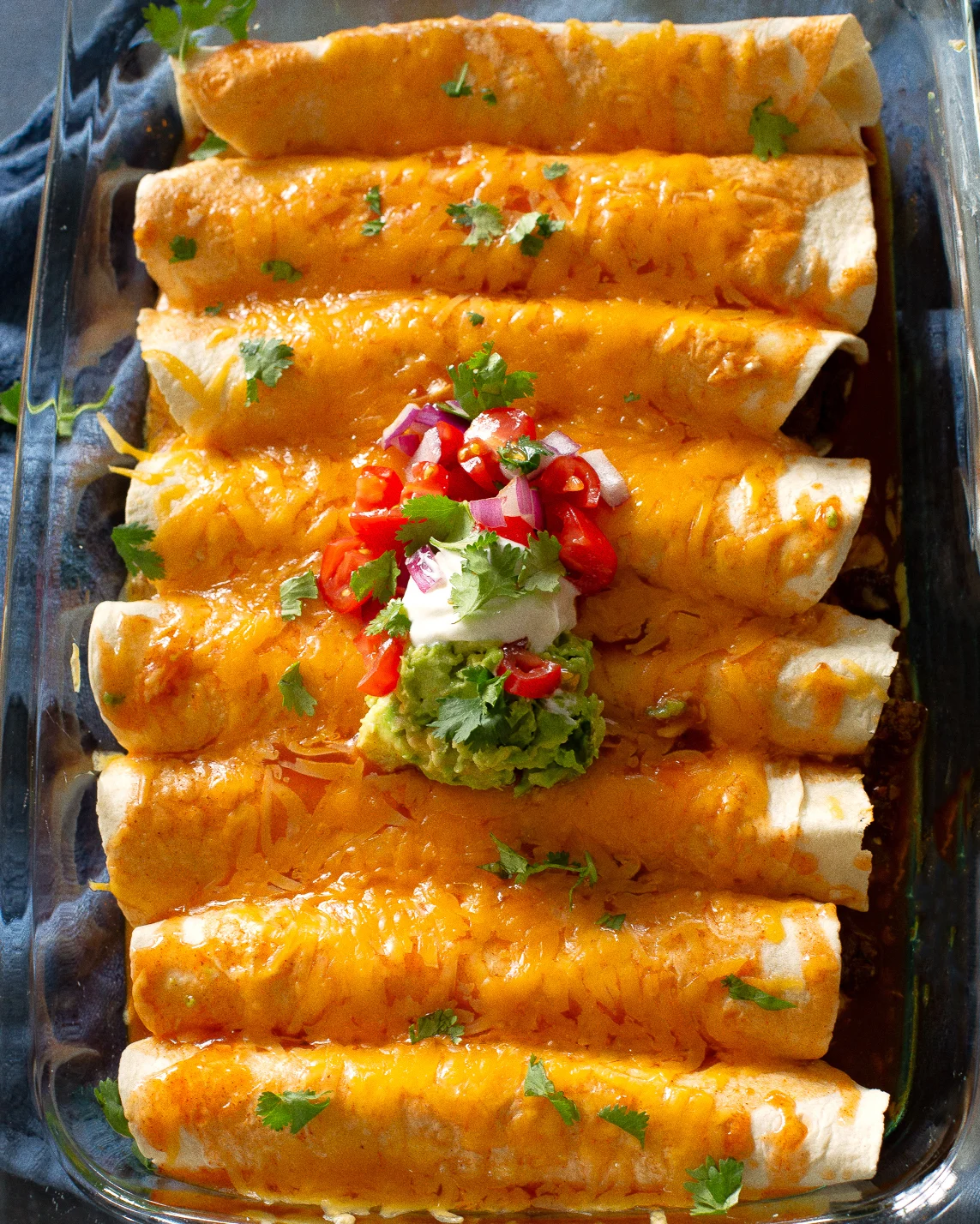
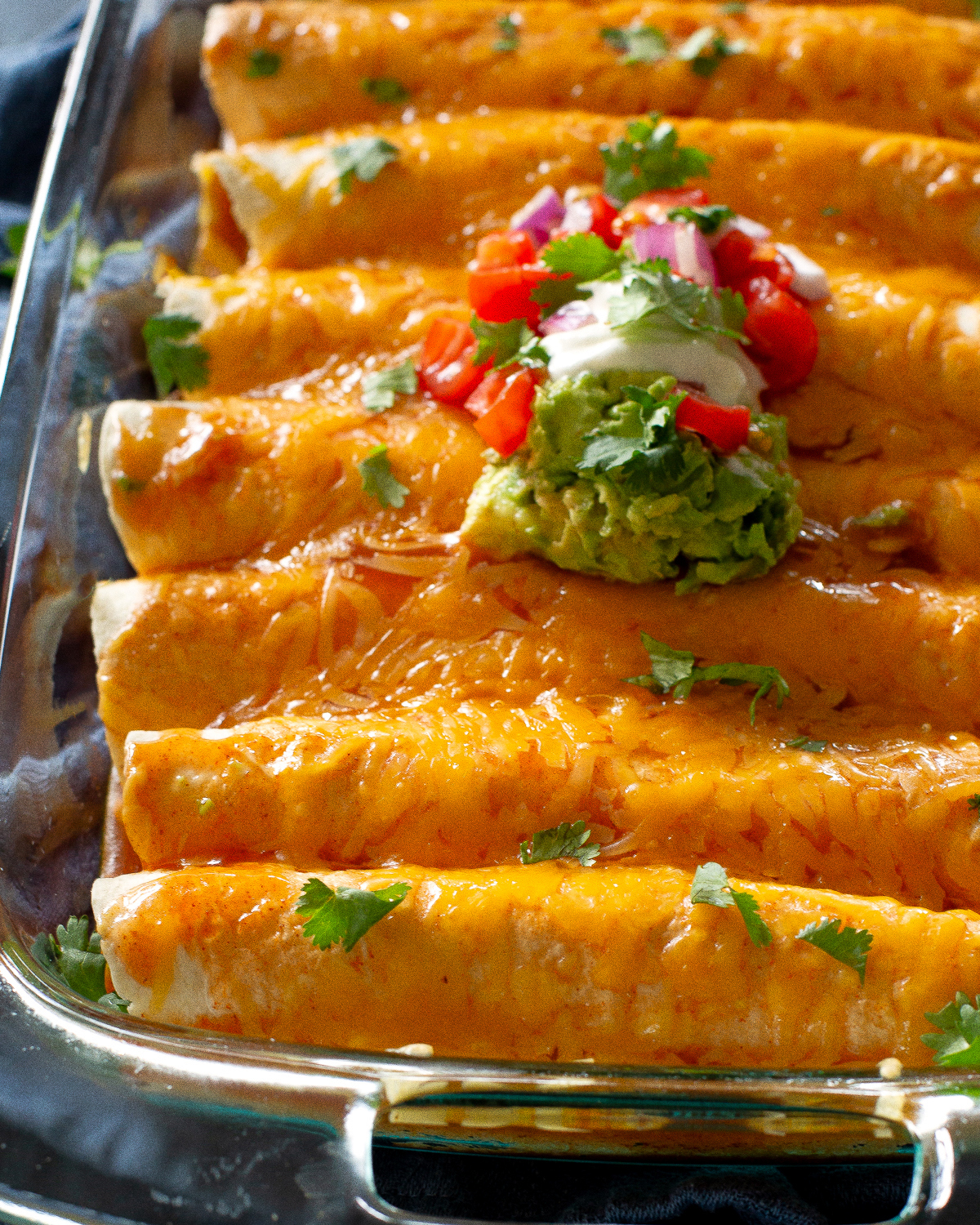
A standard serving of beef enchiladas, when prepared with these simplified methods, provides a significant source of protein and calcium. For families looking to increase the nutritional density, the integration of optional toppings—such as fresh pico de gallo, which provides essential vitamins, or avocado-based guacamole, which offers healthy monounsaturated fats—is highly recommended by culinary experts.
Industry Perspective and Market Response
Christy Denney, a recognized figure in digital culinary content, notes that the success of these simplified recipes lies in their ability to bridge the gap between "fast food" and "family dinner." In an era where delivery services and takeout are competing directly with home kitchens, the ability to replicate a restaurant-style experience at home with minimal effort is a major driver of engagement.
Industry analysts suggest that the rise of such recipes is also a response to the "inflationary pressure" on the food service sector. As restaurant prices climb, consumers are increasingly seeking ways to maintain their lifestyle habits—such as themed dining nights—while controlling costs at the grocery store. This recipe functions as a cost-effective alternative to dining out, providing a reliable outcome that satisfies the palate while adhering to a strict budget.
Broader Implications for Culinary Literacy
The proliferation of these simplified recipes has a dual impact on culinary literacy. Critics argue that relying on pre-packaged sauces may inhibit the development of traditional cooking skills, such as learning to balance heat with acidity or mastering the art of a roux. Conversely, proponents argue that by lowering the barrier to entry, more people are encouraged to cook at home rather than relying on processed, pre-packaged frozen meals.
By mastering the "six-ingredient" framework, the home cook learns the fundamental mechanics of a dish. Once these basics are understood, many cooks eventually transition to customizing the recipe—perhaps adding homemade spices, experimenting with different types of cheese, or incorporating fresh vegetables like bell peppers and onions. In this way, the simple recipe acts as a foundational block for more complex future culinary endeavors.
Best Practices for Success
To ensure consistent results with this beef enchilada method, there are several technical considerations:
- Tortilla Selection: If using corn tortillas, it is imperative to warm them slightly before rolling to prevent cracking. Flour tortillas, while more forgiving, should not be over-steamed, or they may become gummy.
- Sauce Distribution: Ensure that the sauce covers the exposed edges of the tortillas before baking. This prevents the edges from drying out and becoming hard in the oven.
- Resting Time: As with many baked casserole dishes, allowing the enchiladas to rest for five to ten minutes after removing them from the oven is essential. This allows the internal components to set, making the portions easier to serve and maintain their shape on the plate.
Conclusion: The Future of the "Taco Tuesday" Ritual
The beef enchilada remains a cornerstone of North American Mexican-inspired cuisine, and its evolution into a simple, six-ingredient staple is a testament to the adaptability of home cooking. As households continue to navigate the demands of modern life, the focus will likely remain on efficiency and consistency. Whether viewed as a shortcut or a modern adaptation, the ability to assemble a nutritious, crowd-pleasing dinner in under an hour is a skill that continues to serve as a vital component of domestic life. By balancing the use of modern conveniences with a focus on core flavors, home cooks can sustain the traditions of the past while meeting the logistical requirements of the present.
