
The Origins and Evolution of the Beef Stew
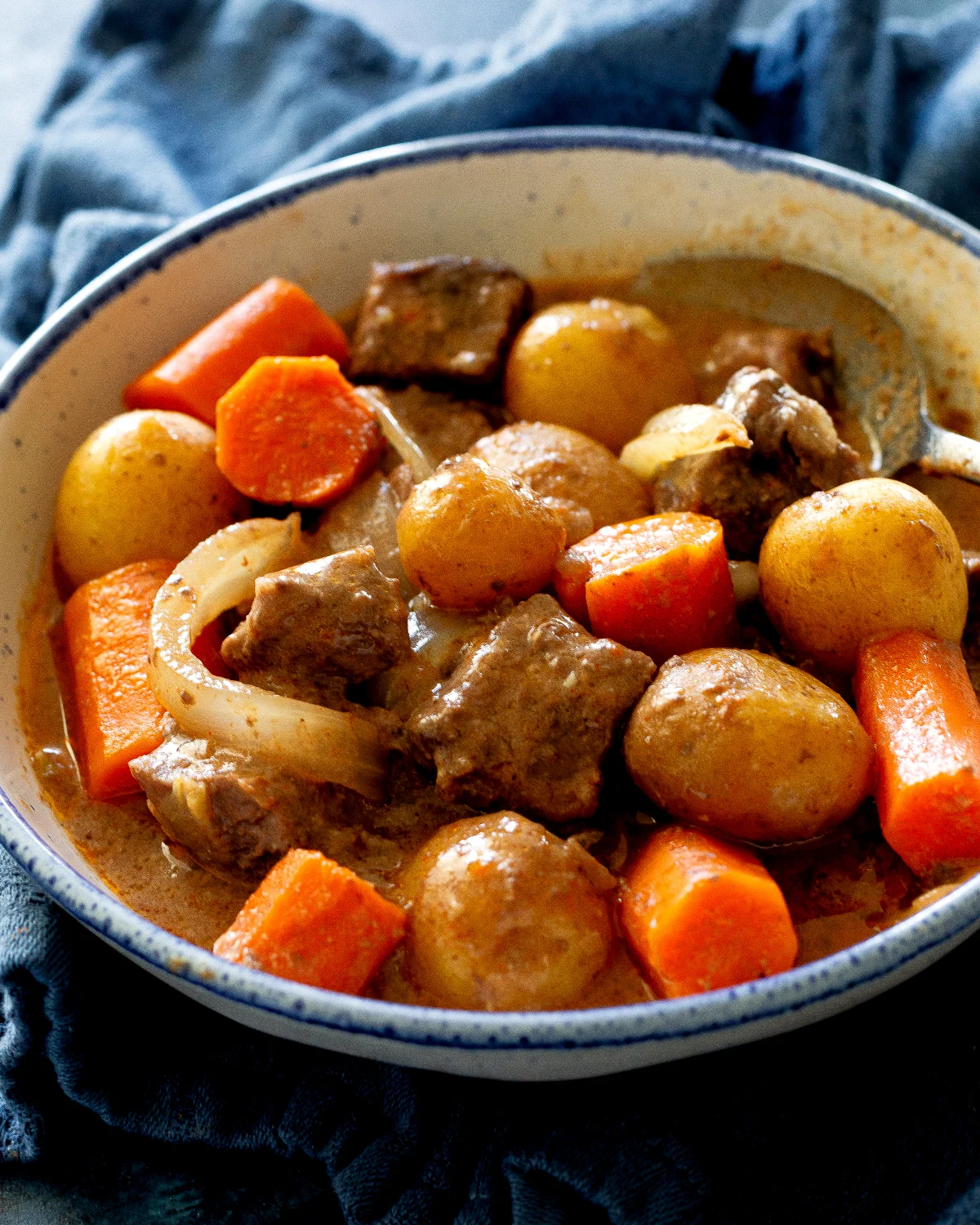
Beef stew is a global culinary tradition, with variations existing in almost every culture, from the French boeuf bourguignon to the Irish stew. Historically, the dish was designed as a method for tenderizing tougher, less expensive cuts of beef—such as chuck or round—through long, low-temperature cooking in liquid. This process breaks down connective tissues and collagen, transforming fibrous meat into a succulent, fork-tender texture.
The specific recipe in question, which utilizes non-traditional components like ketchup and cream of celery, highlights a shift in home cooking trends during the late 20th and early 21st centuries. During this period, home cooks began experimenting with "pantry staples"—pre-packaged or shelf-stable items like condensed soups—to expedite the development of rich, complex sauces that would otherwise require hours of reduction and artisanal seasoning. This methodology reflects a broader sociological trend of busy households prioritizing efficiency without sacrificing the "slow-cooked" experience.
Chronology of a Kitchen Staple
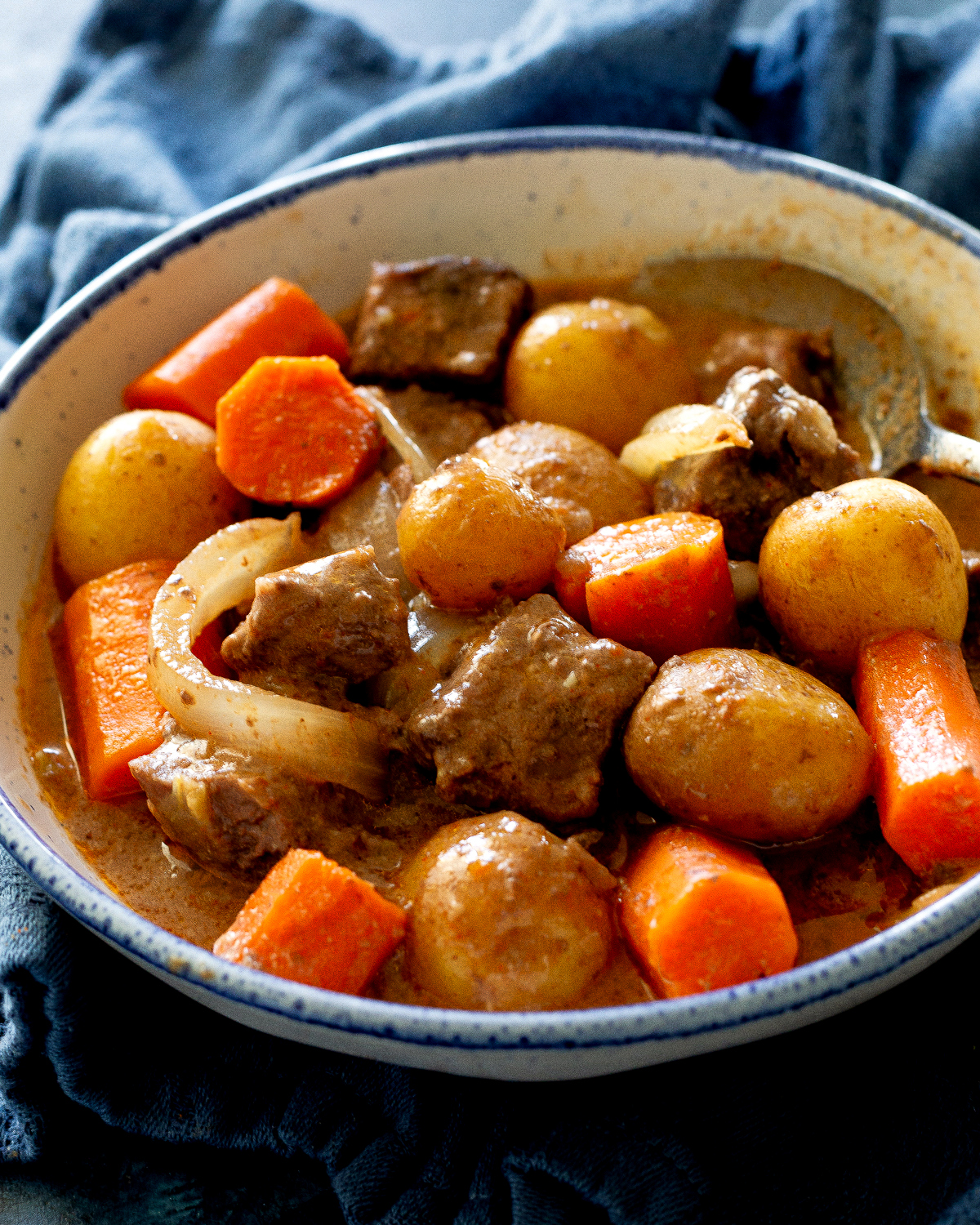
The transition of this specific recipe from a private household secret to a documented culinary resource followed a trajectory common to many digital-age food narratives. Initially developed as a solution to the limitations of novice cooking, the recipe gained prominence when it was shared within personal social networks.
- Early Phase: The dish originated as a practical solution for beginner cooks seeking to emulate the complex flavors of scratch-made stews. It served as a bridge between the reliance on pre-packaged meals and the desire for home-prepared, hearty dinners.
- Documentation: The recipe was formally recorded in the early 2010s as part of a digital catalog of home cooking techniques. This period marked a shift in how domestic knowledge was archived, moving from handwritten index cards to online platforms accessible to a global audience.
- Digital Integration: With the advent of the slow cooker and the increased accessibility of oven-safe cookware, the recipe was refined to be "dual-method," allowing users to choose between the traditional oven braise or the modern, automated convenience of a crockpot.
Analysis of Unconventional Ingredients
The inclusion of ketchup and cream of celery soup in a beef stew is often met with initial skepticism by culinary purists. However, food scientists and home economists suggest that these ingredients provide a functional purpose in the final product.
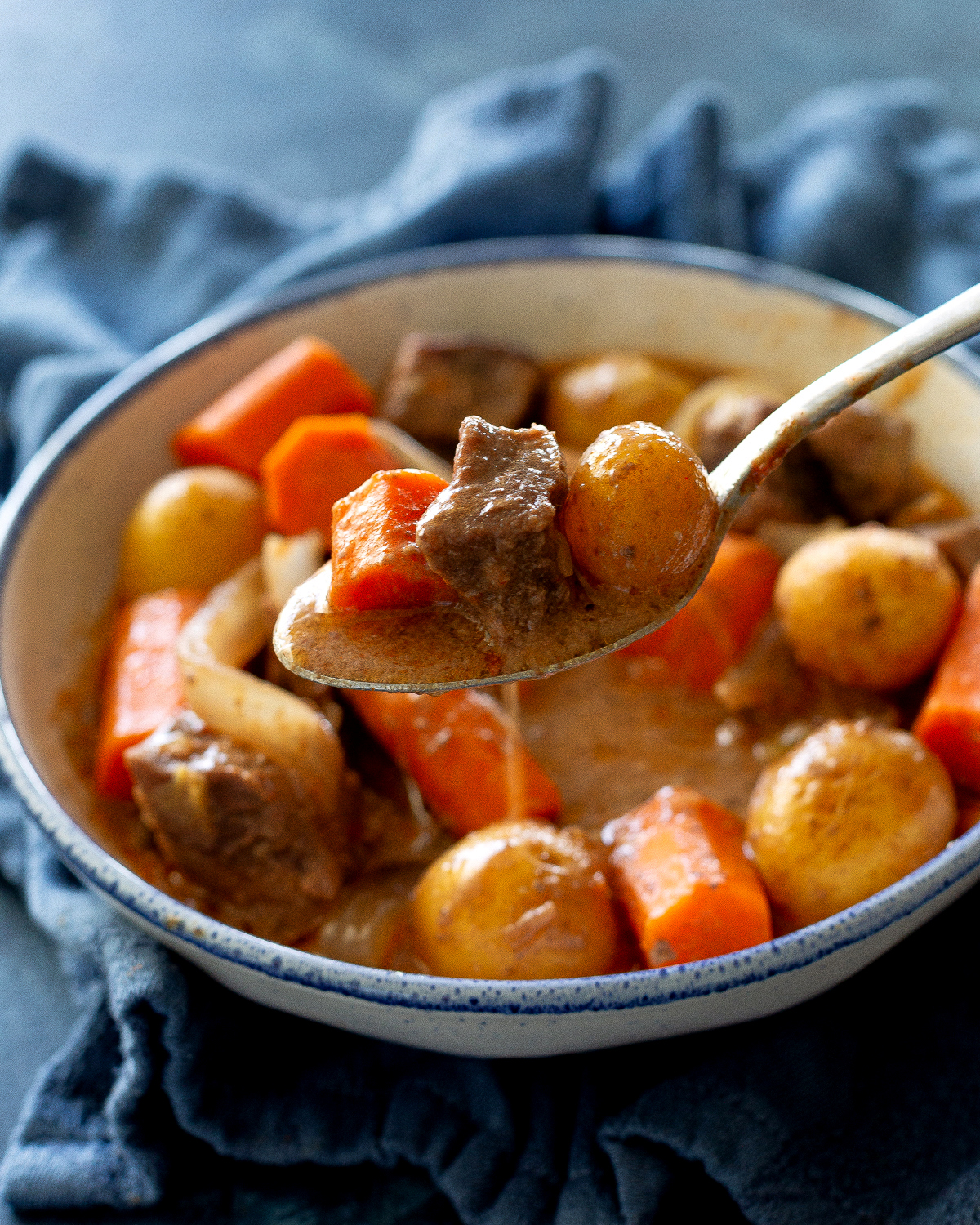
Ketchup serves as a concentrated source of acid, sugar, and umami. The acidity helps to further tenderize the meat during the long cooking process, while the sugar content aids in caramelization, balancing the savory notes of the beef. Cream of celery soup, conversely, provides an emulsified base that thickens the sauce significantly, creating a rich mouthfeel that would otherwise require a traditional flour-based roux. This combination creates a "velvet" texture that adheres to the vegetables and meat, ensuring each bite is well-seasoned.
The Dual-Method Approach: Oven vs. Slow Cooker
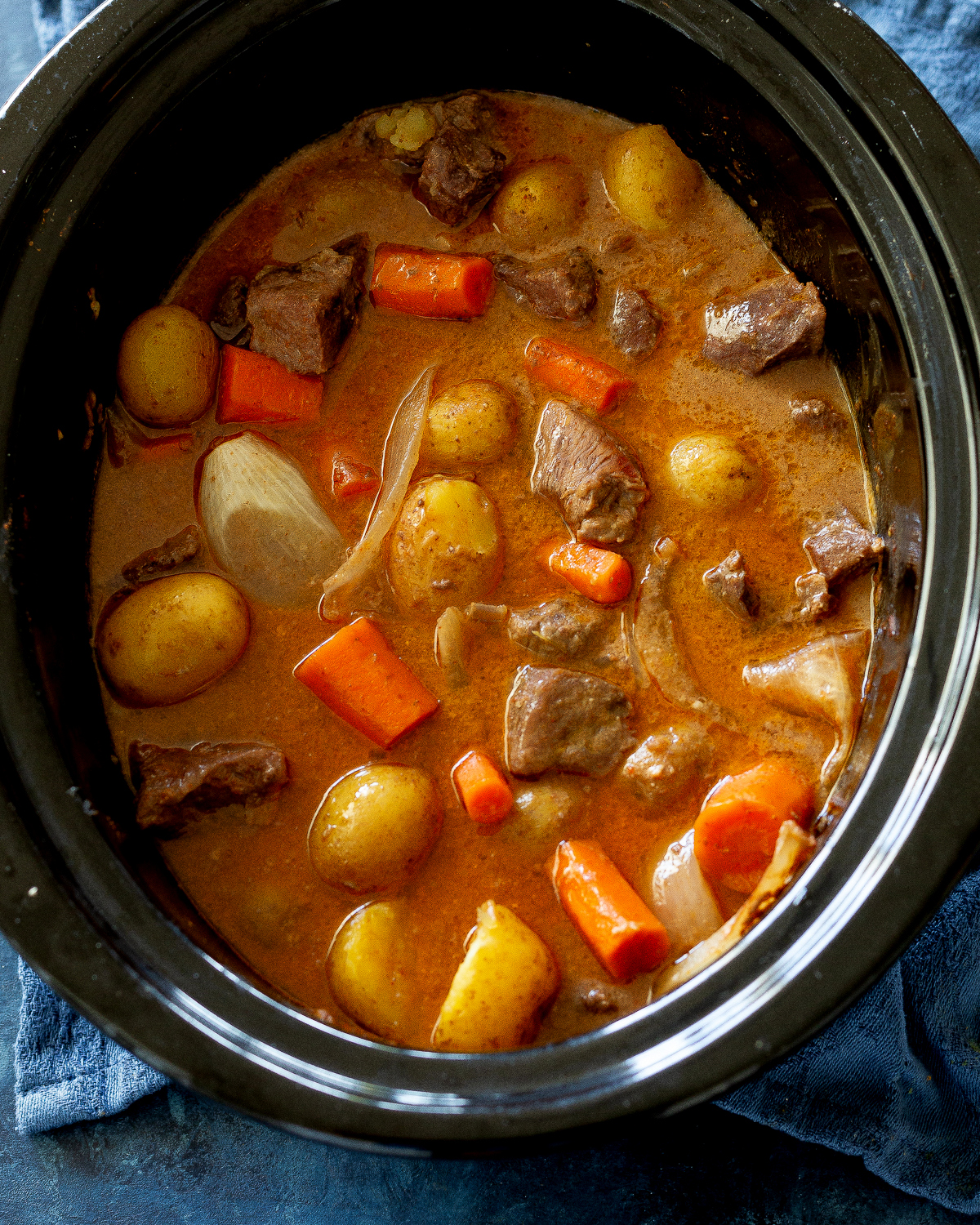
The efficacy of this dish lies in its adaptability to different kitchen environments. A comparative analysis of the two cooking methods reveals distinct benefits for the end user:
- The Oven Method: The oven provides an ambient, all-encompassing heat that is ideal for browning and maintaining a consistent temperature. By cooking in an oven, the liquid undergoes a gradual evaporation process, which can intensify the flavors of the stew. This method is often preferred by those seeking a more robust, caramelized crust on the vegetables and meat.
- The Slow Cooker Method: The slow cooker is a tool of convenience and consistency. By trapping moisture and steam, it ensures that the meat remains hydrated throughout the cooking cycle. For many families, this method provides a "set-it-and-forget-it" advantage, which aligns with modern work-life schedules.
Nutritional Implications and Dietary Context
From a nutritional standpoint, beef stew is a dense source of high-quality protein, essential B vitamins, and iron, particularly when paired with root vegetables such as carrots and potatoes. While the use of processed ingredients like condensed soups increases the sodium content, the dish remains a balanced meal when served with fresh greens or whole-grain sides.
Public health experts often note that the "heartiness" of such meals contributes to satiety, which can assist in regulating caloric intake throughout the day. However, users are encouraged to monitor portion sizes and consider low-sodium alternatives for the canned soup components to better align with contemporary dietary guidelines.
Broader Impact on Home Cooking Culture
The documentation of this recipe serves as a microcosm for the democratization of cooking. By removing the barrier to entry—the intimidation factor of cooking meat—it empowered a generation of cooks to move away from pre-packaged, frozen meals. The "success" of this stew, as measured by its sustained popularity in online communities, suggests that the perceived value of a recipe is not dictated by the exclusivity of its ingredients, but by its reliability, ease of preparation, and the comfort it provides.
In the current culinary landscape, there is a recurring movement toward "retro-comfort" food. As global supply chains have become more complex, there has been a resurgence in interest regarding how pantry staples can be utilized in creative ways. This recipe stands as a testament to the fact that home cooking is an evolving art form, one that is not afraid to break traditional culinary rules to satisfy the practical needs of the household.
Conclusion and Future Outlook
As culinary technology continues to advance, the methods for preparing classic beef stew will likely continue to evolve. Whether through the use of sous-vide precision or pressure-cooking advancements, the core objective—achieving a tender, flavorful, and hearty meal—remains the constant. The story of this specific beef stew, with its humble beginnings as a "crisis-avoidance" meal, reflects a universal experience: the discovery that with a few simple ingredients and a bit of patience, anyone can produce a meal that brings people together.
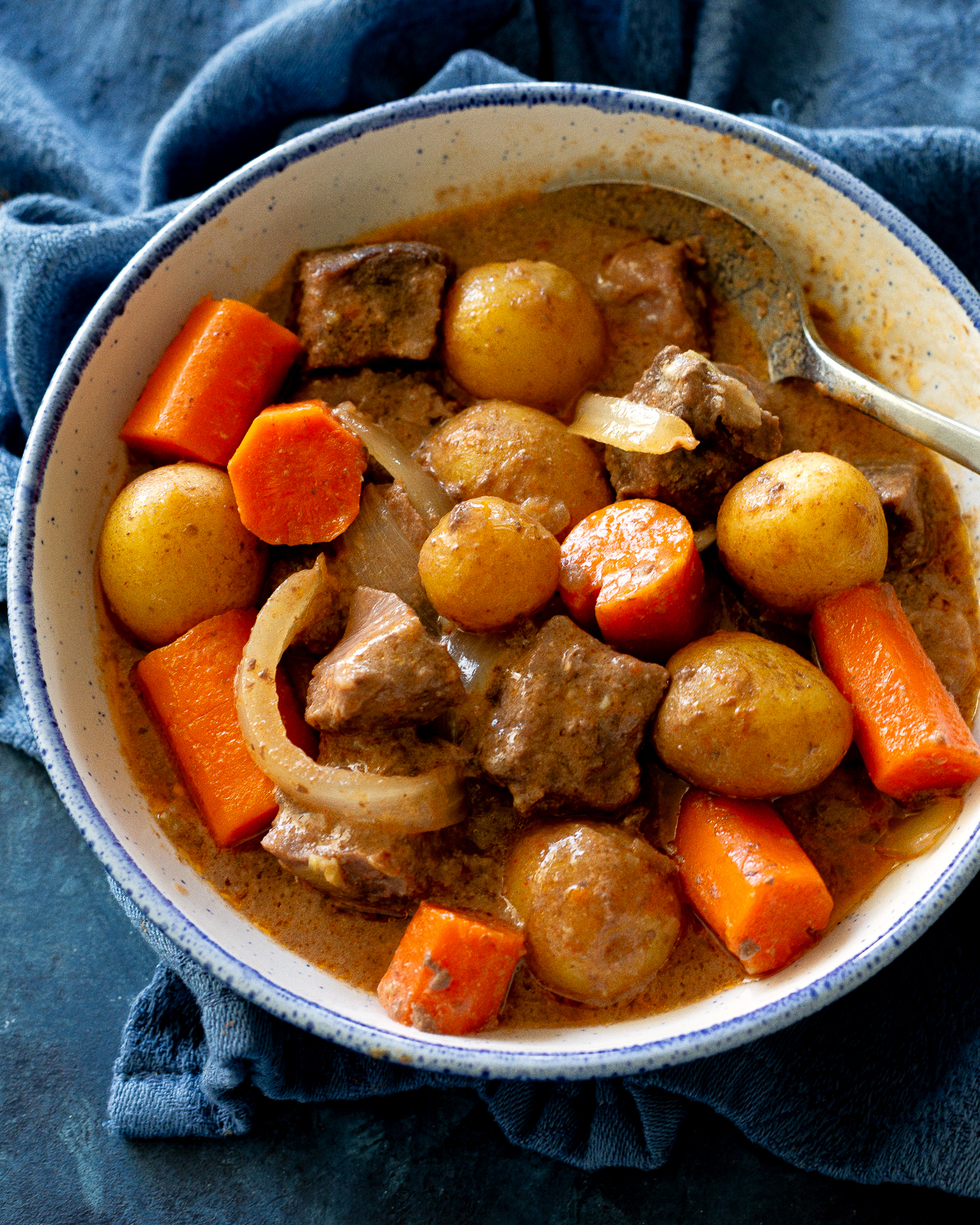
The lasting legacy of such recipes is the confidence they instill in the home cook. By demystifying the preparation of beef and offering a flexible framework for cooking, the recipe has transcended its origins to become a permanent fixture in the repertoire of those who value both efficiency and the satisfaction of a home-cooked meal. As digital platforms continue to share and refine these techniques, the future of home cooking will likely remain centered on this balance of innovation and tradition, ensuring that the hearty, oven-baked stew remains a mainstay of the domestic table for years to come.
