
Culinary Origins and Evolution of the Dish
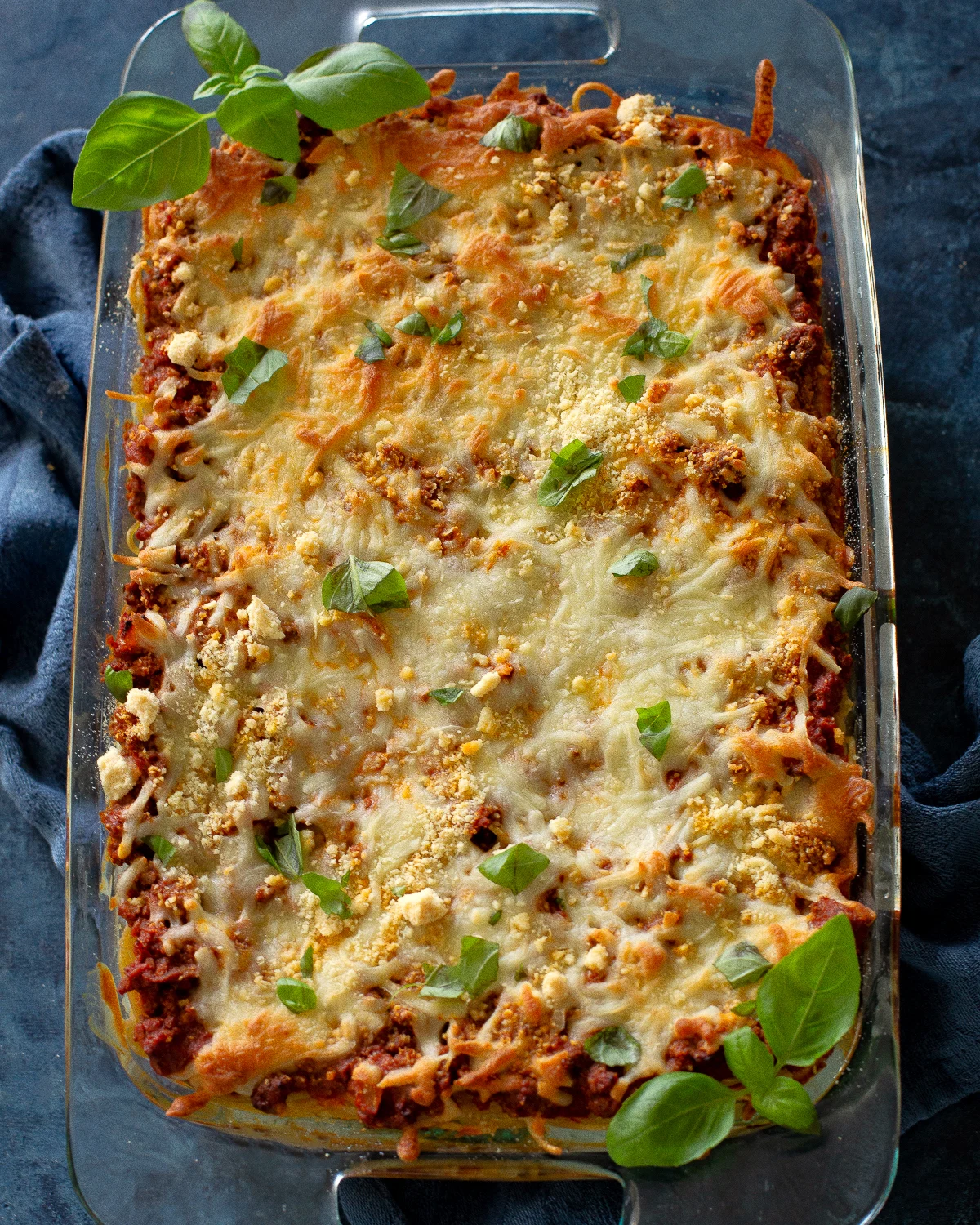
The concept of Million Dollar Spaghetti stems from a broader culinary trend of simplifying complex Italian-American dishes. Traditional lasagna requires the meticulous layering of delicate pasta sheets, multiple sauce reductions, and precise cheese distribution. By substituting the structured sheets of lasagna pasta with standard spaghetti, the dish achieves a familiar texture while eliminating the structural integrity requirements of the traditional bake.
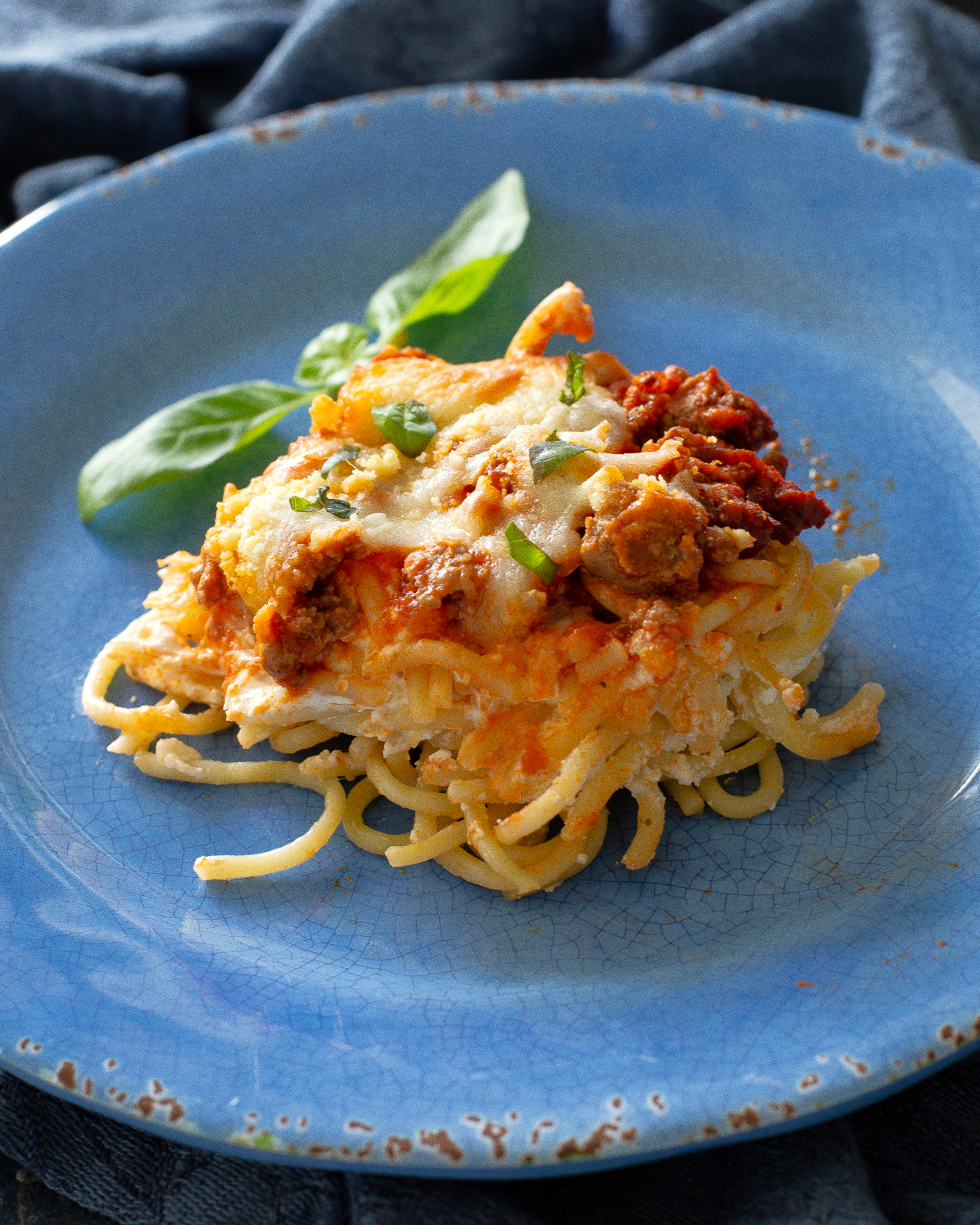
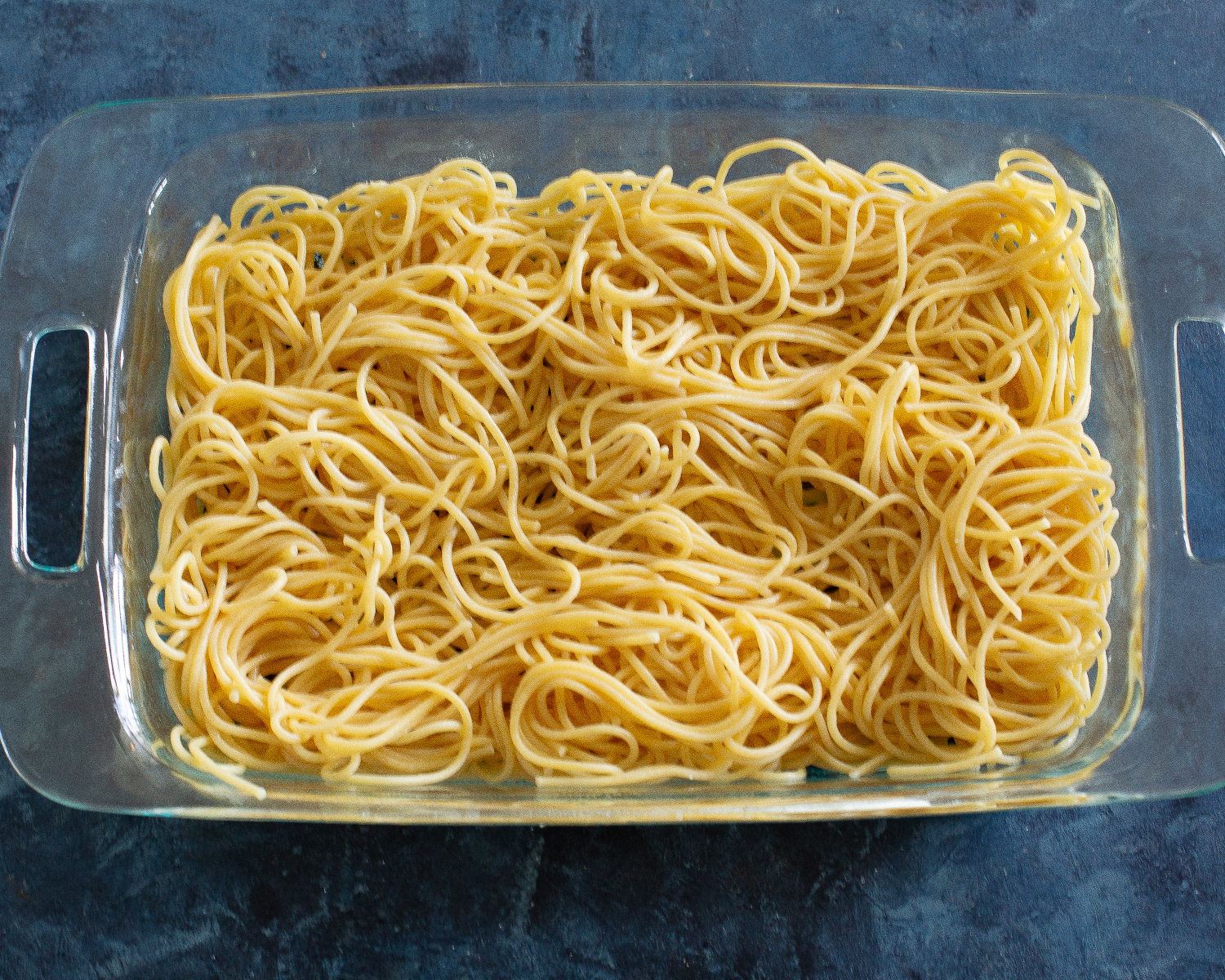
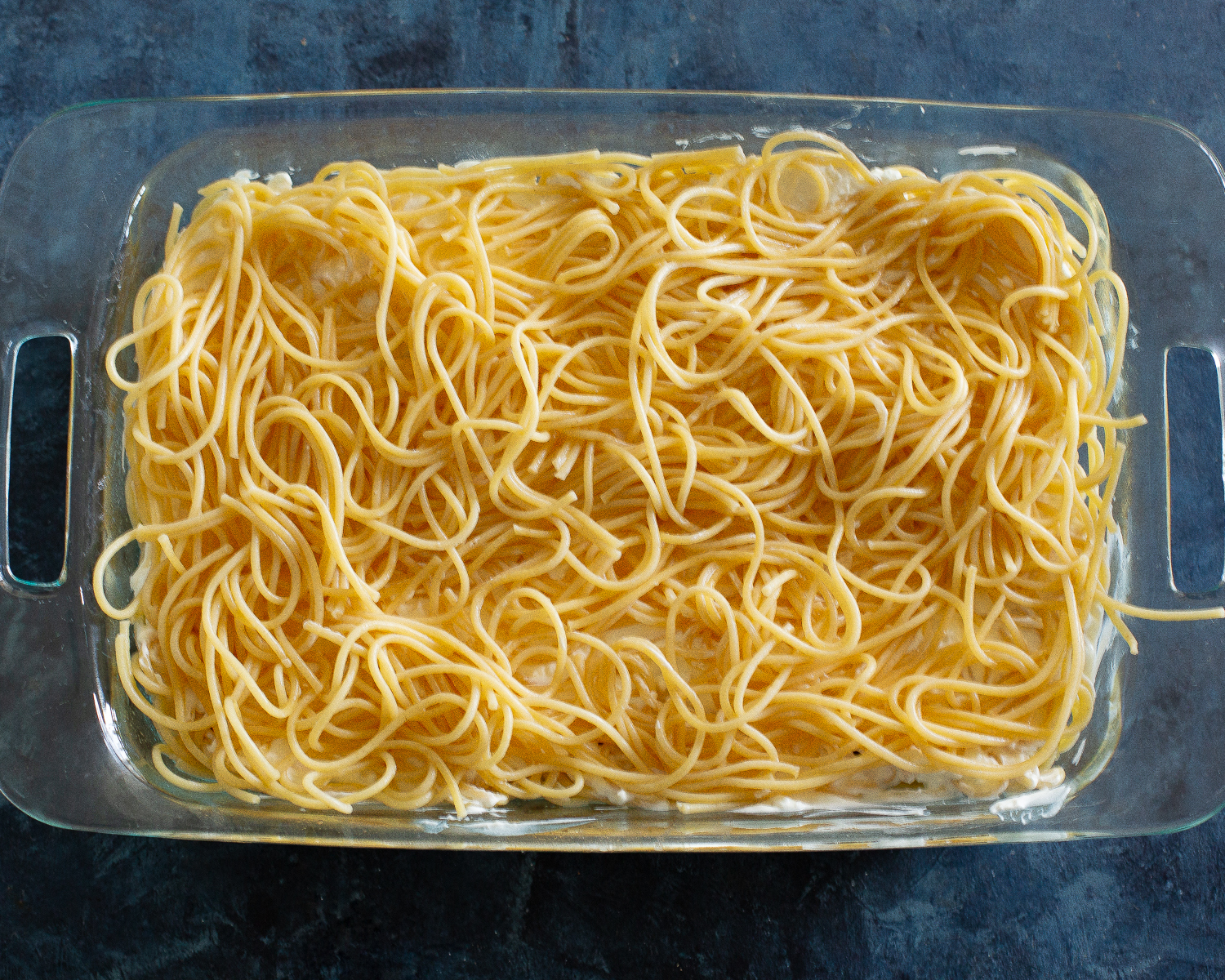
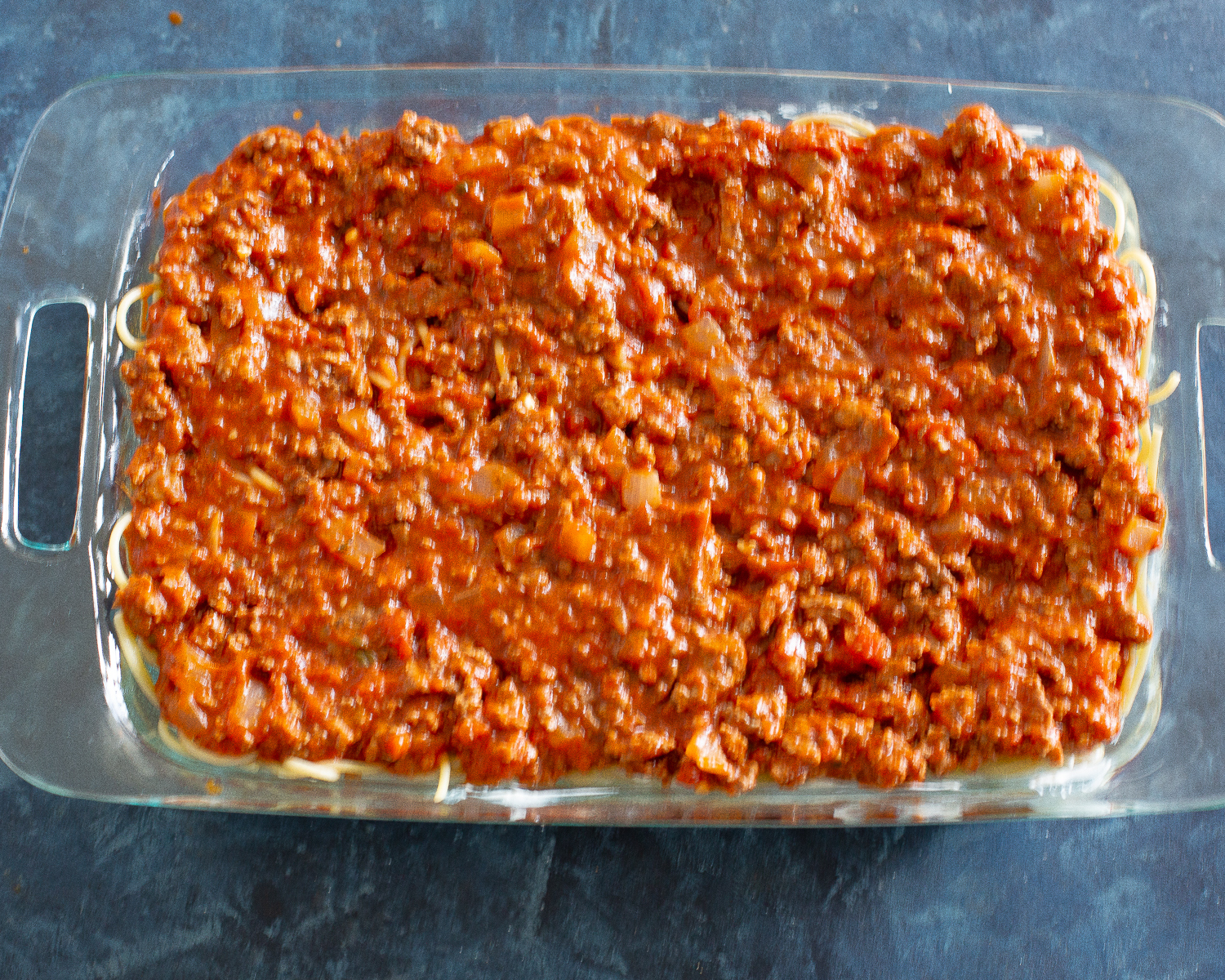
Historical records of similar "spaghetti casseroles" date back to the mid-20th century, emerging alongside the post-war rise of convenience foods and the proliferation of the home oven. The "Million Dollar" moniker, while colloquial, suggests the perceived value of the dish—providing a rich, multi-textured, and satiating experience that rivals more expensive restaurant-quality meals. The dish typically utilizes a base of marinara-coated spaghetti, a central layer of whipped dairy—often a blend of cottage cheese, cream cheese, and sour cream—and a topping of shredded mozzarella.
The Mechanics of Freezer-Friendly Meal Preparation
The primary driver behind the current resurgence of Million Dollar Spaghetti is its exceptional suitability for long-term storage. According to recent data from the Bureau of Labor Statistics on consumer food trends, households have increasingly pivoted toward freezer-based meal preparation as a hedge against rising inflation and the desire to optimize time management.
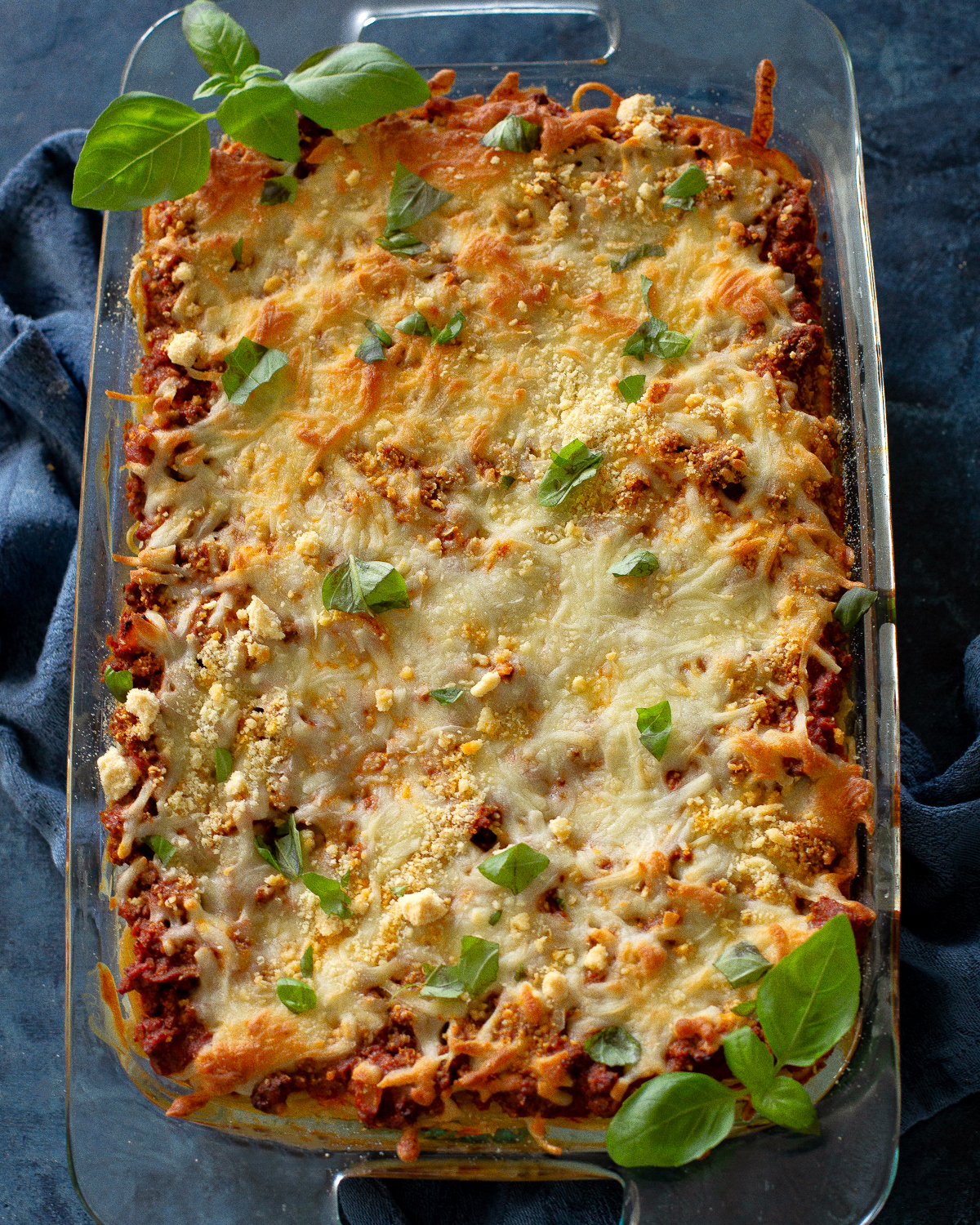
Freezer-friendly cooking, or "batch cooking," relies on the principle of thermal stability. Unlike dishes with high water content that may suffer from ice crystal formation, the high fat content of the cream cheese and sour cream mixture in this recipe acts as a stabilizer. When stored correctly in an airtight, freezer-safe container, the dish retains its structural integrity for up to three months.
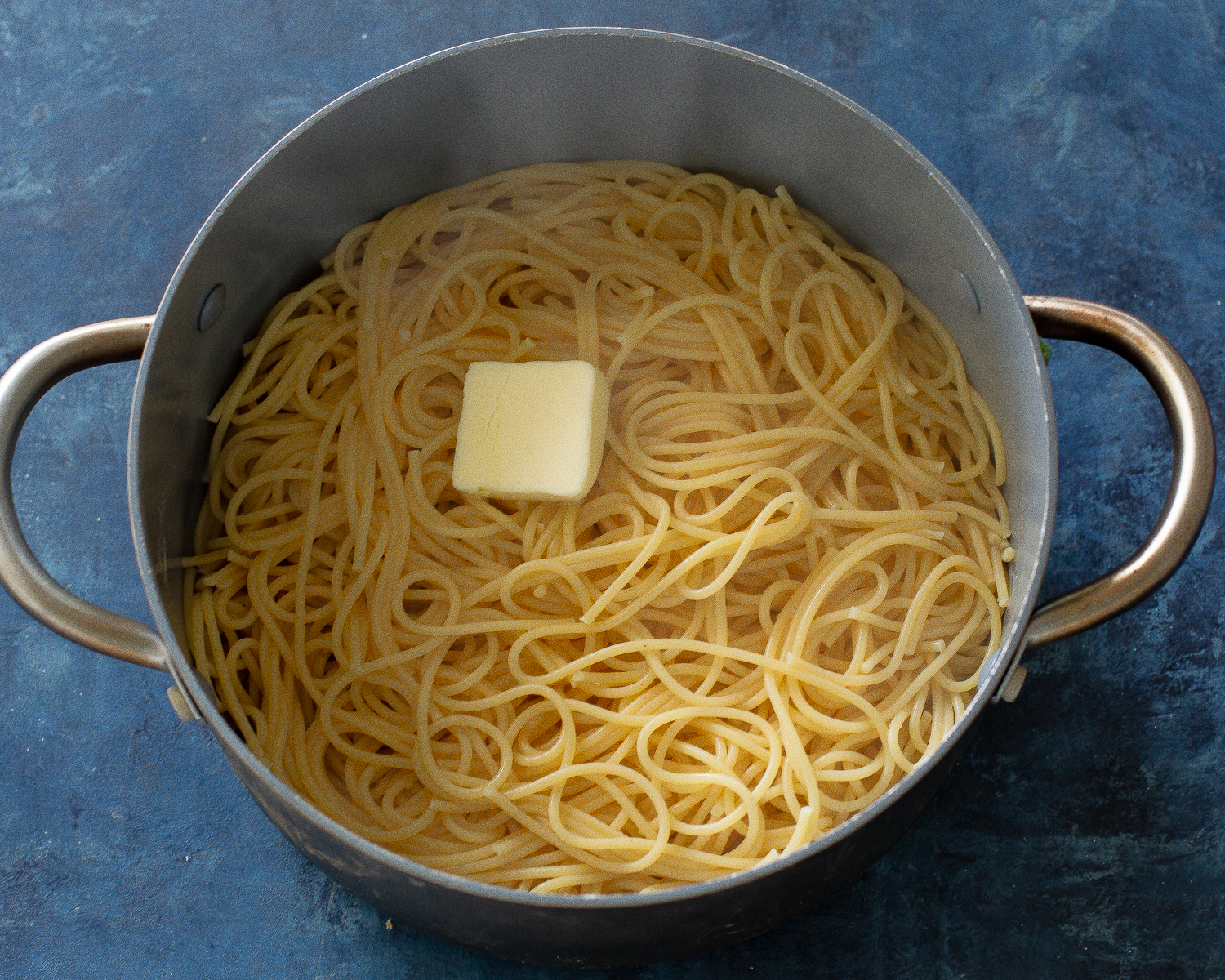
Industry experts in home economics suggest that the key to maintaining quality during the freezing process is the "undercooking" technique. By slightly under-boiling the pasta before the initial bake, the spaghetti remains "al dente" during the reheating process. This prevents the degradation of starch chains that typically results in the mushy texture often associated with reheated pasta dishes.
Chronology of a Household Staple
The transformation of the dish into a mainstream convenience food can be categorized into three distinct phases:
- The Post-War Era (1950s–1970s): The emergence of the casserole culture in suburban America. Recipes began appearing in community cookbooks, emphasizing the "one-dish meal" concept to feed large families efficiently.
- The Digital Acceleration (2000s–2015): With the rise of food blogging and digital recipe aggregation, Million Dollar Spaghetti found a new life as a viral internet sensation. Bloggers popularized the "Faux Lasagna" branding, highlighting how the dish could save hours of labor compared to traditional methods.
- The Modern Efficiency Era (2016–Present): With the advent of increased remote work and fluctuating grocery prices, the dish has become a cornerstone of the "Meal Prep Sunday" movement. It is currently categorized by food retailers as a high-frequency search term for families looking for budget-friendly dinner options that utilize bulk proteins like ground beef.
Supporting Data: The Economics of the Casserole
From an economic standpoint, the dish provides significant cost-efficiency. Utilizing ground beef as the primary protein source remains a cost-effective strategy for families, as beef remains one of the most versatile proteins in the American diet. When compared to the cost of purchasing pre-made, high-end frozen lasagnas from commercial manufacturers, a homemade Million Dollar Spaghetti casserole can be produced for approximately 40% less per serving.
Furthermore, the nutritional profile of the dish—while high in caloric density—allows for portion control. With a standard 12-serving yield per large casserole dish, the cost per portion is significantly lower than that of quick-service restaurant alternatives. This price-per-serving metric is a primary reason for the dish’s sustained popularity in inflationary periods.
Expert Perspectives on Culinary Texture and Flavor
Professional chefs often debate the use of cottage cheese in baked pasta, citing its tendency to separate. However, the Million Dollar Spaghetti recipe effectively mitigates this by incorporating cream cheese and sour cream. This "trio-dairy" approach creates an emulsion that, when melted, results in a velvety, cohesive sauce that binds the noodles together.
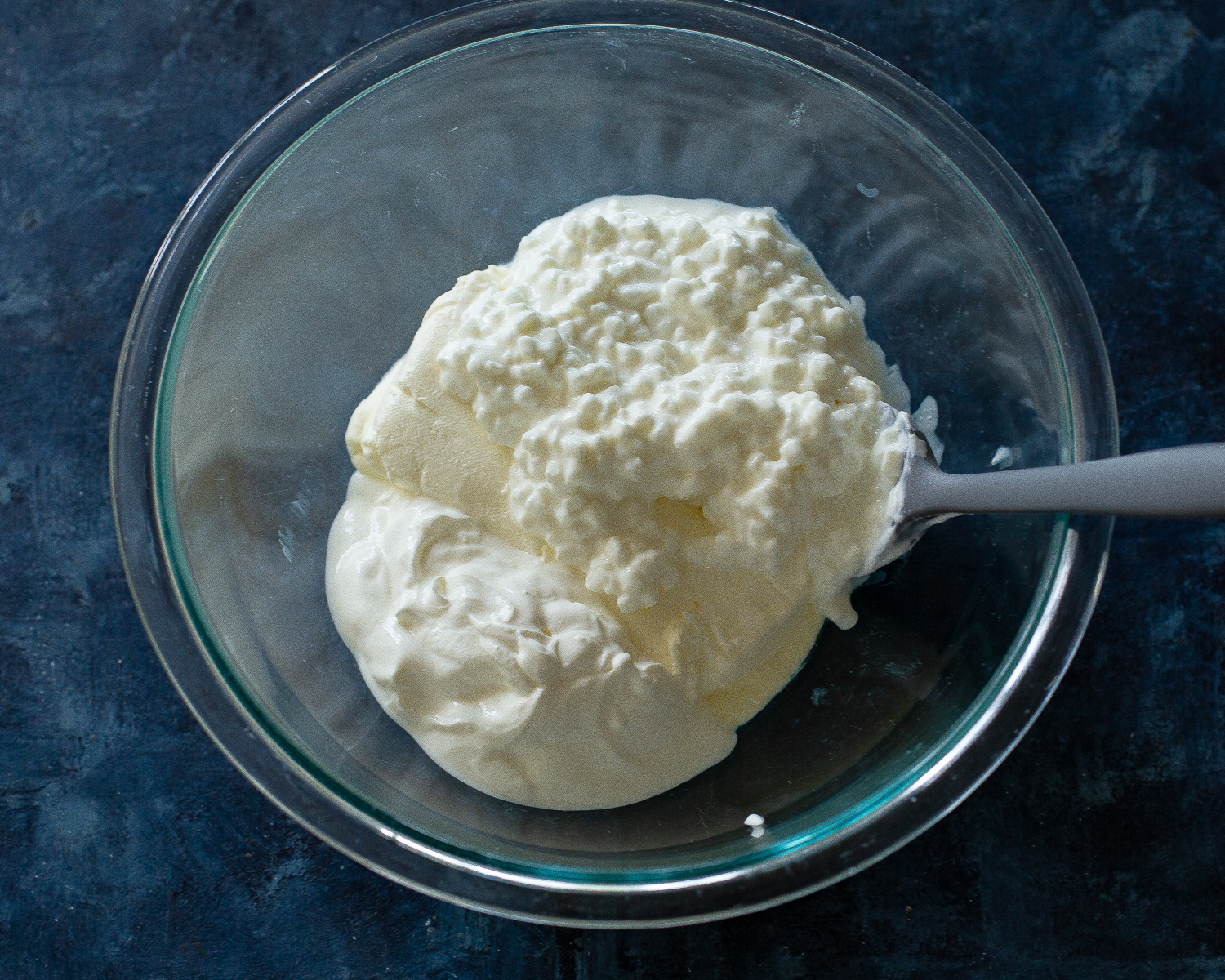
Culinary scientists note that the addition of cream cheese introduces a level of acidity and fat that balances the sweetness of commercial marinara sauces. This chemical reaction is what many consumers describe as the "richness" of the dish, effectively masking the presence of the cottage cheese for those who might otherwise be averse to its texture.
Broader Impact and Household Implications
The impact of this dish on domestic food culture extends beyond simple nourishment. It represents a shift in the philosophy of the home kitchen—moving away from the "labor-intensive, time-consuming" ideal toward a "utilitarian, efficiency-focused" approach.
As noted by sociologists studying family dynamics, the ability to "prep ahead" has been shown to reduce household stress levels. The psychological benefit of having a prepared meal waiting in the freezer provides a sense of security and preparedness for busy families. This has led to an increase in the sale of glass and ceramic bakeware designed specifically for freezer-to-oven transitions, indicating a hardware shift to accommodate this specific style of cooking.
Future Outlook and Sustainability
Looking ahead, the evolution of the Million Dollar Spaghetti is likely to involve more health-conscious variations. As plant-based protein alternatives continue to enter the mainstream market, there is an observable trend in substituting traditional ground beef with lentil-based or soy-based crumbles without compromising the flavor profile.
Furthermore, the integration of smart-home appliances—such as ovens with pre-programmed thawing and reheating cycles—suggests that the dish will remain relevant for the next generation of consumers. The dish serves as a bridge between traditional home-cooked heritage and the high-speed requirements of the modern era.
In conclusion, Million Dollar Spaghetti occupies a unique space in the American culinary landscape. It is not merely a recipe, but a strategic solution to the perpetual challenge of balancing quality, cost, and time. By leveraging the science of dairy emulsions and the utility of freezer storage, this dish provides a replicable, scalable, and satisfying meal that continues to define the modern standard for home-cooked comfort food. Its enduring popularity serves as a testament to the fact that, in the kitchen, efficiency and flavor are not mutually exclusive concepts. Whether prepared for a large family gathering or portioned out for individual weekly meal prep, the dish stands as a quintessential example of how traditional cooking methods can adapt to meet the changing needs of society.
