
The culinary landscape of dips and spreads has been significantly enriched by the humble chickpea, forming the base of the beloved hummus. While grocery store shelves are replete with a dizzying array of pre-packaged options, often laden with preservatives and a diluted flavor profile, a true appreciation for hummus blossoms with the creation of homemade versions. The distinctively flat and often stale taste of commercial hummus pales in comparison to the vibrant, zesty, and perfectly seasoned creations achievable in one’s own kitchen. This comprehensive guide explores a curated selection of recipes, demonstrating the remarkable ease and immense satisfaction of crafting hummus from scratch, transforming this ubiquitous dip into a culinary adventure.
The Art of Homemade Hummus: Beyond the Store-Bought Staple
For decades, hummus has been a staple in Mediterranean and Middle Eastern cuisines, a testament to its simple yet profound flavor. Traditionally, it’s a harmonious blend of cooked chickpeas, tahini (sesame paste), lemon juice, and garlic, often seasoned with salt. However, the beauty of hummus lies in its versatility, allowing for endless innovation and personalization. The inherent limitations of mass production often result in a compromise on freshness and the bold, nuanced flavors that define exceptional hummus. Store-bought varieties frequently lack the essential bright acidity from lemon and the assertive salinity that awakens the palate. This deficiency leaves a void that homemade hummus readily fills, offering a canvas for a spectrum of tastes and textures.
The process of making hummus at home is not merely about replicating a familiar dish; it’s about unlocking a new level of flavor and understanding the core components that make it so appealing. From the creamy texture derived from perfectly blended chickpeas to the tang of fresh lemon and the subtle warmth of garlic, each element plays a crucial role. Furthermore, the ability to control the ingredients allows for dietary customization, catering to various needs and preferences, from vegan and gluten-free options to reduced-sodium or low-fat versions.
A Culinary Journey Through Hummus Innovations
This collection of recipes showcases the incredible range of possibilities when venturing beyond the basic hummus. Each recipe offers a unique flavor profile, catering to different tastes and occasions, from everyday snacking to sophisticated entertaining.
1. Simple Creamy Hummus: The Foundational Masterpiece
For those new to the art of hummus making, this foundational recipe serves as an ideal starting point. It distills the essence of classic hummus, requiring just five core ingredients. The simplicity belies its potential for deliciousness. A key technique recommended for this recipe is reserving some whole chickpeas before blending. These can be folded back into the finished hummus to introduce a delightful textural contrast, preventing the dip from becoming uniformly smooth and adding a pleasing bite. The final flourish of bright, bold paprika not only enhances the visual appeal but also adds a subtle peppery note. This recipe is a testament to the principle that sometimes, the most profound flavors emerge from the most straightforward preparations.
Recipe Link: Simple Creamy Hummus
2. Caramelized Onion Hummus: A Symphony of Sweetness and Depth
Caramelized onions are a culinary revelation, transforming humble onions into a sweet, complex, and deeply savory ingredient. The process, while time-consuming, is undeniably rewarding, yielding a flavor profile that is both rich and nuanced. This recipe ingeniously incorporates these slow-cooked gems into hummus, elevating the creamy dip to new heights. The natural sugars in the onions break down and concentrate during the caramelization process, imparting a profound sweetness and a depth of flavor that is rarely found in store-bought alternatives. This fusion creates a hummus that is both comforting and sophisticated, a testament to the power of patient cooking.
Recipe Link: Caramelized Onion Hummus
3. Summery Zucchini Hummus: A Refreshing Twist
While robust flavors are often sought, there are times when a lighter, more refreshing hummus is desired. This zucchini hummus answers that call perfectly. The addition of hydrating zucchini introduces a subtle coolness and a less dense texture, creating a brighter flavor backdrop for the traditional hummus ingredients. The inclusion of sriracha adds a gentle, lingering heat that encourages another spoonful, making it an addictive yet guilt-free indulgence. Served alongside an array of fresh, crisp vegetables, this hummus transforms a simple appetizer into a vibrant, health-conscious offering that celebrates the season’s bounty.
Recipe Link: Summery Zucchini Hummus
4. Lemon Hummus: Zesty and Invigorating
Lemon is a universally recognized flavor enhancer, and its application in hummus is particularly potent. This recipe capitalizes on the power of citrus by incorporating both lemon zest and lemon juice. This dual approach ensures an intense, pervasive lemony essence that infuses every bite. The bright, tangy notes of the lemon cut through the richness of the chickpeas and tahini, creating a revitalizing experience for the palate. While the recipe suggests cilantro as an optional topping, its inclusion is highly recommended, as the fresh, herbaceous quality of cilantro provides a powerful counterpoint to the citrus, elevating the dip to an entirely new dimension of flavor.
Recipe Link: Lemon Hummus
5. Instant Pot Hummus: Speed and Convenience
The advent of the Instant Pot has revolutionized home cooking, offering unprecedented speed and convenience. This recipe demonstrates its remarkable utility in hummus preparation. By utilizing dry chickpeas, the Instant Pot eliminates the need for lengthy overnight soaking. This makes it an exceptionally practical option for spontaneous hummus cravings or when time is of the essence. The ability to cook dried legumes quickly and efficiently ensures that fresh, homemade hummus is accessible even on busy weeknights, bridging the gap between convenience and quality.
Recipe Link: Instant Pot Hummus
6. 3-Ingredient Pumpkin Hummus: Autumnal Simplicity
As the seasons shift towards autumn, the comforting flavors of pumpkin become a welcome addition to the culinary repertoire. This remarkably simple recipe, requiring only three ingredients, makes the most of pumpkin’s inherent sweetness and warm spice. It begins with a base of store-bought hummus, but the addition of pumpkin puree and pumpkin pie spice transforms it into something far more vibrant and fresh. This is a perfect example of how a few thoughtful additions can elevate a pre-made product, demonstrating that even with minimal ingredients, homemade taste and quality can be achieved.
Recipe Link: 3-Ingredient Pumpkin Hummus
7. Roasted Garlic Pumpkin Hummus: A Savory Fall Delight
For those who prefer a more savory interpretation of pumpkin hummus, this recipe offers a compelling alternative. The secret lies in the use of roasted garlic, which imparts a mellow sweetness and a complex, savory depth without the sharp bite of raw garlic. This, combined with warming spices like cumin, black pepper, and cayenne, creates a rich flavor profile that is perfect for fall. This versatile hummus can be served with fresh vegetables, crackers, or even as a spread on sandwiches, embodying the cozy and comforting spirit of the season.
Recipe Link: Roasted Garlic Pumpkin Hummus
8. Fava Bean Hummus: A Verdant and Flavorful Departure
While chickpeas are the traditional foundation of hummus, this recipe boldly ventures into using fava beans, offering a delightful twist on the classic. The result is a stunningly vibrant, bright green hummus that belies its unexpected flavor profile. The addition of spinach contributes to its striking hue, while the fava beans themselves provide a unique, slightly sweeter taste. This recipe, originating from NoMad L.A., is elevated further by its thoughtful toppings, including pickled shallots, black sesame seeds, and chopped pistachios, which add layers of texture, visual appeal, and complementary flavors.
Recipe Link: Fava Bean Hummus
9. Easy Roasted Pumpkin Hummus: Intensified Autumnal Flavors
Roasting vegetables is a technique that unlocks their inherent sweetness and intensifies their flavors, and this recipe applies that principle to pumpkin for an exceptional hummus. Roasting the pumpkin before incorporating it into the hummus not only imbues the dip with a deeper, more complex sweetness than can be achieved with chickpeas and tahini alone, but it also results in a visually striking, vibrant orange hue. This vibrant color makes the hummus a showstopper on any appetizer platter. The addition of sesame seeds and chopped parsley as toppings further enhances its appeal, adding both texture and a fresh, herbaceous note.
Recipe Link: Easy Roasted Pumpkin Hummus
10. Ghastly Beet Hummus Halloween Appetizer: A Visually Stunning Creation
For those seeking to make a visually impactful statement, the addition of beets to hummus is a game-changer. Beets transform the typically pale chickpea base into a bold, vibrant pink, creating a dip that is as captivating to the eyes as it is to the palate. While this recipe is presented as a Halloween-themed appetizer, often paired with ghost-shaped pita chips, the fundamental beet hummus recipe is so delicious and visually appealing that it transcends seasonal novelty. Its striking color and earthy sweetness make it a year-round favorite for those who appreciate both flavor and aesthetic in their culinary creations.
Recipe Link: Ghastly Beet Hummus Halloween Appetizer
11. Homemade Pesto Hummus: A Mediterranean Fusion
Pesto, a beloved Italian condiment typically found in pasta dishes and sandwiches, finds a new and exciting application in this innovative hummus recipe. By incorporating classic pesto ingredients – basil, Parmesan cheese, and pine nuts – into the traditional hummus base, this recipe creates a unique fusion of Mediterranean flavors. The vibrant herbaceousness of basil, the salty tang of Parmesan, and the nutty richness of pine nuts meld seamlessly with the creamy chickpeas and tahini. While it functions beautifully as a dip, its herbaceous and savory notes make it particularly well-suited as a spread for vegetable sandwiches, adding a burst of fresh flavor.
Recipe Link: Homemade Pesto Hummus
12. 5-Ingredient Edamame Hummus: A Lighter, Greener Alternative
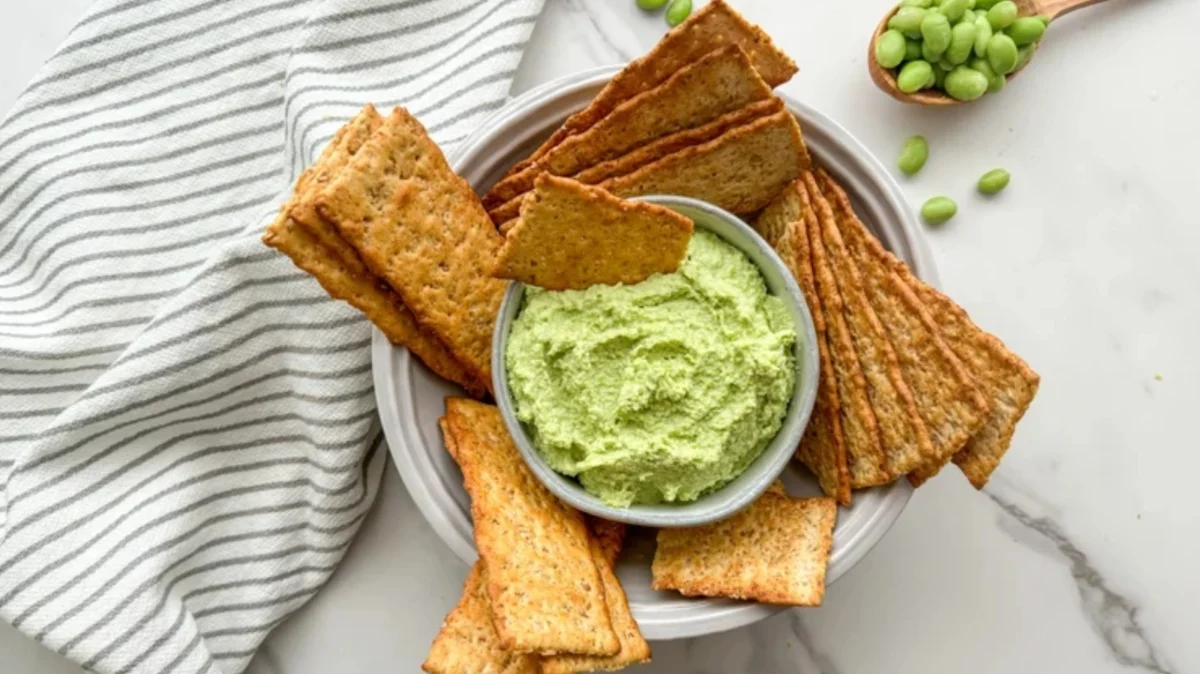
Stepping away from the traditional chickpea, this recipe utilizes edamame as its base, offering a lighter and subtly different flavor profile. The result is a hummus with a delicate green hue, maintaining the essential creamy texture while introducing a slightly sweeter, more vegetal note. With just five ingredients – edamame, tahini, garlic, olive oil, and lemon juice – this recipe emphasizes simplicity and freshness. It pairs exceptionally well with a variety of dippable items, including crackers and cut vegetables, offering a refreshing alternative to classic hummus. Using shelled edamame is recommended to streamline the preparation process.
Recipe Link: 5-Ingredient Edamame Hummus
The Broader Impact of Homemade Hummus
The growing popularity of homemade hummus reflects a broader trend towards mindful consumption and a desire for authentic, unadulterated food experiences. As consumers become more aware of the ingredients in their food, the appeal of creating dishes from scratch, with fresh, recognizable components, continues to rise. The accessibility of these recipes, many of which require minimal specialized equipment or ingredients, democratizes gourmet cooking. This shift not only benefits individual health and well-being by reducing processed food intake but also fosters a deeper connection to food and its preparation. The ability to experiment with flavors and adapt recipes to personal preferences empowers home cooks, transforming a simple dip into a personalized culinary expression. Furthermore, the environmental implications of reducing reliance on commercially produced foods, often involving extensive packaging and transportation, are also significant. By embracing homemade hummus, individuals contribute to a more sustainable food system, one delicious scoop at a time.
Static Media owns and operates Tasting Table and Mashed.
