
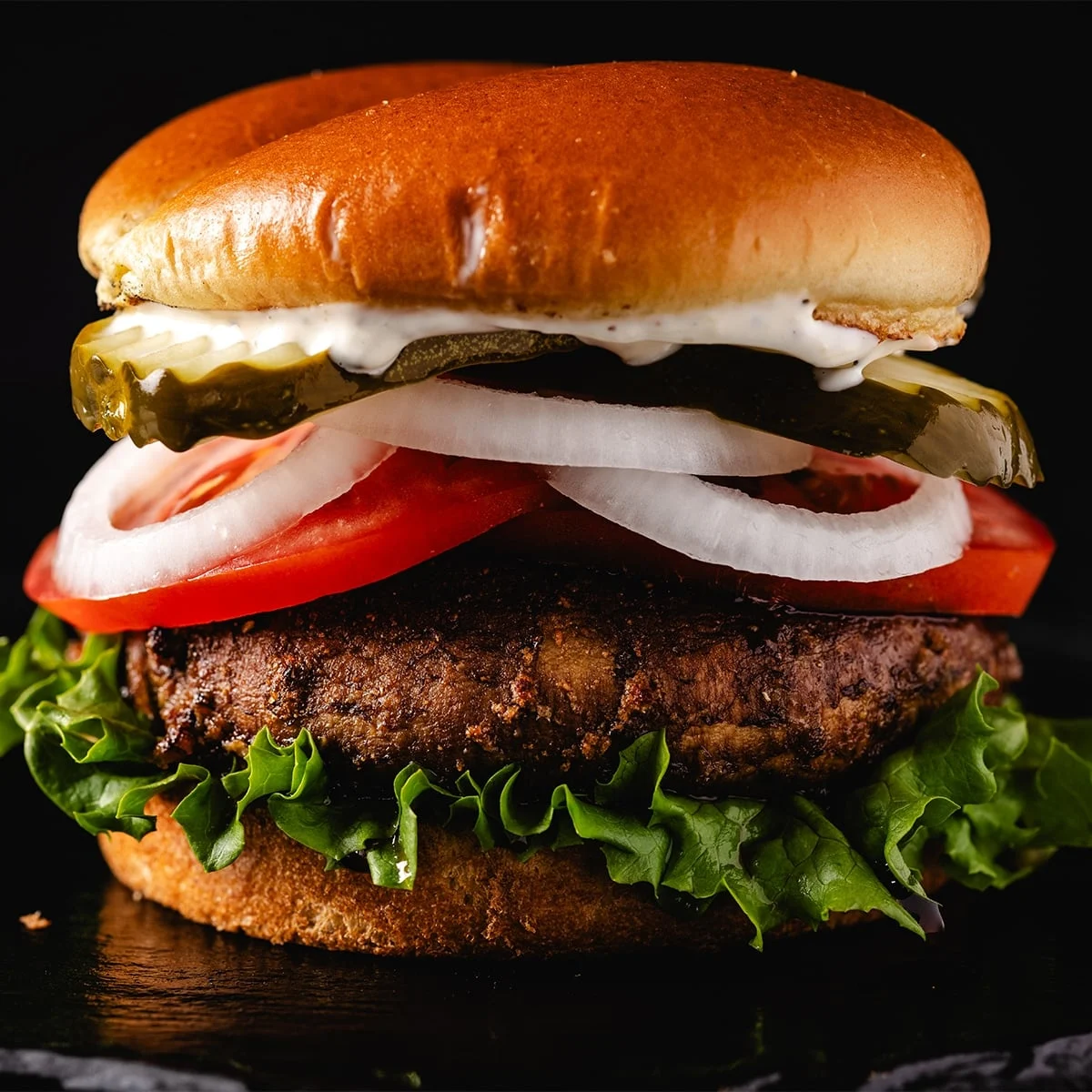
The culinary landscape of outdoor grilling is undergoing a significant transformation as pitmasters and home cooks alike seek to diversify traditional barbecue menus with high-quality, plant-based alternatives. At the forefront of this movement is the Grilled Portobello Mushroom Burger, a dish that leverages the dense, meaty texture of the Agaricus bisporus species to provide a satisfying experience for both vegetarians and meat enthusiasts. By utilizing a sophisticated marinade process involving balsamic vinegar and a signature beef rub, followed by high-heat charring on a charcoal grill, this preparation elevates the humble mushroom from a simple side dish to a centerpiece of the modern cookout. The integration of a bright lemon garlic aioli serves as a critical acidic and creamy counterpoint, ensuring a balanced flavor profile that competes directly with traditional beef-based offerings.
The Evolution of the Portobello Mushroom in Barbecue Culture
Historically, the portobello mushroom was not always the celebrated "steak" of the fungal world. Until the late 1980s, these oversized, mature mushrooms were often discarded or sold at a discount because they were perceived as less desirable than their younger, white button counterparts. However, a concerted effort by mushroom growers and chefs highlighted their unique properties: when allowed to mature, the caps open fully, the moisture content decreases slightly, and the flavor intensifies, resulting in a savory, umami-rich profile that mimics the mouthfeel of roasted meat.
In the context of contemporary American barbecue, the portobello has transitioned from a niche vegetarian substitute to a mainstream gourmet option. This shift is driven by a growing demographic of "flexitarians"—individuals who consume meat but actively seek to reduce their intake without sacrificing the smoky, charred flavors associated with outdoor cooking. The recipe developed by Susie Bulloch of Hey Grill Hey exemplifies this trend, applying traditional meat-seasoning techniques, such as the use of a robust beef rub, to a non-meat protein.

Technical Methodology: The Chronology of Preparation
Achieving a restaurant-quality portobello burger requires a disciplined approach to moisture management and flavor infusion. The process is divided into four distinct phases: preparation, marination, sauce synthesis, and thermal execution.
Phase I: Cleaning and Preparation
The first step in the process involves selecting high-quality portobello caps that are firm and free of soft spots. Journalistic observation of professional kitchens suggests that mushrooms should never be soaked in water, as their porous structure acts like a sponge, leading to a soggy end product. Instead, they are wiped clean with a damp cloth. The stems are removed to allow for even heat distribution across the underside of the cap.
Phase II: The Marination Process
The marinade serves as the primary vehicle for flavor. A combination of balsamic vinegar, oil, and a signature beef rub is employed. The balsamic vinegar provides necessary acidity and sugars that facilitate caramelization (the Maillard reaction) during the grilling process. The inclusion of a beef rub—typically a blend of salt, pepper, garlic powder, onion powder, and sometimes a hint of smoked paprika—bridges the gap between the vegetable and meat worlds. Experts recommend marinating for at least 30 minutes, though longer durations allow the salt in the rub to penetrate deeper into the mushroom’s cellular structure.
Phase III: Synthesis of the Lemon Garlic Aioli
A critical component of the burger’s success is the condiment layer. The lemon garlic aioli is not merely a sauce but a functional element designed to cut through the richness of the charred mushroom and the buttery brioche bun. The preparation involves emulsifying garlic, lemon juice, and zest into a mayonnaise base, often enriched with fresh herbs. This adds a "bright, herbaceous finish" that elevates the overall sensory experience.

Phase IV: Thermal Execution on the Grill
The final stage involves high-heat grilling. While gas and pellet grills are viable options, charcoal remains the preferred medium for professional pitmasters due to the intense radiant heat and the supplemental smokiness provided by the coals. The mushrooms are grilled over direct heat until char marks are visible and the texture has softened to a tender, yet resilient, consistency.
Nutritional Data and Culinary Science
An analysis of the nutritional profile of the Grilled Portobello Mushroom Burger reveals a complex caloric structure. A single serving, including the bun and aioli, contains approximately 634 calories. The breakdown of macronutrients is as follows:
- Total Fat: 55g (with 8g of Saturated Fat)
- Carbohydrates: 30g
- Protein: 8g
- Sodium: 1425mg
- Fiber: 3g
- Sugars: 8g
From a scientific perspective, the "meatiness" of the portobello is attributed to its high concentration of glutamate, an amino acid responsible for the umami taste. When subjected to the high temperatures of a grill (typically between 400°F and 500°F), these glutamates react with the sugars in the balsamic marinade. This reaction creates a complex crust that is structurally similar to the bark found on a smoked brisket or the sear on a ribeye steak.
The "Hey Grill Hey" Influence on Modern Grilling
Susie Bulloch, the founder of Hey Grill Hey and the architect of this recipe, has become a pivotal figure in the barbecue industry. With a background that includes appearances on the Food Network and the establishment of multiple Guinness World Records in the realm of outdoor cooking, Bulloch has leveraged her platform to democratize barbecue.

Her approach to the portobello burger reflects a broader philosophy: that the grill is a tool for flavor creation regardless of the ingredient. By encouraging followers to use "signature beef rubs" on vegetables, she challenges the traditional boundaries of the "Backyard BBQ Hero." This methodology has resonated with a global audience, as evidenced by the high engagement across her digital platforms, including the Hey Grill Hey app and YouTube channel.
Market Trends and Broader Implications
The rise of gourmet mushroom burgers is part of a larger trend within the $15 billion U.S. grilling industry. Market research indicates that consumers are increasingly investing in premium "vessel" ingredients, such as brioche buns, which offer a higher fat content and sturdier structure than standard white bread buns. This is essential for supporting the weight and moisture of a marinated portobello cap.
Furthermore, the "mixed cookout" has become the standard social format. Hosts are no longer providing a single meat option; instead, they are expected to provide diverse menus that accommodate various dietary preferences without compromising on quality. The Grilled Portobello Mushroom Burger serves as a strategic solution to this demand. It is not an "apology" to vegetarians but a culinary statement that stands on its own merits.
Expert Best Practices for Optimal Results
To ensure the highest quality outcome, culinary professionals suggest several "pro tips" for the home griller:

- Cap Integrity: Ensure the portobello caps are not overly thin, as they will shrink during the grilling process.
- Heat Management: If using charcoal, create a two-zone fire. Start the mushrooms over direct heat for the sear, then move them to the cooler side of the grill to finish cooking through without burning the exterior.
- Bun Preparation: Toasting the brioche bun is non-negotiable. The toasted surface creates a moisture barrier, preventing the juices of the mushroom and the aioli from making the bread soggy.
- Topping Selection: While traditional toppings like lettuce, onion, and tomato are standard, the addition of goat cheese or sprouts can further enhance the gourmet profile of the dish.
Conclusion: The Future of the Backyard Barbecue
The Grilled Portobello Mushroom Burger represents more than just a recipe; it is a symbol of the evolving American palate. As outdoor cooking continues to integrate global flavors and diverse ingredients, the focus remains on the marriage of fire, smoke, and seasoning. By applying rigorous BBQ techniques to the portobello mushroom, cooks can produce a meal that is nutritionally substantial, flavor-dense, and universally appealing. As the industry moves forward, the distinction between "meat" and "vegetarian" cooking will likely continue to blur, replaced by a singular focus on excellence in live-fire gastronomy.
