
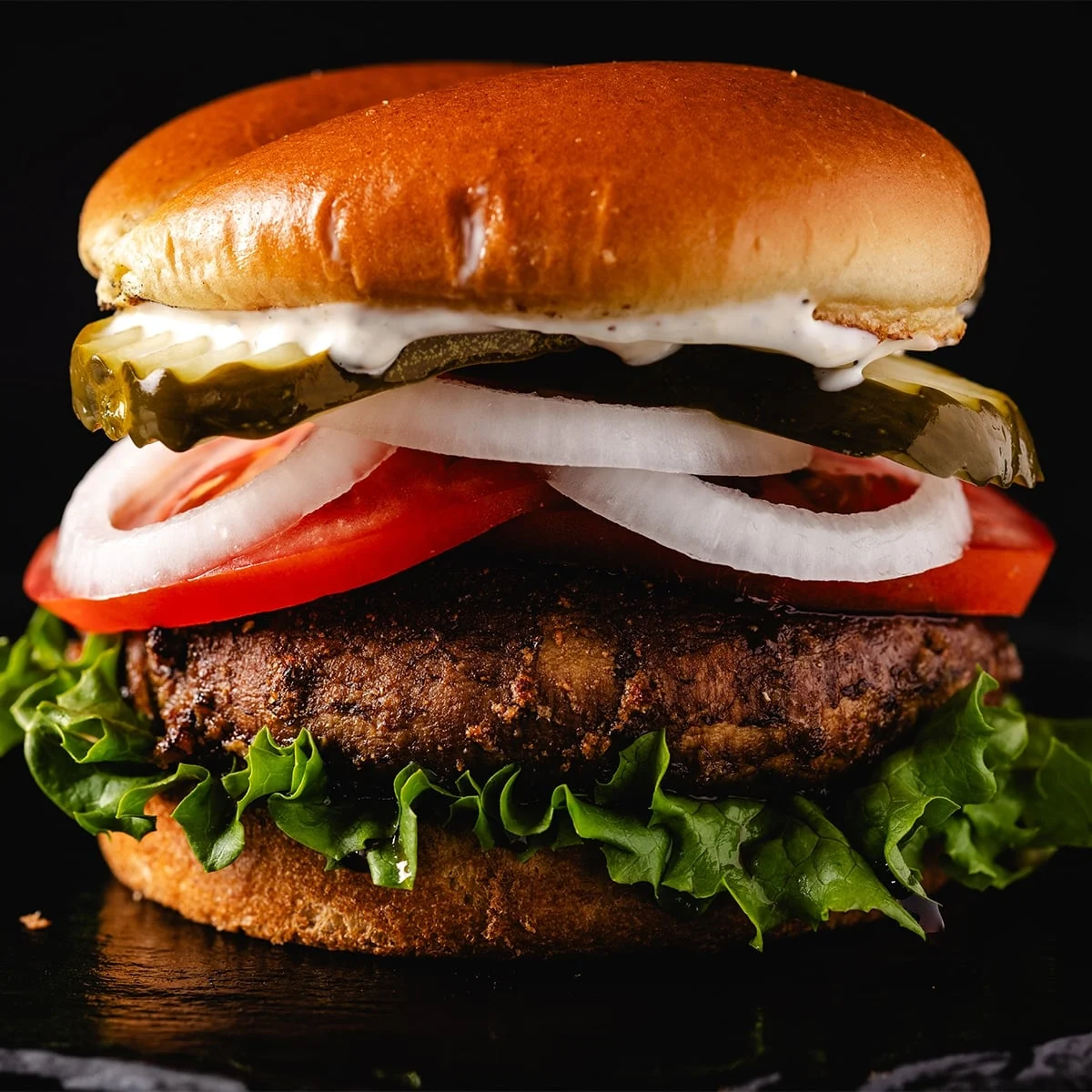
The traditional American barbecue landscape, long defined by brisket, ribs, and beef patties, is undergoing a significant culinary transformation as pitmasters and home cooks alike embrace plant-based alternatives that do not sacrifice the robust flavors of the grill. Central to this shift is the portobello mushroom, a fungi variety that has transitioned from a secondary side dish to a primary contender for the center of the plate. Culinary expert Susie Bulloch, founder of the prominent barbecue platform Hey Grill Hey, has introduced a refined Grilled Portobello Mushroom Burger that utilizes professional meat-smoking techniques—such as signature dry rubs and high-heat charring—to elevate the vegetable to a gourmet standard. This development reflects a broader movement within the outdoor cooking community to prioritize inclusivity and flavor complexity over traditional protein constraints.
The Anatomy of the Modern Mushroom Burger
The success of a portobello-based burger relies heavily on the preparation of the mushroom cap, which serves as a natural vessel for flavor. Unlike processed meat substitutes, the portobello mushroom offers a dense, "meaty" texture and a high concentration of glutamate, the compound responsible for umami flavor. In Bulloch’s methodology, the process begins with a sophisticated balsamic marinade designed to penetrate the porous structure of the mushroom. This marinade typically includes a balance of acidity from balsamic vinegar, richness from high-quality oils, and a proprietary "Beef Rub."
The application of a beef-centric seasoning to a vegetable is a strategic choice in modern grilling. By using spices traditionally reserved for steaks—such as coarse salt, cracked black pepper, garlic powder, and onion powder—the cook bridges the sensory gap between a vegetable burger and a traditional beef patty. This approach ensures that the finished product appeals not only to vegetarians but also to "flexitarians" and meat-lovers who seek a lighter alternative without losing the characteristic "smokehouse" profile.

Technical Execution: The Role of Heat and Texture
The transition from a raw portobello to a burger-ready patty involves precise temperature management. Professional grillers emphasize the use of charcoal over gas or pellet systems for this specific recipe to achieve a superior char. The high, direct heat of charcoal facilitates the Maillard reaction—a chemical reaction between amino acids and reducing sugars that gives browned food its distinctive flavor. Because mushrooms have a high water content (approximately 80% to 90%), high-heat grilling is essential to evaporate excess moisture rapidly, preventing the mushroom from becoming rubbery or soggy.
The chronology of the grilling process is as follows:
- Preparation: The mushroom stems are removed, and the caps are cleaned.
- Marination: The caps are submerged in a balsamic and spice blend for a period long enough to infuse flavor but short enough to maintain structural integrity.
- The Sear: The mushrooms are placed on the grates over high heat, usually for 4 to 6 minutes per side.
- Assembly: The charred caps are transferred to a toasted brioche bun, which provides a buttery contrast to the earthy mushroom.
To complement the deep, savory notes of the grilled mushroom, a bright lemon garlic aioli is utilized. This condiment serves as a "brightening agent," using citrus acidity and the sharp pungency of fresh garlic to cut through the richness of the marinade and the char of the grill.
Nutritional Profile and Dietary Implications
As consumers become more health-conscious, the nutritional data of barbecue staples has come under increased scrutiny. The Grilled Portobello Mushroom Burger, while a vegetable-based dish, is designed as a hearty meal rather than a low-calorie diet option. According to nutritional analysis, a single serving contains approximately 634 calories.

The breakdown of the dish reveals a complex nutritional footprint:
- Total Fat: 55g (largely derived from the aioli and brioche bun).
- Sodium: 1425mg (attributed to the signature rub and balsamic marinade).
- Carbohydrates: 30g.
- Protein: 8g.
- Micronutrients: The dish is a significant source of Potassium (436mg), Vitamin C (16mg), and Vitamin A.
While the fat and sodium content are high, consistent with traditional "comfort food" profiles, the mushroom itself provides essential B vitamins and antioxidants that are absent in standard beef patties. Furthermore, the use of a whole-food vegetable avoids the stabilizers and heme-iron additives often found in ultra-processed plant-based "fake meats."
Market Trends: The Rise of the Flexitarian Griller
The emergence of high-quality mushroom burger recipes coincides with a massive shift in the global food market. Data from market research firms indicates that the plant-based food market is expected to reach over $160 billion by 2030. However, a growing segment of this market is not strictly vegan or vegetarian. "Flexitarians"—individuals who primarily eat plant-based foods but occasionally consume meat—now make up nearly one-third of the US population.
This demographic shift has forced the barbecue industry to evolve. Once a bastion of "meat-only" culture, major BBQ brands and influencers are now diversifying their portfolios. The inclusion of portobello mushrooms in a BBQ context is a tactical response to this trend. It allows hosts to provide a inclusive environment where all guests, regardless of dietary restrictions, can enjoy a "charred" experience. Industry analysts suggest that recipes like Bulloch’s are successful because they do not frame the mushroom as a "sacrifice," but rather as a unique culinary choice that stands on its own merits.

Expert Perspectives and Culinary Philosophy
Susie Bulloch, a recognized figure in the BBQ world who has appeared on the Food Network and collaborated with high-profile figures like Shaquille O’Neal, advocates for a "Backyard BBQ Hero" philosophy. This mindset encourages home cooks to master their equipment to provide exceptional experiences for their families and communities. The introduction of the Portobello Mushroom Burger is a manifestation of this philosophy, challenging the notion that barbecue is limited to animal proteins.
"This isn’t an apology to the vegetarians at your cookout," Bulloch notes regarding the recipe. "Think of it as an amazing way to turn otherwise ordinary mushrooms into something totally delicious to feed the people you love." This sentiment is echoed by many professional chefs who argue that the versatility of the grill should be used to explore all food groups. By treating a mushroom with the same respect as a prime cut of beef—using specific rubs, controlled heat, and artisanal toppings—the griller demonstrates a higher level of technical skill.
Broader Implications for Sustainable Outdoor Cooking
Beyond flavor and inclusivity, the shift toward mushroom-based grilling has environmental implications. The production of mushrooms requires significantly less water, land, and energy compared to bovine agriculture. A study by the Mushroom Council found that producing one pound of mushrooms requires only 1.8 gallons of water and generates just 0.7 pounds of CO2 equivalent emissions. In contrast, beef production is one of the most resource-intensive sectors of the food industry.
As climate change concerns influence consumer behavior, the "sustainable grill" is becoming a point of discussion. While most backyard enthusiasts are unlikely to abandon steak entirely, the integration of recipes that highlight whole vegetables like the portobello mushroom offers a path toward more sustainable consumption patterns without abandoning the social and cultural traditions of the American cookout.

Conclusion: The Future of the Grate
The Grilled Portobello Mushroom Burger represents more than just a recipe; it is a symbol of the maturing American palate. By combining the technical rigors of traditional barbecue with the nutritional and environmental benefits of fungi, this dish offers a blueprint for the future of outdoor cooking. As more enthusiasts adopt high-heat charring techniques and complex flavor layering for vegetables, the boundary between "meat" and "vegetarian" cooking continues to blur, resulting in a more diverse and flavorful culinary landscape. Whether served at a high-stakes competition or a casual family gathering, the marinated and charred portobello has secured its place as a staple of the modern grill.
